
- Home
- Company
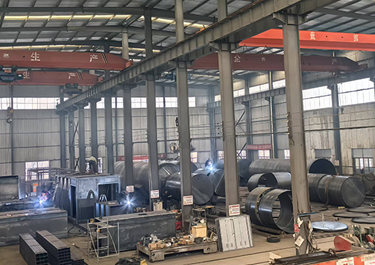 Our FactoryWe have a team of over 30 talented mobile fuel station R&D experts, as well as a 50,000-square-meter advanced modern intelligent manufacturing plant.
 - Mobile Fuel Station
- Storage Tank
- Blog
- Contacts
- Description
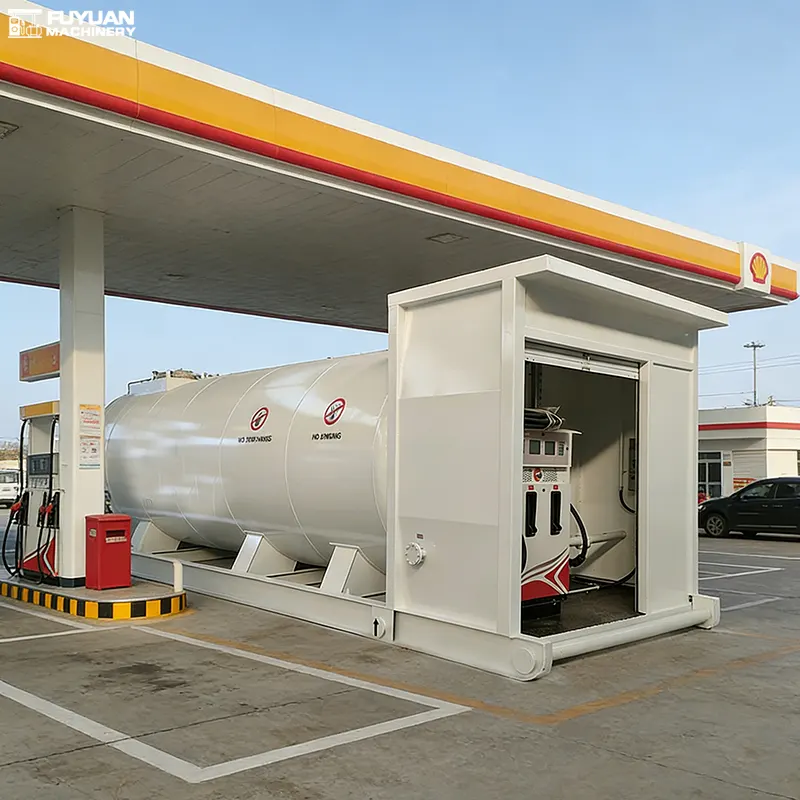
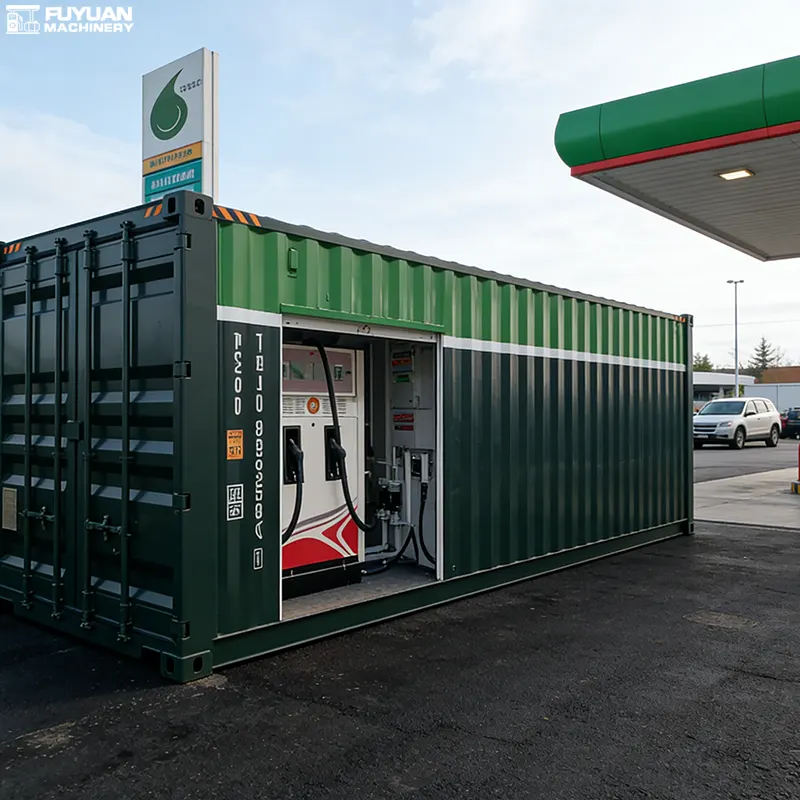
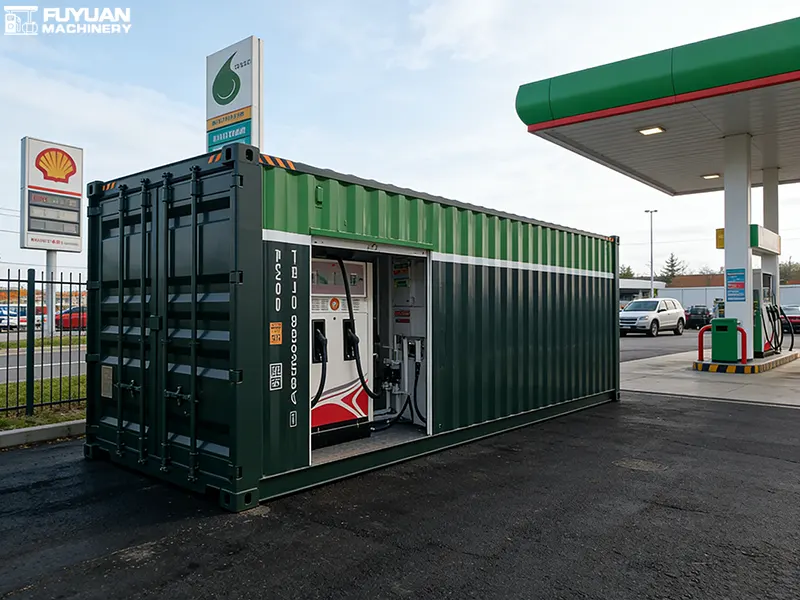
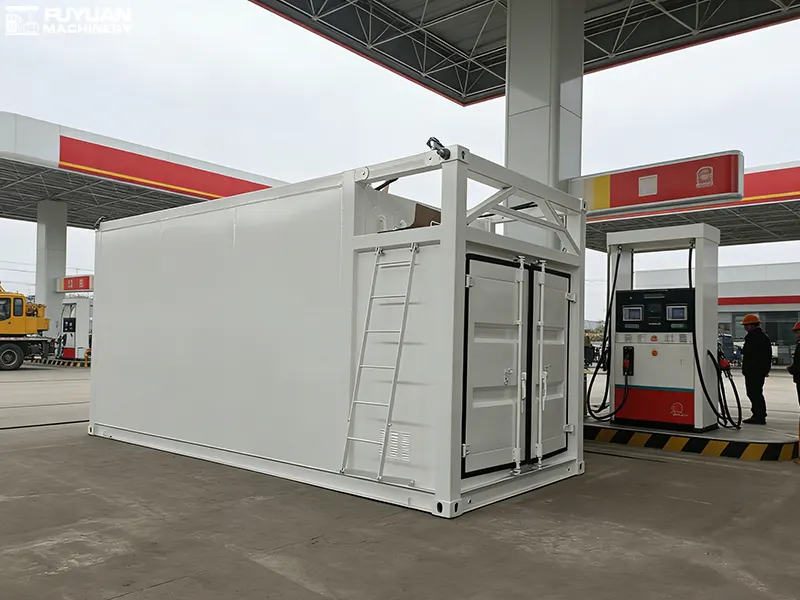
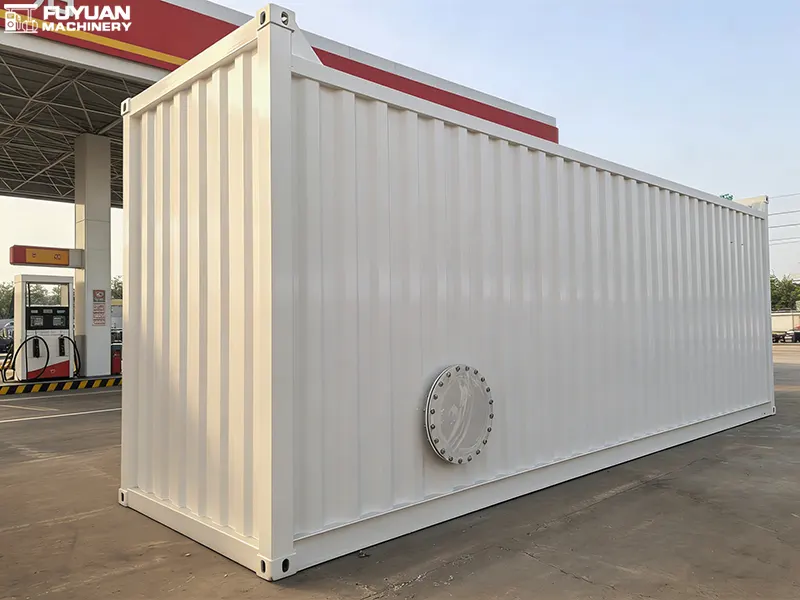
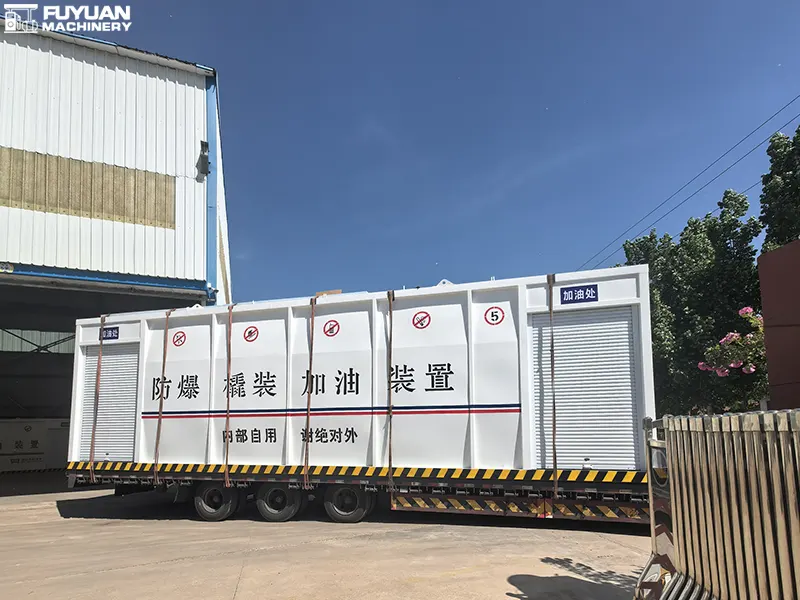
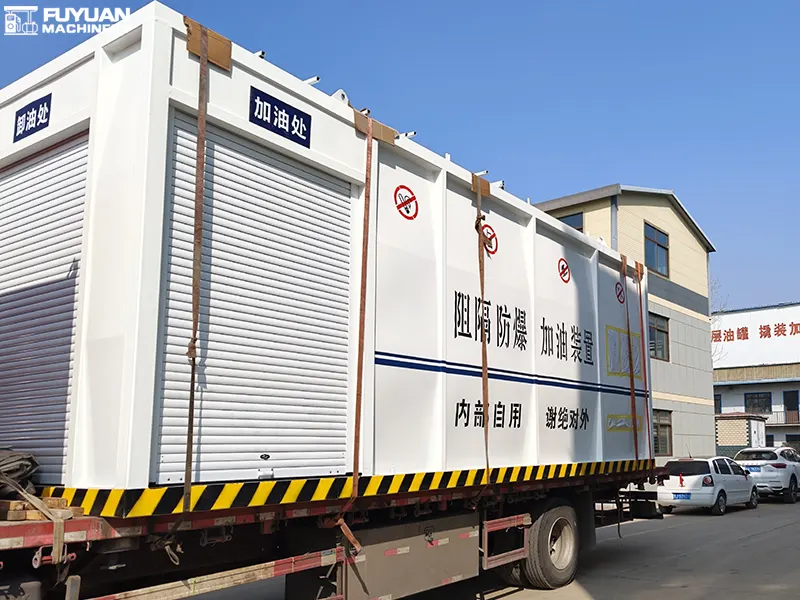
Mobile containerized refueling stations (skid-mounted) use standard shipping containers as their carriers, prefabricating and highly integrating systems for oil storage, refueling, safety, control, and environmental protection in the factory. This allows for rapid transportation and plug-and-play operation on-site. The core technologies are modular integrated design and inherent safety + intelligent monitoring.
1. Integrated Design
1.1. Overall Design Principles
- Standardized Carrier: Utilizes 20ft/40ft ISO standard containers (235B/Q345R carbon steel, 7–8mm thick), meeting sea, land, and lifting specifications.
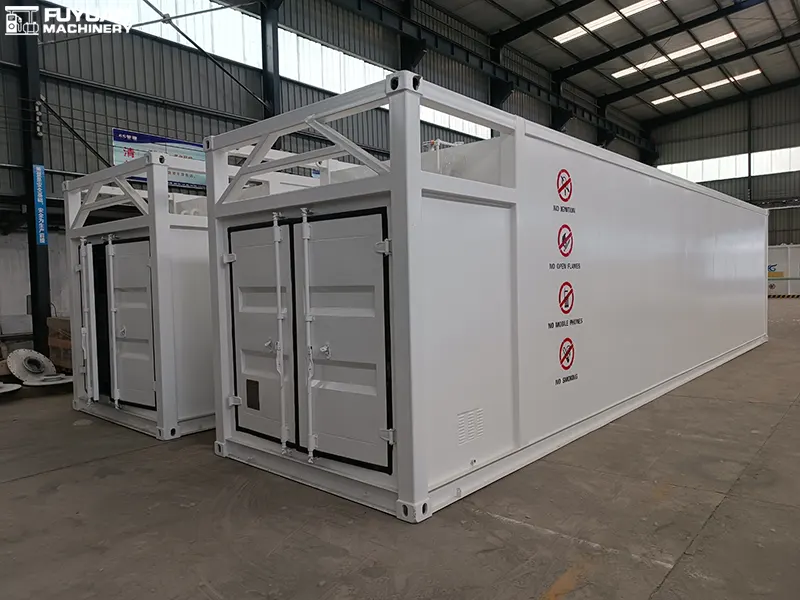
- Functional Zoning Integration: The container is divided into oil storage, refueling operation, equipment control, and safety protection areas. Pipelines, cables, and equipment are prefabricated in the factory, eliminating the need for on-site welding.
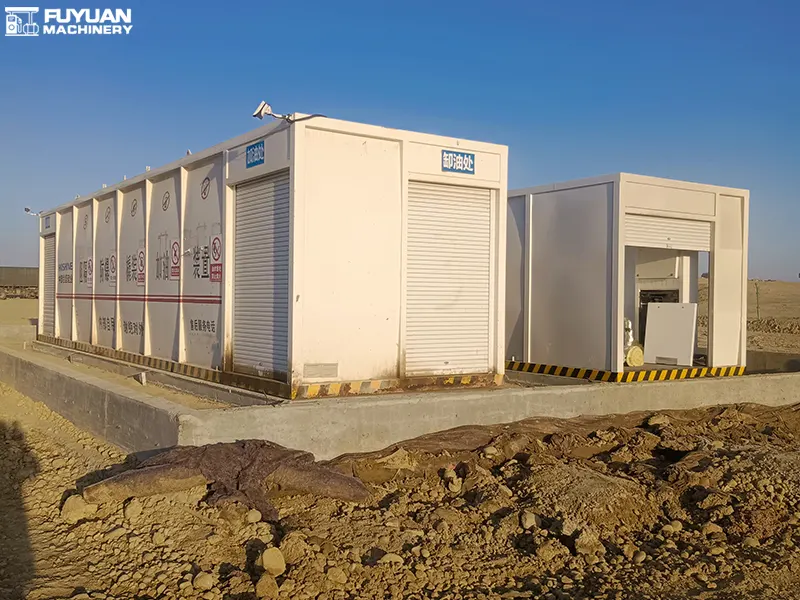
- Modular Combination: A single container can operate independently; multiple containers can be connected in parallel for expansion (multiple oil types/large storage capacity).
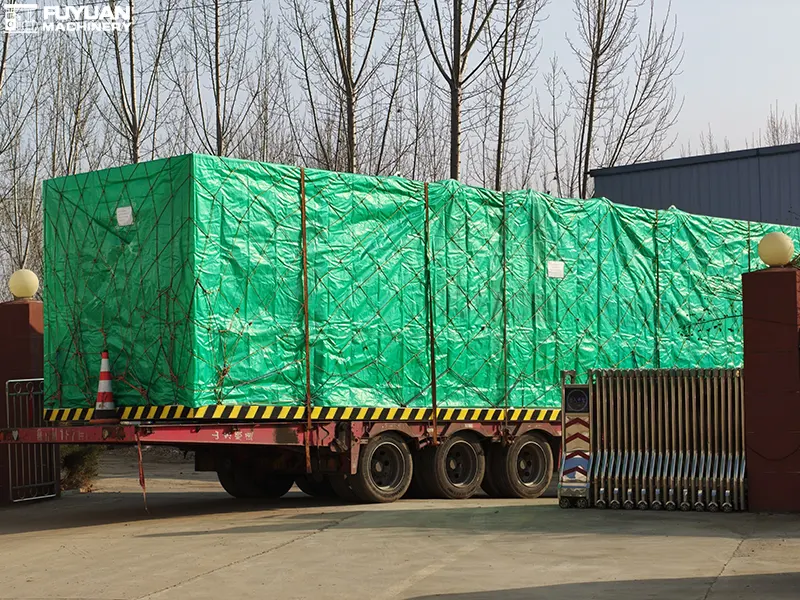
- Plug-and-Play: Only requires power, grounding, and unloading interfaces externally; on-site deployment can begin within 2–4 hours.
1.2. Container and Internal Layout (Typical 40ft)
- Structural Reinforcement: The container frame is reinforced to prevent deformation; a load-bearing base and shock absorption are provided at the bottom; lifting points and lightning rods are installed at the top.
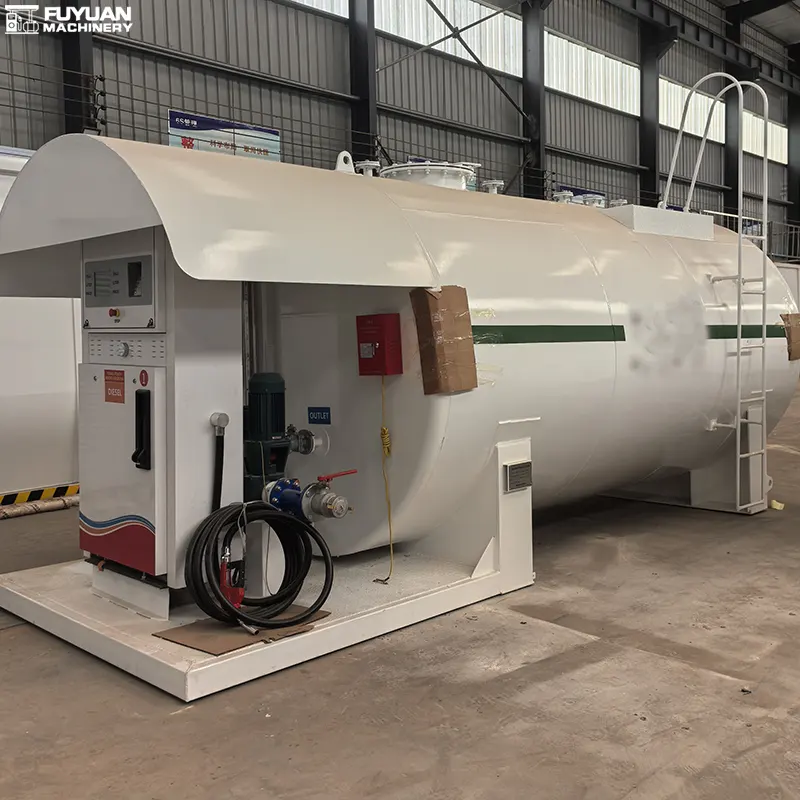
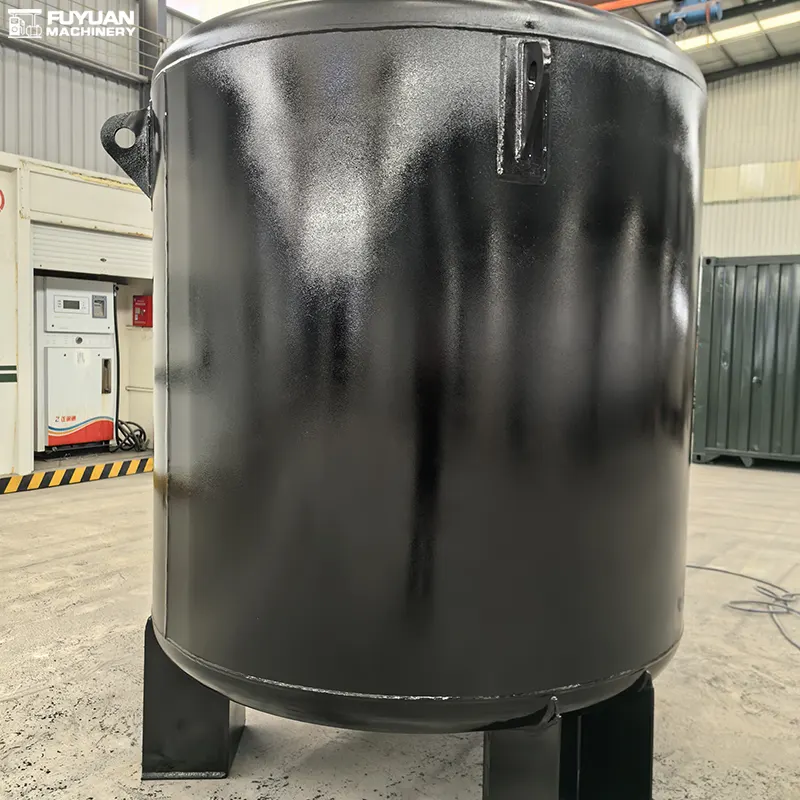
- Oil Storage Area (approximately 60% of space): Built-in double-layered explosion-proof storage tanks (10–50m3, single/multi-compartment), leak-proof bottom pallets, and explosion-proof ventilation for the tank area.
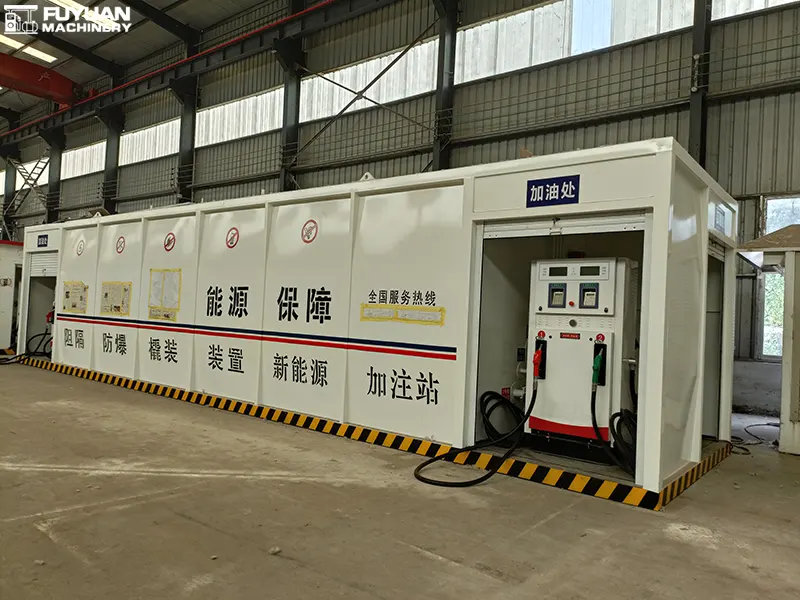
- Refueling Area (approximately 30% of space): Equipped with 1–3 explosion-proof refueling machines (single/dual-product, flow rate 60–70L/min), operating surface roller shutter/explosion-proof door, and anti-static and anti-slip floor.
- Control and Safety Area (approximately 10% of space): Integrated PLC control cabinet, UPS, generator, fire cabinet, and monitoring host for centralized control.
1.3. System Integration List (Full Functionality)
| System Category | Core Integrated Components | Functions |
| Oil Storage System | Double-walled explosion-proof tank, explosion-proof barrier material, level gauge, breather valve, flame arrester | Safe oil storage, pressure balancing, leak prevention |
| Oil Transfer and Refueling | Unloading pump, filter, submersible pump/self-priming pump, refueling machine, oil vapor recovery | Oil transportation, accurate metering, oil vapor emission reduction |
| Safety Protection | Automatic fire extinguishing, combustible gas detection, static grounding, emergency shut-off, lightning protection | Full protection against fire/leakage/static electricity/overpressure |
| Intelligent Control | PLC, ATG level monitoring, remote IoT, alarm linkage | Real-time monitoring, automatic interlocking, remote management |
| Environmental Protection System | Double-walled tank leak monitoring, oil vapor recovery (recovery rate >=95%), seepage prevention | Soil/water pollution prevention, VOC emission reduction |
| Power Supply System | Explosion-proof distribution box, UPS, 10kW generator (optional) | Power outage protection, explosion-proof power supply |
2. Core Intrinsic Safety Technology: Explosion-proof Barrier Technology
2.1. Technical Principle
The oil storage tank is filled with a honeycomb/three-dimensional mesh explosion-proof barrier material made of special aluminum alloy/316L stainless steel, forming countless tiny sealed spaces. Explosion protection is achieved through three mechanisms:
- Physical Barrier: The material pore size is 0.2–0.4mm (smaller than the 0.45mm diameter of gasoline vapor flame quenching), cutting off the flame propagation path, with a flame propagation speed attenuation rate >99.97%.
- Heat Sink Effect: The high specific surface area (280m2/m3) material rapidly absorbs heat, controlling the hot spot temperature below the gasoline auto-ignition point (255oC), blocking heat feedback.
- Static Electricity Discharge: The all-metal pathway forms an equipotential body with a surface resistance < 104ohm, eliminating static electricity accumulation.
2.2 Performance Indicators (AQ3002 Mandatory Requirements)
- Explosion-prone pressure boost <= 0.05MPa.
- Capable of withstanding extreme conditions such as 12 Joule gunshot wounds, welding, and impacts, achieving "ignition only, no explosion".
- Material filling density >= 32kg/m3, ensuring explosion-proof effectiveness.
3. Tank Safety Protection Technology
3.1 Double-Layer Tank Structure
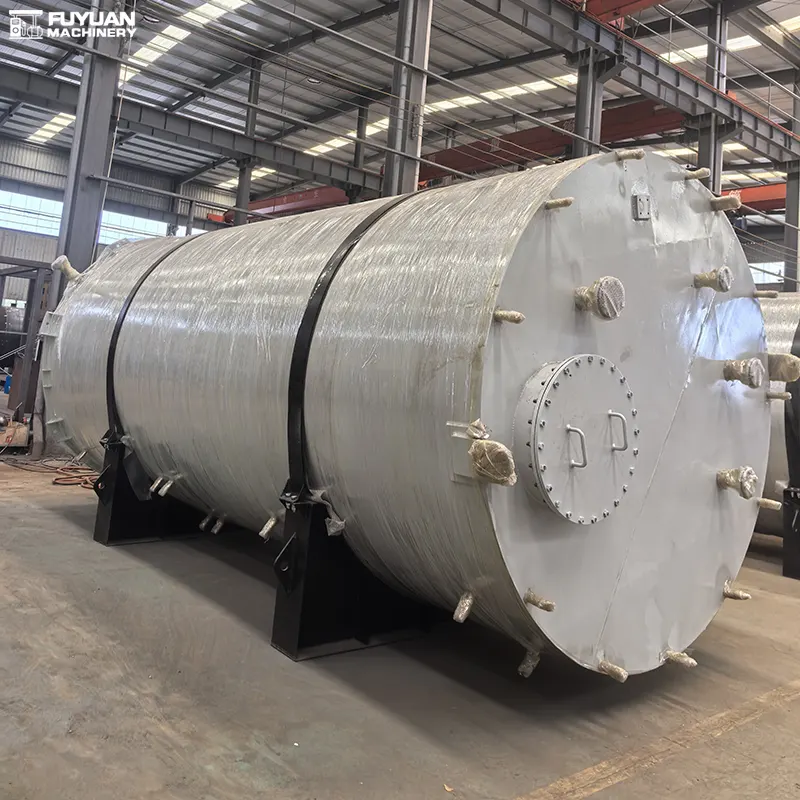
- Inner Layer: Q345R pressure vessel steel, oil-resistant and corrosion-resistant.
- Outer Layer: Fiberglass/carbon steel anti-corrosion layer, leak-proof and impact-resistant.
- Sandwich: Equipped with a leak monitoring instrument to detect leaks in the inner/outer tank in real time; an alarm is triggered upon leakage.
3.2. Tank Accessory Safety Design
- Emergency pressure relief device: Automatically opens when the tank overpressures (>= 0.03MPa), releasing pressure and preventing tank rupture.
- Overflow Prevention System: Alarm at 90% level, automatic shut-off of oil supply at 95% level to prevent oil spillage.
- High-Temperature Oil Shut-off Valve: Automatically closes the oil outlet pipe when oil temperature >=85oC to prevent thermal runaway.
- Real-time Level/Pressure Monitoring: Data is transmitted remotely to the central control unit for immediate alerts of abnormalities.
4. Intelligent Monitoring and Emergency Shut-off System
4.1. Combustible Gas Monitoring (GDS)
- Monitoring Points: Key areas such as tank areas, unloading ports, refueling machines, and inside containers.
- Alarm Thresholds: Low alarm (LEL 10%–25%) triggers audible and visual warnings; high alarm (LEL 50%) triggers emergency shut-off.
- Equipment: ExdIIBT4 explosion-proof detector, response time < 1s.
4.2. Emergency Shut-off System (ESD)
- Triggering Sources: High gas alarm, fire detection, manual emergency stop button, high-temperature signal.
- Action: Millisecond-level closure of inlet/outlet emergency shut-off valves, pump stop, power cut-off, and fuel source cut-off.
- Features: Fail-safe; automatic shut-off in case of power failure/failure; independent power supply ensures reliability.
4.3. Automatic Fire Extinguishing
- Configuration: Ultra-fine dry powder/foam automatic fire extinguishing device, covering the inside of oil tanks, refueling machines, and containers.
- Activation: Temperature (>=68oC)/flame detection linkage; fire extinguishing within 3 seconds.
5. Explosion Relief and Structural Explosion Protection Technology
5.1. Directional Explosion Relief Design
- Explosion relief plates/windows are installed on the top/sides of the container. They open in milliseconds in the event of an internal explosion, releasing shock waves and flames in a directional manner to prevent the container from rupturing completely.
- Explosion relief area is calculated according to GB50156, ensuring explosion relief pressure <=0.02MPa.
5.2. Container Structural Protection
- Main body: Q235B high-strength steel, impact-resistant and deformation-resistant.
- Enclosure: Class A fire-resistant metal composite panels, fire-resistant, explosion-proof, and prevents flying debris.
- Collision Protection: Surrounding area equipped with crash barriers/billage to withstand vehicle impacts.
6. Electrical and Static Electricity Explosion-Proof Technology
6.1 Electrical Explosion-Proof (GB3836 Mandatory)
- All electrical equipment (pumps, motors, instruments, lighting, control cabinets) are ExdIIBT4/ExiaIIBT4 explosion-proof grade.
- Wiring: Lay in explosion-proof steel conduits/flexible conduits, with sealed joints and no exposed contacts.
- Power Distribution: Explosion-proof distribution boxes with overload, short-circuit, and leakage protection; grounding resistance <=4ohm.
6.2 Static Electricity Control
- Tanks, pipelines, and equipment are reliably grounded; static grounding resistance <= 10ohm.
- Oil Unloading: Connect the static grounding wire first, allow to stand for >=15 minutes before operation.
- Personnel/Tools: Workers wear anti-static clothing/shoes; tools are made of copper/aluminum alloy to prevent sparks.
7. Oil and Gas Recovery and Environmental Explosion Prevention
- Primary Recovery (Unloading): Sealed unloading, oil and gas return to the tank, recovery rate >= 90%.
- Secondary Recovery (Refueling): Sealed refueling nozzle, collecting oil and gas, recovery rate >= 95%.
- Effect: Reduces oil and gas concentration in the tank area, reduces explosion risk, and meets environmental protection requirements.
8. Advantages
- Fast Construction: Reduces the construction period from months to days, lowering costs by 30%–50%.
- High Safety: Intrinsically explosion-proof + multiple interlocks, reducing accident rate by 60%+.
- Flexible Mobility: Can be quickly relocated and reused, suitable for temporary/emergency/remote scenarios.
- Environmentally Friendly: Double-walled tanks + oil and gas recovery + leak monitoring, zero pollution risk.
9. Technological Development Trends
- Intelligent Upgrade: AI predictive maintenance, unmanned operation, automatic inspection.
- Multi-Energy Integration: Oil + electricity + hydrogen hybrid station, suitable for new energy vehicles. - Lightweight and Energy-Saving: Composite materials, photovoltaic power supply, waste heat recovery.
- Compliance and Regulation: Nationwide unified approval, remote monitoring, and data on-chain.
The safety and explosion-proof technology of the skid-mounted container refueling unit uses explosion-proof materials as its core, combined with seven major technical systems: double-walled tank, intelligent monitoring, emergency shut-off, explosion relief protection, electrical explosion protection, electrostatic control, and oil and gas recovery. This achieves both intrinsic safety and active protection, meeting mandatory standards such as GB50156 and AQ3002.
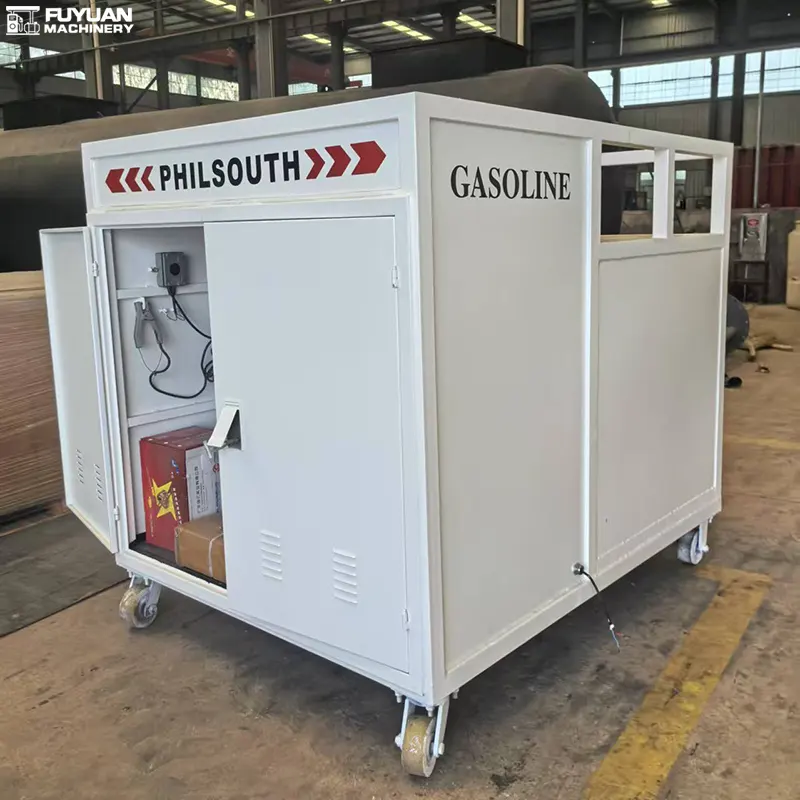
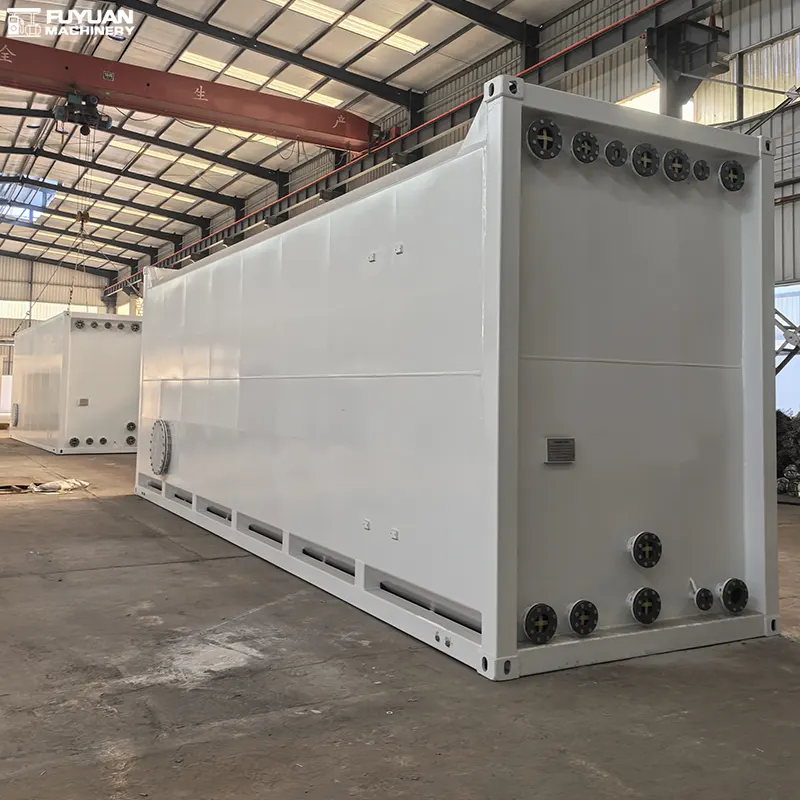

Leading Chinese Manufacturer & Exporter of mobile fuel stations and skid-mounted fuel stations.