
- Home
- Company
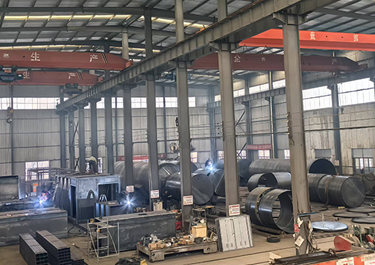 Our FactoryWe have a team of over 30 talented mobile fuel station R&D experts, as well as a 50,000-square-meter advanced modern intelligent manufacturing plant.
 - Mobile Fuel Station
- Storage Tank
- Blog
- Contacts
- Description
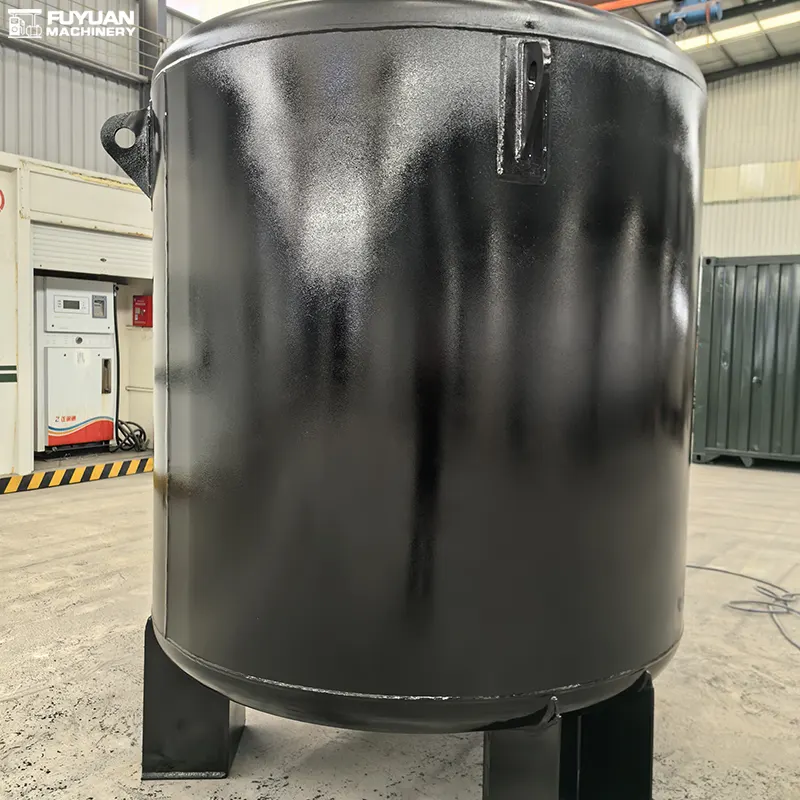
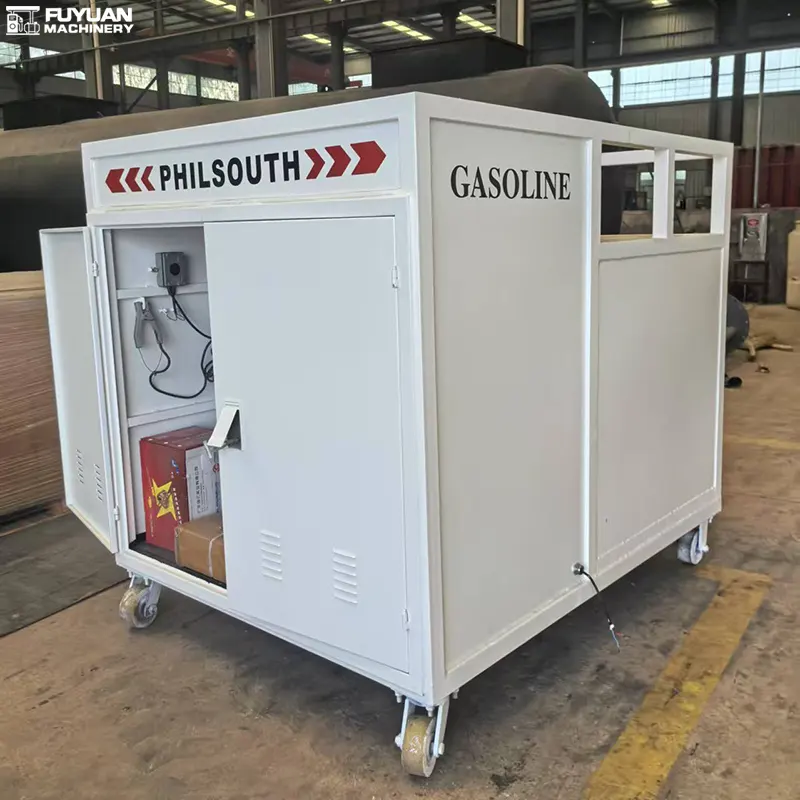
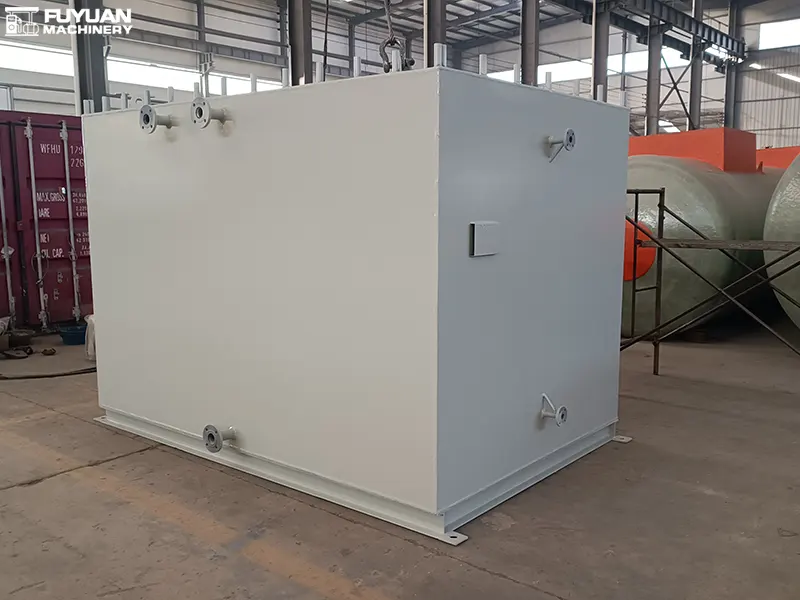
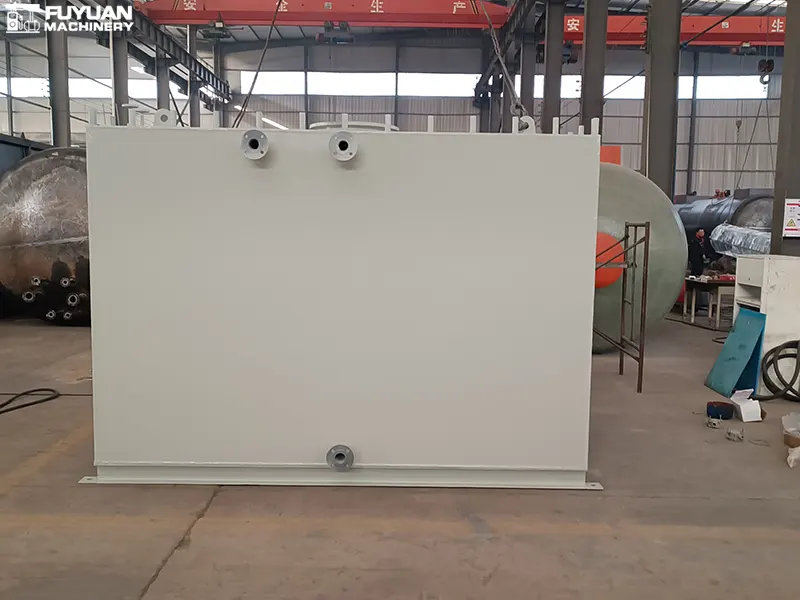
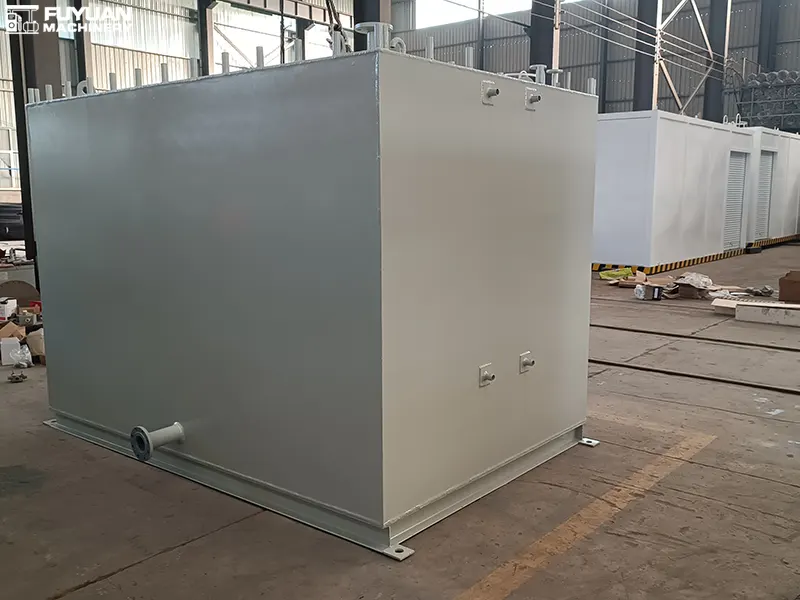
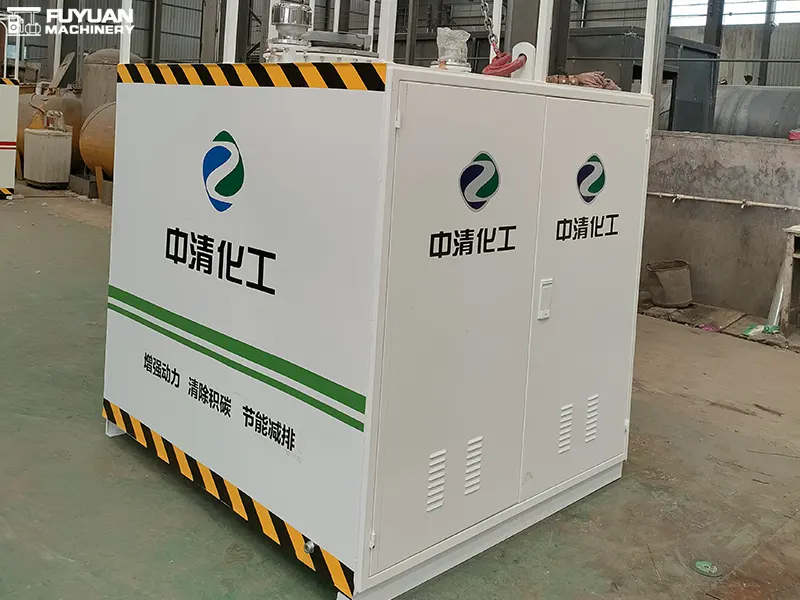
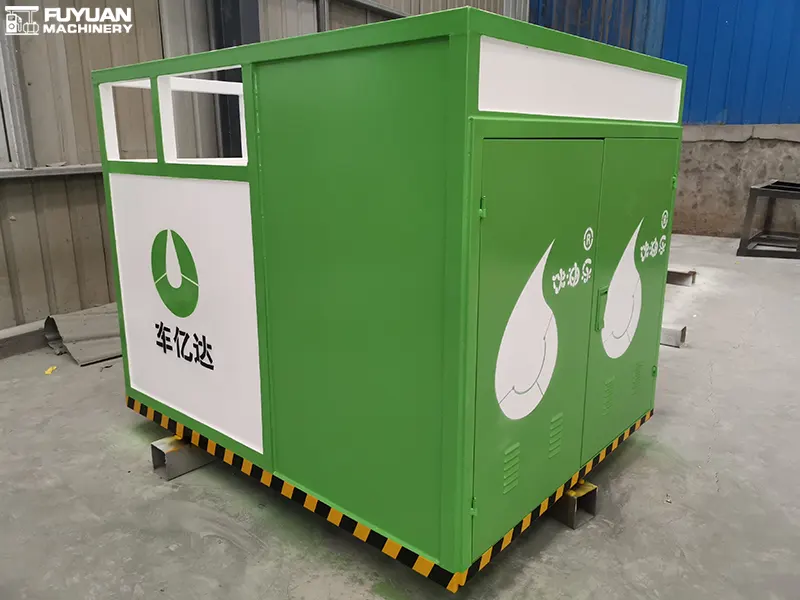
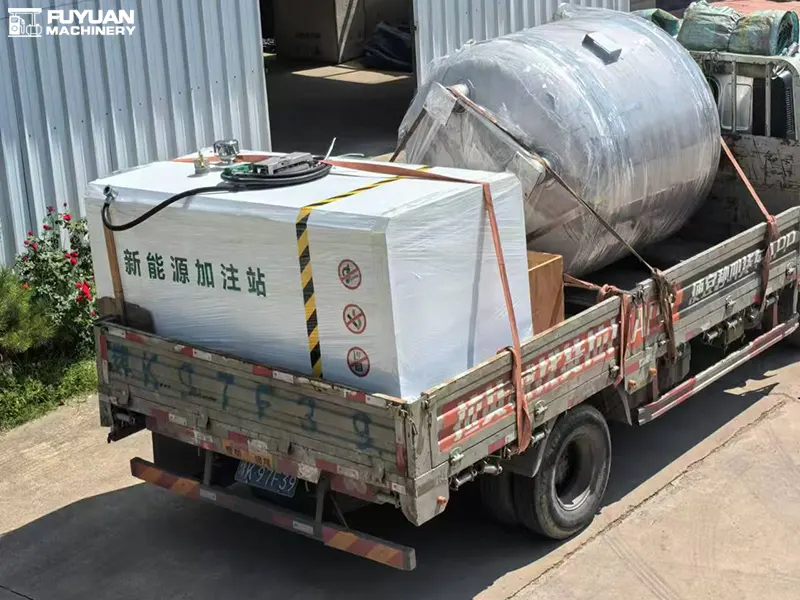
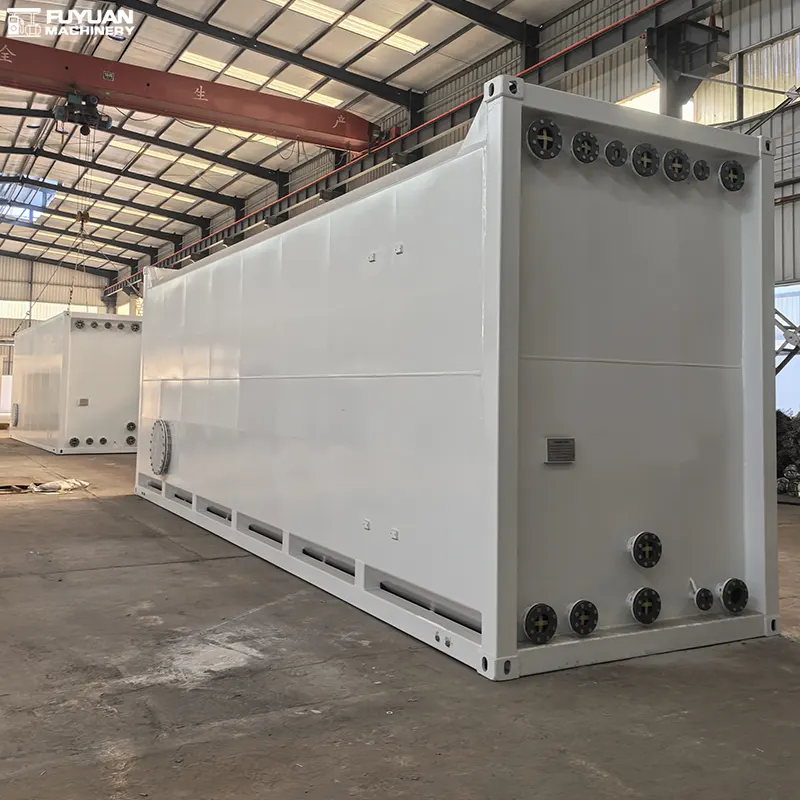
Square oil tanks are oil storage containers with a square cross-section. Their core advantages are high space utilization, stackability, and ease of arrangement, making them ideal for small to medium capacity applications in space-constrained scenarios. The following details their basic features, common parameters, and application areas.
Basic Introduction
1. Definition and Structure
- Square oil tanks (including rectangular ones) are asymmetrical geometric oil storage containers. The main body is a rectangular/square cavity, with rounded corners to reduce stress concentration.
- Mainstream structures: Single-wall (conventional), double-wall (with leak monitoring, environmentally friendly and safe); internal reinforcing ribs/surge baffles enhance rigidity and suppress liquid sloshing.
- Materials: Carbon steel (Q235, 16MnR) is the most common; stainless steel (304/316) is used for food oils and chemical oils; polyethylene/fiberglass is used for small-scale, corrosion-resistant applications.
- Classification: Based on pressure, tanks are classified as atmospheric pressure tanks (≤0.1MPa) and low-pressure tanks (0.1–1.6MPa); based on application, they are classified as stationary tanks, mobile tanks, and skid-mounted tanks.
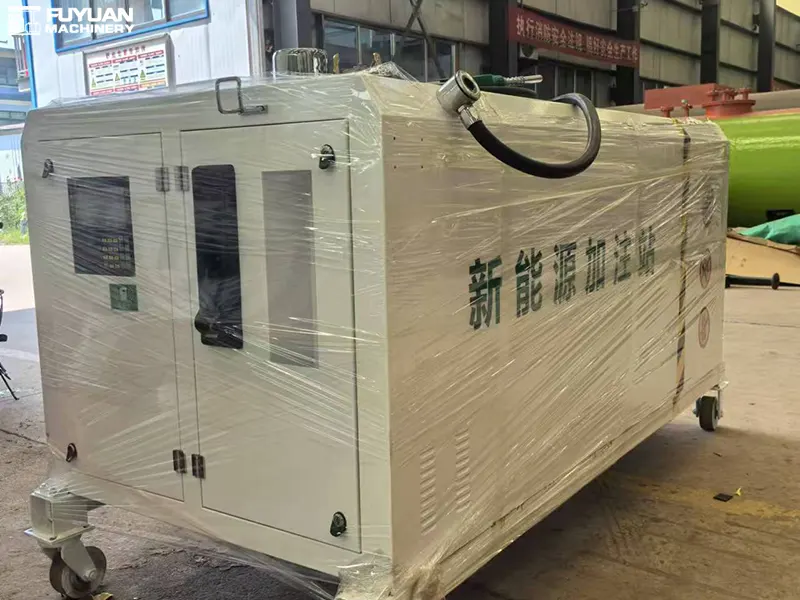
2. Core Features
- Space Efficiency: Saves 18%–22% of floor space compared to round tanks of the same volume; stackable (3 layers empty, 2 layers full).
- Flexible Layout: Suitable for narrow spaces, indoor environments, containerized applications, and underground spaces.
- Easy Mobility: Equipped with forklift slots/lifting lugs for easy transport and rapid on-site deployment.
- Convenient Maintenance: Flat walls are easy to clean, inspect, label, and manage.
- Limitations: Pressure resistance and explosion resistance are weaker than round tanks; less commonly used in large-scale high-pressure/ultra-large oil storage scenarios.
Common Technical Parameters
1. Volume and Dimensions (Typical Specifications)
| Volume | External Dimensions (Length × Width × Height, mm) | Remarks |
| 500L | 1200×950×1200 | Commonly Used in Workshops/Construction Sites |
| 1m³ | 1500×1000×1500 | Standard Modular |
| 5m³ | 2500×2000×2000 | Medium Fixed Tank |
| 10m³ | 3500×2500×2200 | Commonly Used for Skid-Mounted Installation |
| 20m³ | 4500×3000×2500 | Maximum Size of Large Square Tank |
2. Material and Wall Thickness
- Carbon steel: Q235B, 16MnR, wall thickness 4–12mm (increasing with volume/pressure).
- Stainless steel: 304/316L, wall thickness 3–8mm, for food/chemical oils.
- Plastic/fiberglass: wall thickness 5–15mm, for small, corrosion-resistant applications.
3. Design and Safety Parameters
- Design pressure: Primarily atmospheric pressure (0MPa); low-pressure tanks 0.1–0.6MPa.
- Design temperature: -20℃~60℃ (customizable for special conditions).
- Welds: Full penetration weld, non-destructive testing (UT/MT) according to GB 50341–2023.
- Accessories: Manhole, feed inlet, oil outlet, drain outlet, breather valve, level gauge, thermometer, anti-static grounding.
- Standards: Complies with GB 50341, UL-142, GB/T 17343, etc.
Application Areas
1. Industry and Manufacturing
- Machinery/Equipment Lubrication: Centralized storage and supply of workshop lubricating oil, hydraulic oil, and cutting fluid.
- Production Fuel: Factory-owned diesel and heavy oil storage tanks for boiler and generator fuel supply.
- Chemical Intermediates: Storage of non-corrosive, low-pressure chemical oils/solvents.
2. Construction and Engineering
- Temporary Fuel Supply at Construction Sites: Fuel replenishment for construction equipment such as excavators, loaders, and road rollers.
- Emergency Power Supply: Backup generator fuel tanks for data centers, hospitals, and communication base stations.
- Underground/Indoor Fuel Storage: Fuel storage in confined urban spaces, basements, and factories.
3. Transportation and Logistics
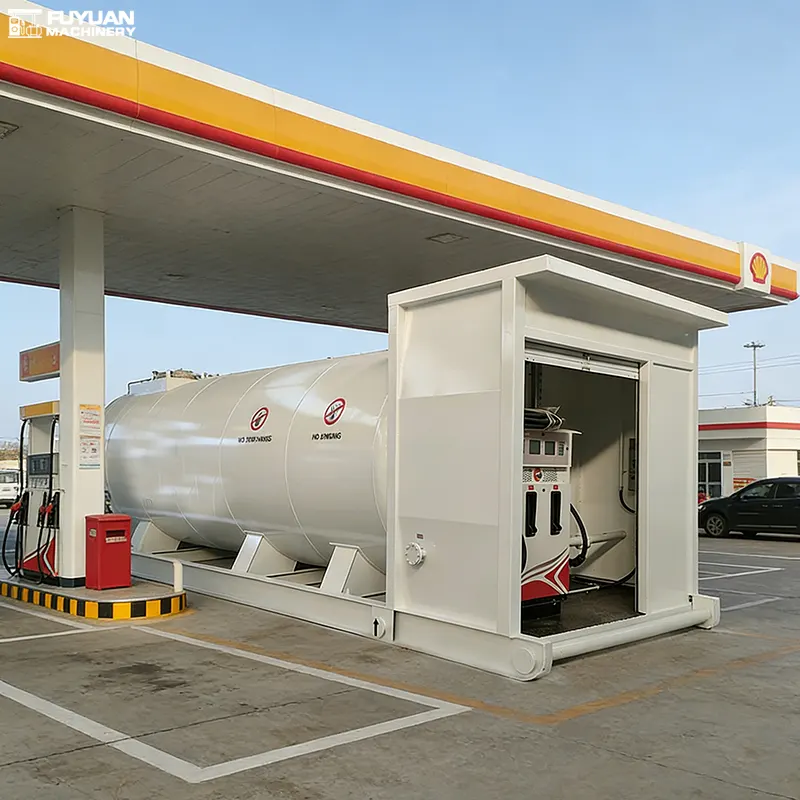
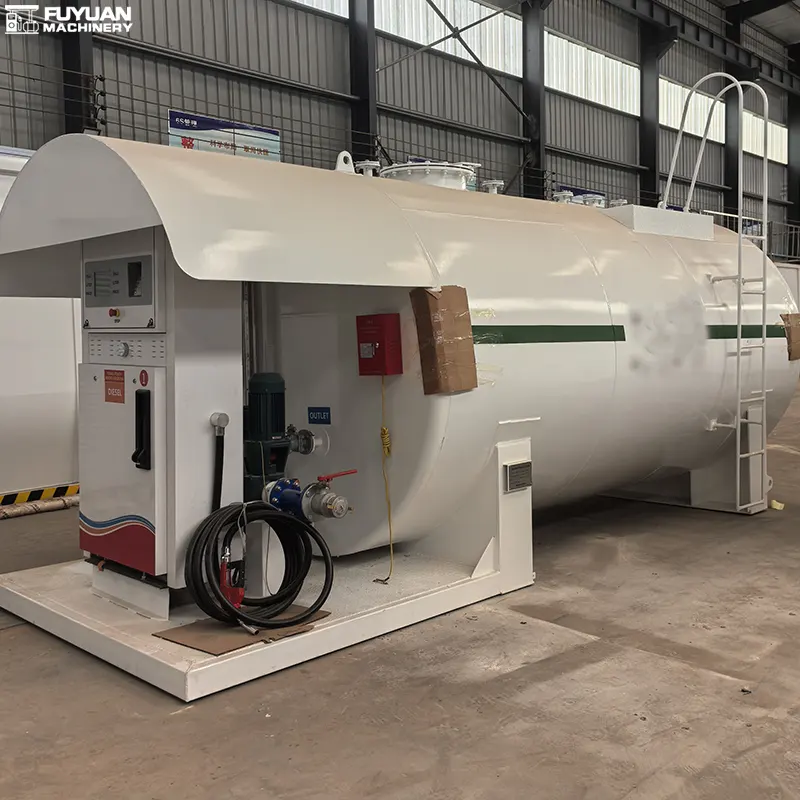
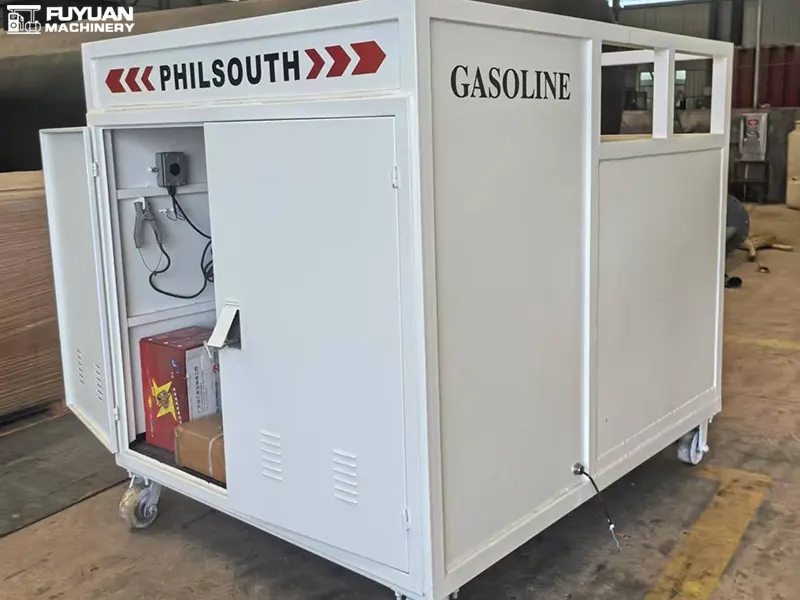
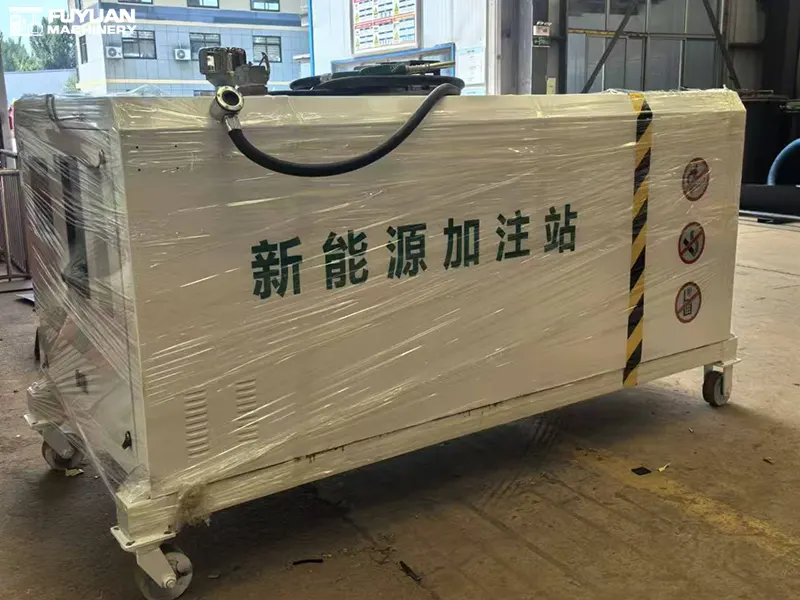
- Skid-Mounted Fuel Stations: Small integrated fuel stations for mining areas, ports, logistics parks, and fleets.
- Vehicle/Marine Auxiliary Fuel Tanks: Additional fuel tanks for trucks, construction machinery, and ships.
- Containerized Storage and Transportation: Adaptable to standard containers for modular transportation of oil products.
4. Agriculture and Food
- Agricultural Machinery Fuel Supply: Fuel storage for tractors, harvesters, and irrigation equipment.
- Edible Oil Processing: Sedimentation/transfer storage tanks (stainless steel) for edible oil, palm oil, and rapeseed oil.
5. Other Scenarios
- Mining/Oil Fields: Temporary oil storage in remote mining areas and field drilling.
- Environmental Protection and Emergency: Double-walled leak-proof tanks for temporary storage of hazardous waste oil and contaminated oil products.
- Small Businesses: Self-use oil storage for auto repair shops, gas station facilities, and small logistics companies.
Usage Precautions
1. Installation and Placement:
- The foundation must be flat and firm. The ground must be hardened and have sufficient load-bearing capacity. Do not place it on soft soil, slopes, or in pits to prevent the tank from tilting, deforming, or leaking.
- Keep away from fire and heat sources. Keep at least 10 meters away from open flames, high-temperature equipment, boiler rooms, and smoking areas. Prolonged exposure to direct sunlight and high temperatures is strictly prohibited.
- Ensure proper anti-static and grounding. The tank must be equipped with an anti-static grounding device with adequate grounding resistance to prevent static electricity-induced fires and explosions.
- Allow sufficient maintenance space. Leave at least 0.8m of operating space around the tank for easy inspection, valve operation, and parts replacement.
2. Filling and Use:
- Overloading is strictly prohibited. Square tanks have lower pressure resistance and deformation resistance than round tanks; fill to no more than 85% of capacity, leaving room for expansion.
- Control the flow rate to prevent splashing. When refueling, insert the nozzle below the liquid surface to avoid high-speed impact that generates large amounts of static electricity and oil vapor evaporation.
- Mixing different types of oil is prohibited. Diesel, gasoline, engine oil, hydraulic oil, and chemical liquids must not be mixed or used together to prevent reactions, deterioration, and hazards.
- Smoking and open flames are strictly prohibited during operations, especially during filling, sampling, and maintenance. Do not use mobile phones, do not wear synthetic fiber clothing, and use explosion-proof tools when necessary.
3. Daily Inspection and Maintenance:
- Check for leaks three times a day, welds, flanges, valves, and joints for oil leaks. Check for deformation: bulges, dents, and twisting of the tank wall. Check accessories: breather valve, level gauge, oil pipes, and grounding for integrity.
- Keep clean, do not pile debris, garbage, or flammable materials on or around the tank. Clean up oil stains promptly.
- Perform regular corrosion prevention, regularly remove rust and paint carbon steel tanks to prevent rust, perforation, and leakage.
- Do not exceed liquid level and temperature limits, do not store at high temperatures for extended periods; reduce filling volume appropriately during hot weather.
4. Safety and Emergency Response
- Fire-fighting equipment must be provided, including dry powder fire extinguishers, fire blankets, and sand, placed in easily accessible locations, and regularly checked for effectiveness.
- Leak prevention measures. It is recommended to construct overflow dikes/oil collection pans to prevent leakage from spreading and contaminating soil and water sources.
- Immediately stop use if any abnormality occurs. If any of the following conditions occur, immediately stop use, disconnect the oil supply, and evacuate personnel: oil leak, strong odor, obvious tank deformation, abnormal noise, abnormal static electricity, or risk of sparks.
- Welding under pressure or with oil is strictly prohibited. Never use open flames if the tank has not been cleaned, purged, or passed inspection.
5. Transportation and Movement:
- Before moving, empty or lower the liquid level to prevent damage from shaking and impact.
- When using a forklift/crane, only lift from the lifting lugs or forklift positions; never lift directly from weak points on the tank.
- Secure the tank securely during transportation to avoid collisions and tipping.
6. Personnel Requirements:
- Operators must be trained and understand the characteristics of the oil, fire prevention, explosion prevention, and emergency response.
- Non-professionals are prohibited from operating valves or disassembling the tank.
Square vs. Round Oil Tanks (Selection Reference)
| Comparison Items | Square Oil Tanks | Round Oil Tanks |
| Space Utilization | High (Stackable, Saves Space) | Low (Difficult to Stack, Large Footprint) |
| Pressure Capacity | Weak (Mostly Used for Atmospheric/Low Pressure) | Strong (Suitable for High Pressure/Large Storage Tanks) |
| Mobility | Good (Forklift Access, Easy to Move) | Average (Mostly Fixed Installation) |
| Applicable Volume | Small–Medium (≤20m³) | Small–Extra Large (≥1000m³) |
| Cost | Small and Medium Capacities Offer High Cost-Effectiveness | Large Capacities Offer Lower Cost |
| Typical Scenarios | Construction Sites, Workshops, Skid-Mounted Installations, Emergency | Oil Depots, Refineries, Large Oil Storage Bases |

Leading Chinese Manufacturer & Exporter of mobile fuel stations and skid-mounted fuel stations.




Mobile Fuel Station
Storage Tank
Tai'an Fuyuan Machinery Equipment Co., Ltd. All Right Reserved