
- Home
- Company
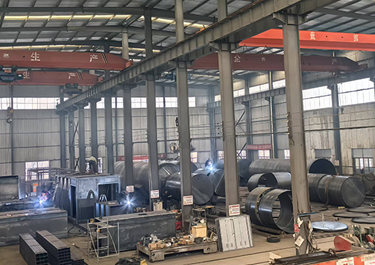 Our FactoryWe have a team of over 30 talented mobile fuel station R&D experts, as well as a 50,000-square-meter advanced modern intelligent manufacturing plant.
 - Mobile Fuel Station
- Storage Tank
- Blog
- Contacts
- Description
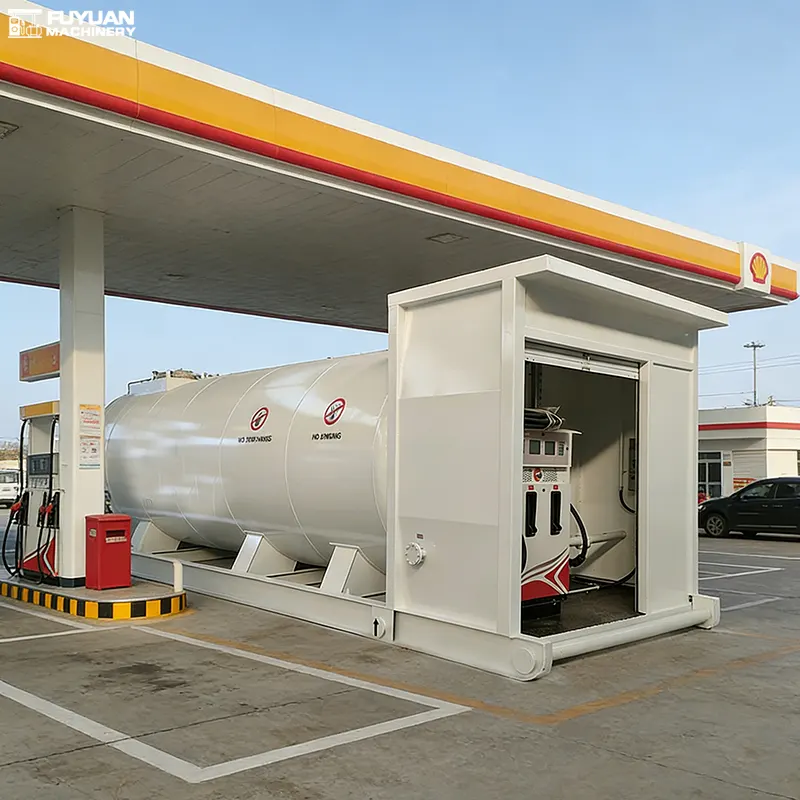
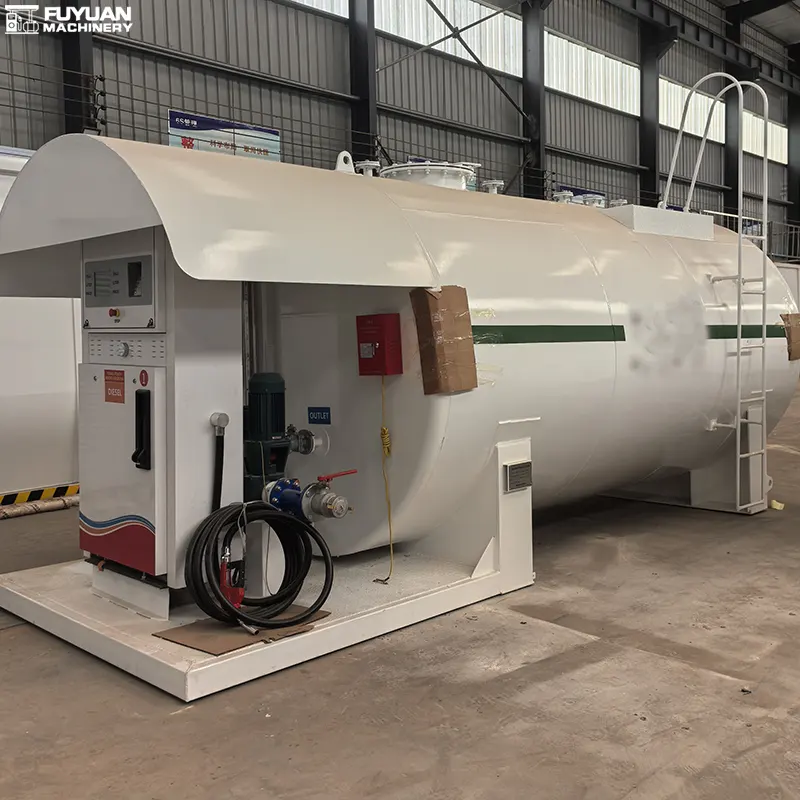
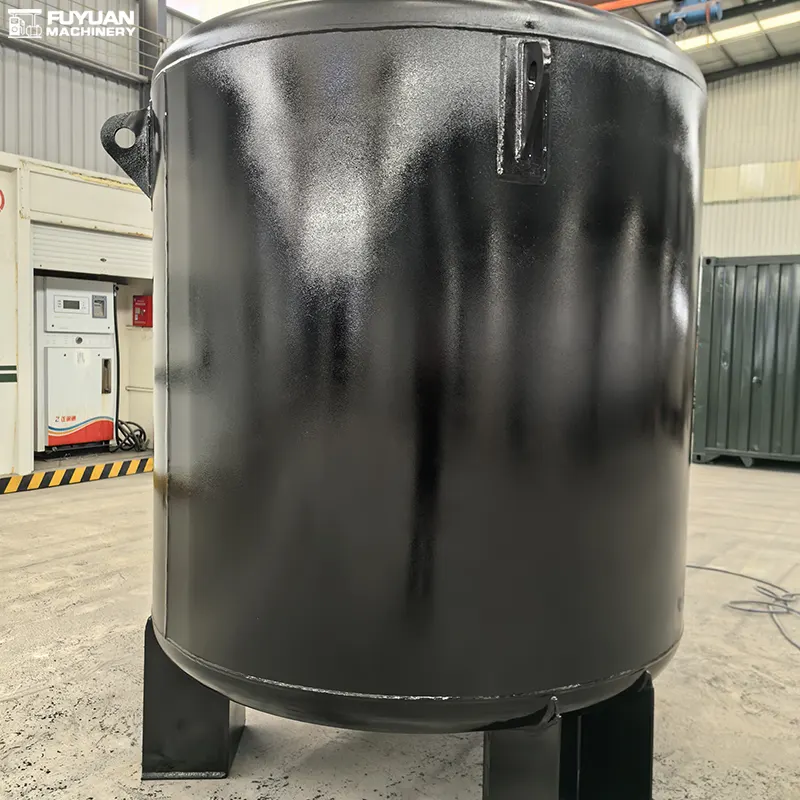
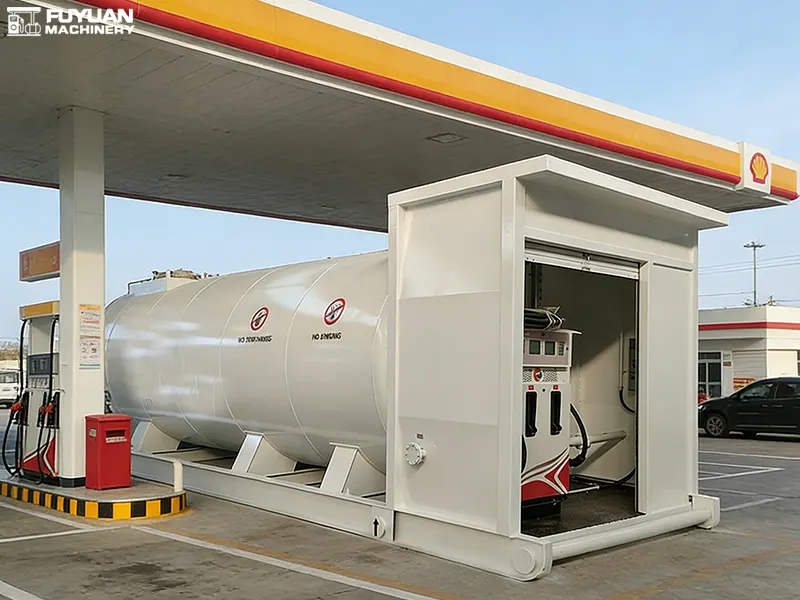
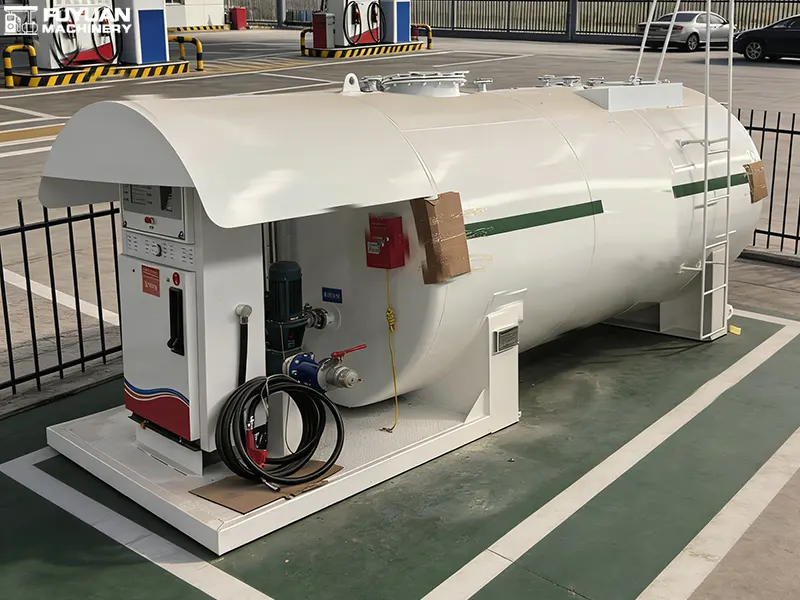
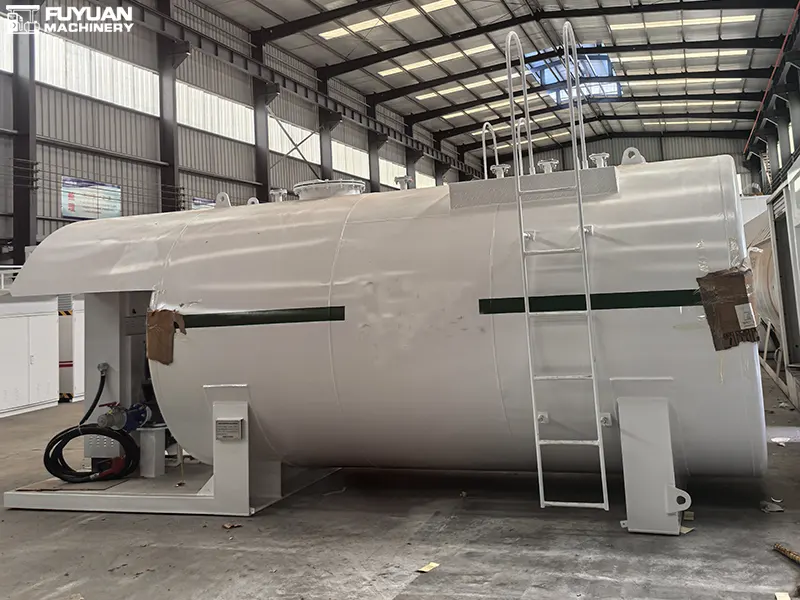
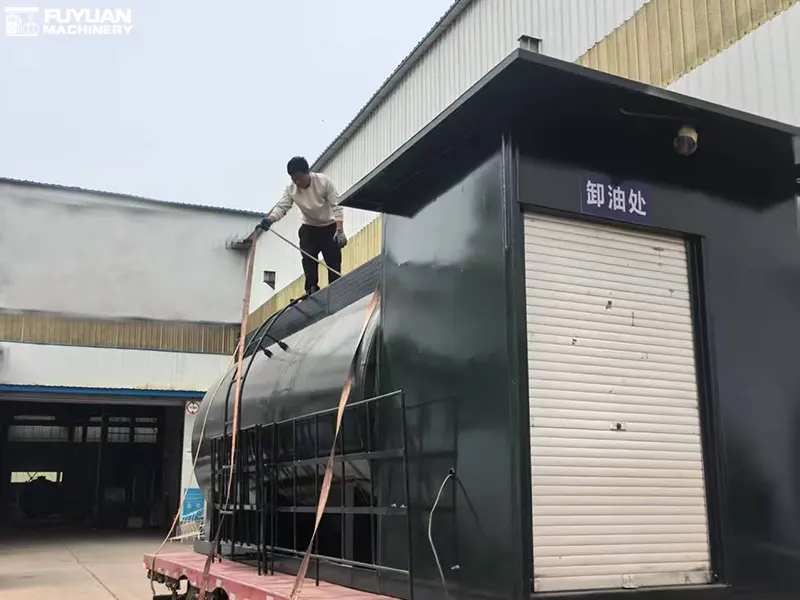
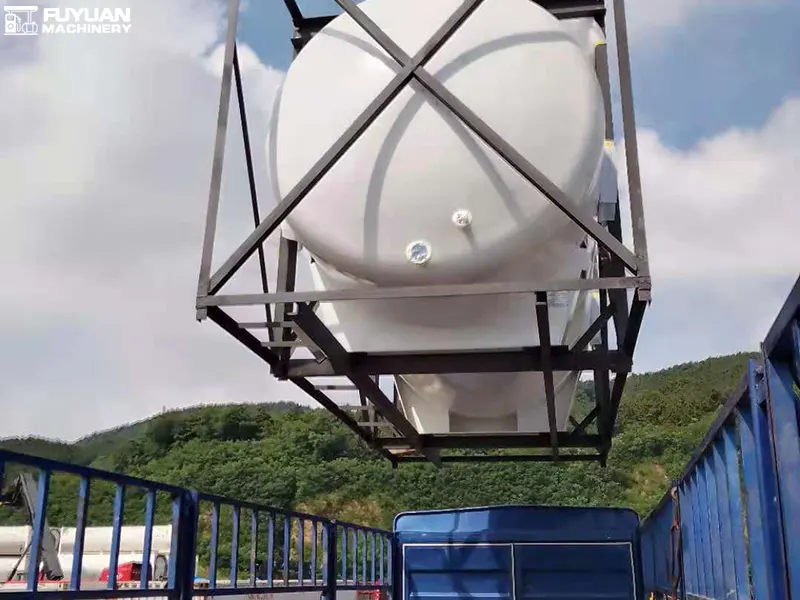
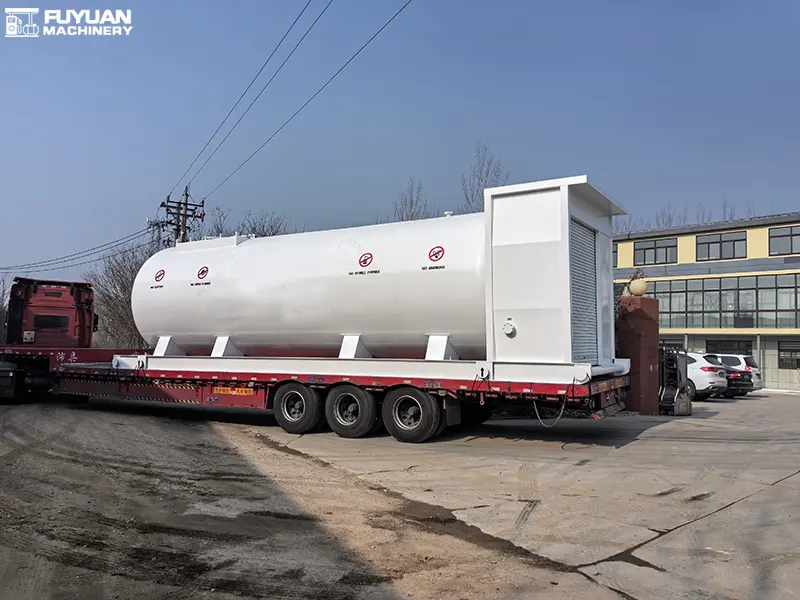
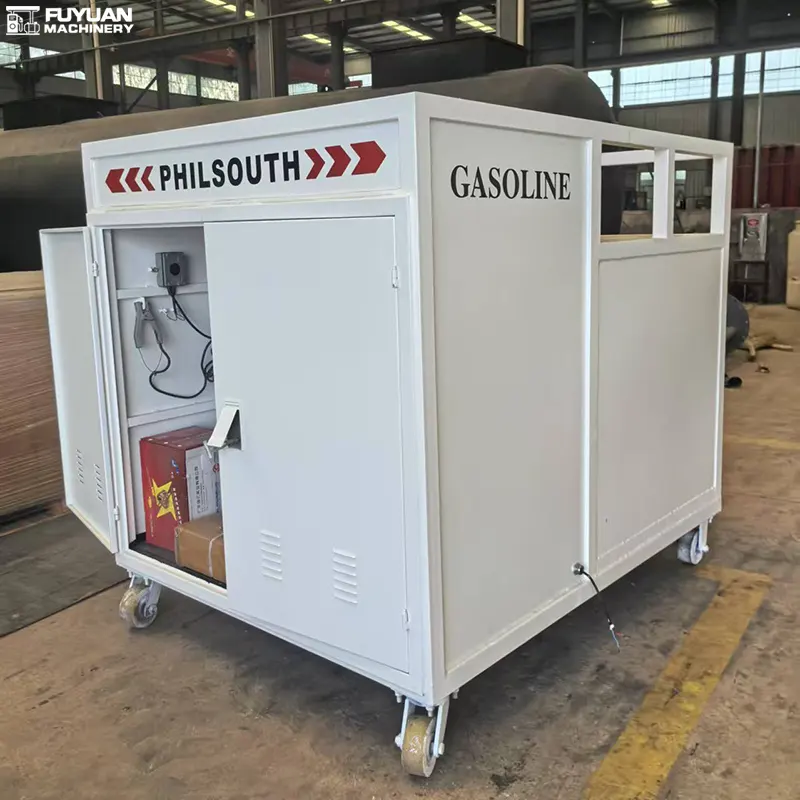
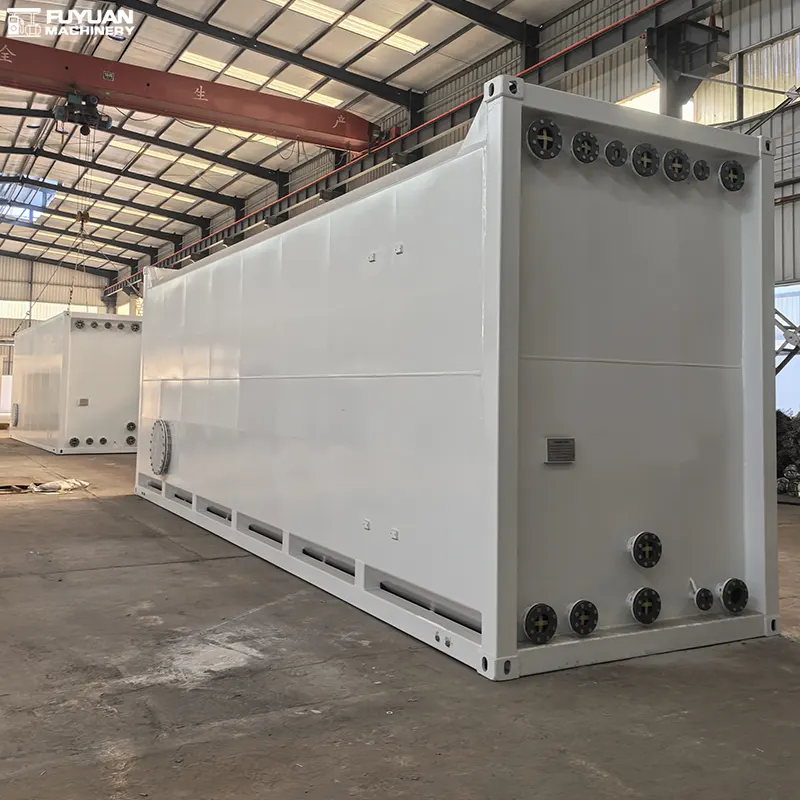
A skid-mounted fuel station, also known as an explosion-proof skid-mounted fuel station, can be thought of as a "container-style fuel station" that highly integrates the functions of a traditional fuel station—oil storage, refueling, and safety—on a single steel base (the "skid"). Its core feature is its relocation capability; it can be lifted and transported to a new location using large vehicles with minimal damage.
1. Core Working Principle
The biggest secret of a skid-mounted fuel station lies in its explosion-proof technology. Inside the seemingly ordinary oil storage tank, a special aluminum alloy mesh-like explosion-proof material is filled. This material divides the tank's interior into countless honeycomb-like micro-compartments.
Its explosion-proof principle is that when exposed to open flames, static electricity, impacts, or even gunfire, this mesh structure rapidly absorbs most of the heat generated by combustion, preventing the spread of flames and effectively eliminating static electricity, thus preventing an explosion. This ensures the entire system maintains a high level of safety even in extreme emergencies.
2. Core Structure and Components
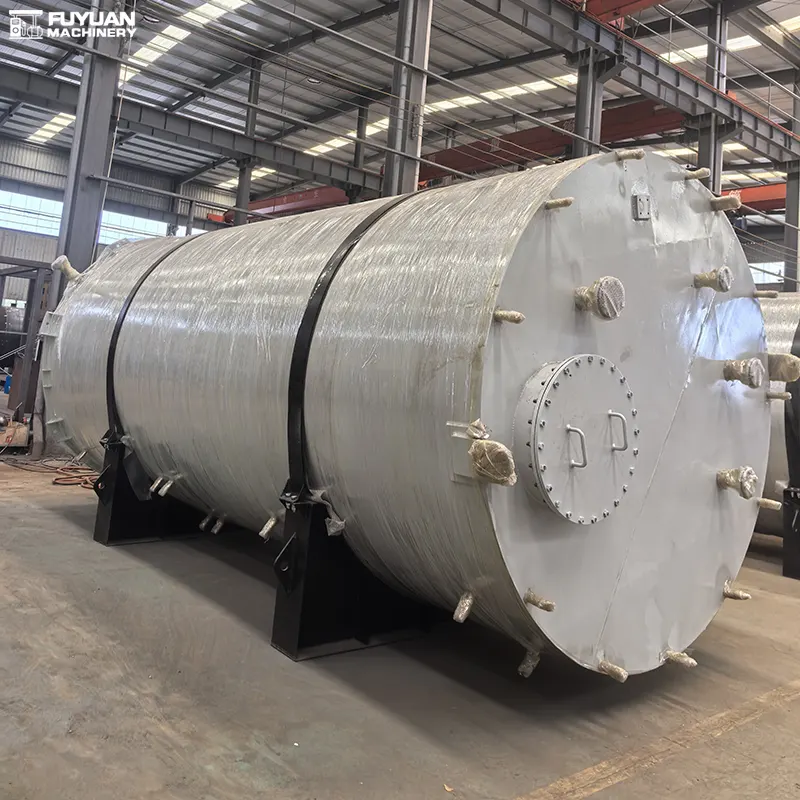
- 2.1. Double-layer explosion-proof storage tank: Inner layer is made of special steel such as Q345R, outer layer is made of protective steel/FRP; the interlayer has leakage monitoring (accuracy ≤0.1L/h); the tank is filled with aluminum alloy mesh explosion-proof material, which can withstand gunshots/fire without exploding; common single tank volume is 5-20m³, total volume is limited by region (city center ≤10m³, built-up area ≤20m³, other areas ≤40m³, diesel is calculated at half the volume).
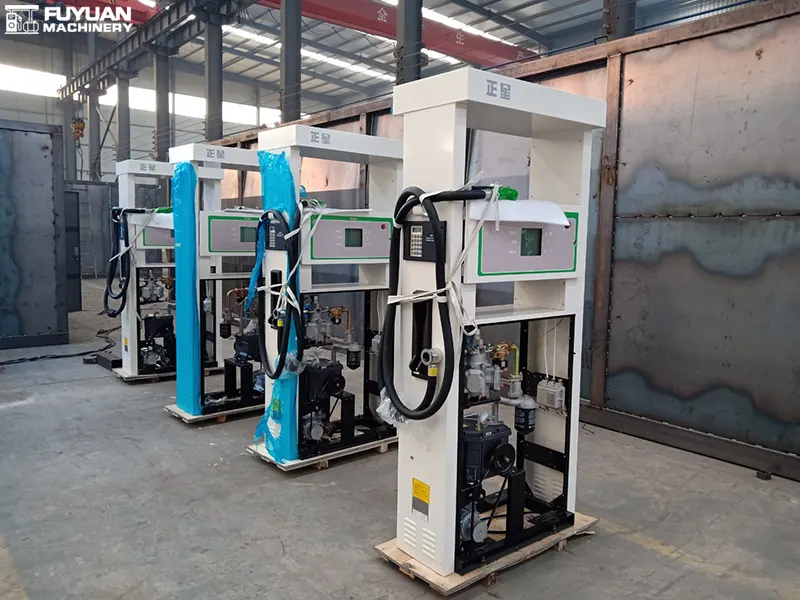
- 2.2. Fuel dispenser unit: Multi-nozzle configuration, with metering, IC card/QR code payment, flow monitoring; gasoline must be equipped with secondary vapor recovery.
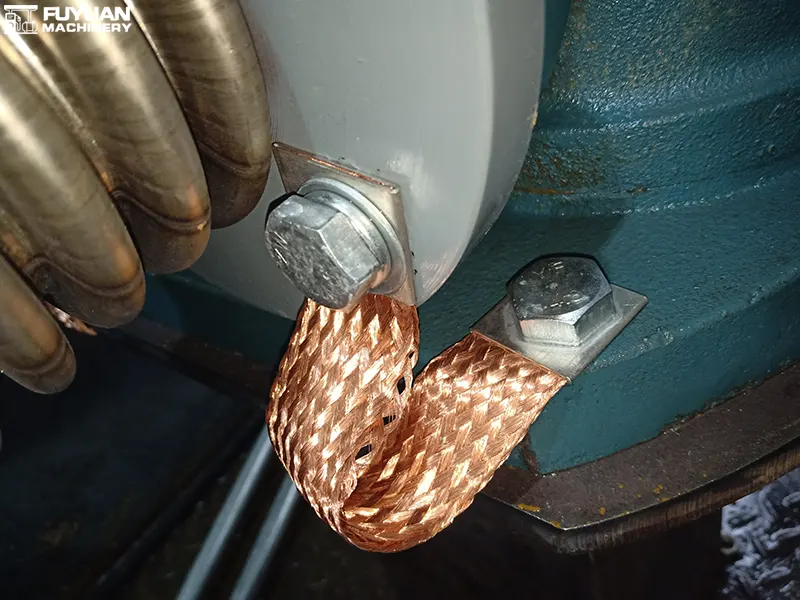
- 2.3. Safety system: Automatic foam/dry powder fire extinguishing (response ≤30s), emergency shut-off valve, lightning protection and anti-static, oil overflow alarm, high and low liquid level interlock.
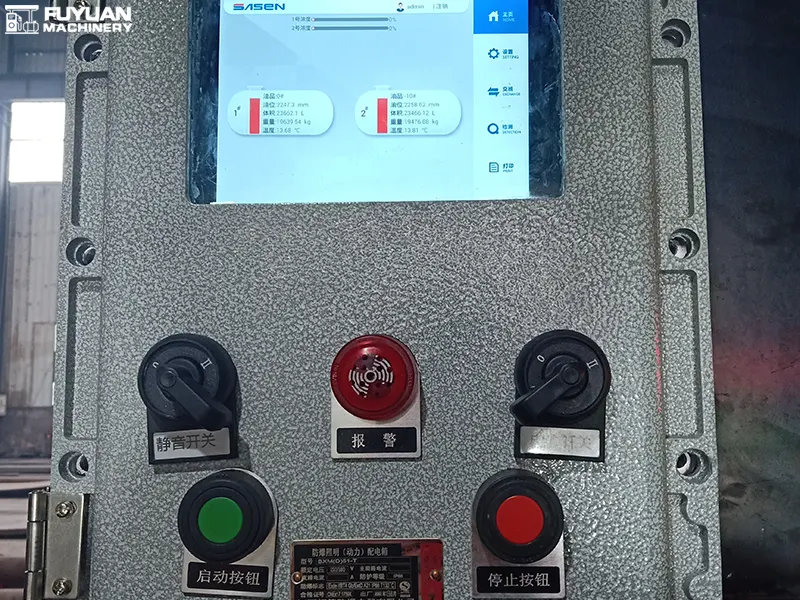
- 2.4. Intelligent monitoring: Remote liquid level/pressure/temperature monitoring, equipment operation data, automatic alarm for abnormalities, report statistics.
- 2.5. Skid and Piping: Integrated steel structure chassis, explosion-proof and sealed piping, quick couplings for easy transportation and installation.
3. Standard Specifications and Technical Parameters
| Item | Common Parameters | Remarks |
| Total Volume | 10/20/30/40m³ | Strictly limited by site selection zoning, SH/T3134-2023 |
| Fuel Type | Gasoline 92/95/98, Diesel 0/-10 | Mixing is strictly prohibited; gasoline requires vapor recovery |
| Number of Fuel Nozzles | 2-4 nozzles | Multiple nozzles can be customized to meet the needs of multiple vehicles refueling simultaneously |
| Installation Period | 15-30 days | Factory prefabrication, on-site only foundation + piping + commissioning |
| Land Area | Approximately 30-80㎡ | Much smaller than traditional fuel stations (traditional ≥500㎡) |
| Explosion-proof Rating | Ex d IIB T4 | Complies with GB3836 series explosion-proof standards |
4. Process Flow
- 1. Factory Prefabrication: Tank welding → Explosion-proof material filling → Double-layer leak detection → Fuel dispenser, safety system, electrical integration → Overall pressure testing/lightning protection/explosion-proof testing.
- 2. On-site Deployment: Site hardening/foundation pouring → Overall hoisting and positioning → Grounding, pipeline connection, electrical access → Fire protection acceptance, lightning protection testing.
- 3. Operation Flow: Oil unloading → Tank storage (explosion-proof + monitoring) → Fueling (submersible pump/self-priming pump supply, metering + oil and gas recovery) → Real-time recording by monitoring system; automatic oil circuit cut-off + alarm in case of abnormality.
5. Advantages and Limitations
- 1. Advantages: Short construction period (commissioned within 30 days, traditional 6-8 months); low investment (approximately 1/3-1/5 of traditional); can be relocated as a whole, maintaining value; safe and environmentally friendly, relatively simplified approval (some procedures exempted for internal use).
- 2. Limitations: Cannot be operated externally at will (requires both refined oil retail license and hazardous chemical operation license); limited capacity; requires regular maintenance (tank inspection, explosion-proof material inspection, oil and gas recovery testing); requires safe distance from the site selection.
6. Compliance Requirements and Approval Points
- 6.1. Qualifications: Manufacturers must have inspection reports for explosion-proof barriers; installation requires corresponding qualifications; internal use requires reporting to emergency management, fire protection, and housing and construction departments, and obtaining acceptance documents; external use requires obtaining complete refined oil retail, hazardous chemical operation, and business licenses.
- 6.2. Distance: ≥25-50m from open flames/important public buildings, controlled according to total volume.
- 6.3. Annual Inspection: Tank inspection, lightning protection and anti-static testing, oil and gas recovery testing, annual inspection of fire protection facilities.
7. Typical Application Scenarios
- Large logistics parks, port terminals, mining sites, and industrial park fleets.
- Large enterprise factory areas (such as car manufacturers, heavy industry enterprises), airport ground support vehicles.
- Emergency rescue and disaster relief, rapid fuel supply to temporary construction sites.
- Remote areas, islands, and other areas difficult to cover by fixed stations.
8. Maintenance Points
- 8.1. Daily: Daily checks of liquid level, leaks, emergency shut-off function, and fire extinguishers.
- 8.2. Periodic: Monthly checks of oil and gas recovery; quarterly lightning and static electricity protection tests; annual tank overhaul; maintenance and replacement of explosion-proof materials according to manufacturer's requirements.
- 8.3. Safety: Hot work is strictly prohibited around the unit; unloading must be grounded and allowed to stand still; personnel must be certified to work.
In general, skid-mounted fuel stations, with their advantages of safety, environmental friendliness, flexibility, and economy, have become an ideal fuel supply solution for many specific scenarios. However, it should be noted that, according to current regulations, skid-mounted fuel stations are currently mainly used for government-licensed enterprise self-use, temporary, or specific locations. Their construction and use must strictly comply with relevant industry technical specifications and pass strict acceptance by emergency, fire, and environmental protection departments. They are not regular retail fuel stations open to the public and cannot obtain a license for retail operation of refined oil products.

Leading Chinese Manufacturer & Exporter of mobile fuel stations and skid-mounted fuel stations.