
- Home
- Company
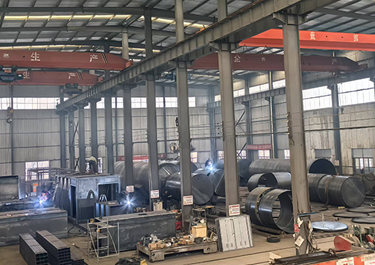 Our FactoryWe have a team of over 30 talented mobile fuel station R&D experts, as well as a 50,000-square-meter advanced modern intelligent manufacturing plant.
 - Mobile Fuel Station
- Storage Tank
- Blog
- Contacts
- Description
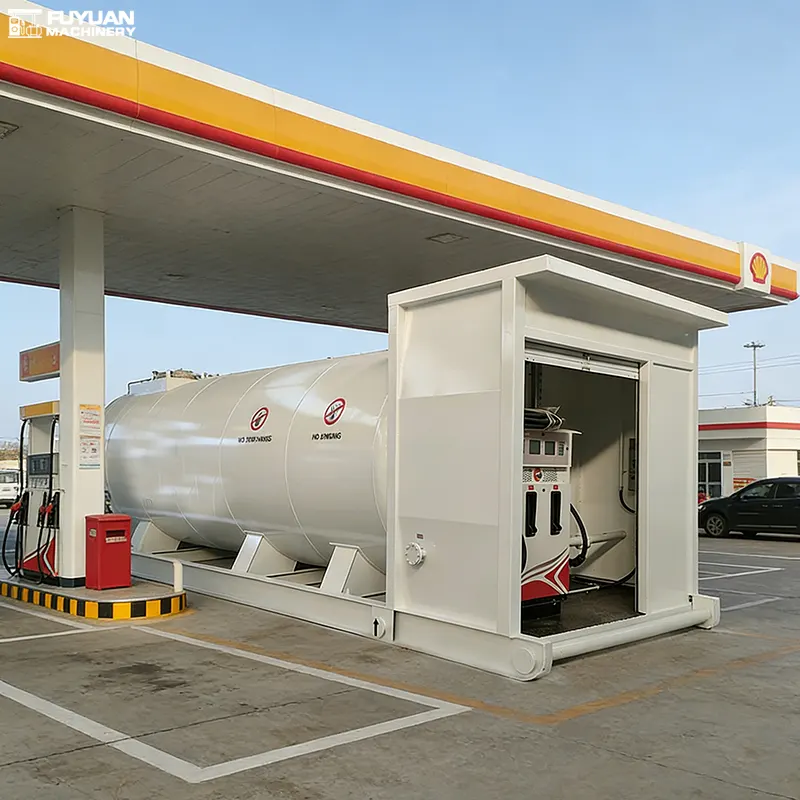
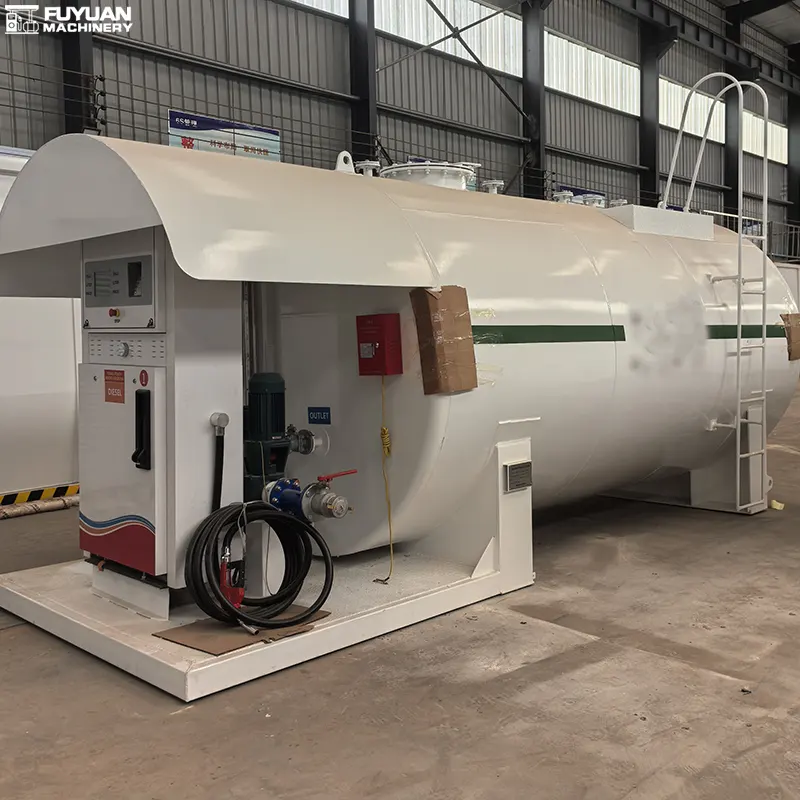
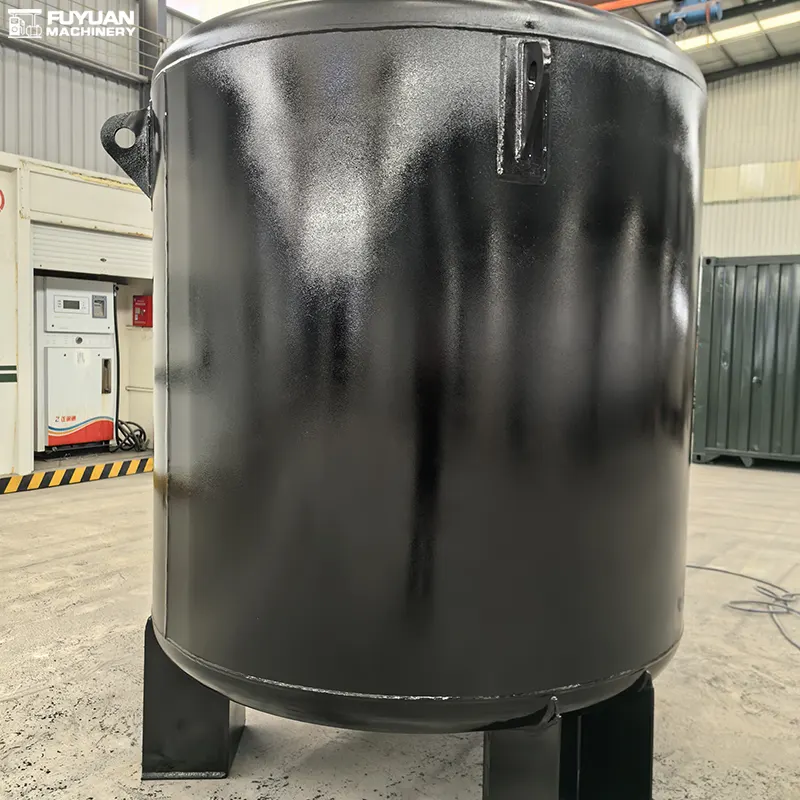
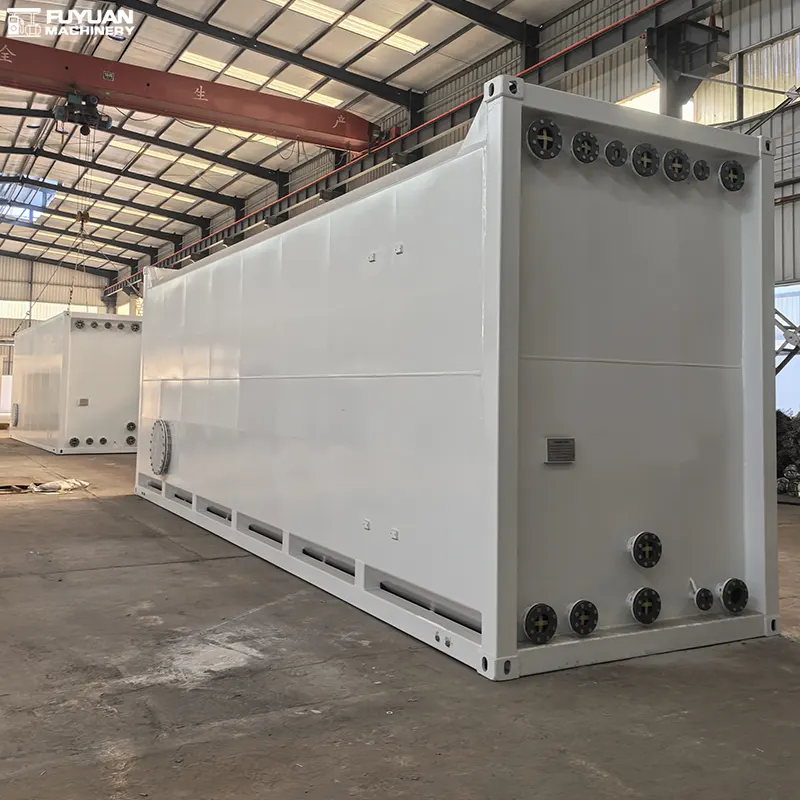
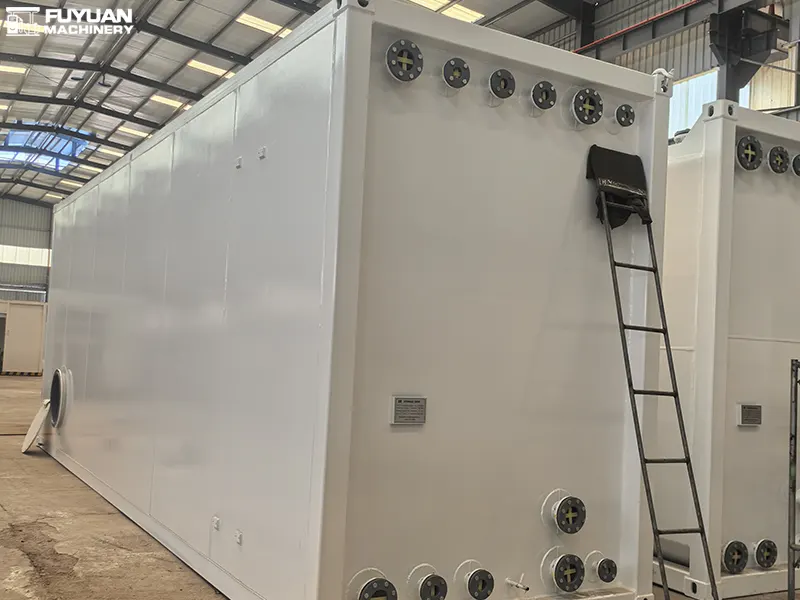
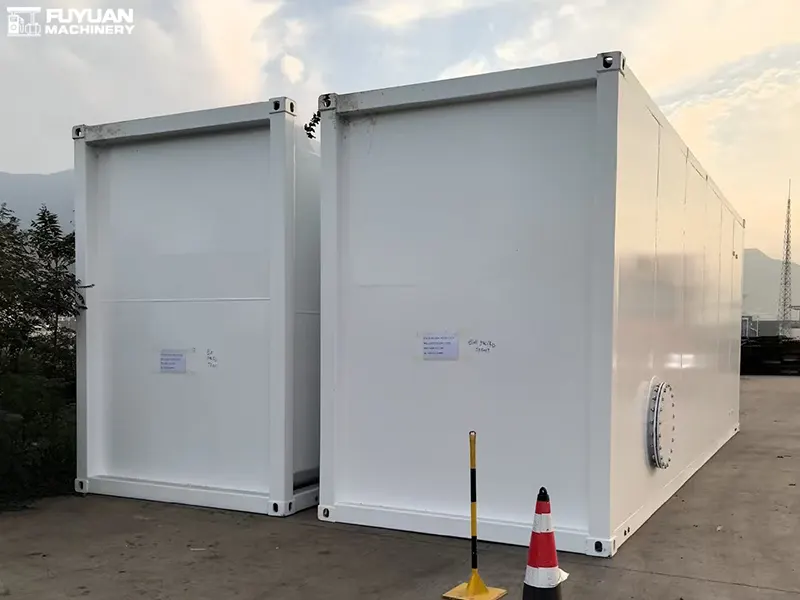
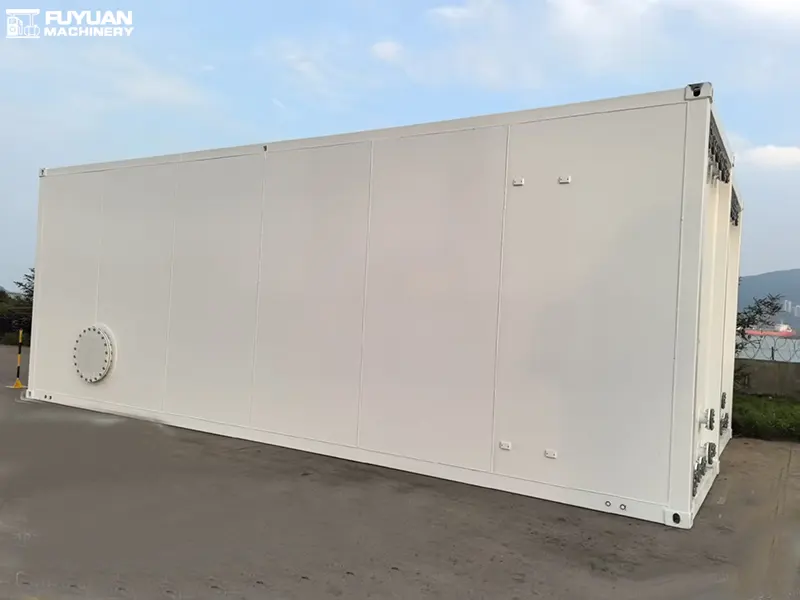
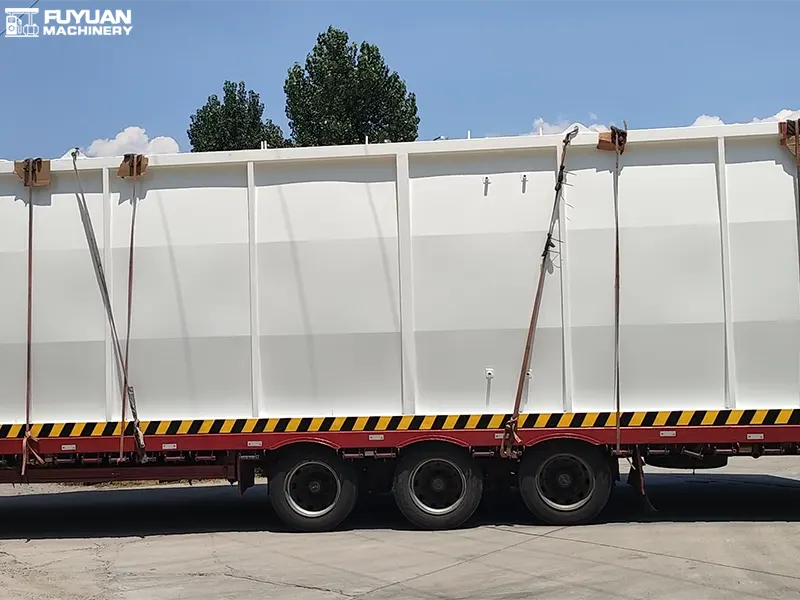
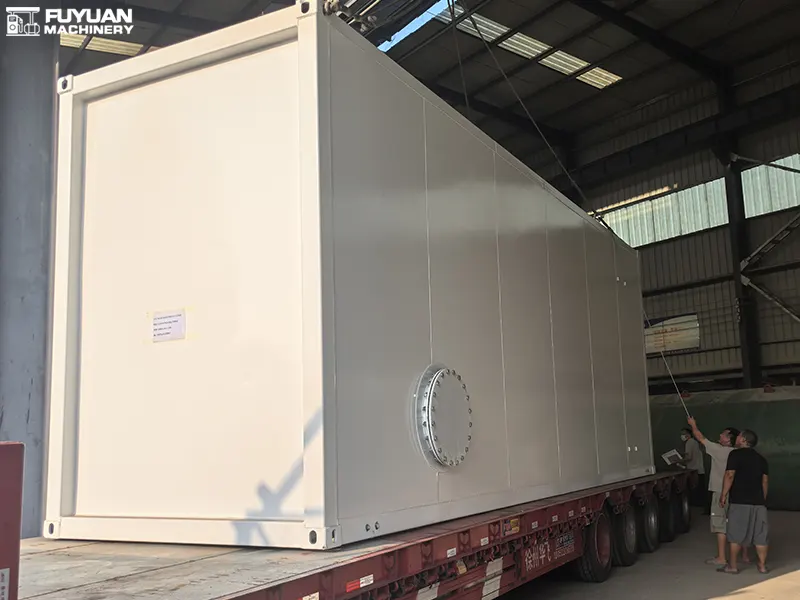
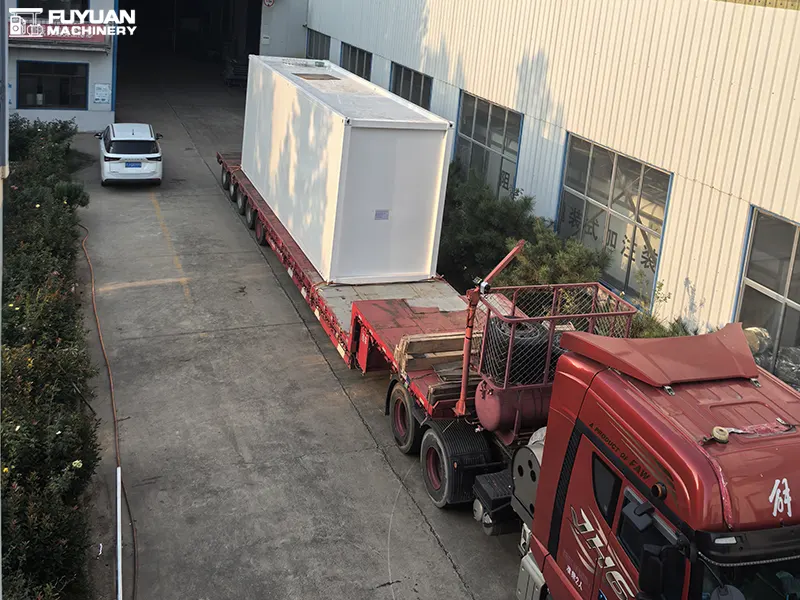
Containerized oil storage tanks are specialized equipment combining oil storage containers with standard container frames. They possess both oil storage capabilities and the ability to be easily transported by road, rail, or sea, just like ordinary containers. Furthermore, they are fireproof, explosion-proof, safe, environmentally friendly, space-saving, and easy to relocate. These products are widely used in public transportation stops, ports, docks, airports, large construction sites, and company gas stations.
1. Basic Definition and Structure
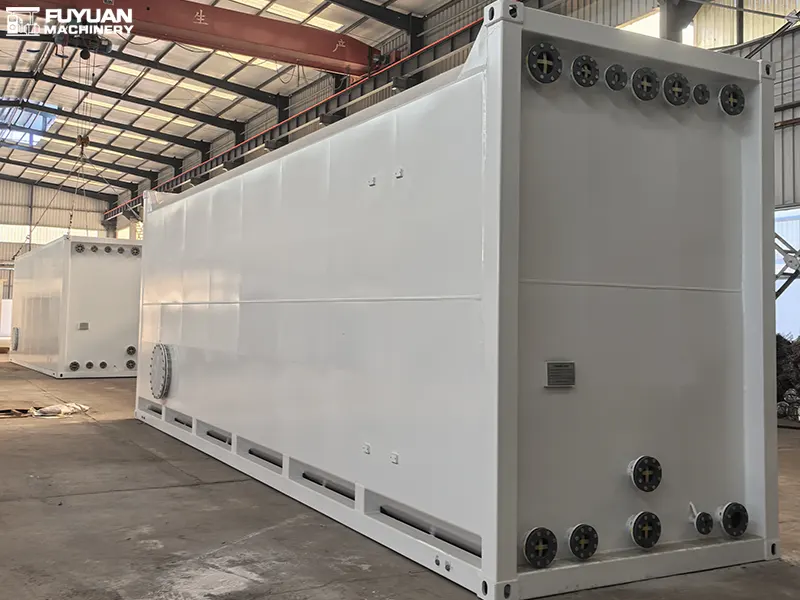
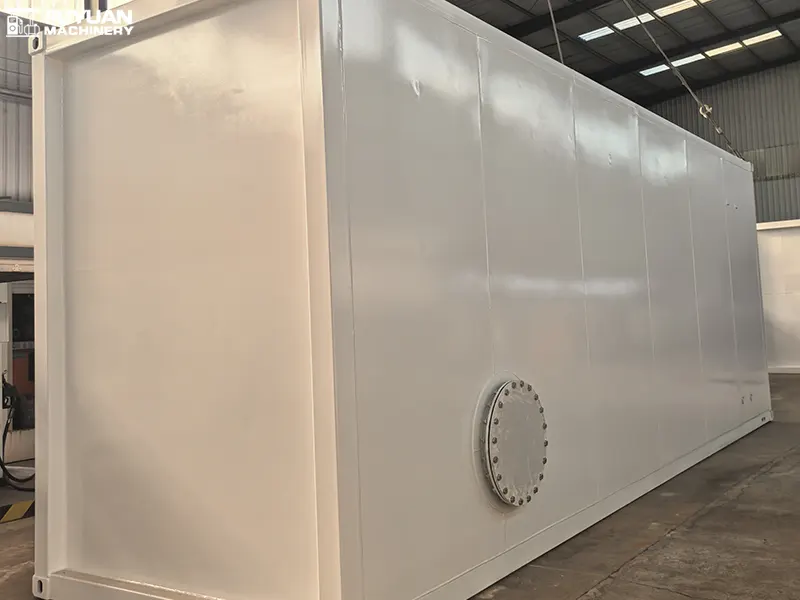
Containerized oil storage tanks, often referred to as ISO tank containers in the professional field, consist of two core structural parts:
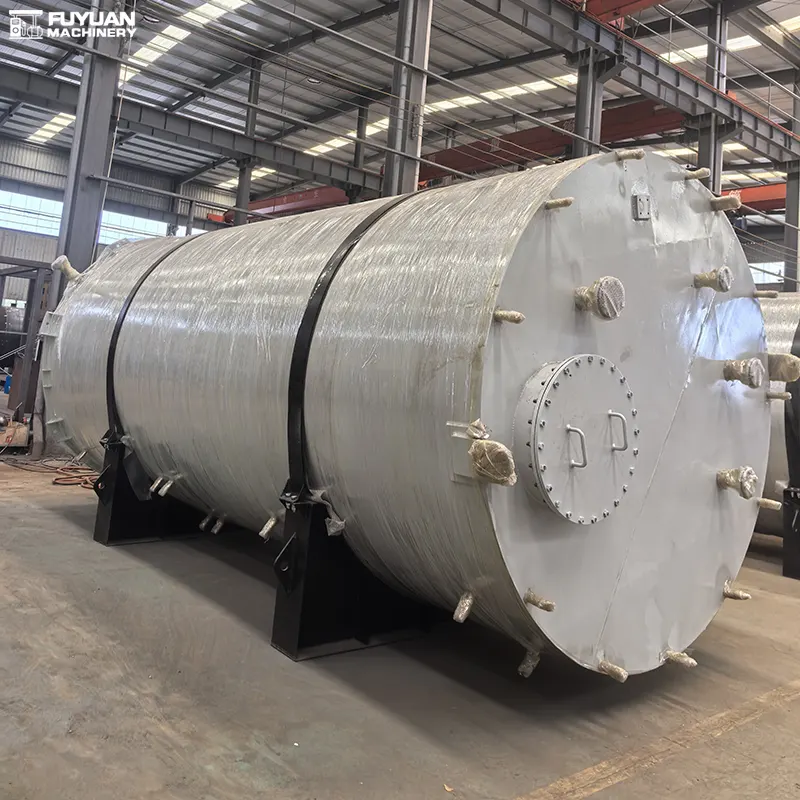
- Tank body: A pressure vessel used to store liquids, typically made of corrosion-resistant materials such as stainless steel (e.g., 316 stainless steel) or carbon steel.
- Frame: A high-strength steel outer frame manufactured according to international standard container dimensions (primarily 20 feet), firmly securing the tank body in the center, providing protection and facilitating lifting and stacking.
2. Key Structural Features
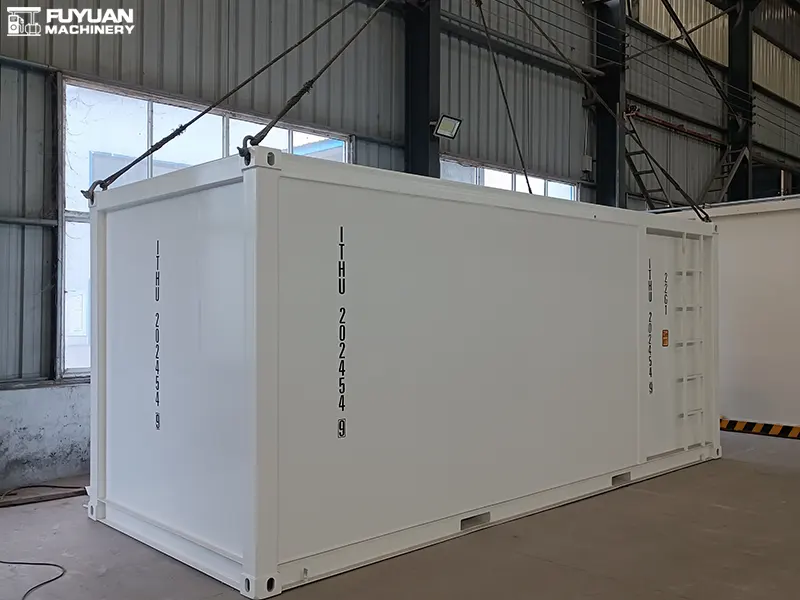
- Standard Dimensions for Easy Intermodal Transport: Its external dimensions strictly adhere to international standards (e.g., 20-foot container: approximately 6.1 meters long, 2.44 meters wide, and 2.59 meters high), allowing the use of any standard container handling equipment for true door-to-door multimodal transport.
- Double-Layer Structure Design: For strength and safety, many containerized oil tanks employ a double-layer structure. For example, the bottom and side walls consist of inner and outer steel plates, with the resulting interlayer serving not only as insulation but also as a safety barrier in case of leakage from the inner container. Some also incorporate vertical reinforcing pipes within the interlayer to increase tank rigidity.
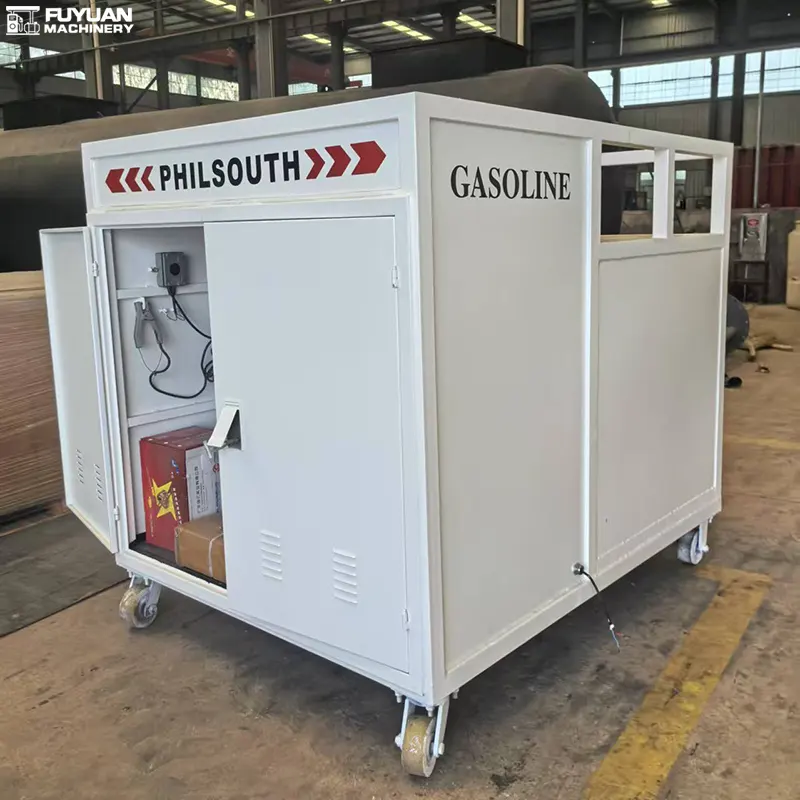
- Dedicated Loading and Unloading Area: A protected operating area is typically located at one end of the tank. All inlet and outlet pipelines, valves, instruments, etc., are concentrated in this area and secured with a locked door to prevent damage during transport. Safety and Explosion-Proof Devices: The explosion-proof material modification (container) is a mobile ground-based gas station integrating oil storage tanks, refueling machines, and video surveillance. The oil storage tanks in the explosion-proof modification (container) have undergone explosion-proof technology modification. This modification involves filling the oil storage tank containing flammable and explosive liquids with a special aluminum alloy mesh material at a specific density. This prevents explosions even in the event of open flames, static electricity, impacts, lightning strikes, gunshots, welding, or other accidental violent impacts.
3. Basic Structure (Core Components)
3.1. External Frame
- Material: High-strength carbon steel, conforming to ISO standard dimensions (20 feet: 6058×2438×2591mm).
- Function: Protects the tank body, provides lifting/stacking/locking interfaces, compatible with container spreaders, trucks, railways, and ships.
3.2. Internal Tank (Core)
- Material: Primarily 316L stainless steel (corrosion resistant, food-grade/chemical-grade), inner wall can be epoxy resin coated/rubber lining (suitable for strong acids and oils).
- Shape: Horizontal cylindrical tank with elliptical heads, pressure-bearing design (0.4–2.5MPa, depending on the medium).
- Capacity: 20-foot tanks commonly 14,300–26,000L (approximately 12–22 tons), 40-foot tanks can reach 31,000L+.
3.3. Piping and Valve System
- Top: Manhole/loading port, breather valve/safety valve, level gauge/thermometer interface.
- Bottom: Emergency shut-off valve, discharge valve, drain port, equipped with quick couplings.
3.4. Auxiliary Functions (Optional)
- Heating/Insulation: Steam coil, electric heat tracing, polyurethane insulation layer (anti-condensation, temperature control).
- Inert gas protection: Nitrogen purging system (anti-oxidation, explosion-proof).
- Stirring/cleaning: Built-in stirrer, CIP cleaning interface (chemical/food grade).
4. Common Classifications
Based on the hazardous nature and physical properties of the transported oil products, they can be mainly classified into the following categories:
| Type | Main Use | Characteristics |
| IMO Type 1 | High-hazardous goods | Used for transporting chemicals with flash points below 0°C, highly toxic or corrosive substances. Highest design and operating pressure requirements. |
| IMO Type 2 | Sub-hazardous goods | Used for transporting liquid goods with flash points between 0°C and 61°C, such as most oil products. |
| IMO Type 0 | Low-hazard/food grade | Used for transporting non-hazardous goods with flash points exceeding 61°C, such as animal and vegetable oils, food additives, etc. |
| Special Tank Containers | Cargo with Special Needs | Such as heavy oil tank containers with heating devices, used for transporting heavy oils that easily solidify at room temperature; or refrigerated tank containers with insulation. |
5. Core Advantages
Compared to traditional drum transportation or stationary tanks, containerized oil storage tanks have significant advantages:
- Economic Efficiency: A 20-foot tank container (approximately 24,000-33,000 liters in volume) can carry about 45% more liquid than a dry cargo container filled with drums, significantly reducing the unit cost of transportation and eliminating the costs of purchasing, handling, and recycling drums.
- Safe and Reliable: It is internationally recognized as one of the safest methods of liquid transportation. Its robust structure and standardized operating procedures effectively prevent cargo leakage and contamination, ensuring transportation safety.
- Green and Environmentally Friendly: It reduces the consumption of small drums and the generation of waste, better meeting modern environmental protection requirements. In Europe and America, many goods are now required to be transported using tank containers.
- Flexible and convenient: Direct switching between road, rail, and waterway transport is possible without intermediate transshipment, enabling efficient multimodal transport.
6. Main Application Scenarios
- Logistics Transportation: Multimodal transport of refined oil, crude oil, and chemical raw materials (port → factory → construction site).
- Temporary Oil Storage: Mobile refueling stations/oil depots in mines, oil fields, construction sites, and remote areas.
- Fixed Storage: Semi-permanent oil storage tanks in enterprise factory areas and logistics parks (faster installation and relocation than traditional tanks).
- Special Fields: Cryogenic storage and transportation of food and beverages, pharmaceuticals, environmental waste liquids, and LNG (customized).
7. Comparison with Traditional Tanks/Tank Trucks
- vs. Fixed Tanks: Movable, quick to install, low investment, but smaller single tank capacity (≤30m³).
- vs. Tank Trucks: Stackable, can be stationary for long periods, low intermodal transport costs, but lacks autonomous driving capability.
8. Safety and Compliance Key Points
- Must comply with pressure vessel standards such as ISO 1496-3, ASME, and GB 150.
- Transportation/storage requires a hazardous chemicals license, and regular hydrostatic testing, airtightness testing, and corrosion inspection are necessary.
- Operation requires professional personnel and must be equipped with anti-static, fire-fighting, and leak emergency response equipment.

Leading Chinese Manufacturer & Exporter of mobile fuel stations and skid-mounted fuel stations.