
- Home
- Company
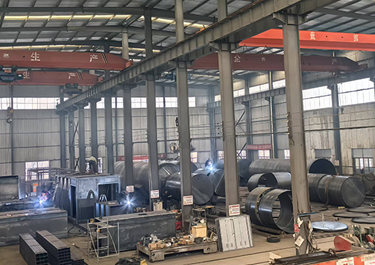 Our FactoryWe have a team of over 30 talented mobile fuel station R&D experts, as well as a 50,000-square-meter advanced modern intelligent manufacturing plant.
 - Mobile Fuel Station
- Storage Tank
- Blog
- Contacts
- Description
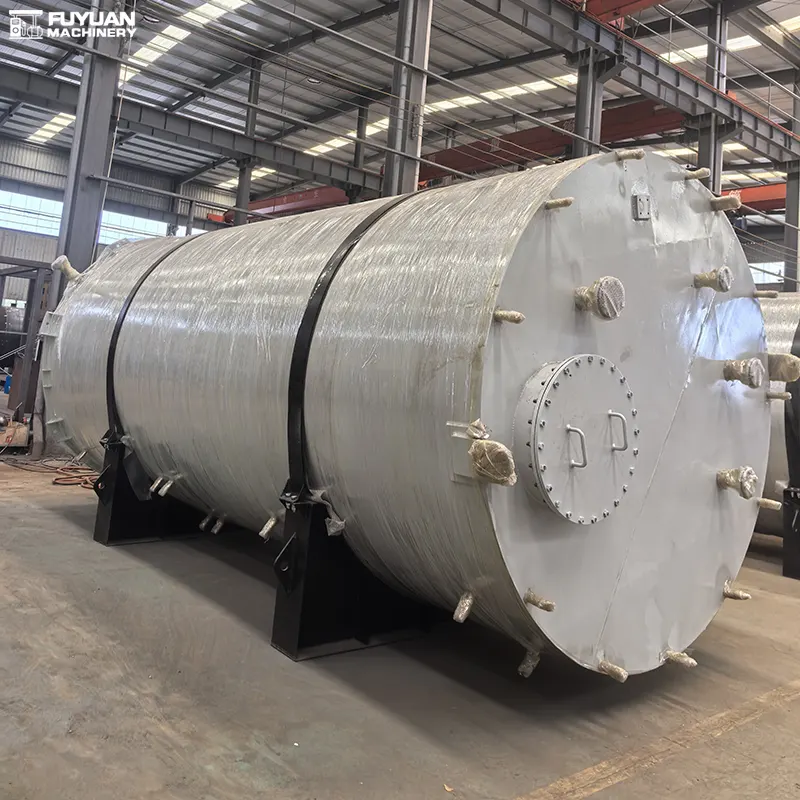
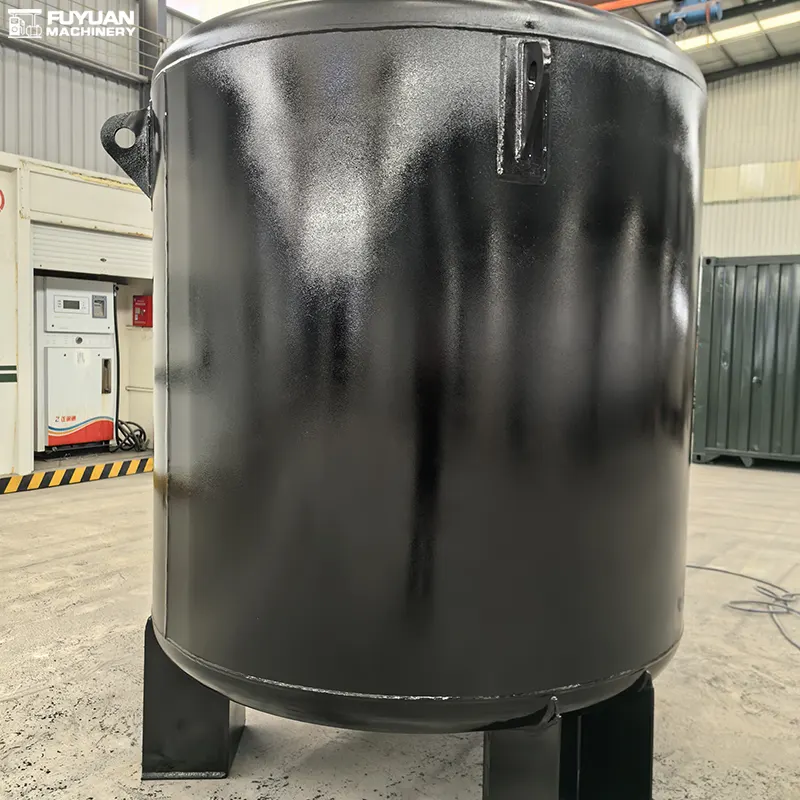
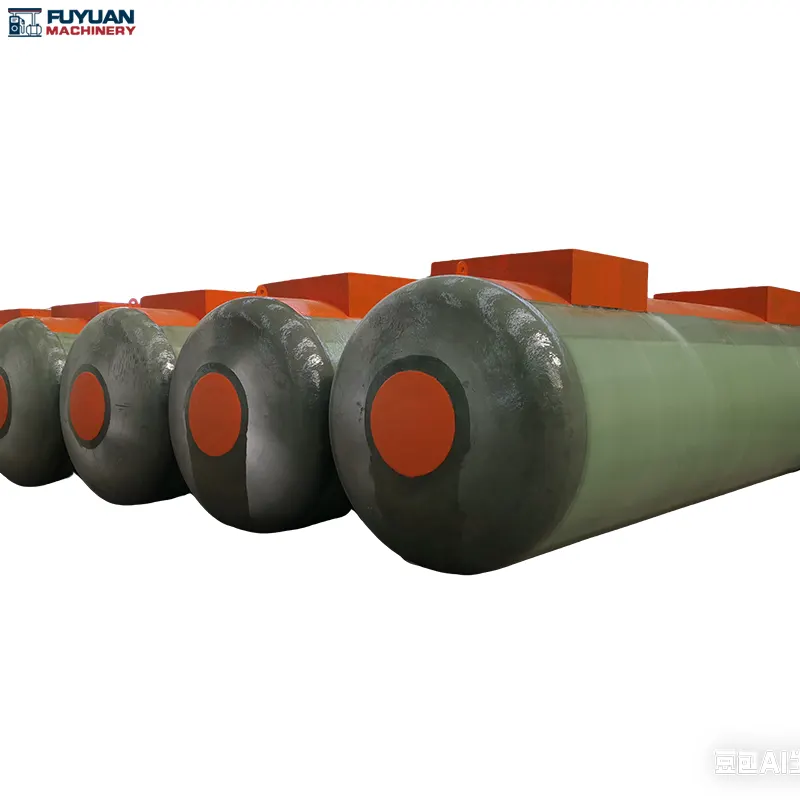
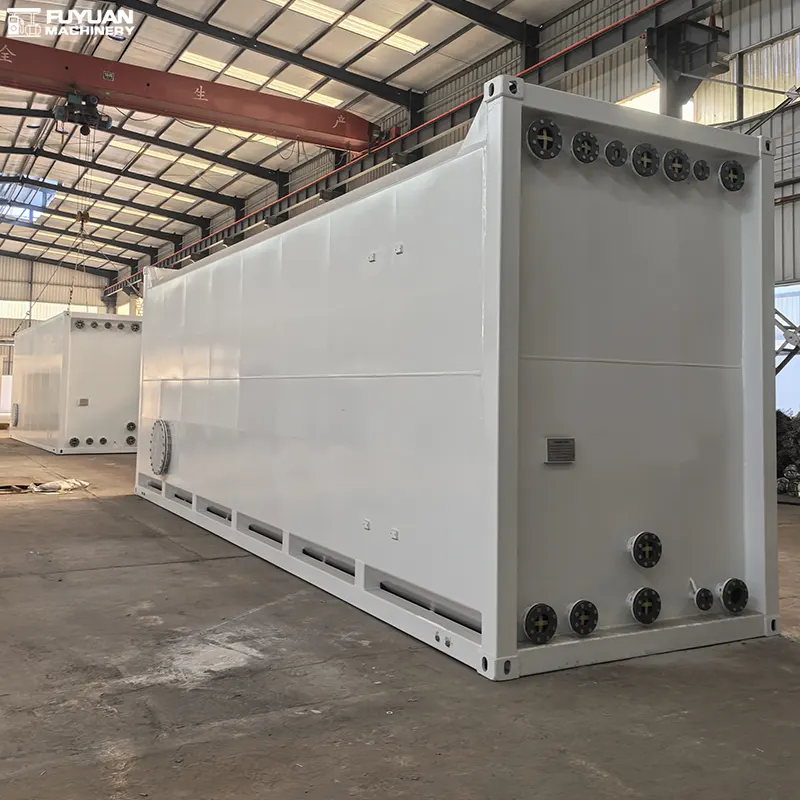
SF double-walled oil storage tanks, officially known as "steel-reinforced plastic double-walled oil tanks," can be understood as a "double-insurance" container designed for safe underground oil storage. It consists of an inner steel tank and an outer fiberglass reinforced plastic (FRP) tank, aiming to completely solve the soil and groundwater pollution problems caused by corrosion leaks from traditional single-walled oil tanks.
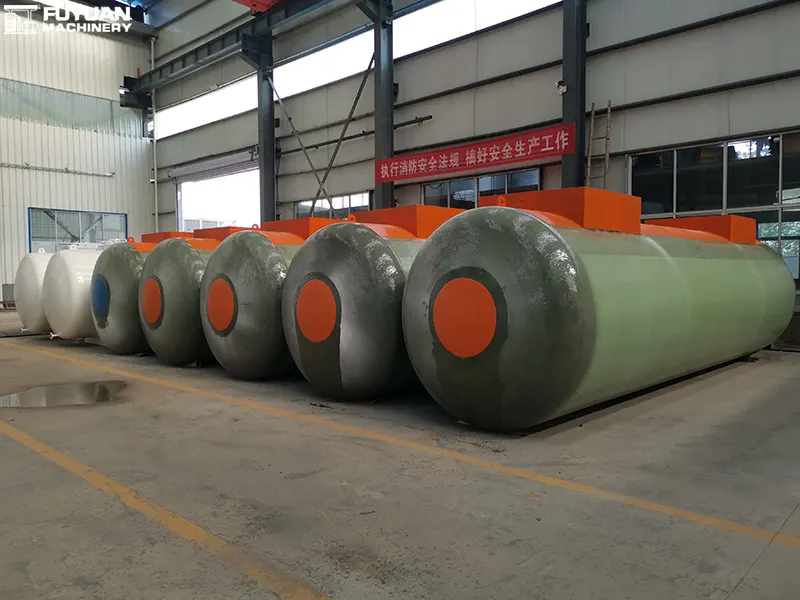
1. Basic Definition and Structure
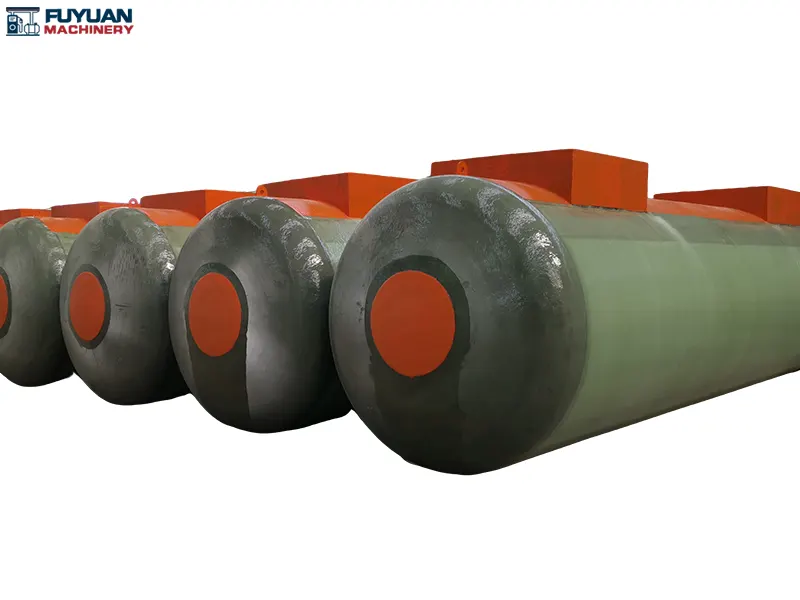
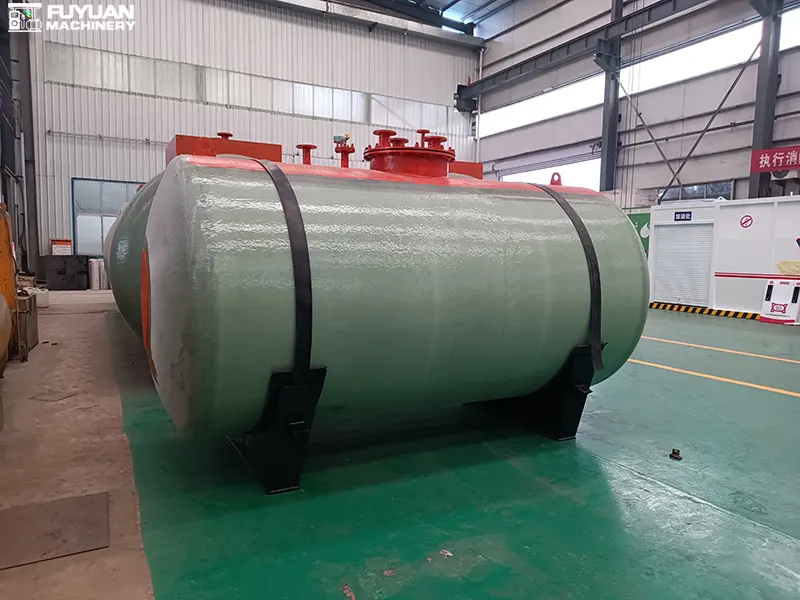
SF double-walled tanks, also known as Steel-FRP double-walled oil tanks, consist of a three-layer core structure:
- Inner layer (oil storage body): Constructed from 5–8mm thick Q235-B carbon steel plate, its strength is higher than that of ordinary single-walled tanks (typically 5mm), directly storing gasoline, diesel, and other petroleum products.
- Outer layer (protective barrier): ≥2.5–4mm thick fiberglass reinforced plastic (FRP/fiberglass), wrapped around the inner tank using a winding/spraying process to form a complete leak-proof outer shell.
- Interlayer (monitoring space): A uniform 0.1–5mm through gap is maintained between the inner and outer layers to provide a channel for leak monitoring.
2. Working Principle and Leakage Monitoring
2.1. Dual Leakage Prevention Mechanism
- Inner tank rupture: Leaking oil first enters the interlayer and is completely intercepted by the outer tank, preventing direct contamination of soil/groundwater.
- Outer tank rupture: The inner tank remains independently sealed, allowing for continued safe oil storage, while the monitoring system alarms.
2.2. Leakage Monitoring System
- The interlayer is connected to a leak detection pipe/sensor, providing 24-hour real-time monitoring of interlayer pressure, liquid level, or media changes.
- If either the inner or outer tank ruptures, the monitoring system immediately triggers an audible and visual alarm, supporting remote early warning for rapid response.
3. Core Performance Characteristics
3.1. Safety
- Dual-layer structure + real-time monitoring prevents fires, explosions, and environmental accidents caused by leaks at the source.
- The outer tank is FRP insulated, preventing electrolytic corrosion and significantly reducing the risk of tank failure.
- Superior pressure resistance, vibration resistance, and impact resistance compared to single-layer tanks.
3.2. Environmental Friendliness
- The outer FRP tank is oil-resistant, water-resistant, and acid/alkali-resistant, completely blocking oil leakage and pollution pathways.
- Leaks are confined to the interlayer, posing no risk of soil/groundwater pollution and meeting environmental regulations.
3.3. Economic Efficiency
- Service life of over 30 years, 3–5 times that of ordinary single-walled tanks (approximately 10 years).
- Quick installation, low maintenance costs, and high long-term overall cost-effectiveness.
- No need for additional anti-seepage tanks, saving on civil engineering and environmental remediation costs.
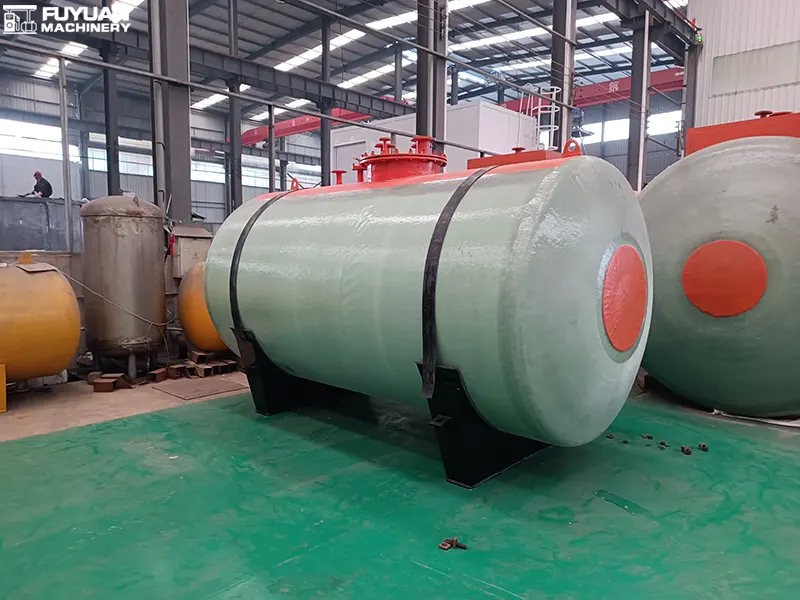
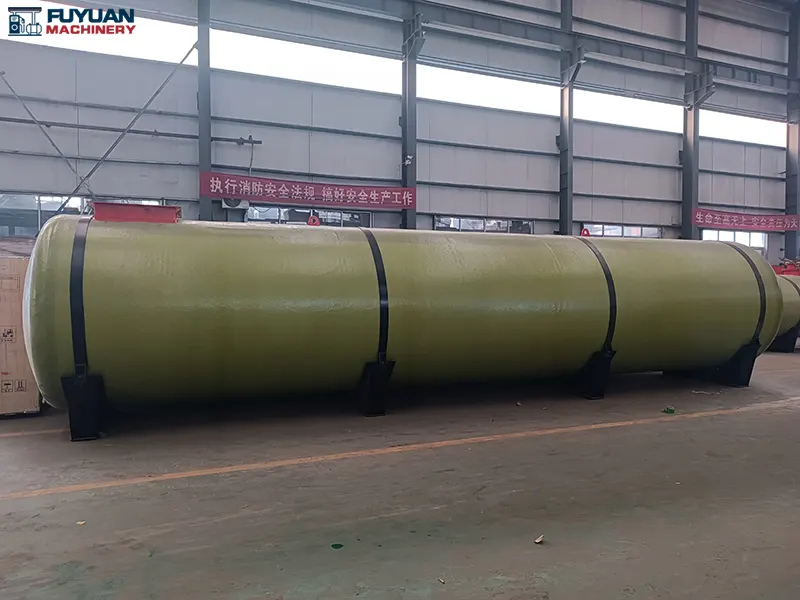
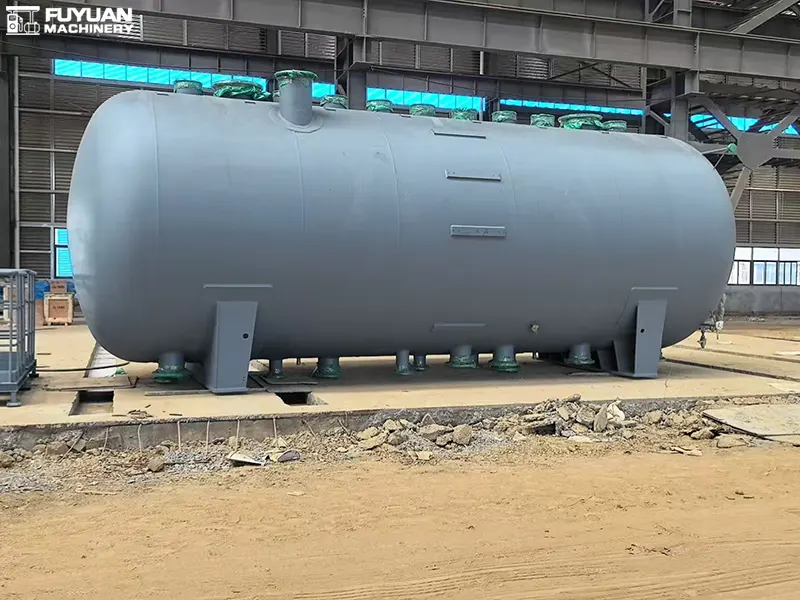
4. Core Advantages
SF double-walled tanks, with their superior performance, have become the preferred choice for new and renovated gas stations. Their advantages are mainly reflected in:
- 4.1. Dual Protection, Environmental Safety: The steel inner tank ensures strength, the FRP outer tank prevents corrosion, and 24-hour monitoring provides double protection through "intrinsic leak prevention + real-time monitoring," minimizing the risk of leakage and pollution.
- 4.2. Lower Life Cycle Cost: Although the initial purchase cost of SF double-walled oil tanks is about 30%-50% higher than that of traditional single-walled steel tanks, the elimination of the construction costs of underground storage chambers and extremely low maintenance costs (only surface inspection of the outer layer every three years is required, and damaged areas can be repaired on a small scale) result in a 20-year life cycle cost reduction of over 25%.
- 4.3. Long Service Life: Due to the perfect protection of the FRP outer tank, the design service life of SF double-walled oil tanks can generally reach 30 years, far exceeding that of traditional single-walled steel tanks.
- 4.4. Convenient Installation: The tanks can be directly buried underground, eliminating the need to build expensive and complex concrete storage chambers, greatly shortening the construction cycle and saving land and investment.
5. Main Specifications and Application Scenarios
- Common Volumes: 10m³, 15m³, 20m³, 30m³, 50m³, etc., customizable.
-
Applicable Scenarios:
- Underground oil storage at gas stations (mainstream choice).
- Centralized oil storage sites such as oil depots, airports, ports, industrial parks, and logistics centers.
- Storage of flammable and explosive liquids such as hazardous chemicals, aviation fuel, and marine fuel.
6. Installation and Testing Points
- Installation Foundation: 200mm of compacted rammed earth at the bottom of the tank/pool → 100mm cement pad layer → ≥300mm reinforced concrete foundation, with pre-embedded anchors for fixation.
- Factory Inspection: Non-destructive testing of the inner tank (JB/T4730), spark leak detection of the outer tank, overall pressure test and leakage test; delivery is only permitted after passing these tests.
- Routine Maintenance: Regularly inspect the monitoring system, tank appearance, and interface seals to ensure unobstructed access to the interlayer and monitoring pipelines.
7. Comparison with Traditional Single-Layer Tanks
| Comparison Items | SF Double-Layer Tank | Traditional Single-Layer Tank |
| Structure | Double-layer + sandwich + monitoring | Single-layer with no protection |
| Leakage Prevention | Double barriers, leaks can be monitored and intercepted | No protection, leaks directly pollute |
| Service Life | 30+ years | Approximately 10 years |
| Environmental Compliance | Meets seepage prevention requirements, no need for seepage prevention ponds | Requires a seepage prevention pond, high compliance costs |
| Maintenance Costs | Low, only monitoring system maintenance required | High, frequent corrosion prevention and maintenance |
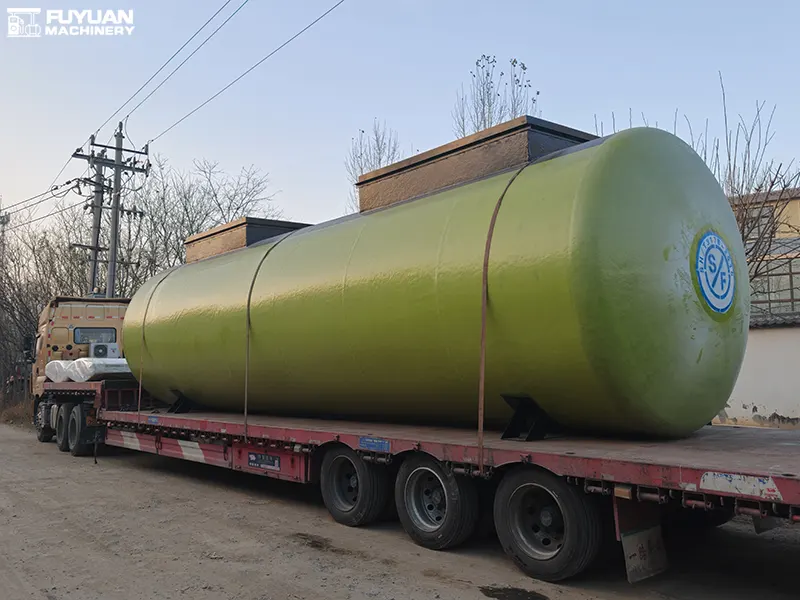
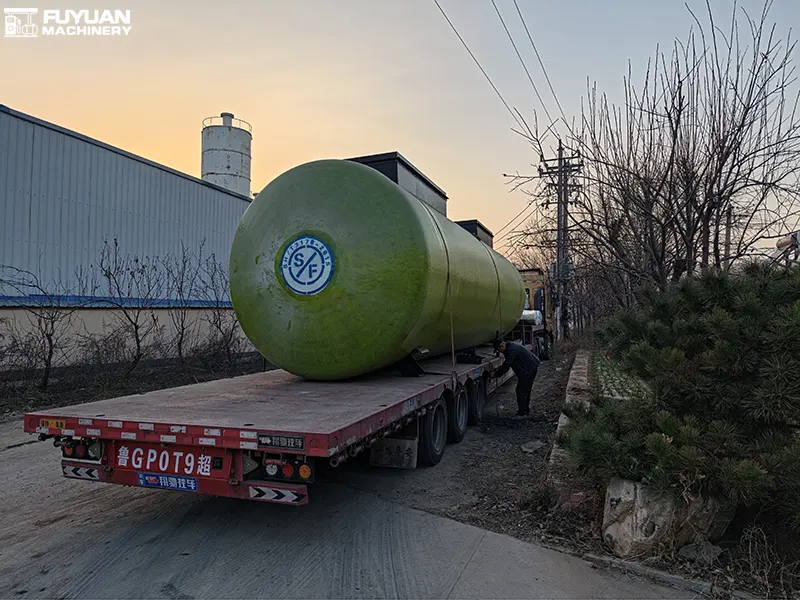
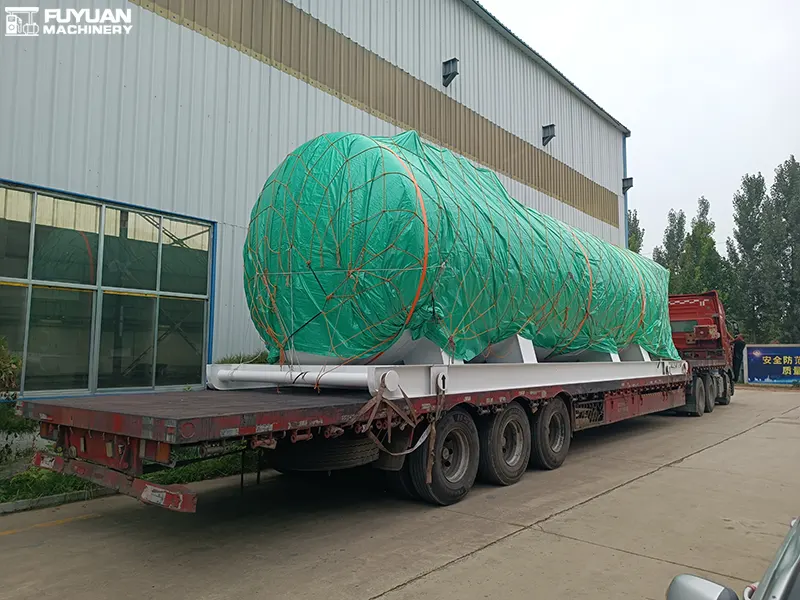
The SF double-layer oil tank originated from the reflection on soil pollution problems in the United States in the 1980s, and was improved and promoted in Japan in the 1990s. In China, with the mandatory implementation of the "Code for Design and Construction of Automobile Gas Stations" (GB 50156) in 2013 and the promotion of environmental protection policies such as the "Water Ten Measures" in 2015, SF double-walled oil tanks have rapidly become popular throughout the country and have now become the absolute mainstream choice for underground oil storage tanks in gas stations. They offer a variety of specifications from 10m³ to 50m³ and are widely used in gas stations, oil depots, and logistics parks.
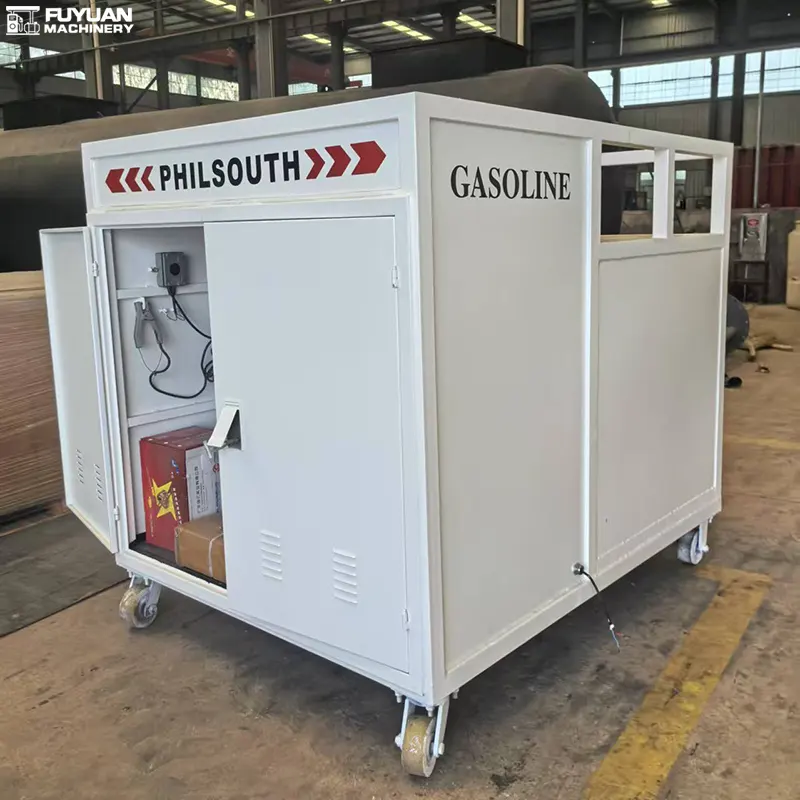

Leading Chinese Manufacturer & Exporter of mobile fuel stations and skid-mounted fuel stations.