
- Home
- Company
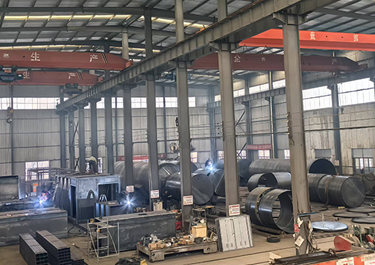 Our FactoryWe have a team of over 30 talented mobile fuel station R&D experts, as well as a 50,000-square-meter advanced modern intelligent manufacturing plant.
 - Mobile Fuel Station
- Storage Tank
- Blog
- Contacts
- Description
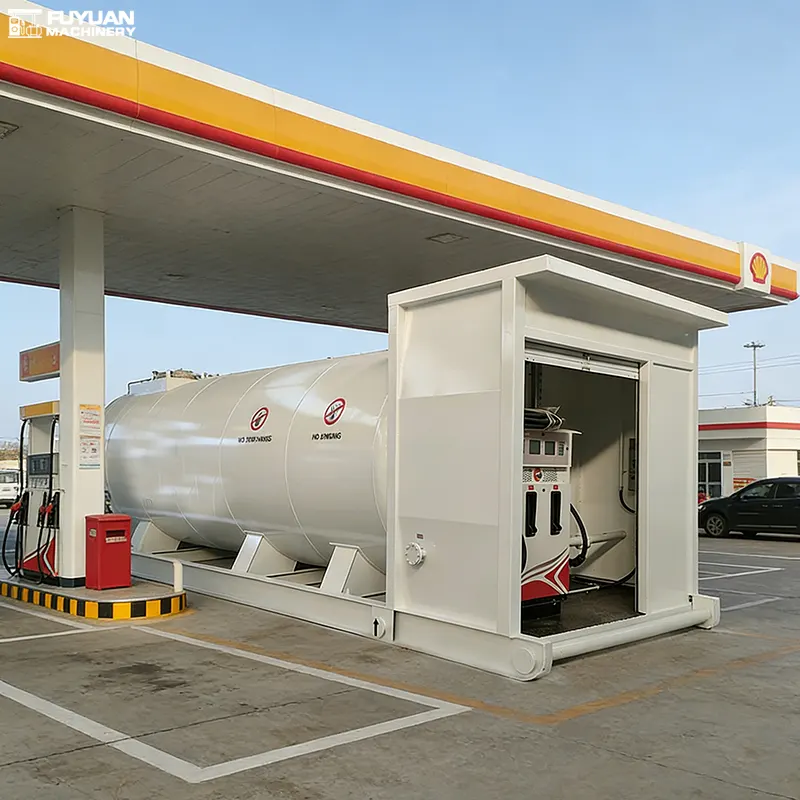
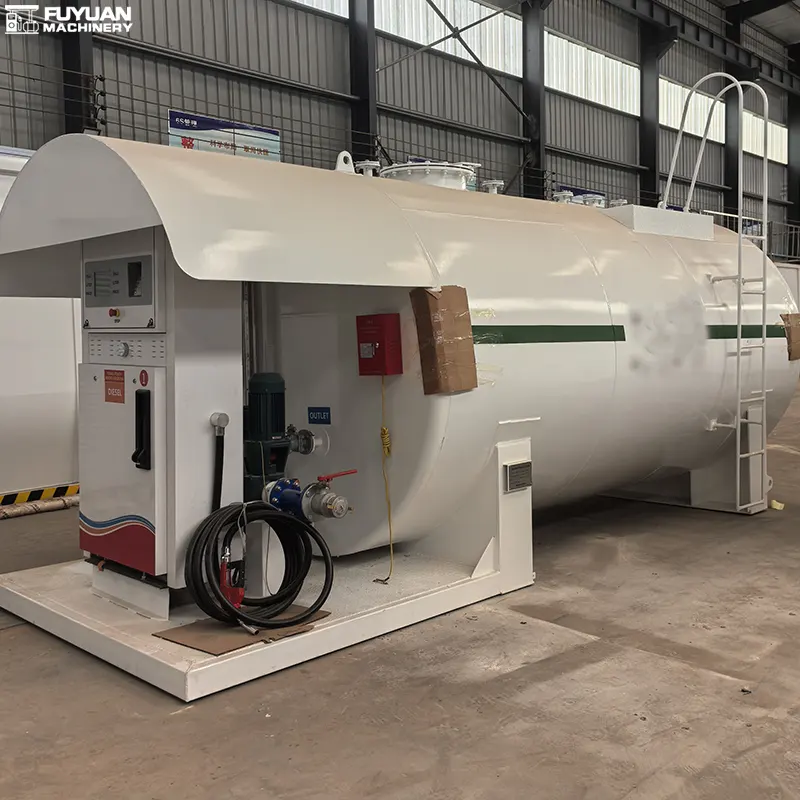
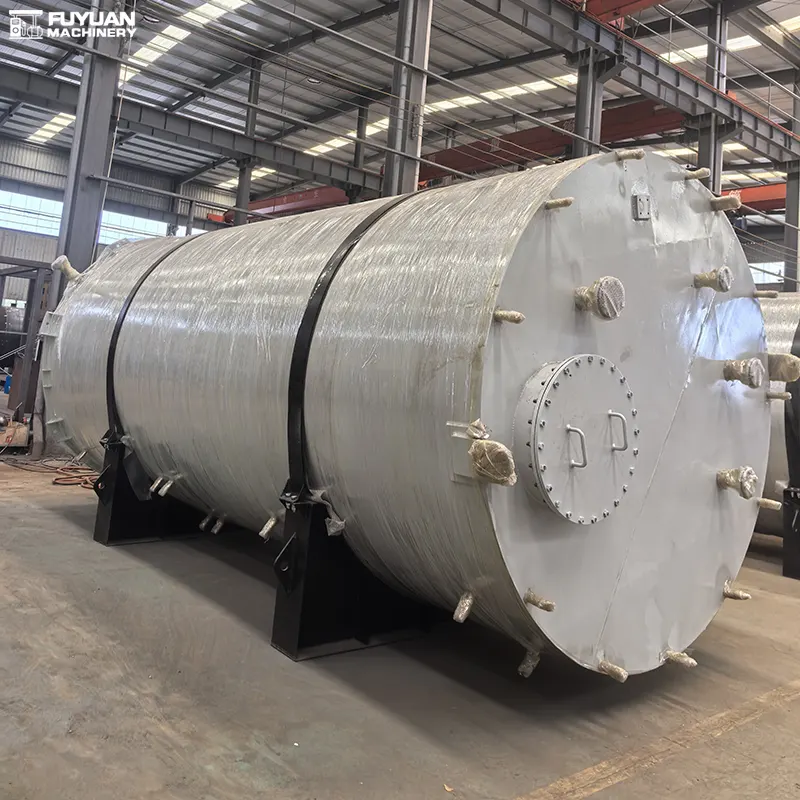
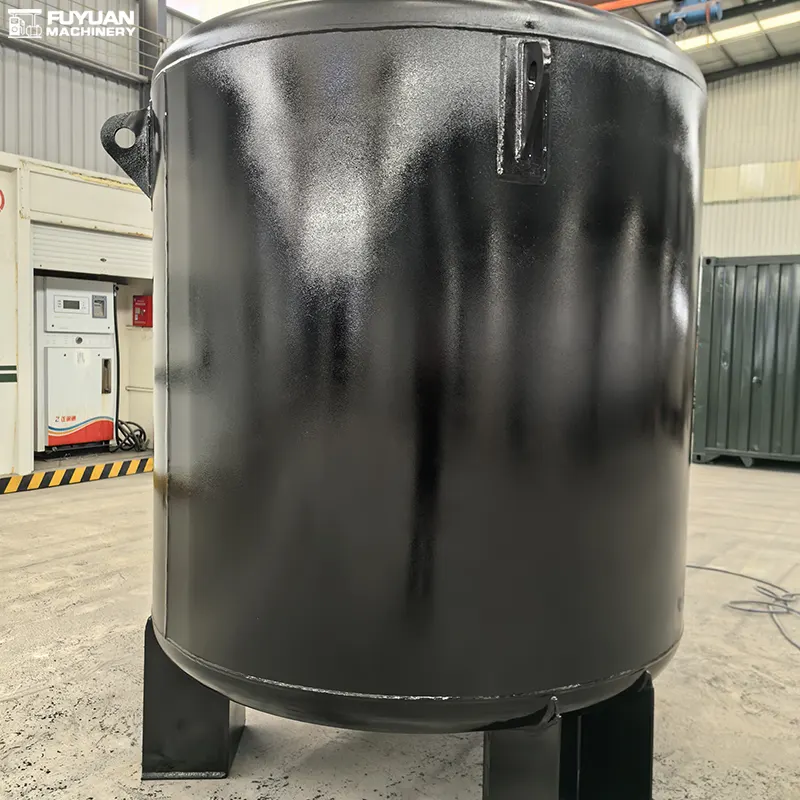
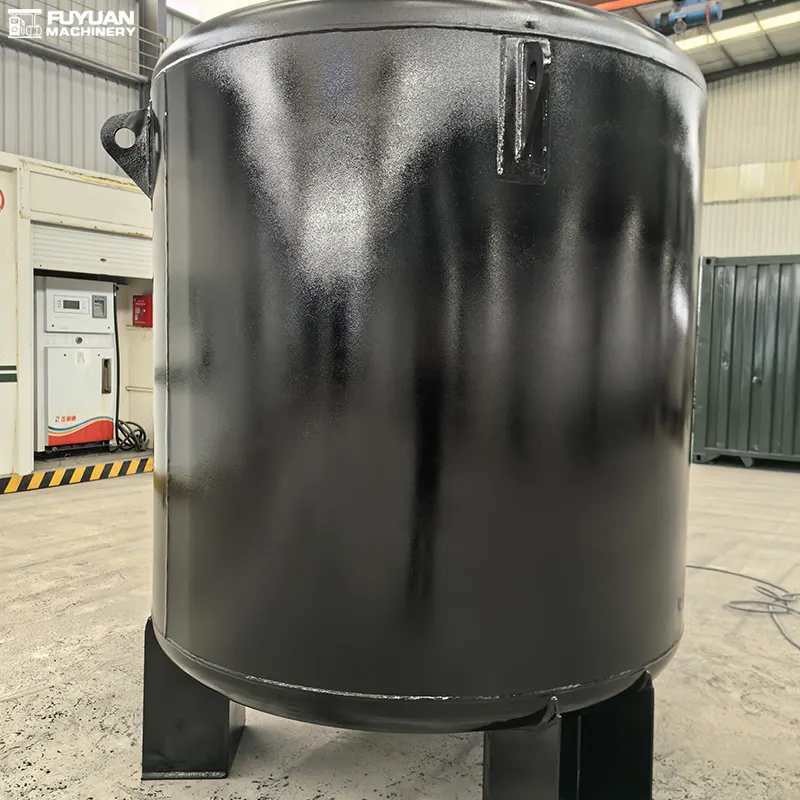
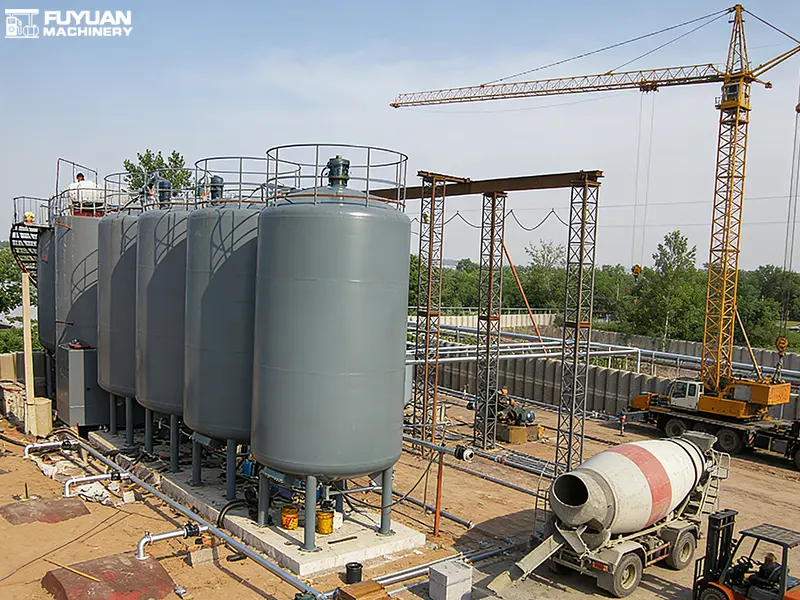
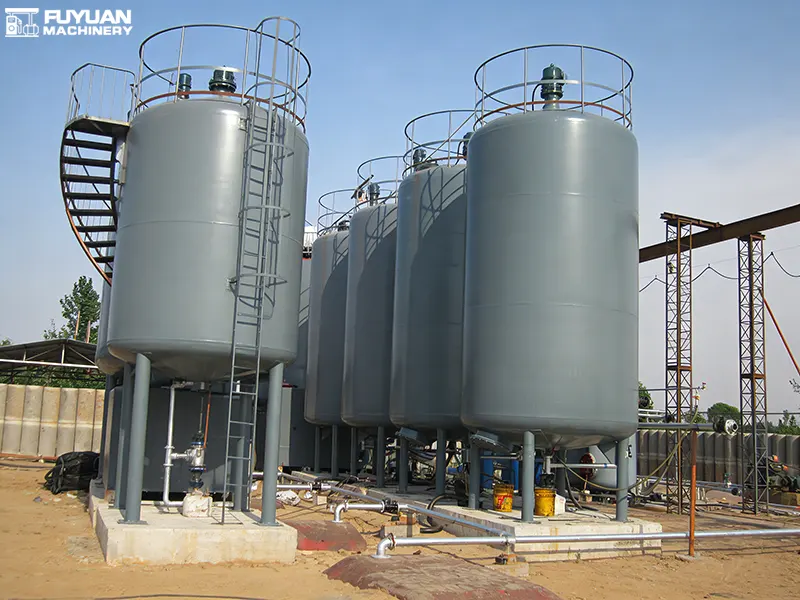
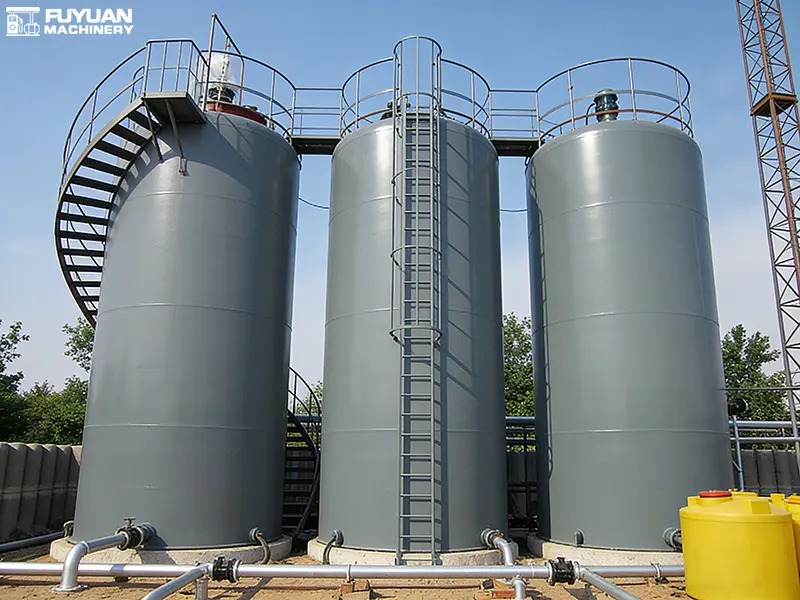
Vertical storage tanks are core equipment for storing liquid media at atmospheric pressure on land. Primarily composed of a vertical cylindrical welded steel structure, they are widely used in petroleum, chemical, and energy storage industries. They are mainly divided into two types: fixed roof (dome roof) and floating roof (external/internal floating roof). Design, manufacturing, and acceptance comply with national standards such as GB 50341-2014, GB 50128-2014, and GB 50074-2014.
Core Definition and Classification
1. Basic Definition:
A vertical cylindrical welded steel storage tank, composed of a tank bottom, tank walls, tank top, and accessories, with a design pressure < 0.1 MPa(G) and a design temperature ≤ 90℃, used for storing non-extremely/highly hazardous liquids such as crude oil, refined oil, and chemical raw materials.
2. Main Types and Selection
| Type | Applicable Scenarios | Volume Range | Core Features | Fire Protection Requirements |
| Dome-Roof Tank | Low-volatile media (diesel, lubricating oil) | ≤50000 m³ | Fixed dome roof, low cost, requires breather valve/flame arrester | Total tank volume ≤120000 m³ |
| Internal Floating Roof Tank | Class B and Class A media (gasoline, naphtha) | ≤50000 m³ | Fixed roof + internal floating roof, reduces evaporation loss | Diameter ≤48 m; ≥5000 m³ uses steel floating roof |
| External Floating Roof Tank | Large crude oil and heavy oil storage | 50000–150000 m³ | Floating roof directly contacts the medium, lowest evaporation loss | Single tank ≤150000 m³ m³; ≥50000 m³ double-disc floating roof |
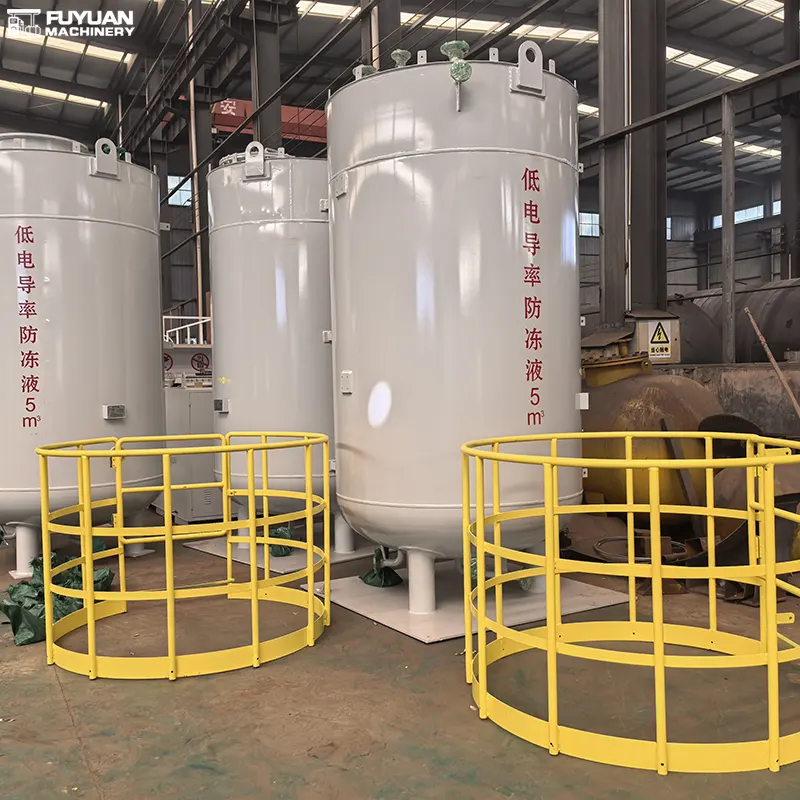
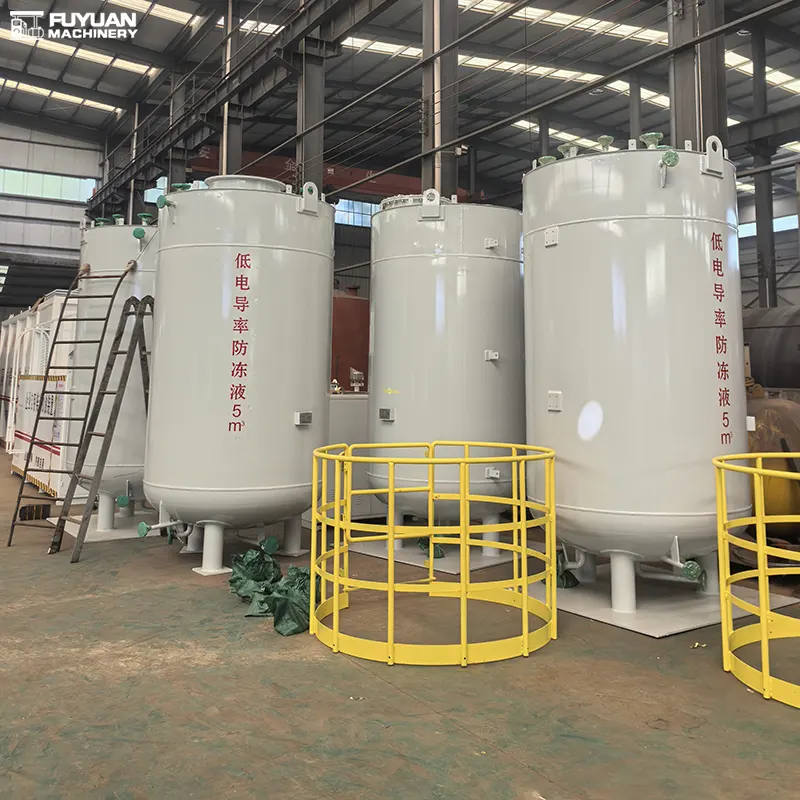
Basic Structural Components
- 1. Foundation: Plain soil layer → lime-soil layer → sand cushion layer → asphalt sand cushion layer, bearing capacity ≥10 t/m², groundwater level ≥30 cm from foundation, reinforced concrete ring beam in soft soil areas.
- 2. Tank Bottom: Flat bottom structure, steel plate thickness 6–8 mm, directly transfers load to foundation, requires enhanced corrosion protection.
- 3. Tank Wall: Multiple welded steel plates, thickness increasing from top to bottom (pressure increases with liquid level), connection methods include sleeve type, butt type, and hybrid type.
- 4. Tank Roof: Dome roof (radius of curvature 0.8–1.2 times the tank diameter); floating roof (single-disc/double-disc, double-disc type is more rigid and suitable for large tanks).
Main Accessories
A complete vertical storage tank, in addition to the tank body itself, must be equipped with various accessories to ensure its safe and efficient operation.
- Breather valve: Installed on the tank top, it automatically regulates the internal pressure to maintain pressure balance and reduce oil evaporation during oil handling or temperature changes.
- Manhole: Located on the tank wall and top, it allows maintenance personnel to enter and exit, ventilate, and clean the interior.
- Gauge port: Used for manual measurement of oil level, temperature, and sampling.
- Fire sprinkler and foam generator: Used for tank cooling and fire suppression.
- Heater: For high-viscosity, easily solidified oils (such as crude oil and fuel oil), heating coils must be installed inside the tank, using steam or hot water to maintain the oil's fluidity.
- Ladder and platform: Provides access to the tank top for operation and maintenance.
- Lightning and static electricity protection grounding: The oil tank must be reliably grounded to conduct static electricity and prevent lightning strikes.
- Level gauge: An instrument used to monitor the oil level in the tank in real time; various types are available, including mechanical, servo, and radar types.
Basic Parameters (National Standards + Typical Specifications)
1. Core Design Parameters (Mandatory National Standards)
| Parameter Item | Standard Requirements | Remarks |
| Design Pressure | < 0.1 MPa (G) | Atmospheric Pressure Tank |
| Design Temperature | ≤90℃ | Special media can be designed separately |
| Material | Q235B, Q345R (16MnR) | Complies with GB/T 713, GB/T 3531 |
| Tank Wall Height | ≤24 m | Fire Protection Standard Restrictions |
| Assembly Accuracy | Verticality ≤0.1% of tank height and ≤50 mm; Ovality ≤0.5% of tank diameter | GB 50128-2014 |
| Weld Requirements | Dent ≤0.5 mm, total length ≤10% of weld | GB 50128-2014 |
| Acceptance Test | Fill to maximum water level and maintain for 48 hours; no leakage or deformation required | GB 50128-2014 |
2. Typical Volume and Dimensions (Reference Values)
| Nominal Volume (m³) | Inner Diameter (m) | Tank Wall Height (m) | Total Height (m) | Tank Wall Thickness (mm) | Applicable Type |
| 100 | 4.7 | 7.1 | 7.5 | 6–10 | Dome/Internal Floating Roof |
| 1000 | 8.2 | 10.7 | 11.6 | 8–14 | Dome/Internal Floating Roof |
| 5000 | 15.7 | 13.9 | 14.9 | 10–20 | Dome/Internal Floating Roof |
| 10000 | 22.0 | 16.8 | 17.8 | 12–26 | Internal/External Floating Roof |
| 30000 | 37.0 | 19.0 | 20.0 | 14–32 | External Floating Roof |
| 50000 | 48.0 | 21.0 | 22.0 | 16–38 | External Floating Roof (Double Disc) |
| 100000 | 78.0 | 22.5 | 23.5 | 18–45 | External Floating Roof (Double Disc) |
| 150000 | 92.0 | 24.0 | 25.0 | 20–50 | External Floating Roof (Double Disc) |
3. Other Key Parameters
- Medium: Crude oil, gasoline, diesel, kerosene, lubricating oil, chemical solvents, etc.; Class B and Class AB tanks must use floating roof tanks (GB 50074-2014).
- Corrosion Protection: The outer wall is coated with a primer + topcoat for corrosion protection; the inner wall is protected with conductive anti-corrosion coating or sacrificial anode protection depending on the medium.
- Lightning and Static Electricity Protection: A lightning rod is installed on the tank top, and the floating roof and tank wall are bridged with copper braided straps (≥2 points), with a grounding resistance ≤10 Ω.
- Fire Protection: Floating roof tanks are equipped with a floating roof cofferdam foam fire extinguishing system; dome-roof tanks are equipped with a foam generator on the tank top and a cooling spray system on the tank wall.
Selection and Application Points
- 1. Medium Priority: Volatile and flammable media (such as gasoline) must be handled by internal or external floating roof tanks; non-volatile media (such as diesel) can be handled by dome-roof tanks.
- 2. Volume Matching: < 50,000 m³ commonly uses domed/internal floating roofs; ≥50,000 m³ must use external floating roofs, and external floating roof tanks ≥50,000 m³ require double-deck floating roofs with two ladders and platforms.
- 3. Compliance: Strictly adhere to standards such as GB 50341 (design), GB 50128 (construction), GB 50074 (oil depots), and GB 50160 (fire prevention) to ensure safety and acceptance.
Summary:
The core of vertical storage tank selection and parameter design is the matching of media characteristics, volume, and safety regulations. Small tanks (≤1000 m³) mainly use domed roofs, medium-sized tanks (1000–50000 m³) mostly use internal floating roofs, and large tanks (≥50000 m³) are all external floating roofs, and must meet the mandatory requirements of national standards for dimensions, materials, welding, and acceptance.
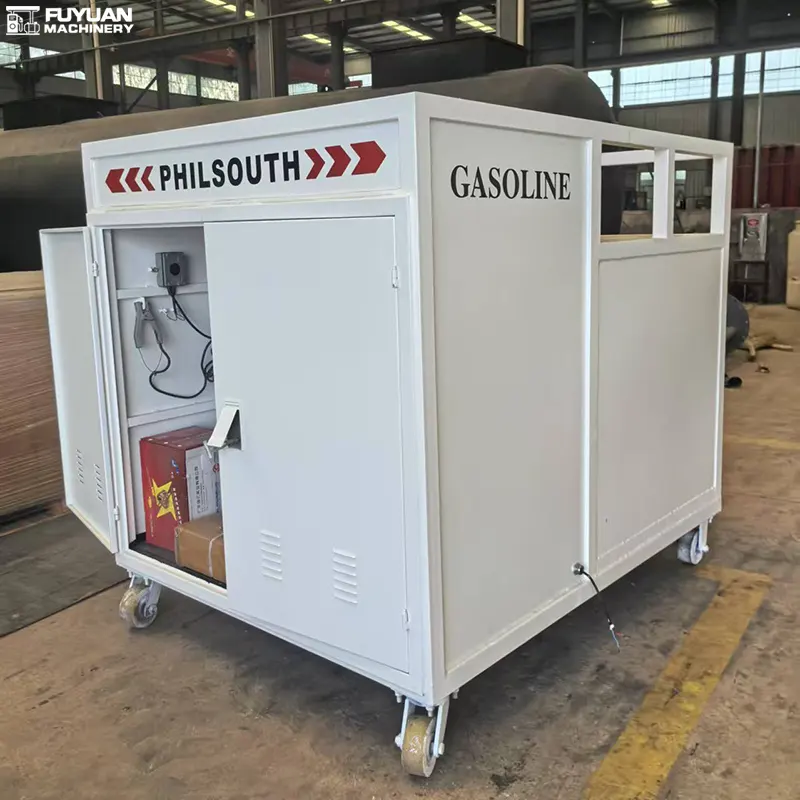

Leading Chinese Manufacturer & Exporter of mobile fuel stations and skid-mounted fuel stations.