
- Home
- Company
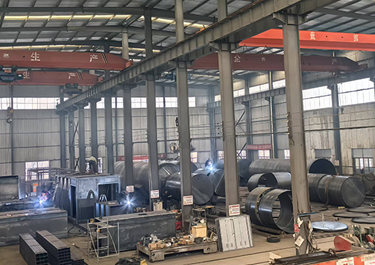 Our FactoryWe have a team of over 30 talented mobile fuel station R&D experts, as well as a 50,000-square-meter advanced modern intelligent manufacturing plant.
 - Mobile Fuel Station
- Storage Tank
- Blog
- Contacts
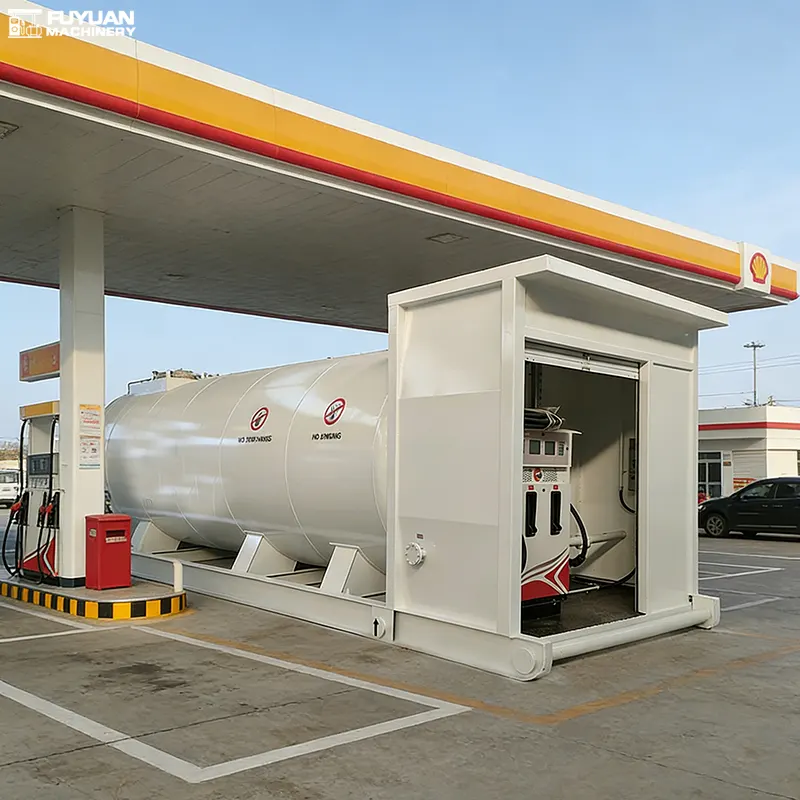
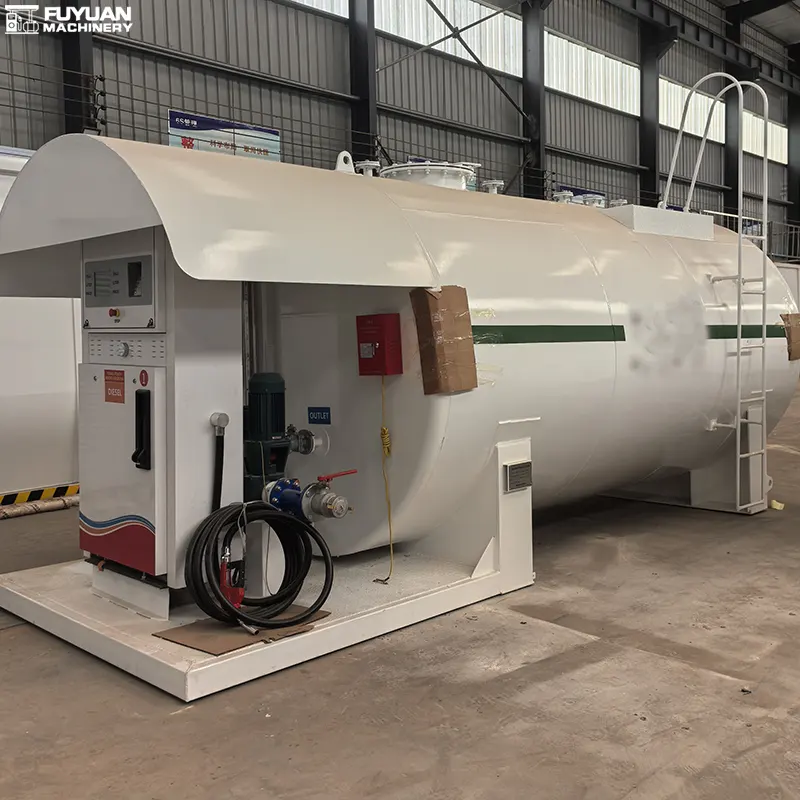
The Top 10 Impacts of Rising Oil Prices on the Development of Mobile Fuel Stations
In recent years, volatility in the international crude oil market has intensified, leading to a cycle of frequent price hikes for refined oil products domestically. For traditional gas stations, rising oil prices translate to increased procurement costs and pressure on terminal profits; however, for mobile fuel stations-an emerging form of energy refueling infrastructure-the impact is far more complex and multidimensional. Leveraging advantages such as flexible deployment, on-demand delivery, and the ability to serve remote areas, Fuyuan mobile fuel Stations are gradually filling the gaps left by traditional refueling networks. Nevertheless, the sustained upward trend in oil prices could not only squeeze short-term profit margins but also compel the sector to accelerate technological upgrades, business model innovations, and energy transitions. This article systematically analyzes the top 10 impacts of rising oil prices on the development of Fuyuan mobile fuel Stations-examining dimensions such as costs, pricing, safety, service, competition, and policy-with the aim of providing valuable insights for industry stakeholders.
1. Compressed Gross Margins Per Liter: Narrowing Profit Space
Rising oil prices directly drive up procurement costs for mobile fuel stations. If these increased costs cannot be effectively passed on to the final retail price, profit margins will be squeezed, compelling enterprises to optimize their supply chain management. Based on extensive market research, Fuyuan Machinery has specifically introduced highly cost-effective mobile fuel station solutions that are ideally suited for use by small businesses or individual operators.
- Key Data: In March 2026, the domestic retail price of fuel rose by 0.55 RMB per liter; however, the wholesale cost rose concurrently by 0.80 RMB per liter, narrowing the wholesale-retail price spread by 0.25 RMB per liter. Consequently, the average gross margin per liter for mobile fuel stations fell from 1.20 RMB to between 0.70 and 0.80 RMB-a decline of over 30%.
- Impact: For a station with an average daily sales volume of 15,000 liters, this translates to a direct monthly reduction in profit of 112,500 RMB.
2. Surging Procurement Costs: Doubling Capital Requirements
In small cities and rural regions-areas highly sensitive to oil price fluctuations-mobile fuel stations have the potential to replace inefficient, small-scale township gas stations. Conversely, in major metropolitan areas, development opportunities are often constrained by land scarcity and strict environmental regulations.
In light of this varied landscape, Fuyuan Machinery has engineered its products to feature exceptional flexibility and high safety standards, thereby fully meeting the distinct requirements of major urban environments.
- Key Data: For every 1,000 RMB/ton increase in fuel prices (approximately 0.8 RMB/liter), a mobile fuel Stations with a 50 m³ storage capacity requires an additional 400,000 RMB in capital to fully restock its inventory just once.
- Impact: The industry's average inventory turnover period is 15 days. Under conditions of high fuel prices, the capital tied up in working funds increases by 60%, placing small and medium-sized operators at risk of a broken capital chain.
3. Short-term Sales Fluctuations; Counter-trend Growth in Specific Scenarios
Compared to traditional gas stations, stations can attract price-sensitive users-particularly high-consumption clients such as logistics fleets-through flexible pricing strategies (e.g., time-of-day discounts and membership perks).
- Key Data: During periods of high fuel prices, fuel consumption by ordinary private vehicles declines by 8%–12%; however, demand from large B2B clients-such as those in logistics, construction, and mining-exhibits rigid growth of 5%–10%.
- Impact: For mobile stations focused on corporate clients, total sales volume remains largely stable; conversely, stations relying on individual retail customers experience a 15% decline in monthly sales volume.
4. Soaring Price Sensitivity; Intensifying Promotional Wars
Prior to fuel price hikes, some users tend to stockpile fuel in advance. By leveraging "door-to-door delivery" services (e.g., to construction sites or remote areas), stations can capture this demand for emergency refueling and boost their order volume.
- Key Data: When fuel prices exceed 8.5 RMB/liter, car owners' sensitivity to price differences of just 0.1–0.2 RMB/liter increases by 40%. In March 2026, the frequency of promotional activities across the industry surged 2.3-fold.
- Impact: Mobile stations are compelled to launch promotions-such as spending-tier discounts and membership offers-further eroding their gross margins by an additional 0.1–0.15 RMB/liter.
5. Surging Inventory Risks; Frequent Losses from Price Declines
To mitigate cost volatility, stations are increasingly adopting IoT and AI-driven forecasting systems to monitor fuel consumption in real-time and optimize delivery routes, thereby minimizing empty runs and inventory waste.
- Key Data: In the first quarter of 2026, fuel prices experienced three sharp spikes and two steep drops. When inventory purchased at high prices subsequently faces a market correction, the loss on a single batch of stock can amount to 50,000–80,000 RMB.
- Impact: Operators are forced to operate with low inventory levels; the stock-out rate has risen by 18%, resulting in the loss of a portion of orders.
6. Convenience Advantages Highlighted; Market Penetration Increases
High oil prices are accelerating the exploration of a "fuel-electric hybrid" model among mobile refueling stations. Some sites may add charging, battery swapping, or hydrogen refueling capabilities, transforming into comprehensive energy supply stations.
- Key Data: In 2025, the market size for mobile refueling stations is projected to reach 6.5 billion RMB-an 18% year-on-year increase. Driven by high oil prices, market penetration rates in remote construction sites and logistics parks are expected to rise by 25%.
- Impact: To save the time (and fuel consumption) associated with a 10–30 km round trip to a traditional gas station, users are prioritizing mobile stations, thereby helping operators offset a portion of their profit losses.
7. Industry Consolidation Accelerates; Market Concentration Increases
Mobile operators relying on older, high-fuel-consumption vehicles are facing significant pressure on profit margins, compelling them to switch to new energy delivery vehicles to reduce "last-mile" transportation costs over the long term.
- Key Data: In the first quarter of 2026, 35% of small-scale mobile refueling stations (those with daily sales of less than 5,000 liters) are expected to exit the market due to financial losses. The combined market share of the top five industry players is projected to rise from 28% to 37%.
- Impact: Well-capitalized industry leaders with stable supply chains are expanding against market headwinds, acquiring small and medium-sized stations.
8. Operating Costs Rise; Compliance Investment Increases
As profits from fuel sales alone become thinner, mobile refueling stations are pivoting to offer value-added services-such as free tire pressure checks, AdBlue (urea) refills, and driver rest areas-to build a differentiated competitive edge.
- Key Data: High oil prices are fueling an increase in fuel theft and the sale of substandard fuel. Consequently, investments in security and detection systems are rising, adding an annual cost of 12,000 to 18,000 RMB per station.
- Impact: Rising compliance costs are further squeezing the survival space for small and medium-sized stations.
9. New Energy Adoption Accelerates; Business Structures Transform
High oil prices may incentivize illicit activities-such as the illegal modification of fuel tankers and non-compliant fuel storage. Under increasingly strict regulatory oversight, compliant mobile refueling stations are required to increase investments in safety equipment, such as explosion-proof systems and electronic locks.
- Key Data: When oil prices exceed 9 RMB per liter, user acceptance of alternative energy sources-such as LNG, hydrogen, and electric charging-increases by 35%. In 2025, sales of LNG-powered heavy-duty trucks are projected to reach 198,700 units, representing an 11% year-on-year increase.
- Impact: Revenue for pure-fuel mobile fueling stations is expected to decline, while integrated mobile energy stations-combining oil-gas hybrid fueling with solar power generation, energy storage, and charging/discharging capabilities-are projected to grow by 42%.
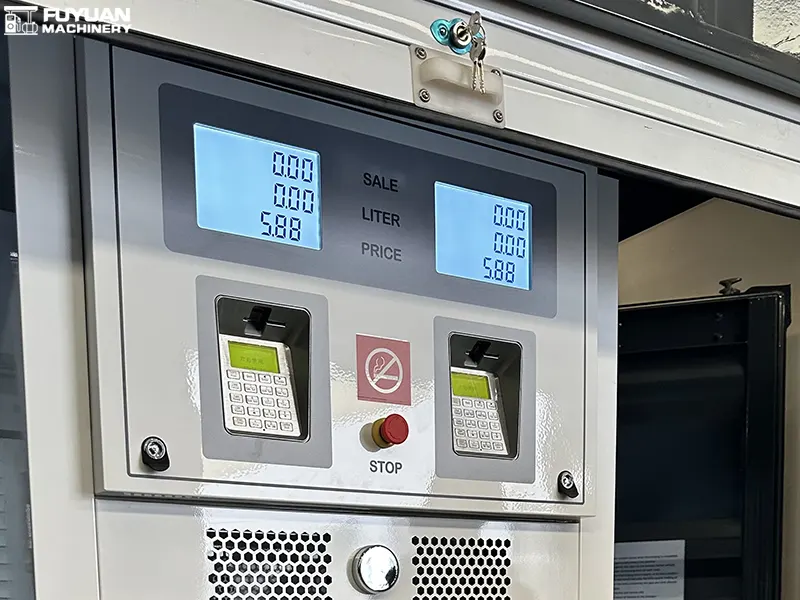
10. Enhanced Policy Support and Streamlined Approval Processes
The government is likely to encourage mobile fueling stations to serve as a supplementary component of the emergency supply assurance system (e.g., for disaster relief or meeting fuel demands during peak agricultural seasons); however, it will simultaneously maintain strict controls to prevent them from disrupting the established order of the refined oil market, potentially leading to a further tightening of market entry standards.
- Key Data: In 2025, the industry's total investment scale is projected to reach RMB 3.85 billion, an increase of 30.1%. Multiple regions have officially incorporated mobile fueling stations into their emergency supply assurance systems, effectively reducing the approval cycle from 60 days to 25 days.
- Impact: Compliant and large-scale operations are becoming the industry mainstream, marking the sector's entry into a phase of high-quality development.
Summary and Data Comparison
| Impact Dimension | Key Data Changes (Q1 2026) | Trend Assessment |
| Gross Profit per Liter | Down 30% (RMB 1.2 --> RMB 0.75) | Short-term Negative |
| Capital Tie-up | Up 60% | Significant Capital Pressure |
| B2B Sales Volume | Up 5%–10% | Long-term Positive |
| Industry Consolidation | 35% of Small Firms Exit | Concentration at the Top |
| New Energy Transition | Integrated Stations Up 42% | Structural Upgrade |
Conclusion:
While rising oil prices create short-term dual pressures-impacting both profitability and capital liquidity-they simultaneously reinforce the core value proposition of mobile fueling stations in the long run. This trend drives the industry to pivot away from price wars toward scenario-based, integrated energy service solutions, ensuring that the strong continue to thrive.
In summary, for the mobile fueling station sector, rising oil prices represent neither a purely negative nor a purely positive event; rather, they serve as a profound industry stress test and a powerful catalyst for transformation. In the short term, rising operating costs and heightened compliance risks will weed out enterprises with weak risk-resistance capabilities. Over the long term, an environment of high oil prices will drive mobile fueling stations to pivot from an extensive, volume-driven model focused on "low prices and high volume" toward a refined operational approach centered on "intelligent dispatching, diversified energy sources, and value-added services." Only by proactively embracing new energy strategies, strengthening digital management, and cultivating differentiated services can mobile fueling stations establish true competitive barriers amidst a volatile oil market. Looking ahead, as sustained high oil prices become the norm, mobile fueling stations are poised to emerge as one of the most resilient and dynamically innovative growth engines within the global retail market for refined petroleum products.
Written by
TAI'AN FUYUAN MACHINERY EQUIPMENT CO., LTD.
Editor Yuan
www.mobile-fuel-stations.com/
WhatsApp:+86 182 6667 0999
Email:yuanyuzhu6@126.com

Leading Chinese Manufacturer & Exporter of mobile fuel stations and skid-mounted fuel stations.