
- Home
- Company
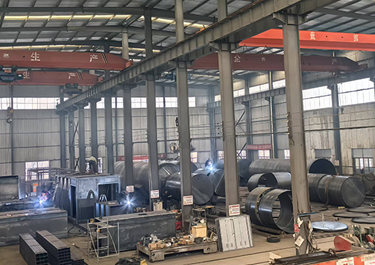 Our FactoryWe have a team of over 30 talented mobile fuel station R&D experts, as well as a 50,000-square-meter advanced modern intelligent manufacturing plant.
 - Mobile Fuel Station
- Storage Tank
- Blog
- Contacts
The Top 10 Essential Routine Maintenance Items for Mobile Fueling Stations
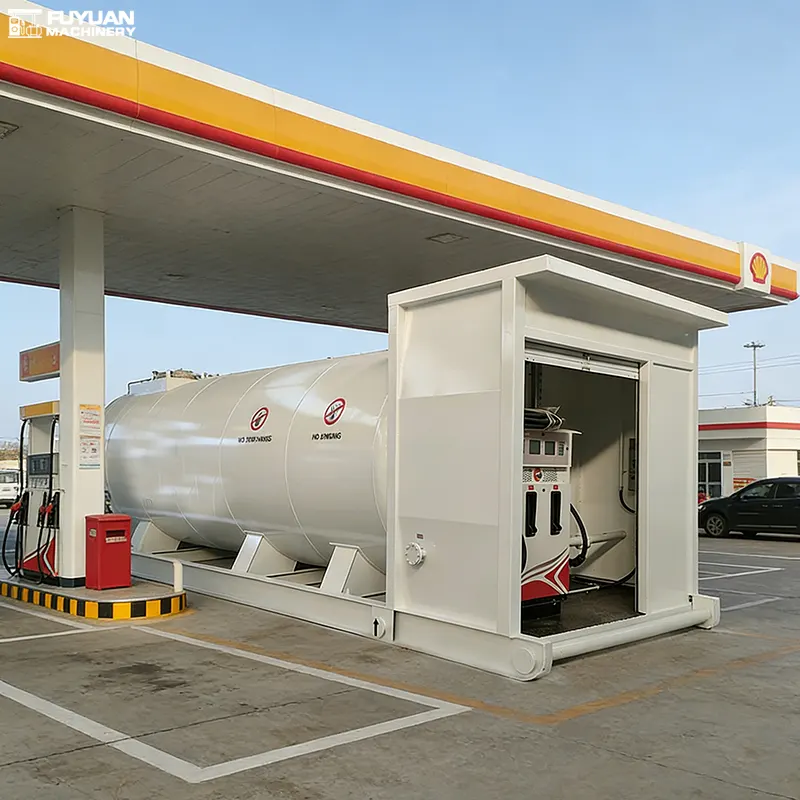
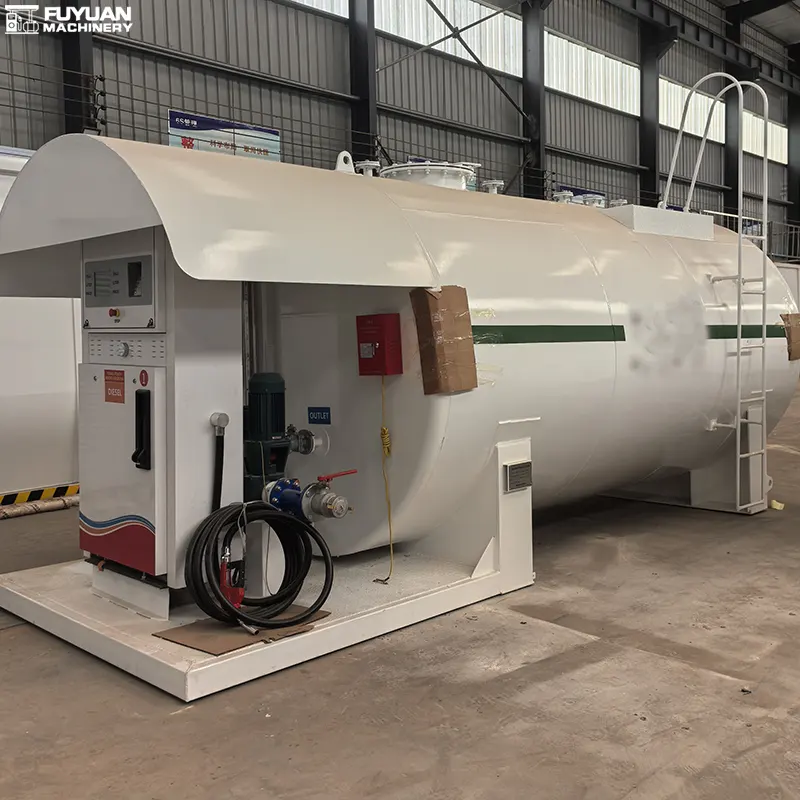
Due to their flexibility and convenience, mobile fueling stations are widely deployed in various settings, such as logistics parks, mining sites, and ports. However, as usage frequency increases and environmental conditions fluctuate, the various components of the equipment inevitably experience wear, aging, or performance degradation. Without systematic and regular routine maintenance, not only is the service life of the equipment shortened, but significant safety hazards—such as leaks, static electricity accumulation, or even fire and explosion risks—may also be left unchecked. To address this, Fuyuan Machinery has compiled a list of the 10 most critical routine maintenance items for mobile fueling stationsmobile fueling stations. This guide aims to assist operators in establishing standardized and efficient maintenance protocols, thereby ensuring that the equipment consistently operates in a safe, reliable, and compliant manner.
1. Storage Tank Body Maintenance
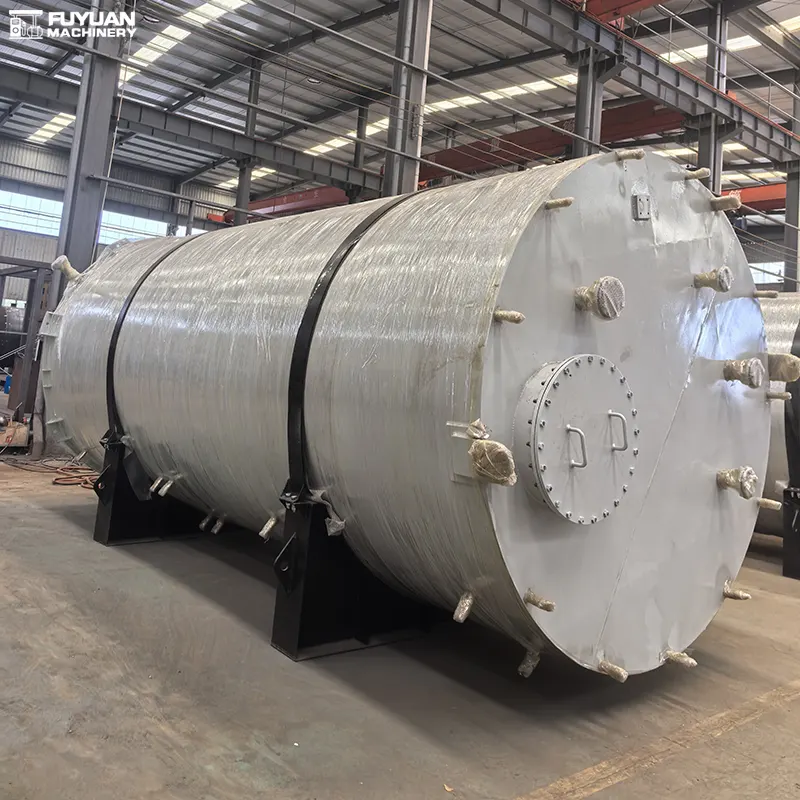
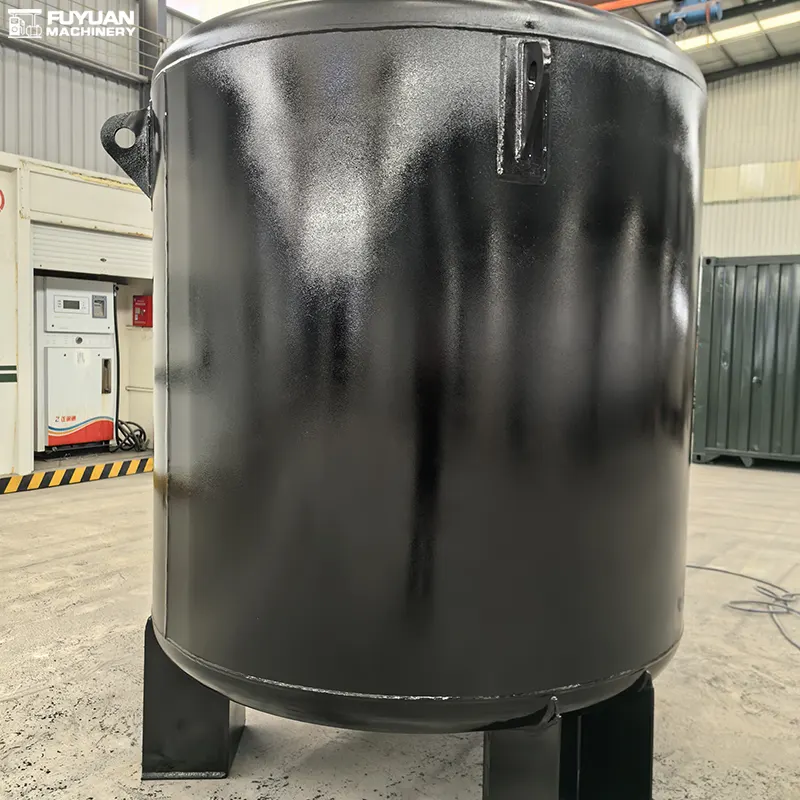
Maintenance of the storage tank body serves as the bedrock for the safe operation of Fuyuan mobile fueling stations; it directly determines the equipment's corrosion resistance, service life, and the effectiveness of measures to prevent and control leakage risks.
1.1. Routine Airtightness Test
- Test Pressure: 0.1 MPa.
- Pressure Holding Duration: 30 min.
- Acceptance Criteria: Pressure drop <= 5%; no leaks or visually perceptible deformation in the tank body, welds, or flanges.
1.2. Periodic Hydrostatic Test (Annual Inspection)
- Test Pressure: 0.25–0.3 MPa.
- Pressure Holding Duration: 60 min.
- Acceptance Requirements: No water seepage, no bulging, and no leaks in the welds.
1.3. Tank Body Anti-Corrosion and Rust Control
- Anti-Corrosion Coating Thickness: Outer wall >= 200 µm; inner wall anti-corrosion layer >= 150 µm.
- Rust Assessment Criteria: Localized rust area <= 0.5%; rust depth must not exceed 1/10 of the tank steel plate thickness.
- Paint Film Damage: If the damaged area exceeds 10 cm2, immediate rust removal and repair are required.
1.4. Tank Structure and Accessory Sealing
- Manhole Covers and Flange Sealing Surfaces: Flatness deviation <= 0.3 mm.
- Gasket Service Life: Routine mandatory replacement every 12 months; immediate replacement required in cases of aging, hardening, or cracking.
- Tank Body Deformation: Localized indentation depth <= 8 mm; no plastic deformation or weld cracking.
1.5. Breather Valve / Venting Device Technical Specifications
- Positive Pressure Opening: +350 Pa to +1000 Pa.
- Negative Pressure Opening: -150 Pa to -500 Pa.
- Inspection Cycle: Daily spot checks; monthly disassembly and cleaning; must be free of blockages or sticking.
2. Maintenance of Explosion-Suppression Materials
The periodic maintenance of explosion-suppression materials serves as the fundamental guarantee for the safety and explosion-prevention performance of the Fuyuan Mobile Fueling Station. Should these materials experience settling, fragmentation, or blockage, their capacity to suppress explosions will be significantly diminished—or even completely lost.
2.1. Filling Structure Parameters
- Material Packing Density: 90%–95%.
- Void Ratio Standard: Maintain 25%–35%; strictly prevent compaction-induced clumping or void blockage.
- Filling Height: Ensure full coverage up to a level just below the maximum liquid limit, leaving a safety buffer zone.
2.2. Damage and Aging Assessment Criteria
- Unit Deformation/Collapse Rate: <=3% within any single zone; overall collapse rate must not exceed 5%.
- Corrosion/Damage: If the damaged area of a single component exceeds 20%, localized replacement is required.
- Looseness/Displacement: After vehicle movement or loading/unloading operations, material displacement must not exceed 100 mm.
2.3. Maintenance Cycle and Inspection Requirements
- Routine Visual Inspection: Once per month.
- Internal Sampling Inspection (Manhole Endoscopy): Once per quarter.
- Full Tank Cleaning + Comprehensive Material Inspection: Once every 2–3 years.
- Media Compatibility: Explosion-proof materials designated for diesel and gasoline must not be intermixed; oil corrosion resistance ratings must meet applicable standards.
2.4. Safety Limits
- Clearance between Explosion-proof Material and Tank Wall/Piping: >=50 mm to prevent friction or impact damage.
- Prohibition of Impurity Accumulation/Water Buildup: Water depth at the tank bottom must not exceed 30 mm; drain and clean monthly.
3. Fuel Dispenser, Nozzle, and Hose Maintenance
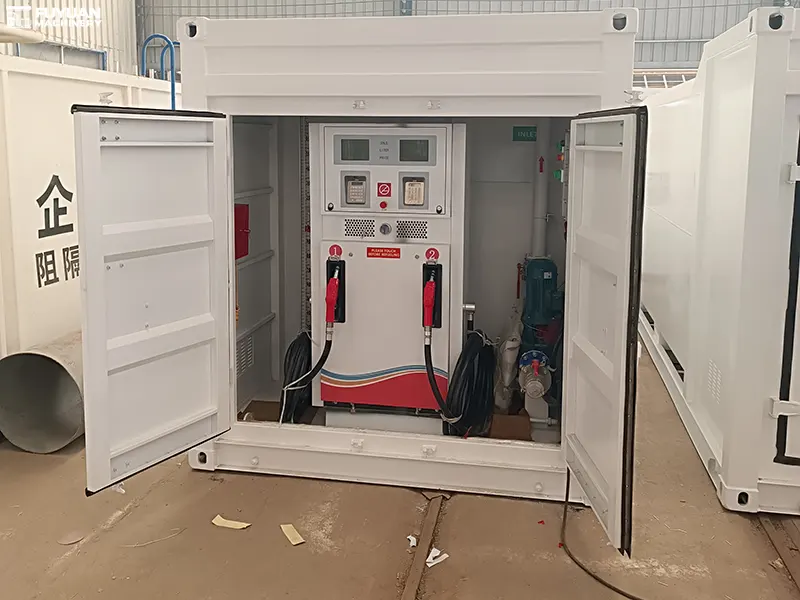
- Fuel Dispenser: Housing intact; buttons and display functioning normally; bolts securely fastened; no leaks.
- Fuel Nozzle: Auto-shutoff function operating normally; no dripping; vapor recovery boot intact; limit mechanism resetting correctly.
- Hoses: No cracks, bulges, or physical damage; hose couplings free of leaks.
- Filters: Clean or replace periodically to prevent clogging by impurities.
- Security Seals: Seals on the metering unit and main control board must remain intact.
4. Submersible Pump, Valve, and Piping System Maintenance
- Submersible Pump: Operate without abnormal noises; motor insulation resistance >=1 Mohm; clean filters periodically.
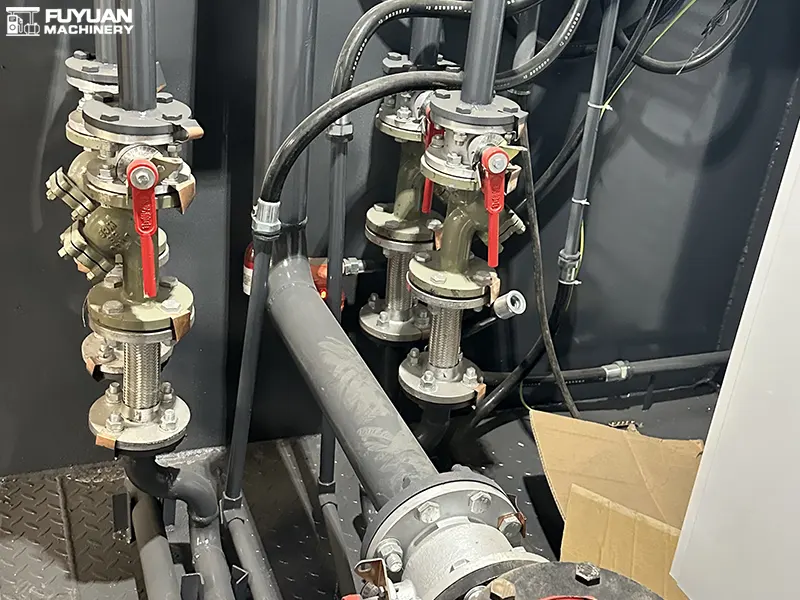
- Emergency Shutoff Valve: Perform manual and automatic tests to ensure complete closure within 3 seconds. - Piping, Flanges, Valves: No leaks, no corrosion; supports are secure, and seals are effective.
- Check Valves, Foot Valves: Tight sealing, no internal leakage.
5. Metering and Instrumentation System Calibration
- Level Gauges: Calibrated every six months.
- Fuel Dispenser Flow Meters: Error kept within ±0.3%.
- Pressure Gauges, Thermometers: Periodically verified; readings are accurate.
6. Static Grounding, Bonding, and Explosion-Proof Electrical Inspection
- Grounding Resistance: Daily testing <=10ohm.
- Bonding Wires: Securely connected between flanges, tanks, and equipment; no signs of aging or breakage.
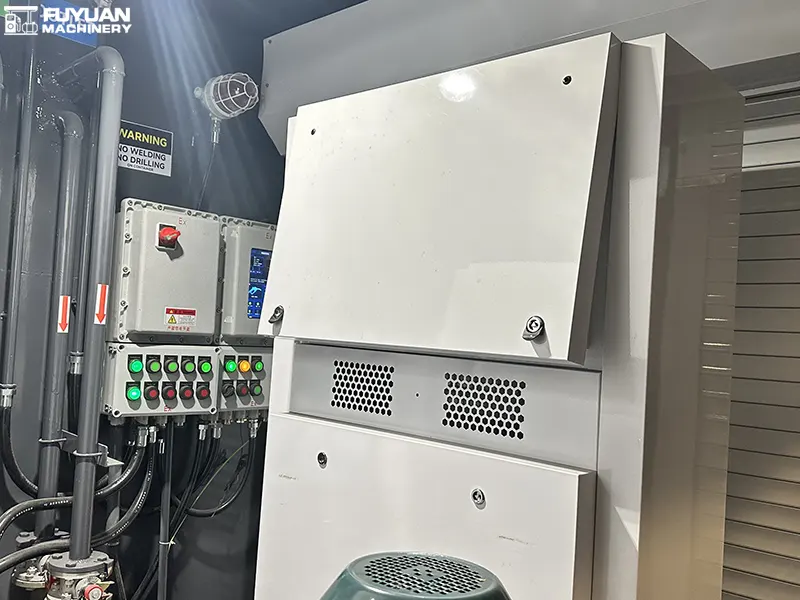
- Electrical System: Explosion-proof wiring and sealing compound are intact; no loose connections or overheating; insulation is sound.
- Lightning Protection and Anti-Static Devices: Intact and effective.
7. Vapor Recovery System Inspection
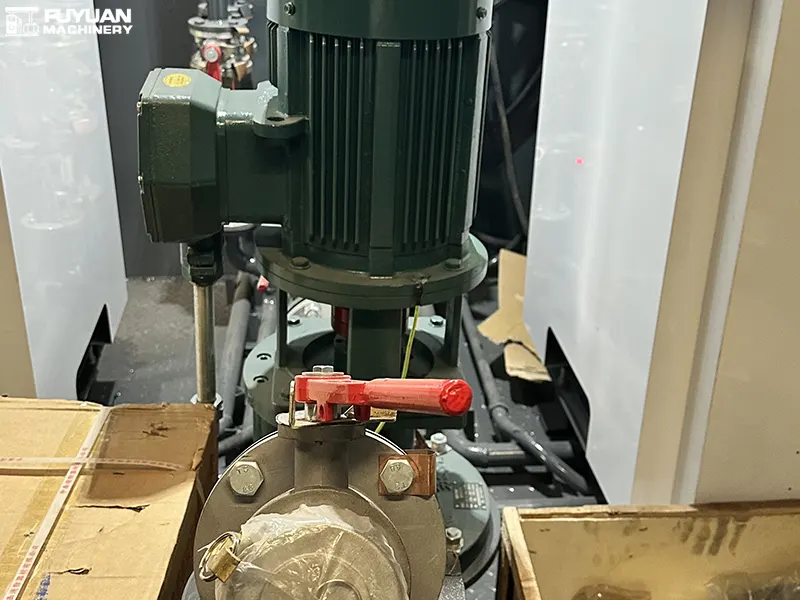
- Secondary Vapor Recovery Pump: Operating normally; no leaks; drive belt is intact.
- Recovery Piping and Joints: No leaks; vacuum/pressure levels are normal.
- Vapor Recovery Nozzles and Hoods: Intact; seals are effective.
8. Firefighting and Emergency Facility Checks
- Fire Extinguishers: Pressure gauge in the "green zone"; intact and effective; contents replaced periodically.
- Fire Sand, Fire Blankets, Fire Shovels: Fully stocked; dry and ready for use.
- Sprinkler/Cooling System: No clogged nozzles; piping is unobstructed.
- Emergency Warnings and Signage: Clear and intact.
9. Fuel Quality and Cleanliness Maintenance
- Fuel Tank Cleaning: Tanks cleaned periodically to remove water and impurities.
- Fuel Testing: Checks for moisture content, impurities, and contamination levels.
- Vents and Filters: Clean and unobstructed.
10. Structural, Chassis, and Compliance Record Maintenance
- Mobile Chassis/Frame and Outriggers: Secure; no deformation or corrosion.
- Anti-Corrosion, Thermal Insulation, and Rain Protection: Intact; salt-mist protection applied in coastal areas.
- Maintenance Records, Inspection Reports, and Asset Registers: Retained in full for a minimum of 3 years. - Personnel Safety Training and Emergency Drills: Conduct periodic refresher training.
In summary, the routine maintenance of mobile fueling stations is not a dispensable add-on task, but rather a critical component for ensuring safe operations, extending equipment lifespan, and reducing long-term costs. The ten fundamental items outlined above cover key components ranging from the storage tank itself, explosion-proof barrier materials, and fuel dispensers to pipelines, valves, static grounding systems, and fire safety facilities—each of which demands meticulous attention. It is recommended that operating entities establish a cyclical maintenance schedule, clearly designate responsible personnel, and maintain comprehensive records, thereby truly realizing the principle of "preventive maintenance over reactive repair." Only by rigorously implementing routine maintenance can mobile fueling stations fulfill their intended value and provide a reliable, safe, and enduring fuel supply for a wide variety of application scenarios.
Written by
TAI'AN FUYUAN MACHINERY EQUIPMENT CO., LTD.
Editor Yuan
www.mobile-fuel-stations.com/
WhatsApp:+86 182 6667 0999
Email:yuanyuzhu6@126.com

Leading Chinese Manufacturer & Exporter of mobile fuel stations and skid-mounted fuel stations.