
- Home
- Company
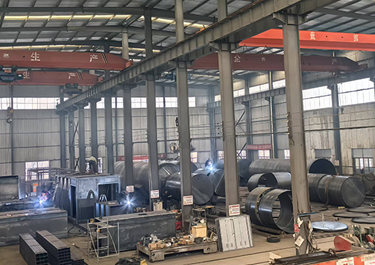 Our FactoryWe have a team of over 30 talented mobile fuel station R&D experts, as well as a 50,000-square-meter advanced modern intelligent manufacturing plant.
 - Mobile Fuel Station
- Storage Tank
- Blog
- Contacts
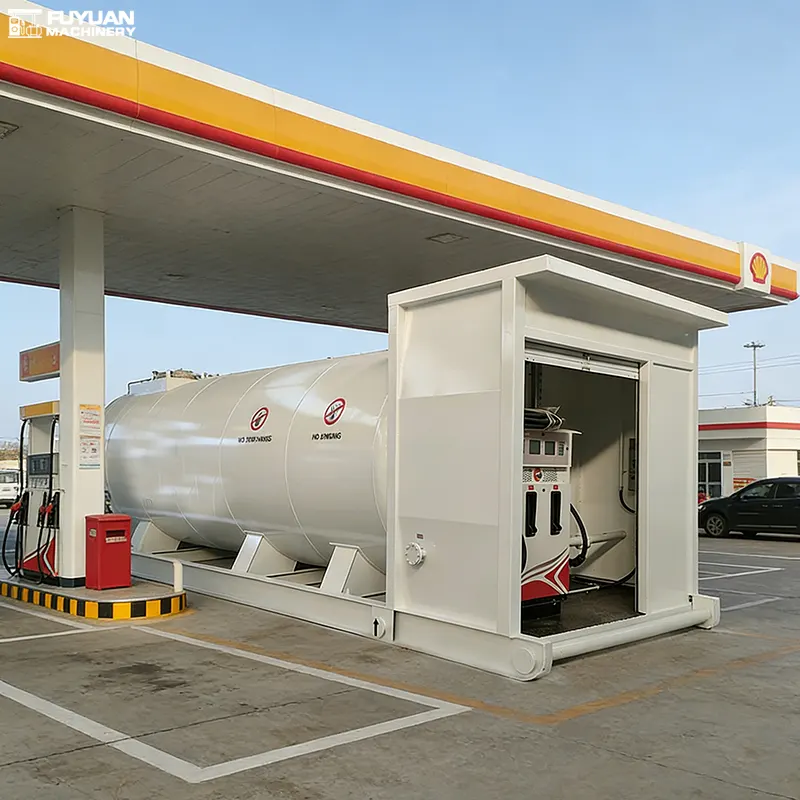
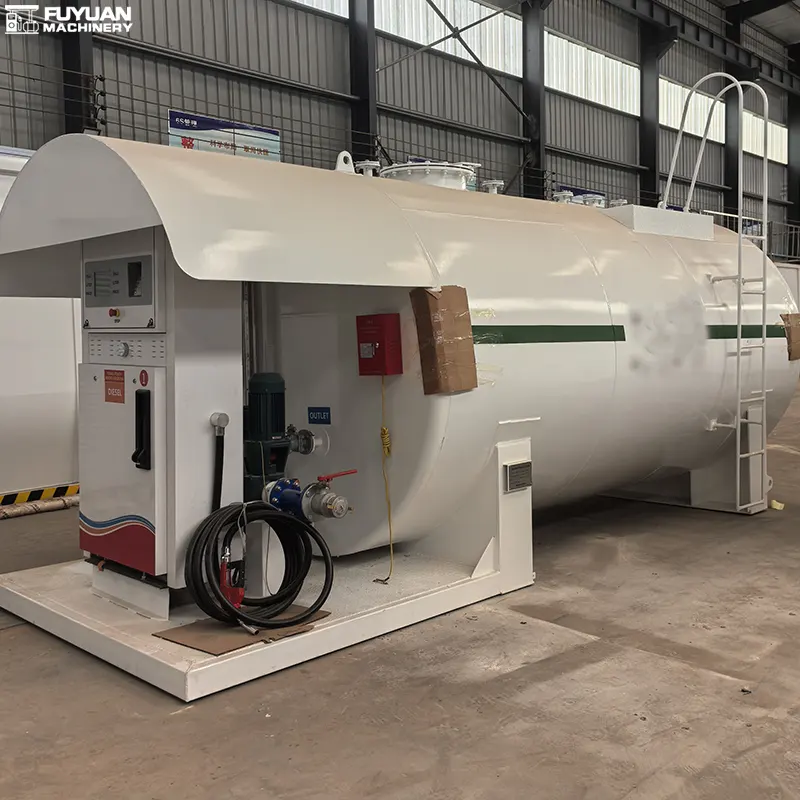
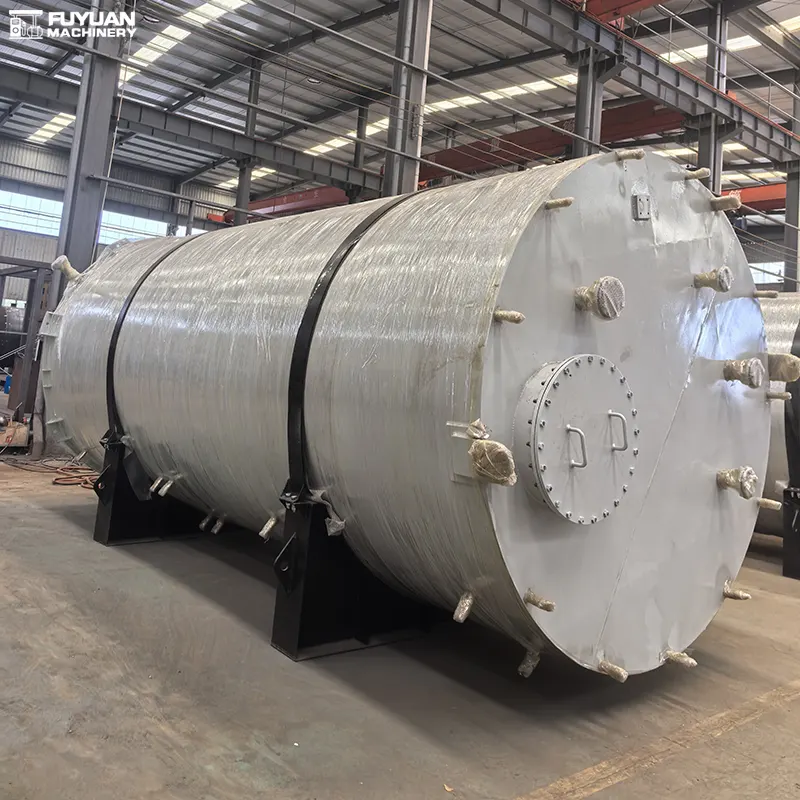
The 10 Basic Acceptance Items for Mobile Fuel Stations
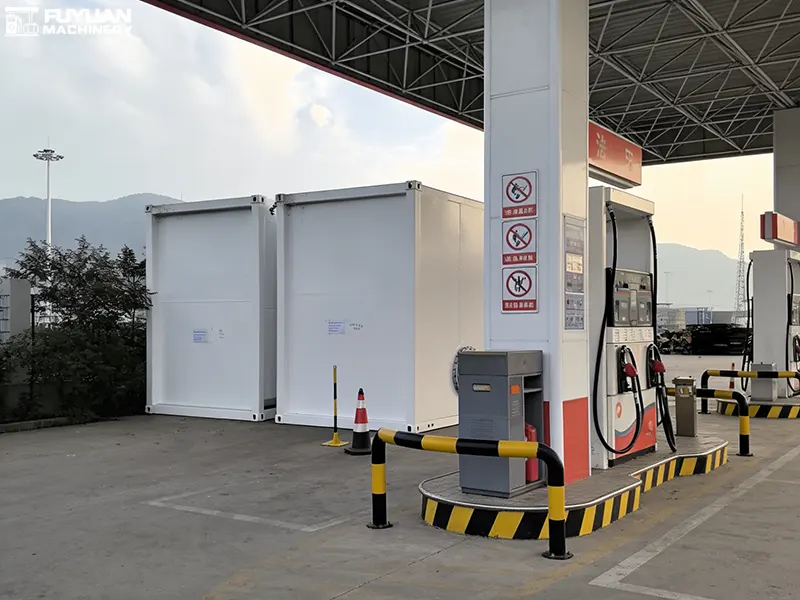
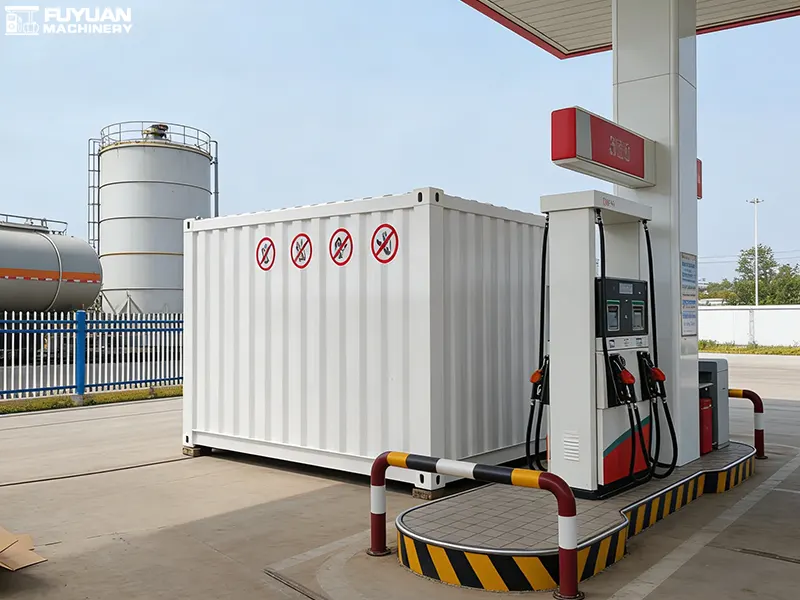
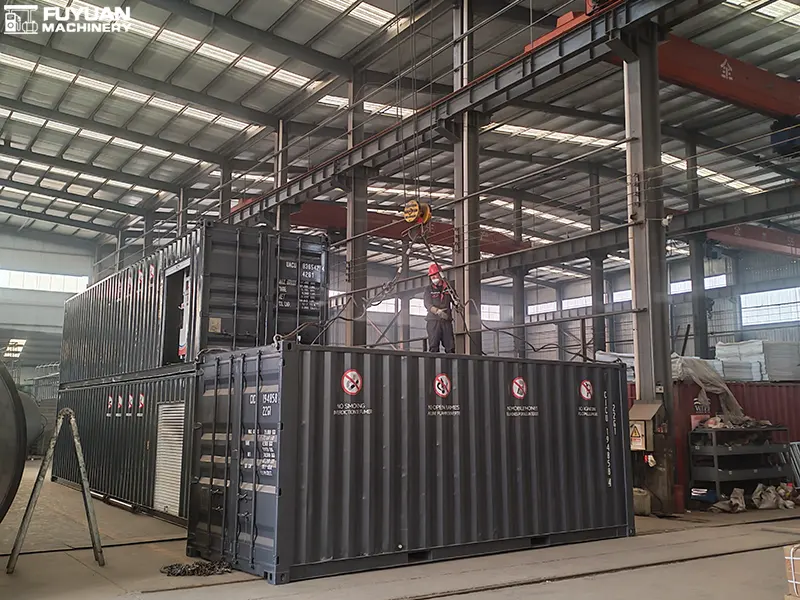
The acceptance of mobile fuel stations is a crucial step in ensuring safe operation and compliance with international standards. It must be conducted focusing on core aspects such as structure, explosion-proof features, pressure testing, metering, electrical systems, and fire protection. The following are the ten most basic acceptance items, strictly adhering to international standards to ensure equipment compliance and reliable operation.
1. Tank Structure and Explosion-Proof Acceptance (International Core Standard)
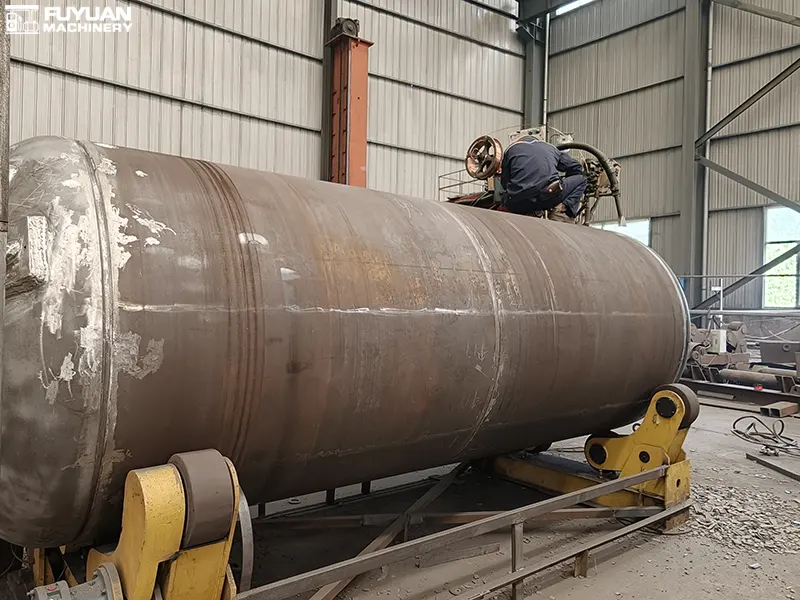
1.1. Tank Structure Type Acceptance
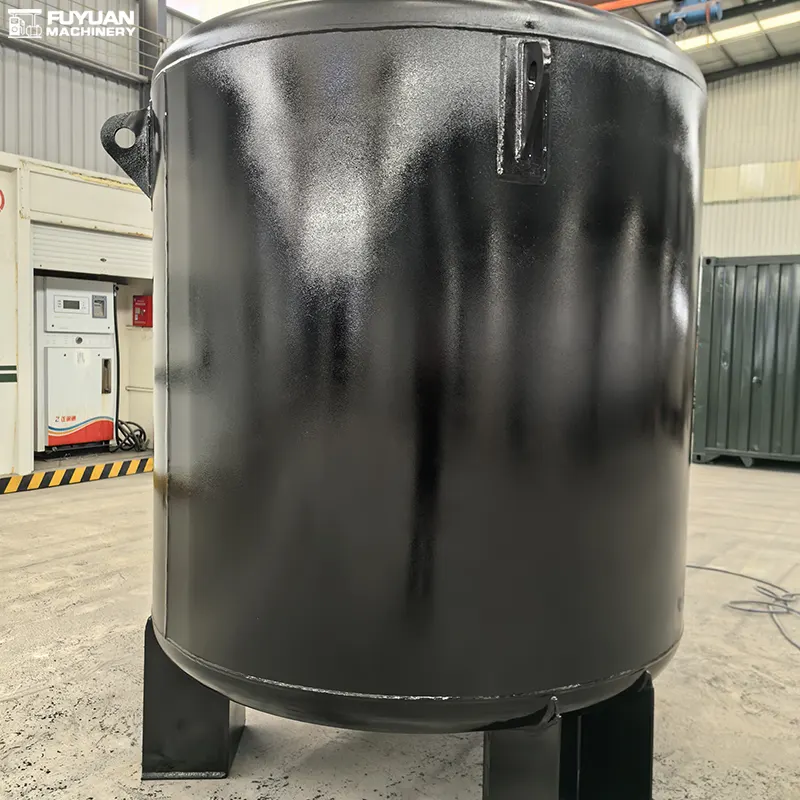
Tank Structure
- Must be a double-walled structure (double-walled tank): inner tank for oil storage + outer tank for protection + intermediate inspection interlayer.
- International requirement: Single-walled tanks are strictly prohibited from use in mobile refueling stations for refined oil products.
Material Requirements
- Inner Tank: Q345R / 16MnR / corresponding European standard S355J2G3 carbon steel.
- Outer Tank: Equivalent grade structural steel.
- Oil-contact seals: Fluororubber FKM / Nitrile rubber NBR, oil-resistant and aging-resistant.
Tank Geometry and Welding
- Welds: 100% visual inspection + >=20% non-destructive testing (UT/MT).
- Tank ellipticity and straightness deviation: <= 1% of nominal diameter.
- No obvious deformation, dents, rust, or cracks
1.2. Double-walled Tank Leakage Monitoring System
- Monitoring Method: Select one of vacuum monitoring / pressure monitoring / liquid level sensor monitoring.
- International Leakage Standard: Permissible leakage <= 0.015 L/h (15 mL/h).
- Acceptance Requirements: No leakage alarm after 24 hours of pressure holding.
- Interlayer Space: The interlayer must be sealed, detectable, and not directly connected to the atmosphere.
1.3. Acceptance of Explosion-Proof Barrier Device
- Filling Material: Aluminum alloy honeycomb explosion-proof barrier material (compliant with AQ3002, EN 13611).
- Filling Rate: Effective volume filling rate inside the tank >= 95%.
- Explosion-proof Performance Indicators: Ultimate explosion pressure <= 0.05 MPa (0.5 bar), with no backfire, no sympathetic explosion, and no continuous combustion.
- Structural Requirements: Modules must be securely fixed, with no loosening, detachment, or debris.
1.4. Pressure and Sealing Tests (International Pressure Testing Standards)
Hydraulic Strength Test
- Test Pressure: 1.5 times the design pressure.
- Pressure Holding Time: 30 min.
- Judgment: No leakage, no visible deformation, no abnormal noise.
Air Tightness Test
- Test Pressure: 0.1 MPa (1 bar).
- Pressure Holding for 1 hour, pressure drop: <= 0.5%.
Breath Valve/Safety Valve Calibration
- Opening Pressure: +1.5 kPa for air intake, -1.5 kPa for air exhaust (commonly used).
- Tight reseating, no leakage.
1.5. Overflow Prevention and Level Control System
- High Level Alarm: Alarm Point >= 90% of liquid level.
- Automatic Overflow Cut-off: Action Point >=95% Liquid level, cut-off response time < 1s.
- Overflow prevention valve/overflow prevention probe: Reliable operation, leak-free seal.
1.6. Anti-static and Lightning Protection Structure Acceptance
- Tank grounding terminal: Dedicated grounding bolt, cross-section not less than M10.
- Grounding resistance: Anti-static grounding <= 4 ohm, lightning protection grounding <= 10 ohm.
- Flange bridging: Bridging resistance between metal flanges <= 0.03 ohm.
1.7. Corrosion Resistance and Environmental Adaptability
- Internal corrosion protection: Conductive anti-corrosion coating, surface resistivity between 106 and 109 ohm.
- External corrosion protection: Epoxy zinc-rich primer + topcoat, meeting outdoor C3~C4 corrosion environment requirements.
- Base and frame: Integral steel frame, earthquake-resistant and anti-tipping, meeting the strength requirements for mobile equipment transportation.
1.8. International Acceptance Judgment Principles
- Double-wall structure, leakage monitoring, explosion-proof barrier, and pressure testing are all disqualifying factors.
- Failure to meet any one of these criteria results in the entire storage tank being deemed unqualified.
- Must provide: material certificate, welding report, pressure test record, explosion-proof test report, and third-party certification (CE/ATEX/IECEx).
2. Piping and Valve System Pressure Testing (Internationally Applicable)
2.1. General Requirements for Pressure Testing
Test Medium
- Oil pipelines, fuel oil pipelines: Clean water is preferred.
- Low-temperature hydraulic oil/antifreeze can be used in extremely cold environments.
- Direct pressure testing of fuel oil pipelines with air is strictly prohibited.
Pre-Test Inspection
- Pipeline connections are secure, and supports are installed in place.
- Valve opening and closing status is correct; instruments and sensors are temporarily isolated or blind flanges are installed.
- Warning signs are set up in the test area, and unauthorized personnel are evacuated.
2.2. Hydraulic Strength Test
- Scope of Application: Inlet pipelines, outlet pipelines, oil and gas recovery pipelines, and valve bodies.
- Test Pressure: >= 1.5 times the design working pressure. Common design pressures for skid-mounted stations are 1.6 MPa / 2.5 MPa, corresponding to strength test pressures of 2.4 MPa / 3.75 MPa.
- Pressure Holding Time: 30 minutes.
- Pass/Fail Criteria: No visible deformation, no leakage, no sweating, no dripping, and no significant pressure drop.
2.3. Airtightness Test
- Test Medium: Dry compressed air / nitrogen.
- Test Pressure: 1.1 times the design pressure or the industry-standard 1.76 MPa (corresponding to a 1.6 MPa design), with a minimum of 0.1 MPa (1 bar).
- Pressure Holding Time: 60 minutes.
- Pressure Drop Requirement: Pressure drop <= 0.5% of the test pressure, or visually, the pressure reading shows virtually no change.
- Leak Detection Method: Apply soapy water/leak detection solution to all welds, flanges, threads, and valve packing. No bubbles indicate pass/fail.
2.4. Valve-Specific Pressure Testing and Acceptance
Valve Body Strength Test
- Test Pressure: 1.5 times nominal pressure.
- Pressure Holding Time: 3-5 minutes.
- Requirements: No leakage or deformation of the valve body.
Valve Sealing Test
- Test Pressure: 1.1 times nominal pressure.
- Pressure Holding Time: 3-5 minutes.
- Requirements: Zero leakage at the sealing surface of gate valves and ball valves; no reverse leakage for check valves.
Emergency Shut-off Valve (ESD Valve) Additional Acceptance
- Action Response Time: < 0.5 seconds.
- Automatic safety closure during power/gas outages.
- Sealing test after closure: Zero leakage.
2.5. Oil and Gas Recovery Pipeline Pressure Testing
- Air tightness test pressure: 0.1 MPa (1 bar).
- Pressure holding time: 30 minutes.
- Acceptance Criteria: Pressure drop <= 0.005 MPa, and no leakage throughout the entire process, ensuring a closed recovery system.
2.6. Key Points for Internationally Acceptable Acceptance Records
- Test Date, Medium, Ambient Temperature
- Design Pressure, Test Pressure
- Pressure Holding Time
- Pressure Drop Value
- Leakage Inspection Results
- Inspector's and Third-Party Signatures
3. Fuel Dispenser Metering Accuracy (OIML International Standard)
Based on OIML R117 and EN 13611:
- Basic Error: 0.3% (-0.3‰).
- Repeatability Error: <= 0.15%.
- Must be calibrated and labeled by a NIST/UKAS/ILAC accredited body.
4. Acceptance of Explosion-Proof Electrical Systems (ATEX / IECEx)
All electrical equipment (pumps, motors, lights, instruments) must meet Zone 1 explosion-proof rating:
- Explosion-proof Marking: Ex d IIB T3 Gb or higher.
- Insulation Resistance: Power circuit >= 1 Mohm, control circuit >= 0.5 Mohm.
- Cable Sealing: Explosion-proof gland, no exposed joints.
5. Lightning Protection and Anti-static Grounding (IEC 60079)
- Lightning Protection Grounding: Grounding resistance <= 10 ohm.
- Anti-static Grounding: Tank, pipeline, and fuel dispenser grounding resistance <= 4 ohm.
- Bridging: Flange bridging resistance <= 0.03 ohm.
6. Safety Control System Functional Testing (International Safety Standards)
- Emergency Stop (ESD): Multi-position button, complete system oil and power cut-off within 0.5 seconds.
- Liquid Level Monitoring: 90% high liquid level alarm. 95% automatic shut-off to prevent overflow.
- High Temperature Oil Cut-off: Automatic cut-off when pipeline temperature >= 85oC.
- Oil and Gas Recovery: Qualified sealing, recovery efficiency >= 90% (EN 13612).
7. Fire Protection and Safety Facilities (NFPA 10 / EN 3)
Fire Extinguishers:
- 2 x 5kg ABC dry powder extinguishers or 1 x 5kg dry powder + 1 x 6L foam extinguisher per 2 fuel dispensers.
- 1 x 35kg trolley-type dry powder extinguisher is also provided.
- Dikes/Leakage Prevention: Effective volume >= single tank volume, 100% leak-proof.
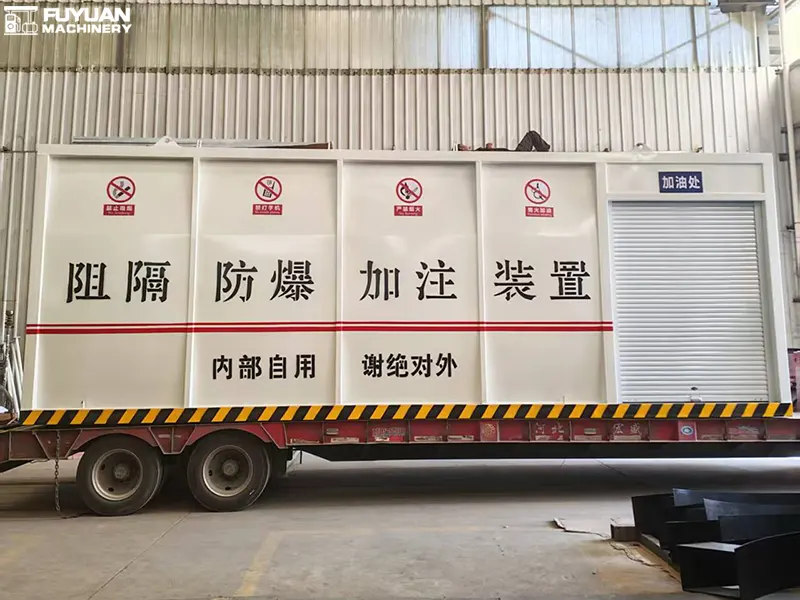
- Warning Signs: No Smoking, No Fire, Explosion-Proof, etc., comply with ISO 7010 standards.
8. Oil and Gas Leakage and Environmental Monitoring (EN 13612)
- Tank Area Leakage: 0 leakage detected by double-wall gap monitoring.
- Oil and Gas Emissions: Submersible refueling, Breather valve leakage <= 0.01%. Oil and gas recovery system is airtight.
9. Equipment Performance and Material Acceptance
- Unloading Pump: Self-priming height >= 5m, stable flow rate.
- Material: Parts in contact with oil are made of 304/316 stainless steel, aluminum alloy, and fluororubber; free of copper and zinc (spark retardant).
- Appearance: Free from deformation, rust, and weld defects; anti-corrosion coating meets standards.
10. Documentation and Certification Acceptance (International Compliance)
Required Documents:
- CE / ATEX / IECEx explosion-proof certification.
- Type test report from a classification society (e.g., DNV) or a third party (TUV, SGS).
- Pressure vessel certificate for storage tanks (PED/ASME).
- Metrological calibration certificate (OIML).
- As-built drawings, pressure test records, grounding records, and operation manual.
The above ten items are the core contents of mobile fuel station acceptance; all must pass before it can be put into use. Complete records and test reports must be retained during acceptance to firmly establish safety and environmental protection standards and meet internationally accepted operational requirements. The acceptance of a mobile fuel station is not a formality, but a risk-based systematic project. This checklist can serve as the core framework for your acceptance work. In practice, it is recommended to strictly refer to the specific standards applicable to the project (the international NFPA 30A) and to hire a qualified third-party organization to conduct a professional assessment.
Written by
TAI'AN FUYUAN MACHINERY EQUIPMENT CO., LTD.
Editor Yuan
www.mobile-fuel-stations.com/
WhatsApp:+86 182 6667 0999
Email:yuanyuzhu6@126.com

Leading Chinese Manufacturer & Exporter of mobile fuel stations and skid-mounted fuel stations.