
- Home
- Company
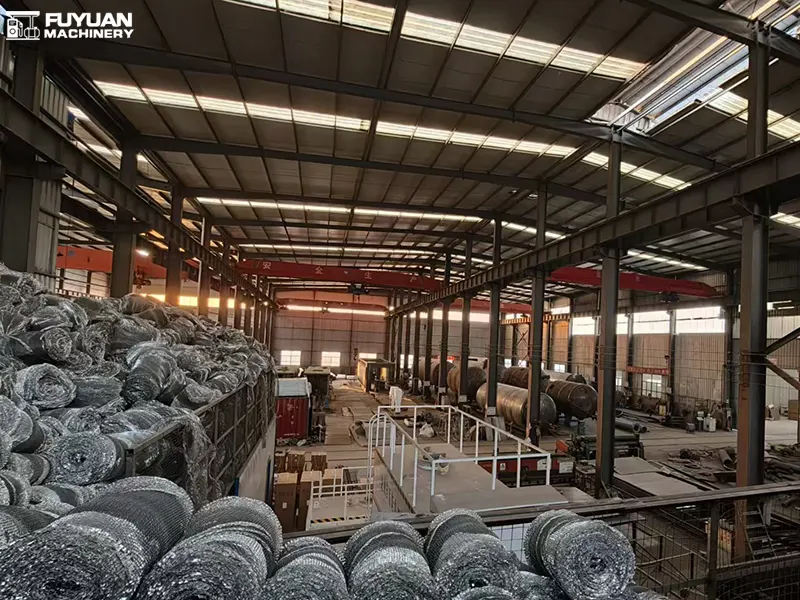
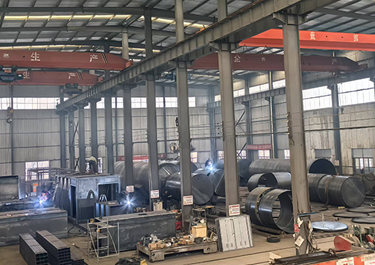 Our FactoryWe have a team of over 30 talented mobile fuel station R&D experts, as well as a 50,000-square-meter advanced modern intelligent manufacturing plant.
 - Mobile Fuel Station
- Storage Tank
- Blog
- Contacts
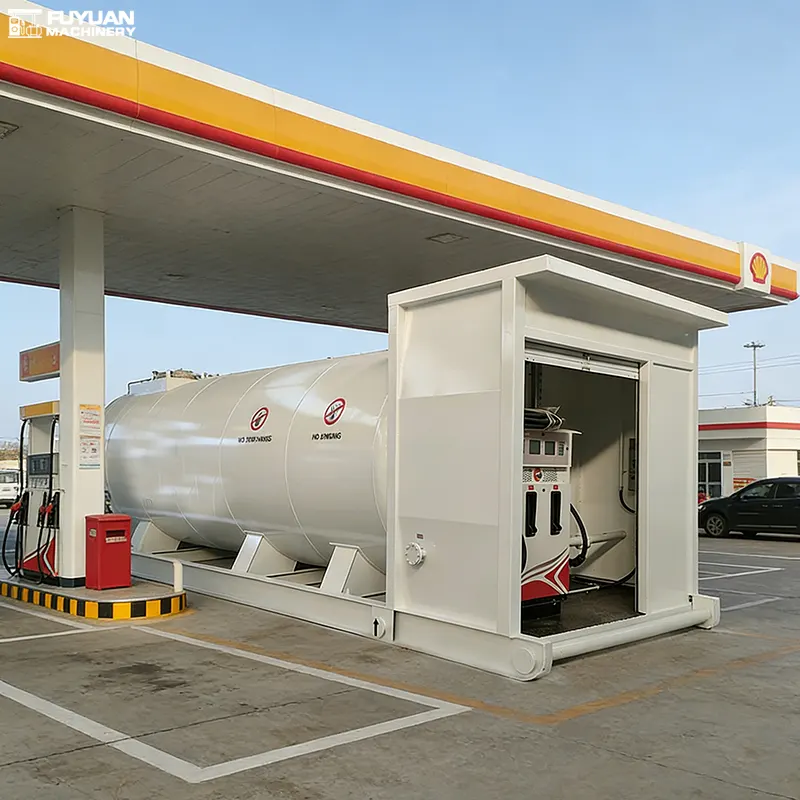
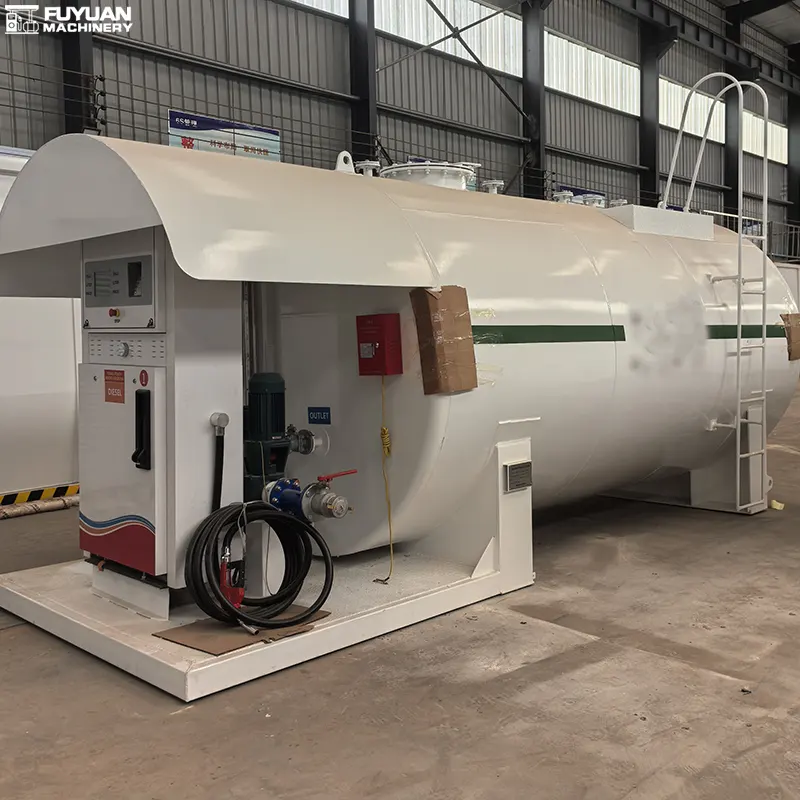
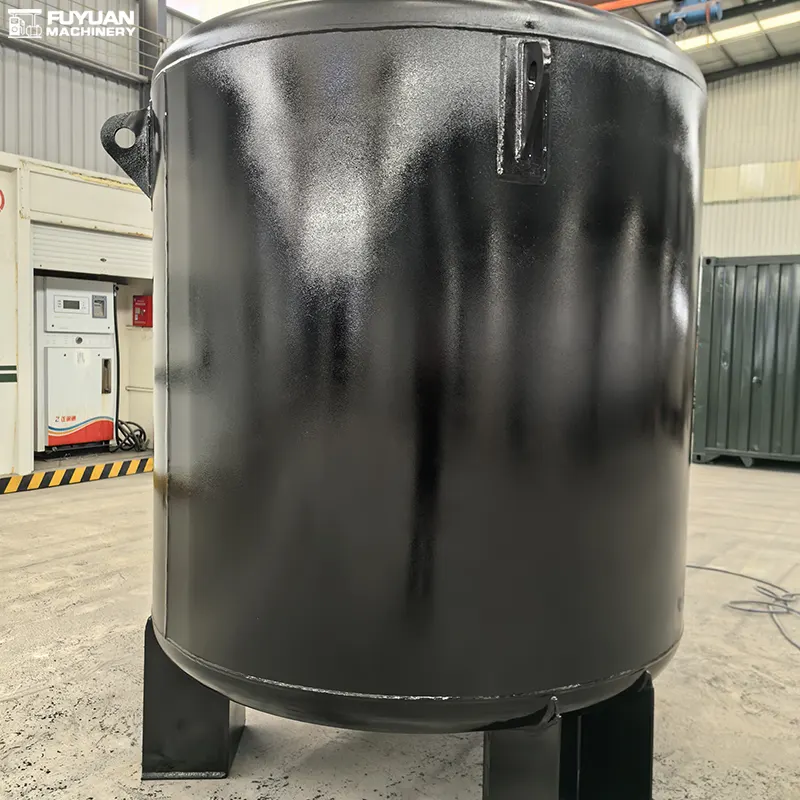
6 Steps for Fire Safety Inspections at Mobile Fuel Stations
For mobile fuel stations, daily fire safety inspections are an absolute necessity. Many managers sometimes view this as a completely unnecessary waste of time, however, this is a fundamentally mistaken belief. In environments as highly flammable and explosive as mobile fuel stations, routine fire safety inspections constitute one of the most critical aspects of daily operations. Today, we will walk you through the three essential steps for conducting fire safety inspections at mobile fuel stations.
Each skid-mounted fueling unit must establish its own fire safety management structure, clearly designating fire safety officers and administrative personnel. The facility must be equipped with appropriate fire safety installations and equipment, and daily fire inspections must be conducted. The specific frequency of inspections may be determined based on shift handover schedules, while fire safety management personnel are required to organize regular, comprehensive fire prevention inspections on a monthly basis. Fire safety training—including fire evacuation drills—must be conducted once every six months. Furthermore, all new employees are required to successfully complete fire safety training before being authorized to commence work.
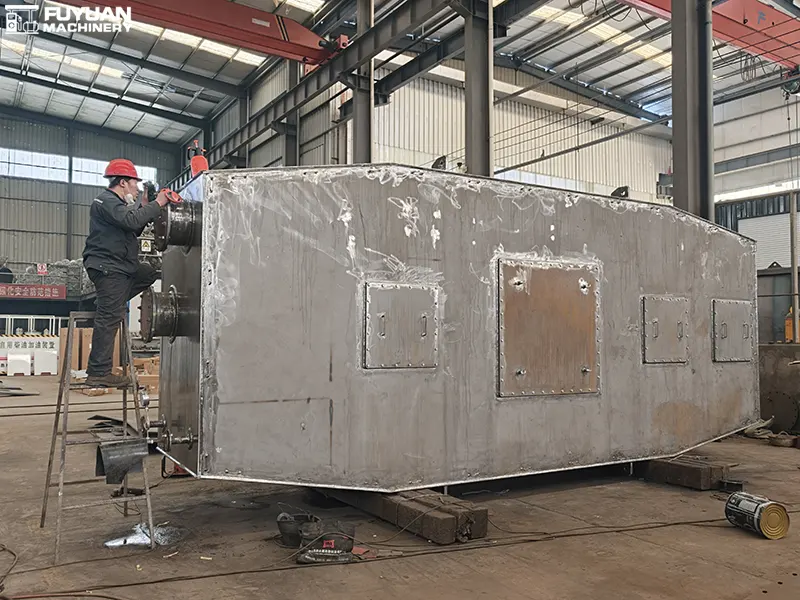
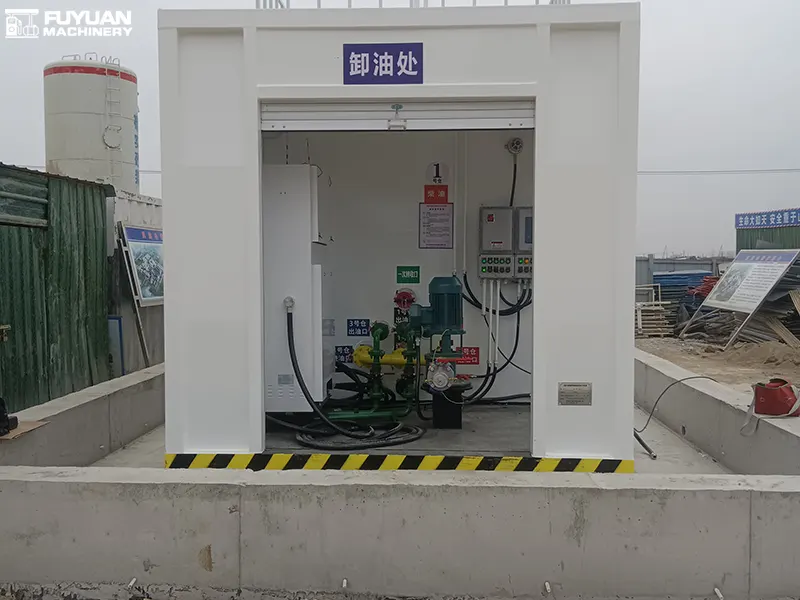
1. Inspection of Firefighting Equipment and Emergency Supplies
1.1. Fire Extinguishers
- Portable Dry Powder Extinguishers: A minimum of two 4kg units must be provided for every two fuel dispensers. The pressure gauge needle must reside within the green zone (1.2–1.5 MPa); if the needle deviates by more than 10o, the unit requires recalibration. The discharge range must be >= 4 meters. Each unit must be weighed monthly, and the extinguishing agent has a shelf life of 5 years.
- Wheeled Dry Powder Extinguishers: A minimum of one 35kg unit must be provided within the oil storage tank area. The discharge range must be >= 8 meters; this range must be physically verified on a quarterly basis. Any damaged discharge hoses must be replaced immediately.
- Density of Deployment: Within the fueling area, a minimum of two 4kg units must be provided for every 50 square meters. If the number of fuel dispensers is fewer than two, the allocation requirement remains the same as for two dispensers.
1.2. Emergency Supplies
- Fire Blankets: A minimum of 5 units (Tier 3 stations require >= 2 units). The folded dimensions must be <= 30 cm * 30 cm, the deployment time must be < 4 seconds, and the blankets must be free of damage or mildew spots.
- Fire Sand: The storage capacity must be >= 2 cubic meters. The sand grain size should range from 0.5 to 1 mm, and the oil content must be < 5%. If the rate of clumping exceeds 10%, the entire batch of sand must be replaced; the sand must be sifted once every six months.
- Emergency Lighting: The backup battery system must provide continuous illumination for a minimum of 90 minutes. A discharge test must be conducted monthly, ensuring that the terminal voltage remains >= 10.5 V.
2. Inspection of Oil Storage and Transfer Systems
2.1. Oil Tank Body
- The tank body must be free of deformation or corrosion, and the welded seams must show no signs of leakage. The protective coating must be intact with 100% coverage.
- Gauging ports and manholes are tightly sealed, with all bolts present and securely fastened; gaskets show no signs of aging or damage.
2.2. Safety Accessories
- Breather Valves/Flame Arresters: Breather valve pressure settings are within the range of -295 Pa to +1765 Pa and operate freely; flame arresters are free of blockages and do not freeze during winter.
- Liquid Level Gauges: Displayed readings deviate from actual oil levels by no more than 1%; an automatic alarm activates at the 90% liquid level, with a response time of <= 5 seconds.
2.3. Static Electricity and Lightning Protection
- Grounding resistance for oil tanks, pipelines, and fuel dispensers is <= 4 ohm; temporary grounding resistance in the unloading area is <= 100 ohm, subject to quarterly testing.
- Lightning air terminals are intact, and down conductors are securely connected; grounding resistance is <= 10 ohm.
2.4. Oil Pipelines
- Flange bonding resistance is <= 0.03 ohm; pipelines are free of leaks, supports are stable, and the integrity rate of the anti-corrosion coating is 100%.
3. Fuel Dispensers and Refueling Area Inspection
3.1. Fuel Dispenser Units
- Fuel nozzles are free of leaks, and hoses show no signs of cracking or bulging; hose length is <= 5 meters, with a tensile reserve of >= 10%.
- Emergency Shut-off Valves: Response time is <= 1 second (tested weekly); leakage volume after shut-off is <= 0.5 L/min.
- Motors and pump bodies produce no abnormal noises; wiring terminal temperatures remain <= 60oC, with no signs of overheating or loose connections.
3.2. Refueling Area Environment
- Refueling islands have a minimum width of 1.2 meters and are kept free of accumulated debris; oil spills on the ground are cleaned up promptly, with the area of any remaining oil stains limited to <= 0.1 m2 per location.
- The distance between fuel dispensers and the station building is >= 5 meters; the distance from any open flame sources is >= 15 meters.
- Flammable Gas Concentration: Concentration in the refueling area is <= 0.2% LEL; the alarm threshold is set at 0.5% LEL, with a response time of <= 30 seconds.
4. Electrical and Explosion-Proof System Inspection
4.1. Explosion-Proof Equipment
- Light fixtures, switches, and junction boxes must all meet or exceed the explosion-proof rating of Exd II BT4; their enclosures must be intact, free of damage, and impervious to water ingress.
- Cable conduit seals must be tight, ensuring no exposed wiring; circuits must show no signs of aging or damage, and their insulation resistance must be >= 0.5M ohm.
4.2. Power Distribution and Protection
- Switches and components within distribution boxes must be in good working order; Residual Current Devices (RCDs) must have a tripping current of <= 30 mA and a tripping time of <= 0.1 s, and must be tested monthly.
- Dual power supply switching time must be < 5 s; fire pumps must start within <= 30 s, and their operating pressure must be >= 0.2 MPa.
4.3. Anti-Static Facilities
- Static discharge devices on fueling nozzles and oil unloading ports must be intact; body static eliminators must maintain a voltage of <= 0.1 kV and discharge static electricity within 1 second of contact.
5. Operations and Site Management Inspection
5.1. Oil Unloading Operations (Six-Step Control Protocol)
- Pre-unloading: 100% verification of the oil product grade; grounding resistance must be <= 100 ohm; sampling and testing must be conducted after a 15-minute settling period.
- During unloading: Continuous supervision is required throughout the process; open flames and the use of mobile phones are strictly prohibited; operations must be immediately suspended during thunderstorms or when wind speeds exceed 10 m/s.
- Post-unloading: Verify that there are no leaks before disconnecting pipelines; the oil tank hatch must be securely closed and locked; residual oil must be recovered to ensure no spillage.
5.2. Fueling Operations ("Three Prohibitions, Four Checks")
- Three Prohibitions: Prohibit fueling while the vehicle engine is running; prohibit customers from using mobile phones; prohibit direct fueling into plastic containers.
- Four Checks: Inspect the fueling hose/nozzle assembly; check the vehicle's fuel tank for leaks; check the surrounding area for open flames or ignition sources; check the vehicle for static electricity accumulation. These checks must be performed on 100% of vehicles.
5.3. Hot Work and Maintenance
- Hot Work Operations: Obtain the necessary work permit and clear the area of all flammable materials; ensure at least two fire extinguishers are present; designate a dedicated safety observer to supervise the work; the concentration of oil/gas vapors at the hot work site must remain <= 0.5% of the Lower Explosive Limit (LEL).
- Tank Cleaning: Mandatory ventilation for 24 hours; hydrocarbon vapor concentration <= 1% LEL; use of explosion-proof tools is required.
5.4. Site Control and Management
- Fire Lanes: Single-lane width >= 4m; double-lane width >= 6m; turning radius >= 9m; lanes must remain unobstructed and free of encroachments.
- Fire Prohibition Signage: Reflective "No Smoking/No Open Flames" signs must be posted in refueling and tank storage areas; signs must be visible from a distance of >= 30m at night.
6. Emergency Response and Management System Inspection
6.1. Emergency Drills
- Frequency: One live-action drill per quarter (including drills conducted at night or during rain/snow); one tabletop exercise every six months.
- Content: Must cover scenarios involving fuel dispenser fires, tank leaks, and fires during fuel unloading; drill duration >= 60 minutes; 100% employee participation rate.
- Assessment: Post-drill debriefing and review; 100% rectification rate for identified hazards; emergency response plans to be revised every six months.
6.2. Emergency Plans and Training
- Emergency Response Plans: Must include procedures for alarm activation (calling 119), evacuation, firefighting, and first aid; 100% employee training coverage; minimum 95% pass rate on assessments.
- Emergency Supplies: Complete inventory list; regular stocktaking required; 100% serviceability rate; supplies must be ready for immediate use at all times.
6.3. Inspection Records
- Daily Patrols: Conducted once daily; records must be complete; 100% closure rate for hazard rectification (ensuring a closed-loop process); rectification deadline <= 24 hours (major hazards require immediate shutdown/suspension of operations).
- Periodic Testing: Annual professional testing required for grounding resistance, combustible gas detectors, and fire extinguishers; test reports must be archived for a minimum of 3 years.
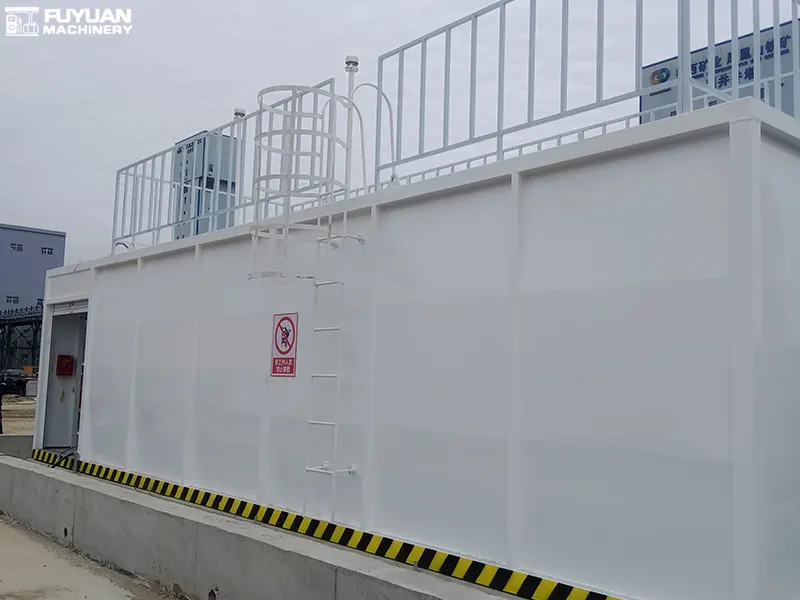
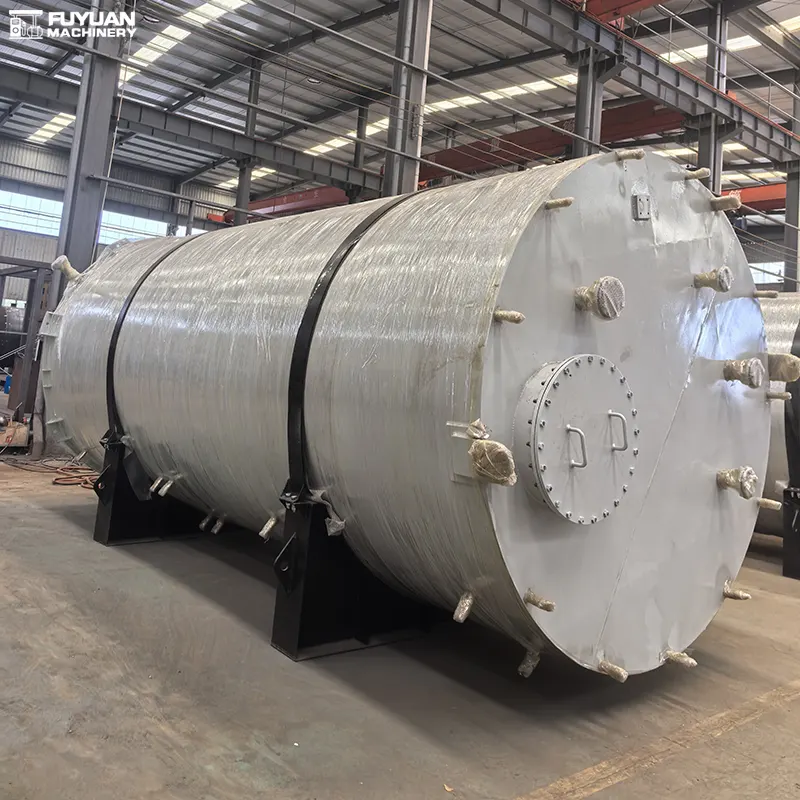
Strict control must be exercised over the conditions of daily fire safety inspections, and safety operating procedures must be rigorously standardized. Skid-mounted refueling units should be selected based on their explosion-proof (specifically, coal-mine-safety-certified) capabilities. Fuel tanks must be equipped with appropriate explosion-protection devices. Refueling units shall utilize double-walled steel fuel tanks. Skid-mounted vehicle refueling units must be treated as integrated product packages supplied by the vendor. Their overall fire resistance and explosion-proof performance must be verified by relevant regulatory bodies. Refueling stations are classified as highly flammable and explosive environments; therefore, safety operating procedures must be strictly adhered to during all operations, ensuring that no step or stage is overlooked or compromised. Management personnel must conduct monthly inspections of employee safety practices to strictly prevent operational errors and improper procedures.
It is essential to enhance safety training for personnel and ensure the regular inspection of lightning protection systems. As the skid-mounted refueling units are part of a poverty alleviation initiative, the recruited operators are individuals participating in this program and may possess a relatively lower educational background and weaker safety awareness. Consequently, operators are permitted to commence work only after successfully completing the requisite safety training. Furthermore, all skid-mounted refueling units must be equipped with lightning protection devices. An independent agency should be contracted to conduct annual, periodic inspections of these lightning protection systems and to issue corresponding inspection reports. Additionally, all staff members are strictly required to wear anti-static clothing while on duty.
The above six steps constitute the daily routine of fire safety inspection for mobile fuel stations. I hope they can be of some help to everyone. When it comes to safety, one should never take chances, otherwise, regrets will be overwhelming.
Written by
TAI'AN FUYUAN MACHINERY EQUIPMENT CO., LTD.
Editor Yuan
www.mobile-fuel-stations.com/
WhatsApp:+86 182 6667 0999
Email:yuanyuzhu6@126.com
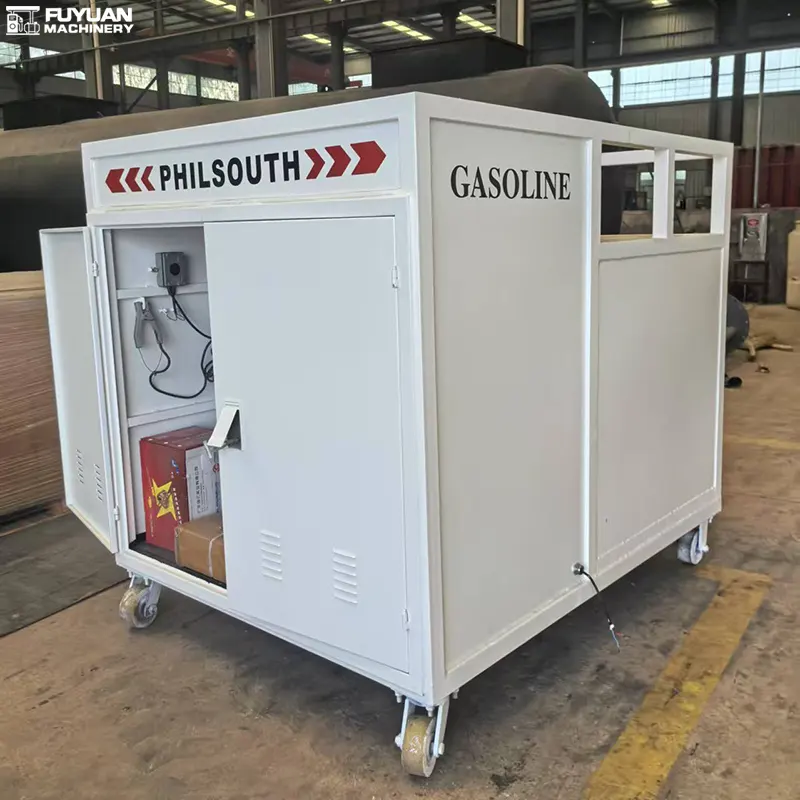
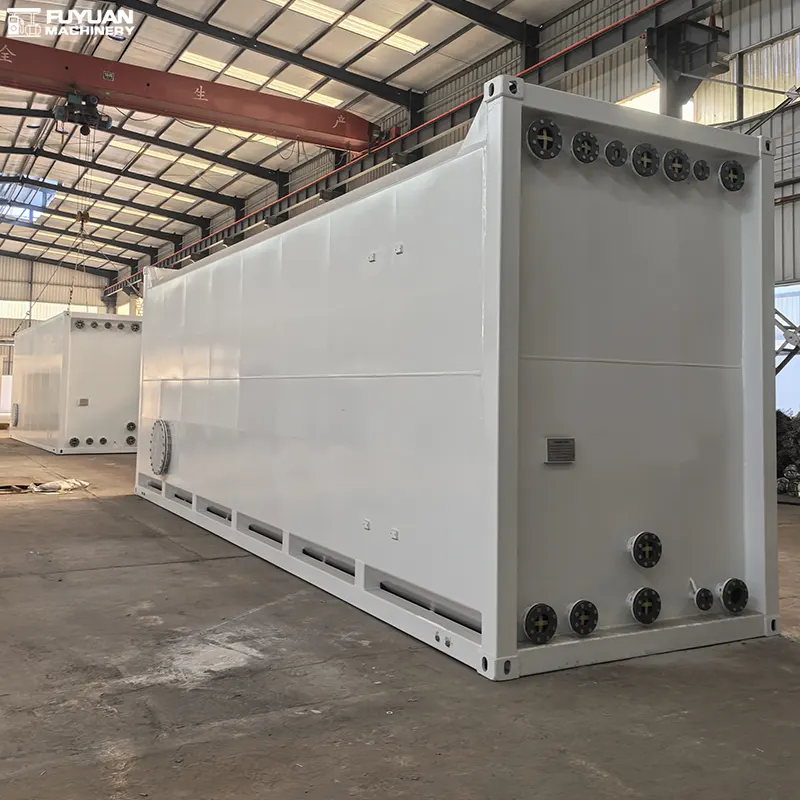

Leading Chinese Manufacturer & Exporter of mobile fuel stations and skid-mounted fuel stations.