
- Home
- Company
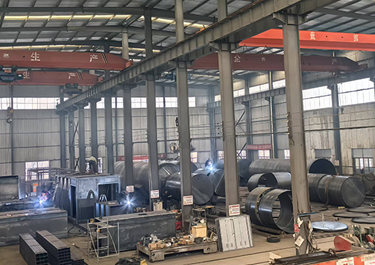 Our FactoryWe have a team of over 30 talented mobile fuel station R&D experts, as well as a 50,000-square-meter advanced modern intelligent manufacturing plant.
 - Mobile Fuel Station
- Storage Tank
- Blog
- Contacts
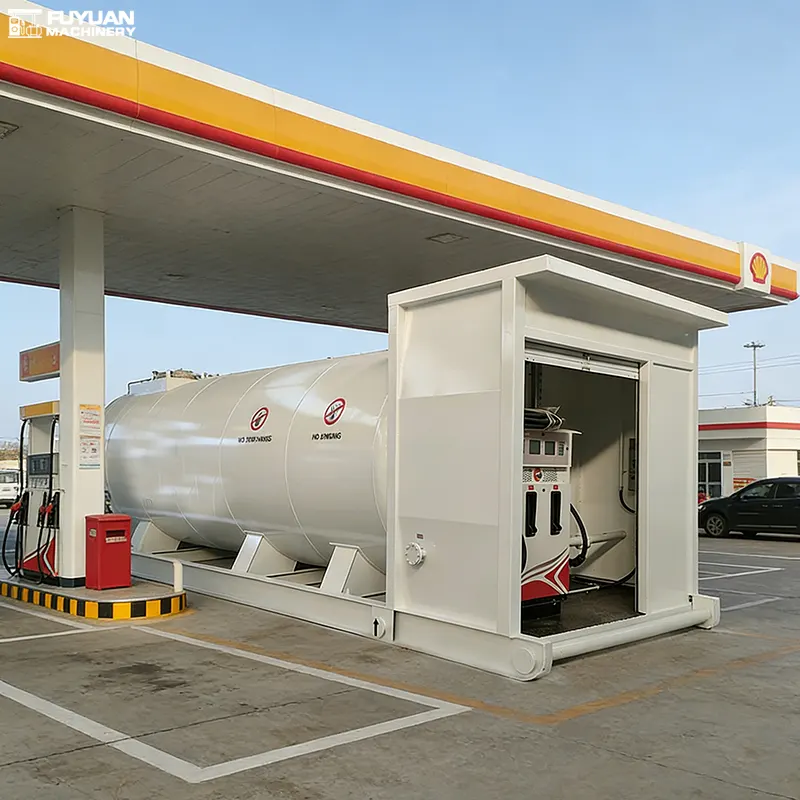
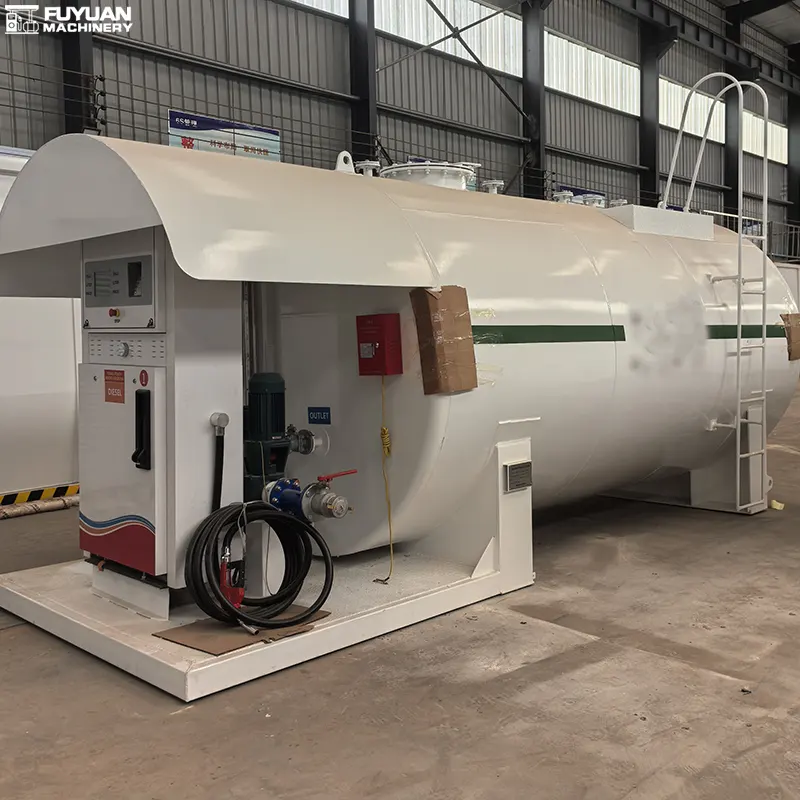
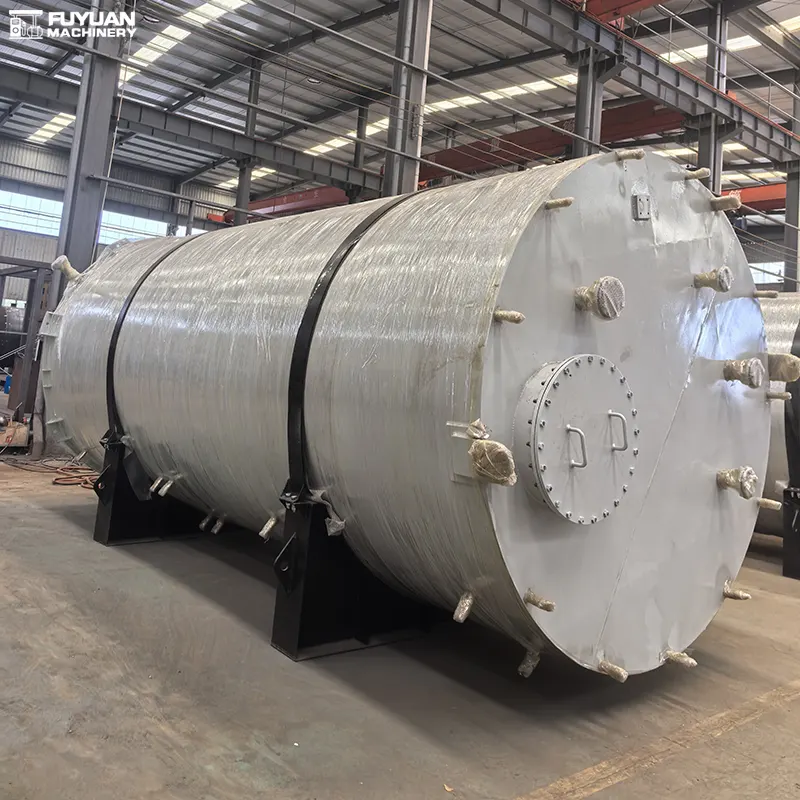
The 7 Main Functions of Mobile Gas Station Leak Monitoring Systems
As convenient fuel refueling stations, the safe operation of mobile gas stations directly impacts personnel safety, environmental protection, and property security. Leakage hazards are a core risk factor leading to safety accidents and environmental pollution. The Fuyuan Mobile Gas Station Leak Monitoring System, relying on advanced sensing technology, IoT technology, and intelligent management concepts, constructs a comprehensive, multi-layered, and highly reliable leak prevention and control system. The following focuses on the system's seven main functions, detailing the core logic, technical parameters, and application value of each function, comprehensively demonstrating the system's precise leak prevention and control capabilities for mobile gas stations, and building a solid defense for the safe and compliant operation of mobile gas stations.
1. Real-time Leakage Monitoring Across the Entire Area
1.1. Functional Definition
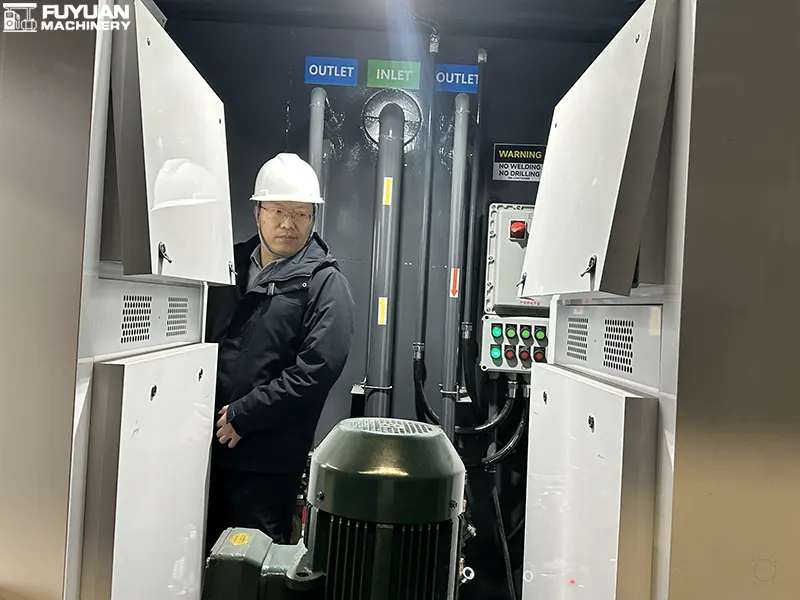
Dedicated leakage sensing units are deployed at all critical locations in mobile gas stations, including skid-mounted tanks, double-walled tank layers, oil pipelines, fuel dispenser troughs, manholes, unloading interface areas, and containment areas. This enables 24/7 uninterrupted, blind-spot-free, real-time online monitoring, accurately detecting even trace leaks of oil, water, and oil/gas.
1.2. Coverage of Monitoring Points
- Inner and outer cavities of skid-mounted double-walled oil tanks
- Entire length of inlet and outlet composite oil pipelines
- Oil collection troughs and flange joints at the bottom of fuel dispensers
- Inside manholes and operating wells of oil tanks
- Unloading ports and quick-connect couplings
- Anti-seepage dikes and bottom bedding layers of gas stations
1.3. Core Technical Data
- Monitoring Response Speed: < 2s instantaneous trigger.
- Leakage Detection Sensitivity: Can identify micro-leakage at the 3mm level.
- Access Expansion Capability: Single host supports parallel monitoring of 32 sensor points.
- Working Mode: 7×24-hour uninterrupted monitoring, no manual inspection required.
- Identification Type: Can distinguish between three types of anomalies: oil leakage, rainwater seepage, and oil and gas leakage.
1.4. Application Advantages
- Comprehensive coverage without blind spots, eliminating hidden dangers of localized leakage.
- Detects minute leaks within seconds, providing early warnings and preventing oil spills and soil/groundwater pollution.
- Adapts to mobile skid-mounted stations, allowing for relocation and temporary deployment, with locations reusable as the equipment moves.
- Fully automated monitoring, reducing the safety risks of manual inspections in wells and tanks.
2. Intelligent Audible and Visual Alarms + Remote Multi-Level Alarm
2.1. Core Functional Positioning
When the system detects leak signals (or system malfunctions) at locations such as oil tanks, pipelines, and equipment, it automatically triggers a tiered alarm mechanism, balancing rapid on-site response with real-time remote management control, achieving "no blind spots in alarm coverage, no delay in response, and evidence-based handling," minimizing the risk of leak escalation.
2.2. Local Audible and Visual Alarm (Level 1 Alarm, On-site Warning)
Core Function:
Reminds on-site personnel and those in the vicinity to immediately take notice and quickly initiate on-site handling, suitable for manned periods at mobile gas stations or temporary operation scenarios.
Key Data and Parameters:
- Sound Level Intensity: ≥85dB (Meets industrial alarm standards; clearly audible even in noisy refueling environments).
- Visual Warning: High-brightness LED warning light, red/yellow dual-color differentiation (red = emergency leak alarm, yellow = system fault alarm), flashing frequency 2 times/second, visible distance ≥50 meters.
- Trigger Logic: Upon detection of a leak signal (reaching a preset threshold) or system fault, an audible and visual alarm is immediately triggered simultaneously, with no delay.
- Local Alarm Defusal: Supports manual on-site alarm defusal (requires authorization verification); alarm records are retained after defusal for easy traceability.
2.3. Remote Multi-Level Push (Level 2 + Level 3 Alarms, Remote Control)
Core Function:
Addressing the characteristics of unmanned and cross-regional management of mobile gas stations, alarm information is pushed to management personnel terminals, enabling "timely awareness and rapid dispatch even when no one is present," preventing the escalation of potential hazards.
Tiered Push Methods and Parameters:
- Level 2 Push: Real-time pop-up in the app + voice alert (compatible with Android/iOS systems, supports offline push, automatically re-pushes after network recovery).
- Level 3 Push: SMS + telephone alarm (prioritizes push to preset responsible personnel's mobile phone numbers, up to 10 contact groups can be set, dialing repeatedly until answered and confirmed).
- Platform Push: Web management platform pop-up alarm, sound alert, synchronously marking alarm points and alarm types, supports batch viewing of alarm information from multiple mobile stations.
2.4. Core Technical Data (Ensuring Alarm Reliability)
- Alarm Recognition Accuracy: ≥99.5% (Effectively avoids false alarms, distinguishes between "real leakage" and "sensor false triggering," reducing ineffective handling).
- Remote Notification Latency: < 5 seconds (Ensuring rapid response from alarm triggering to remote terminal receiving notification).
- Terminal Adaptability: Supports 100+ management terminals (mobile phones, computers) simultaneously receiving push notifications, adapting to multi-person management and division of labor control.
- Alarm Record Retention: Information such as alarm time, alarm location, alarm type, and handling status are retained for ≥3 years, exportable, and traceable, meeting compliance audit requirements.
- Alarm Priority: Automatically distinguishes between "Emergency Leakage Alarm" (highest priority) and "System Failure Alarm" (secondary priority), prioritizing alerts for urgent hazards during push notifications.
2.5. Scenario Adaptability Advantages (Suitable for Mobile Gas Stations)
- Adaptable to Unattended Scenarios: No on-site personnel are required; alarms can be received remotely, preventing leak hazards from going undetected and escalating.
- Adaptable to Mobile Deployment Scenarios: Regardless of the location of the mobile gas station, as long as there is a network (4G/5G/Wi-Fi), remote alarms can be pushed normally, unrestricted by geographical location.
- Compliance Adaptation: Meets the requirements of the "Technical Specification for Gas Station Leakage Prevention Engineering," and alarm records can serve as valid evidence for safety inspections and environmental protection filings.
- Strong Fault Tolerance: Even if one push method fails (e.g., no mobile signal), other push methods can fill in, ensuring no alarm information is missed.
2.6. Linkage Supplementary Explanation
After an alarm is triggered, other system functions can be simultaneously linked: such as automatically starting the explosion-proof exhaust fan, closing the emergency shut-off valve, and stopping refueling operations, forming an "alarm-response" closed loop to further reduce safety risks. Simultaneously, management personnel can view real-time images and leakage data of the alarm location via a remote terminal, enabling precise dispatch of repair personnel.
3. Precise Leakage Location and Source Tracing
- Location Capability: Segmented location (tank/pipeline/equipment), distinguishing between oil/water leaks, location error < 0.5 meters.
- Core Data: Supports independent location of 32 monitoring points; historical leakage records are traceable, with a retention time ≥ 3 years.
- Value: Reduces repair time by 50%+, lowering operation and maintenance costs.
4. System Fault Self-Diagnosis and Self-Healing
- Diagnostic Scope: Sensor failure, short circuit/open circuit, communication anomalies, power failure, etc.
- Core Data: Fault identification accuracy ≥ 98%; self-diagnosis cycle < 1 second; supports visual display of fault types and one-click reset.
- Value: Differentiates between actual leaks and equipment malfunctions, reduces false alarms, and ensures system stability.
5. Multi-dimensional Data Acquisition and Storage
- Acquisition Parameters: Leakage status, oil and gas concentration (0–1000 μmol/mol), tank pressure, liquid level, temperature, equipment operating status, etc.
- Core Data: Data sampling frequency ≥ 1 time/second; local storage capacity ≥ 128GB, supports cloud backup; historical data can be exported (Excel/PDF), meeting compliance filing requirements.
- Value: Data is traceable and auditable, conforming to national standards such as GB/T 30040-2013.
6. IoT Remote Monitoring and Management
- Access Methods: 4G/5G/Wi-Fi/RS485, supports dynamic networking of mobile stations.
- Core Data: Remote data transmission latency < 3 seconds; supports unified access to the platform for 100+ mobile stations; real-time data viewing, remote alarm suppression, and parameter configuration via mobile APP/Web.
- Value: Adapts to the "mobile and distributed" characteristics of mobile gas stations, enabling remote centralized management and control.
7. Explosion-proof Compliance and Safety Linkage
- Explosion-proof Rating: Sensors ExiaⅡCT4/ⅡBT4, controller intrinsically safe explosion-proof, suitable for Zone 0/Zone 1 hazardous environments.
- Compliance Adaptation: Complies with standards such as GB 50156-2012 and GB 20952-2020, "Technical Specifications for Leakage Prevention Engineering of Gas Stations".
- Linkage Capability: Supports linkage with emergency shut-off valves, explosion-proof exhaust fans, and fire-fighting equipment; automatically shuts down to avoid hazards in case of leakage.
- Value: Meets the safety requirements of high-risk scenarios for mobile gas stations, avoiding environmental penalties and safety accidents.
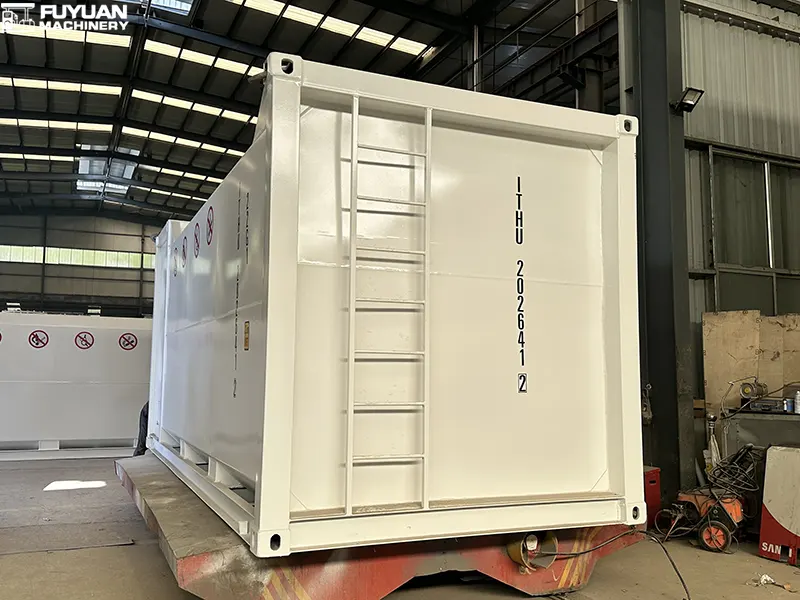
The seven main functions of the Fuyuan Mobile Gas Station Leakage Monitoring System are interconnected and progressively enhanced, from comprehensive monitoring and precise alarms to remote management and safety linkage, constructing a full-process, all-round leakage prevention and control system. The system not only fits the core scenarios of mobile gas stations — mobility, unmanned operation, and cross-regional management—but also strictly adheres to relevant international safety and environmental protection standards. It can effectively prevent safety accidents and environmental pollution caused by leakage hazards, reduce operation and maintenance costs, and improve management efficiency. It provides comprehensive technical support for the safe, compliant, and stable operation of Fuyuan mobile gas stations, and helps the mobile refueling industry develop in a high-quality and safe manner.
Written by
TAI'AN FUYUAN MACHINERY EQUIPMENT CO., LTD.
Editor Yuan
www.mobile-fuel-stations.com
WhatsApp:+86 182 6667 0999
Email:yuanyuzhu6@gmail.com

Leading Chinese Manufacturer & Exporter of mobile fuel stations and skid-mounted fuel stations.