
- Home
- Company
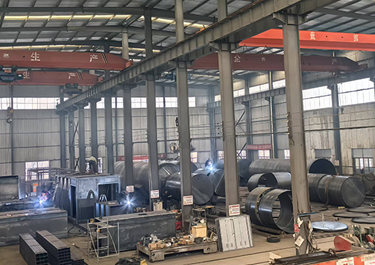 Our FactoryWe have a team of over 30 talented mobile fuel station R&D experts, as well as a 50,000-square-meter advanced modern intelligent manufacturing plant.
 - Mobile Fuel Station
- Storage Tank
- Blog
- Contacts
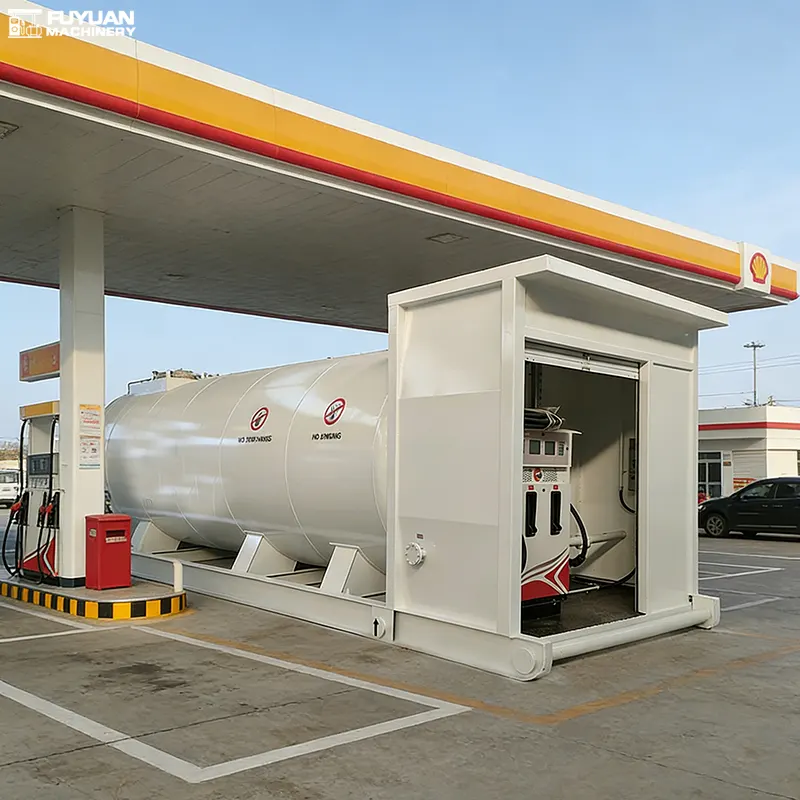
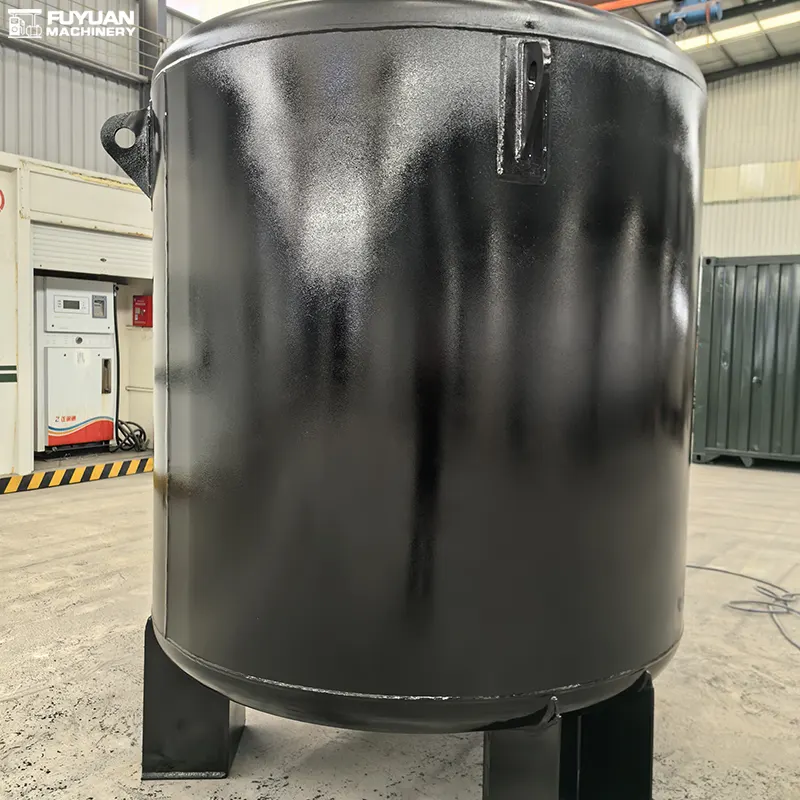
Chinese Smart Manufacturing Boosts African Energy Storage: Cameroon Firm Orders Two 30t Mobile Fueling Stations from Fuyuan
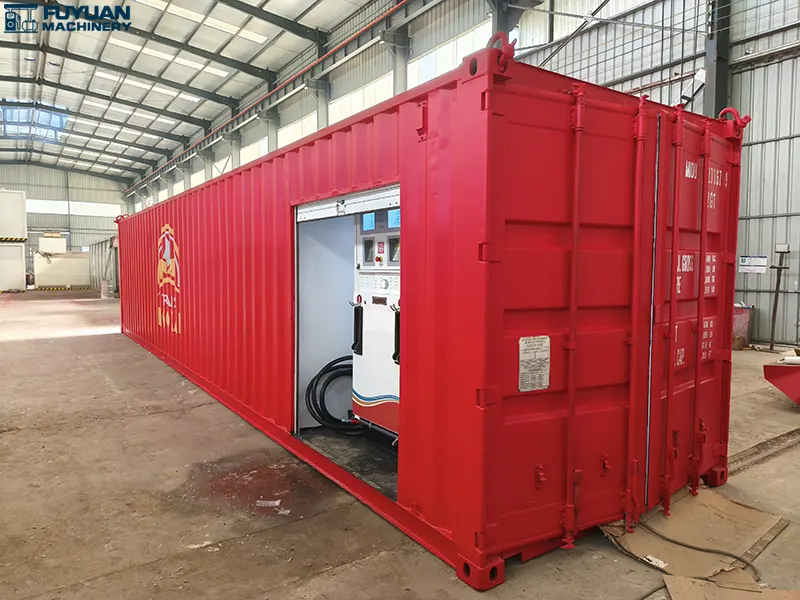
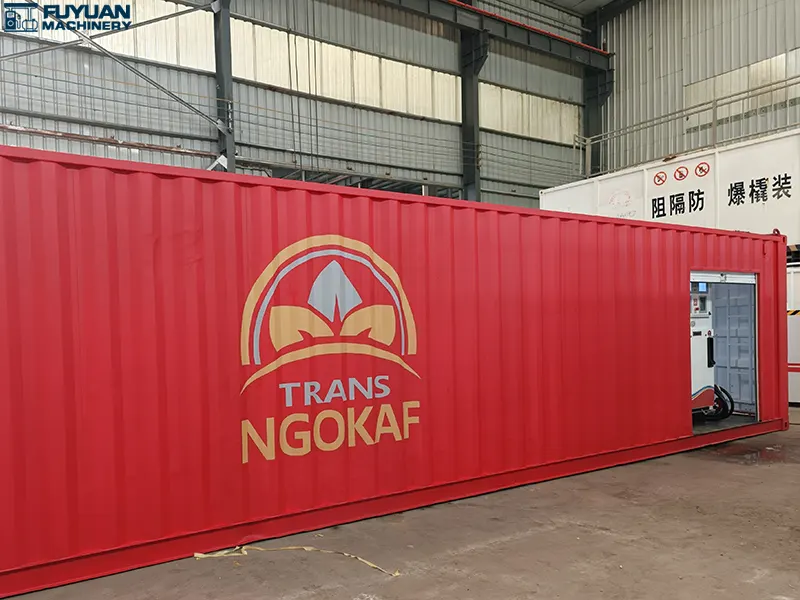
Recently, Taian Fuyuan Machinery Equipment Co., Ltd. officially signed a procurement agreement with a major transport company in Cameroon, under which the latter will acquire two 30-ton mobile fueling stations. Following a 61.6% year-on-year increase in my country's exports of construction machinery to Africa in the first quarter of 2026, this represents yet another new order for specialized Chinese equipment within Africa's energy support sector. It signifies that "Intelligent Manufacturing in China" is accelerating its integration into the entire value chain of African energy infrastructure construction.
1. Precision Breakthrough: Directly Addressing Cameroon’s Three Major Supply Chain Pain Points
Cameroon’s energy supply chain has long faced critical "bottleneck" issues; Fuyuan’s solution was designed specifically to resolve them.
1.1. Responding to Phased-Out Fuel Subsidies and Price Volatility
- Cameroon plans to gradually eliminate petroleum subsidies by 2026, making the market-driven pricing of fuel an inevitable trend. Traditional gas stations, constrained by their fixed physical networks, struggle to rapidly adjust their procurement strategies.
- Fuyuan’s Solution: Mobile fueling stations enable enterprises to lock in costs through bulk purchasing when market prices are low, thereby breaking their dependence on fluctuating roadside retail fuel prices.
1.2. Bypassing Severely Congested Ports and Lengthy Logistics Chains
- The Port of Douala—the economic lifeline of Cameroon—has long suffered from severe congestion caused by aging infrastructure and a surge in cargo volume. This not only leads to vessel delays and exorbitant demurrage fees but also renders the imported fuel supply chain extremely fragile and protracted.
- Fuyuan’s Solution: This 30-ton "mobile treasury" can be fully stocked with fuel purchased at price lows and deployed directly to fleet depots or large-scale mining sites. By bypassing the Port of Douala, it allows expensive infrastructure investment to be "internalized" within the local operational loop, thereby significantly reducing overall logistics costs.
1.3. Resolving the Pain Point of Import Dependence Following Refinery Fires
- In 2019, Sonara—Cameroon’s sole oil refinery—was severely damaged by a fire, resulting in the country’s reliance on imports for over 90% of its refined oil products. This has frequently led to tight local fuel supplies, while overseas procurement processes are often accompanied by high costs and risks of fraud. Fuyuan Solution: When local fuel depots face critical shortages, this mobile unit serves as an enterprise’s "strategic reserve," transforming a reactive situation into a proactive one and minimizing risks within the fuel supply chain.
2. Tailor-Made: Comprehensive Safety and Intelligent Technology
To address the aforementioned pain points, Fuyuan Machinery has provided its Cameroonian clients with a secure, intelligent, and integrated technological configuration:
- Safety and Explosion Protection—A "Safe" for Extreme Environments: The core design feature of this equipment is its utilization of barrier-type explosion-proof technology. The storage tank is filled with a mesh-like explosion-suppression material composed of a specialized aluminum alloy; consequently, even in the event of extreme accidents—such as exposure to open flames, static electricity, or even gunfire—no explosive incidents will occur. Furthermore, this is not merely a simple fuel tank, but a fully integrated technological system comprising a comprehensive suite of safety equipment: an explosion-proof double-walled tank, an automatic fire suppression system, an emergency shut-off protection system, and high-temperature automatic fuel cut-off valves. This ensures absolute fail-safe operation, even within Cameroon’s hot and humid tropical climate.
- Intelligent Management—Tangible "Savings" and "Peace of Mind": The equipment is outfitted with a liquid-level monitoring system and a computerized management unit, enabling precise, data-driven management of fuel intake, storage, and dispensing. For fleet managers, this translates to a clear record of every drop of fuel, effectively preventing theft and leakage. Simultaneously, the unit features an eco-friendly double-walled tank design that eliminates the risk of soil and groundwater contamination caused by tank leaks, thereby ensuring compliance with increasingly stringent environmental regulations.
- Integrated Modules—A "Mobile Energy Station" Ready for Immediate Use: This represents the ultimate embodiment of the "tailor-made" approach. With a capacity of 30 tons, the unit can provide continuous fuel support for a medium-sized fleet for several days. The entire system is ingeniously integrated onto a skid-mounted base, thereby eliminating the need for the complex civil engineering work typically associated with traditional gas stations; it features a compact footprint and is easily relocatable. Enterprises need only install the unit on a designated site to bring it online rapidly, and it can be flexibly relocated to new construction sites or mining zones as future operational needs dictate.
3. Detailed Configuration of the 30-Ton Mobile Fueling Station
Regarding the detailed configuration of the Fuyuan Machinery 30-ton mobile fueling station—while a ready-made public manual is not currently available—we can outline its core configuration based on industry standards and the unit's general design, categorizing it into the following six major functional modules:
3.1. Core Carrier and Protection System
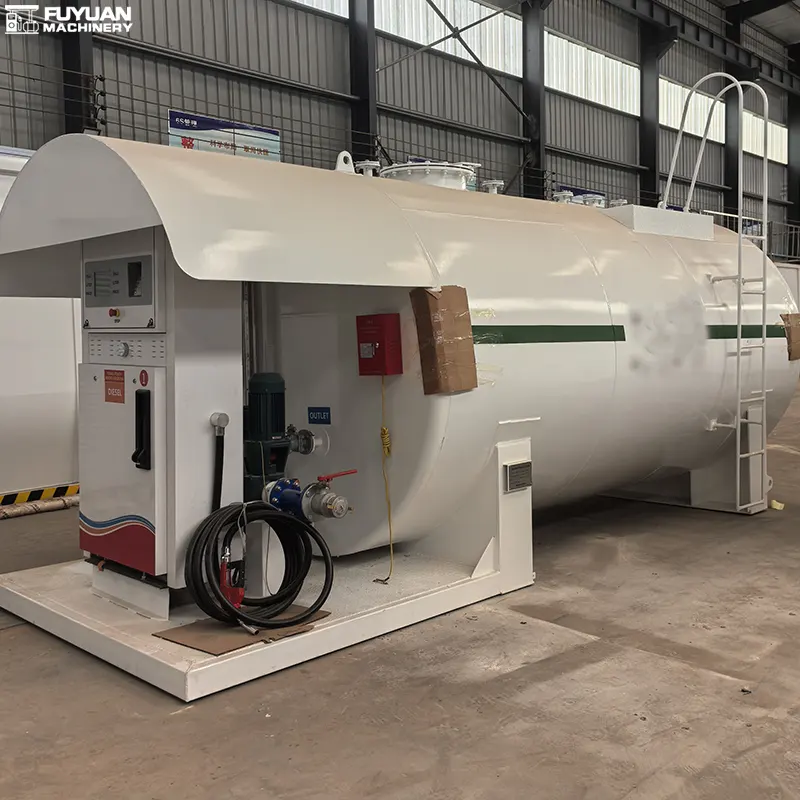
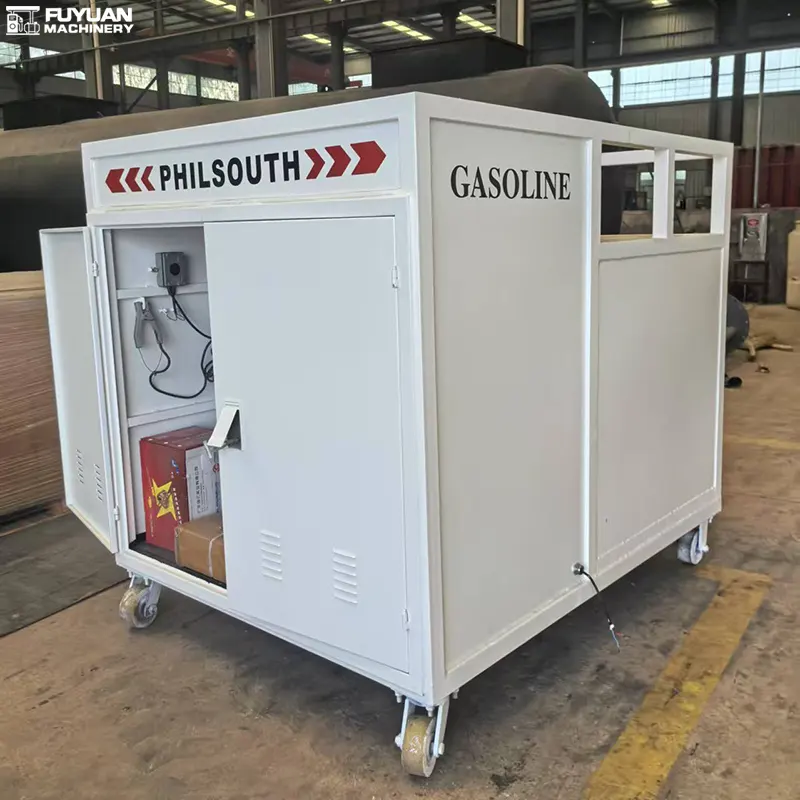
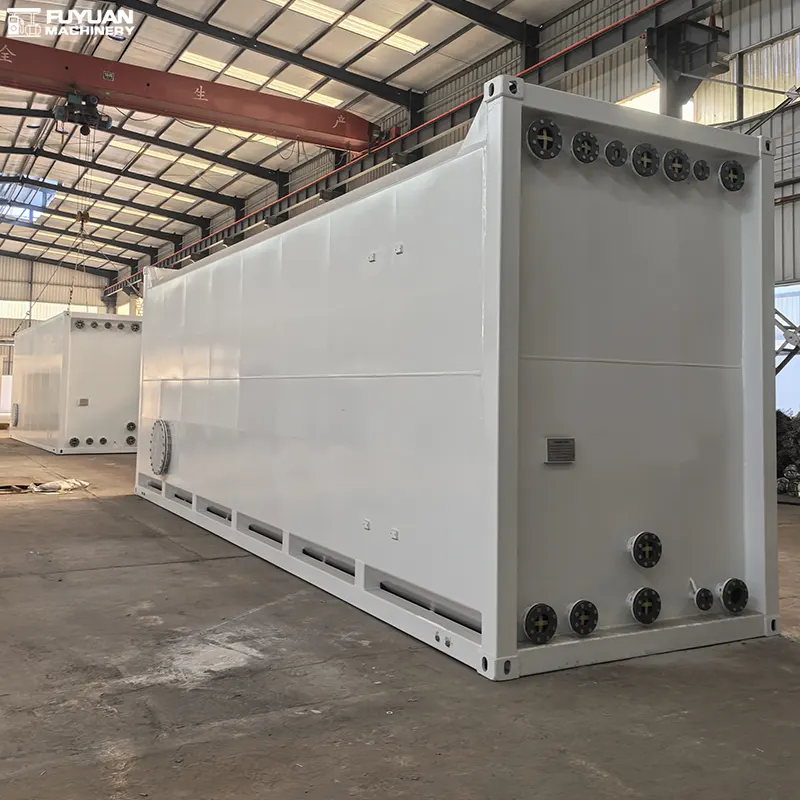
- Dimensions: The total length of the unit is approximately 10.7 meters. Internally, it is divided into a dispenser compartment (1.5 meters) and the fuel tank body (9.2 meters), with a width of 2.45 meters.
- Structural Protection: A high-strength skid-mounted base serves as the steel framework, ensuring overall stability during mobile hoisting and transport operations. The exterior of the tank body is fitted with guardrails and non-slip access ladders to facilitate routine inspections and maintenance tasks.
3.2. Dual-Redundancy Fuel Storage System
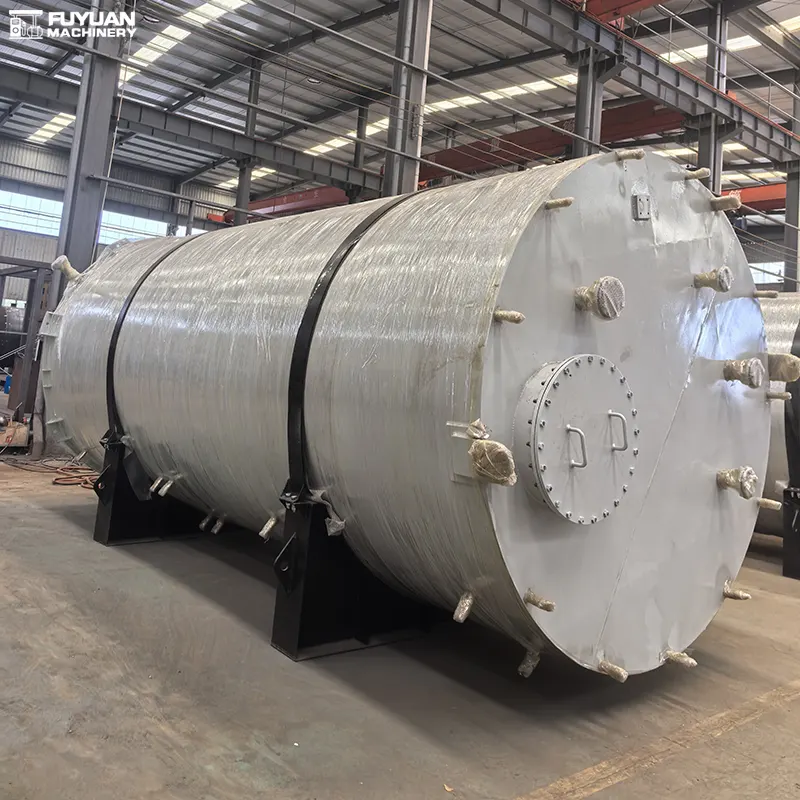
- Tank Material: Adhering strictly to the highest industry safety standards, the unit employs a double-walled steel structure. The inner tank wall has a thickness of 8–10 mm, while the outer tank wall is at least 6 mm thick; both are constructed using high-strength Q235-B steel plates, ensuring robustness and durability.
- Explosion-Suppression Materials: The interstitial space between the double-layered tank walls, as well as the interior of the inner tank, is fully packed with a mesh-like explosion-suppression material made from a specialized aluminum alloy. This material effectively creates countless miniature safety compartments within the tank, physically preventing the occurrence of explosions.
- Real-time Leak Monitoring: High-sensitivity leak detection devices are installed within the interstitial gap between the inner and outer tanks. In the event of any seepage or leakage, an immediate alarm is triggered to prevent the spread of contamination.
3.3. Intelligent Fueling and Unloading System
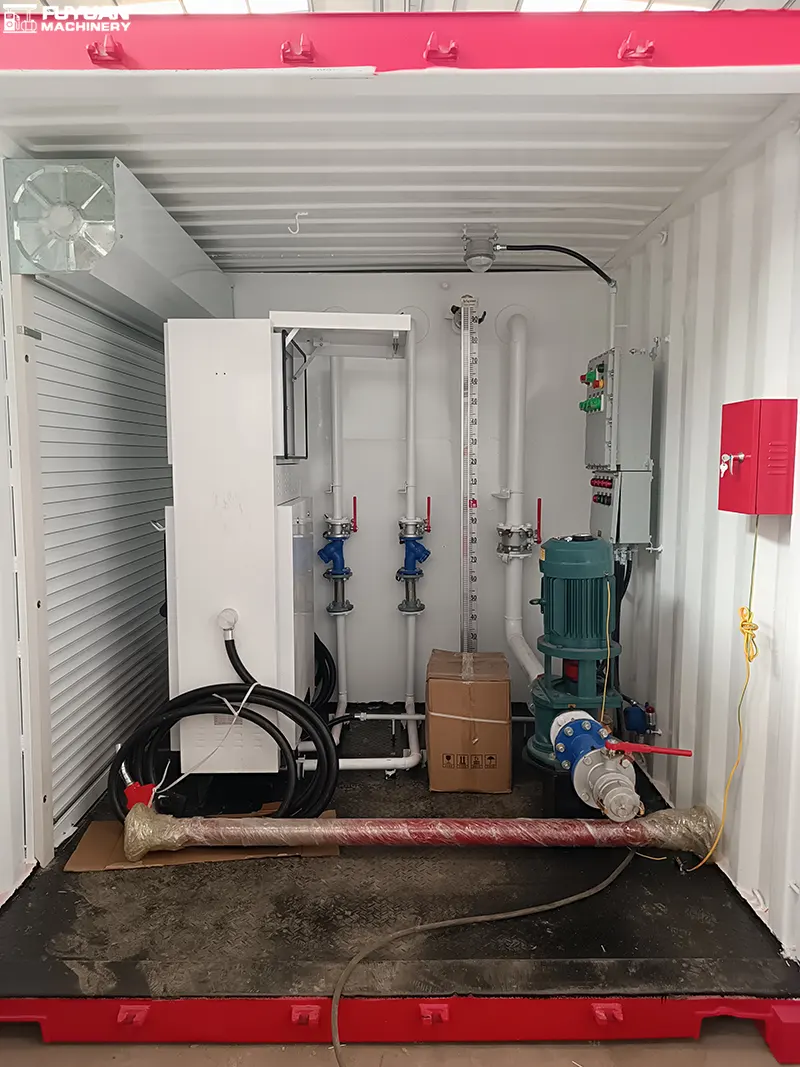
- High-Precision Fuel Dispenser: Equipped with a high-flow, tax-controlled fuel dispenser from the "Zhengxing" brand, capable of delivering flow rates ranging from 60 to 90 liters per minute. The dispenser features a 15-meter automatic-retracting hose reel and a large-caliber fueling nozzle, supporting precise metering and billing functions.
- High-Efficiency Self-Priming Pump: The unit features a built-in 60-30 self-priming fuel pump capable of transferring 28 cubic meters of fuel per hour—sufficient to complete the filling or complete emptying of the 30-ton tank within just a few minutes.
- Import-Grade Quick Couplers: API-standard bottom-loading valves designed for rapid fuel unloading. The interface features a flat-bottom design with a 70-degree bevel, effectively preventing fuel leakage and extending the service life of the hoses.
3.4. Electrical and Intelligent Control Systems
- Triple-Layer Explosion Protection Design: Core instrumentation utilizes intrinsically safe circuitry to limit energy at the source, ensuring no sparks are generated in the event of a short circuit; equipment such as motors employs flameproof enclosures, effectively "caging" any potential explosion should one occur; and non-critical zones achieve enhanced safety through elevated insulation ratings.
- Multiple Safety Interlocks: Equipped with high-precision liquid level sensors and a computerized management system to enable automated remote management. When the liquid level reaches 90% capacity, a high-level alarm automatically triggers the shutdown of the unloading pump, thereby preventing overfilling and spills.
- Emergency Shutoff and Backup Power: An emergency shutoff valve (foot valve) system allows for the instantaneous closure of all fuel lines in emergency situations. The equipment can be optionally fitted with a backup generator to ensure continued fueling operations even under extreme conditions, such as power outages.
3.5. Environmental and Safety Assurance Systems
- Vapor Recovery System: Each unit is equipped with a vapor recovery valve capable of capturing and returning all fuel vapors—emitted during loading and unloading operations—back into the storage tank, thereby promoting energy conservation and environmental protection.
- Comprehensive Static Electricity Dissipation Network: The entire facility is integrated into a comprehensive network comprising lightning protection grids, static dissipation strips, static grounding reels, and a dedicated grounding system (with a resistance of ≤4Ω) to promptly dissipate static electricity generated by friction or lightning strikes.
- All-Weather Monitoring System: Explosion-proof combustible gas detectors are strategically deployed at critical locations, such as the storage tank area and fueling ports. Should the concentration of fuel vapors reach a pre-set alert threshold, the system immediately triggers both audible and visual alarms.
3.6. Fire Suppression and Emergency Response Systems
- Automated Fire Suppression System: Automatic fire extinguishers positioned above the storage tank area are designed to trigger automatically when the ambient temperature reaches a specific activation threshold (typically ≤93°C) and are also equipped with manual activation buttons.
- Explosion Protection and Pressure Relief Devices: These include emergency pressure relief valves (designed to release internal tank pressure during a fire to prevent explosions), high-temperature automatic fuel shutoff valves, and fire-resistant breather valves (which ensure that tank "breathing"—the intake and expulsion of air—does not ignite external flames).
- Firefighting and Emergency Accessories: The equipment configuration list includes specialized emergency gear—such as fire blankets, fire buckets, and fire shovels—which work in conjunction with the automated fire suppression system to establish a comprehensive line of defense against fire hazards.
3.7. Procurement Verification Checklist
- Given the high-temperature and high-humidity operating conditions in Cameroon, it is recommended to prioritize the following points when consulting with Fuyuan Machinery regarding this specific model: its applicable anti-corrosion rating, comprehensive lightning protection, electrical voltage compatibility (specifically, the alignment of the 380V/50Hz three-phase four-wire system with local Cameroonian standards), and the proposed localized maintenance and service plan.
4. Advantages of the Fuyuan 30-Ton Mobile Fueling Station
Tailored to the complex and dynamic energy landscape of the Cameroonian market, the Fuyuan 30-ton mobile fueling station is far more than a simple fuel storage unit; it represents a systemic solution that seamlessly integrates military-grade safety protection, intelligent precision management, and convenient, integrated deployment capabilities. The following section analyzes its core advantages across three key dimensions.
4.1. Safety and Explosion Protection: A "Safe" for Extreme Operating Conditions
The most critical technological barrier—and core strength—of the Fuyuan 30-ton mobile fueling station lies in its explosion-suppression barrier technology, an innovation originally derived from the military-industrial sector.
4.1.1. Mesh-like Explosion Suppression Structure: Preventing Explosions at the Source
- The fuel storage tank within this unit is filled with a mesh-like explosion-suppression material fabricated from a specialized aluminum alloy (with a melting point of 660°C). This material creates a honeycomb-like structure comprising countless tiny "micro-compartments" inside the tank. Should combustion occur, this structure effectively arrests the propagation of flames. Simultaneously—leveraging its exceptional thermal and electrical conductivity—it rapidly absorbs the heat generated by the combustion reaction, thereby drastically lowering the reaction temperature and minimizing gas expansion. This mechanism effectively suppresses the occurrence of an explosion at its very source.
4.1.2. Comprehensive Explosion Protection: Safety Assured Even Under Extreme Impact
- Thanks to this advanced technology, the fuel storage tank remains safe and will not explode—even when subjected to extreme accidental hazards such as open flames, static electricity, welding operations, gunfire, or even violent physical impacts. This technology fully complies with the Chinese safety production industry standard AQ/T 3002-2021, *Technical Requirements for Barrier-Explosion-Proof Skid-Mounted Fueling (Gas) Devices*. Given Cameroon's hot and humid climate—and its safety regulatory framework, which is still in the process of maturation—this robust safety attribute offers unparalleled and indispensable value.
4.1.3 Double-Walled Tanks + Automatic Fire Suppression: Multiple Layers of Safety Redundancy
- The equipment features a double-walled tank design that structurally eliminates the risks of leakage and soil contamination; the interstitial space between the tank walls is equipped with monitoring sensors to provide real-time surveillance for any potential leaks. Furthermore, the unit integrates multiple safety mechanisms—including an automatic fire suppression system, an emergency shut-off protection system, and high-temperature automatic fuel cut-off valves—to form a comprehensive safety protection chain. In regions lacking specialized fire-fighting infrastructure—such as mining sites in Cameroon or remote construction zones—this integrated safety system directly mitigates the risk of fire-related accidents.
4.1.4 Oil and Gas Vapor Recovery: Balancing Safety with Environmental Protection
- The unit is equipped with a primary-stage oil and gas vapor recovery interface, which effectively reduces fuel evaporation, minimizes atmospheric pollution, and simultaneously reduces fuel loss. Against the backdrop of increasingly stringent environmental regulations in Cameroon and rising corporate ESG (Environmental, Social, and Governance) standards, this "green" feature serves as a significant asset for enterprises striving to ensure regulatory compliance in their operations.
4.2. Intelligent and Efficient: Tangible Savings and Peace of Mind
The Fuyuan 30-ton mobile fueling station employs a highly automated, intelligent management system to achieve fully digitized, end-to-end control over fuel handling processes.
4.2.1. Automation Levels Far Exceeding Peer Products
Designed and manufactured utilizing military-grade technology, this unit boasts safety and automation levels that significantly surpass industry averages, providing fully automated control over fuel unloading, dispensing, and safety protection functions. Specific features include:
- Quantitative Unloading and Dispensing: Allows for the precise setting of unloading or dispensing volumes as required, thereby eliminating errors associated with manual operation.
- High-Level Automatic Alarm and Pump Shut-off: Automatically closes valves when the tank reaches 90% capacity, effectively preventing fuel overflow accidents.
- Low-Level Automatic Notification: Provides timely alerts to prompt refueling, ensuring that fuel shortages do not disrupt fleet operations.
- Real-Time Data Storage: Data is permanently preserved even in the event of unexpected power outages or system failures, preventing any loss of critical operational data.
4.2.2. Precise Metering: Eliminating Fuel Theft and Leakage
- The equipment is outfitted with a liquid-level monitoring system and a computerized management unit, enabling precise, digitized management of all fuel-related processes—from receipt and storage to dispensing. For transportation company managers, having every drop of fuel clearly recorded effectively prevents issues related to human-induced fuel theft and leakage—a capability that is particularly critical in the Cameroonian market environment, where fuel theft is a frequent occurrence.
4.2.3. Real-time Monitoring of Flammable Gases
- When the concentration of fuel vapors or combustible gases reaches a preset threshold, the system automatically triggers audible and visual alarms, providing early warnings of potential safety hazards and enabling proactive prevention.
4.3. Flexible Integration: A "Mobile Energy Station" Ready for Immediate Use
The "skid-mounted" design of the Fuyuan 30-ton mobile fueling station endows it with a level of flexibility and cost-efficiency that traditional fueling stations simply cannot match.
4.3.1. Modular Design: Configurable on Demand
- The equipment features a modular design that integrates various functional systems—including unloading, fueling, storage, control, and safety protection—allowing for flexible configuration based on the user's specific operational requirements. Whether a single-compartment or dual-compartment tank, or the handling of a single fuel type versus dual fuel types, the unit can be customized to meet the needs of fleets requiring simultaneous access to multiple fuel products, such as gasoline and diesel.
4.3.2. Rapid Installation: Ready for Immediate Operation
- The entire manufacturing and assembly process for this skid-mounted unit is completed within the factory environment. Consequently, on-site installation requirements are minimal; the unit becomes fully operational simply by connecting the necessary interface piping and external electrical lines. In stark contrast to the construction cycles of traditional fueling stations—which can span months or even years—the Fuyuan 30-ton mobile fueling station can be fully deployed within a matter of days.
4.3.3. Easy Relocation: Reusable and Recyclable Equipment
- Should a construction site change or a mining operation relocate, the entire unit can be lifted and transported intact using a crane, allowing it to be redeployed and continue operations at the new location. This feature is particularly well-suited to the demands of large-scale infrastructure projects and mining developments in Cameroon, which often involve short project lifecycles and high operational mobility.
4.3.4. Low Investment Threshold: Rapid Return on Investment
- Constructing a traditional fueling station typically entails significant land acquisition costs, extensive underground engineering work, and lengthy regulatory approval processes—resulting in a high initial investment threshold and a prolonged payback period. The Fuyuan 30-ton mobile fueling station, conversely, requires a minimal footprint, features a short setup time, and incurs low construction costs.This significantly lowers the financial barrier for enterprises wishing to establish their own fueling infrastructure, thereby substantially accelerating the return on investment.
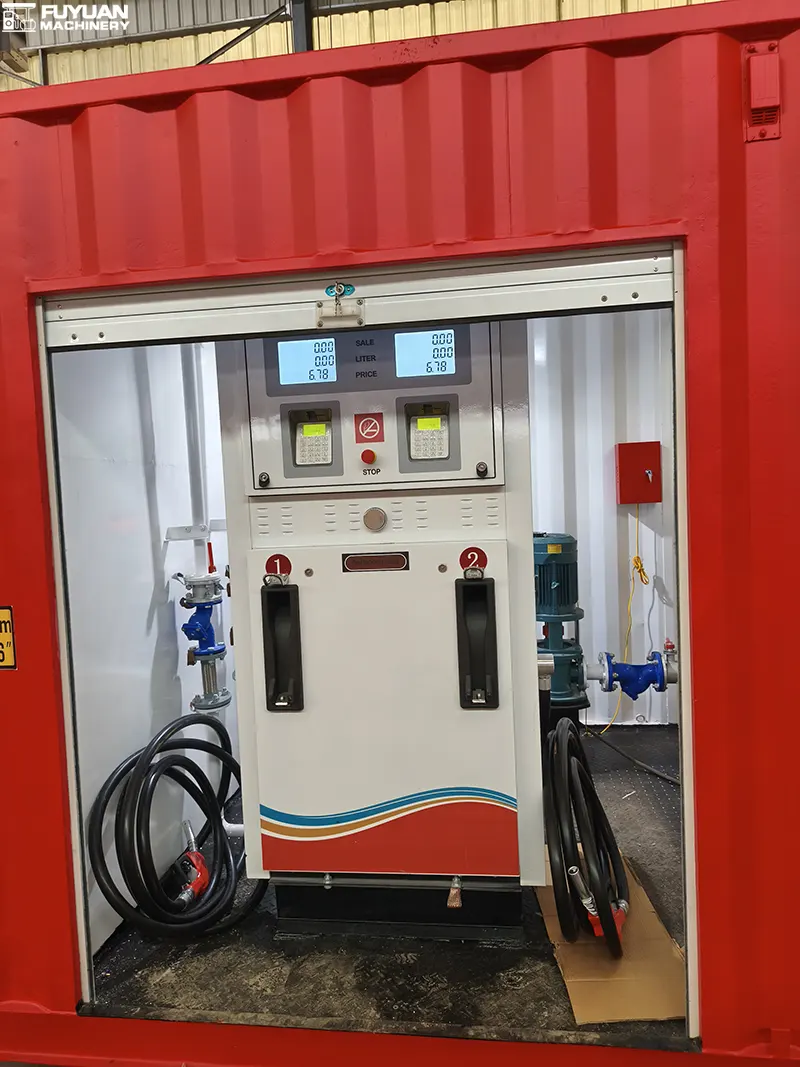
From the realization of plans for a large-scale refinery and oil terminal in the Kribi port area, to the demand for distributed fuel storage systems driven by chronic congestion at the Port of Douala, and finally to the mounting pressure on enterprises to control costs as fuel subsidies are gradually phased out—the energy storage and supply ecosystem in Cameroon, and indeed across the entire African continent, is currently undergoing a profound transformation. Against this backdrop, mobile fueling stations—distinguished by their core advantages of rapid deployment, explosion-proof safety, and intelligent management capabilities—are emerging as indispensable energy supply nodes for mining sites, construction zones, and trunk logistics networks. The successful export of Fuyuan Machinery’s 30-ton mobile fueling station not only provides local transport enterprises with a reliable solution for navigating supply chain uncertainties, but also marks a new phase in "Intelligent Manufacturing in China"—one that has evolved beyond the mere export of standalone products to the provision of comprehensive, systematic energy management solutions for African clients. As China-Africa cooperation in industrial capacity continues to deepen, Chinese construction machinery and equipment will move in lockstep with the future development of Africa's energy infrastructure, backed by increasingly sophisticated technical support and service systems tailored more closely to local needs.
Written by
TAI'AN FUYUAN MACHINERY EQUIPMENT CO., LTD.
Editor Yuan
www.mobile-fuel-stations.com
WhatsApp:+86 182 6667 0999
Email:yuanyuzhu6@gmail.com

Leading Chinese Manufacturer & Exporter of mobile fuel stations and skid-mounted fuel stations.