
- Home
- Company
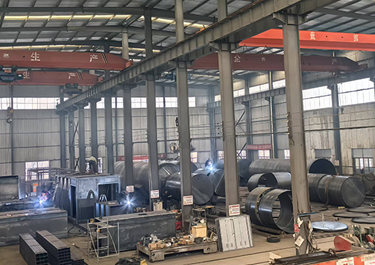 Our FactoryWe have a team of over 30 talented mobile fuel station R&D experts, as well as a 50,000-square-meter advanced modern intelligent manufacturing plant.
 - Mobile Fuel Station
- Storage Tank
- Blog
- Contacts
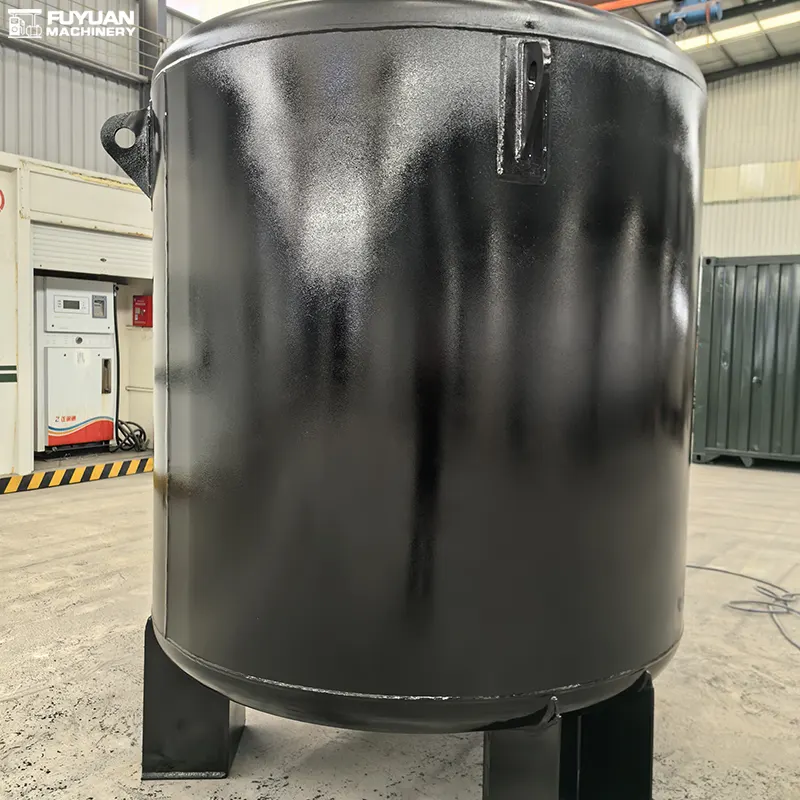
The 7 Key Methods for Treating Oil-Water Mixtures at Mobile Fueling Stations
During the daily operation and maintenance of mobile fueling stations, various types of oil-water mixtures are continuously generated. These primarily include water drained from fuel tanks, condensate accumulated in equipment, wastewater from site cleaning, and oil-laden runoff from collected rainwater. These water streams are contaminated with floating oil, dispersed oil, emulsified oil, and minor amounts of suspended solids; they are characterized by highly variable water quality, complex forms of oil contamination, a high potential for environmental pollution, and significant inherent safety risks. If discharged directly or reused without effective treatment, such mixtures not only cause soil and water pollution—thereby crossing environmental compliance "red lines"—but also corrode fuel storage tanks, pipelines, and dispensing facilities, compromise fuel quality, and trigger equipment malfunctions and safety hazards. To align with the operational characteristics of mobile fueling stations—specifically their compact footprint, flexible deployment, high degree of automation, and explosion-proof safety requirements—Fuyuan Machinery has developed a standardized treatment process. This process relies primarily on physical separation, supplemented by chemical aids, and backed by a final stage of deep purification. At its core, the system incorporates seven key methods for treating oil-water mixtures, enabling a multi-stage, precision-targeted purification approach for various forms of oil contamination to ensure that effluent meets regulatory standards, equipment remains stable, and operations remain fully compliant.
1. Introduction to Mobile Fueling Stations
1.1. Definition of a Mobile Fueling Station
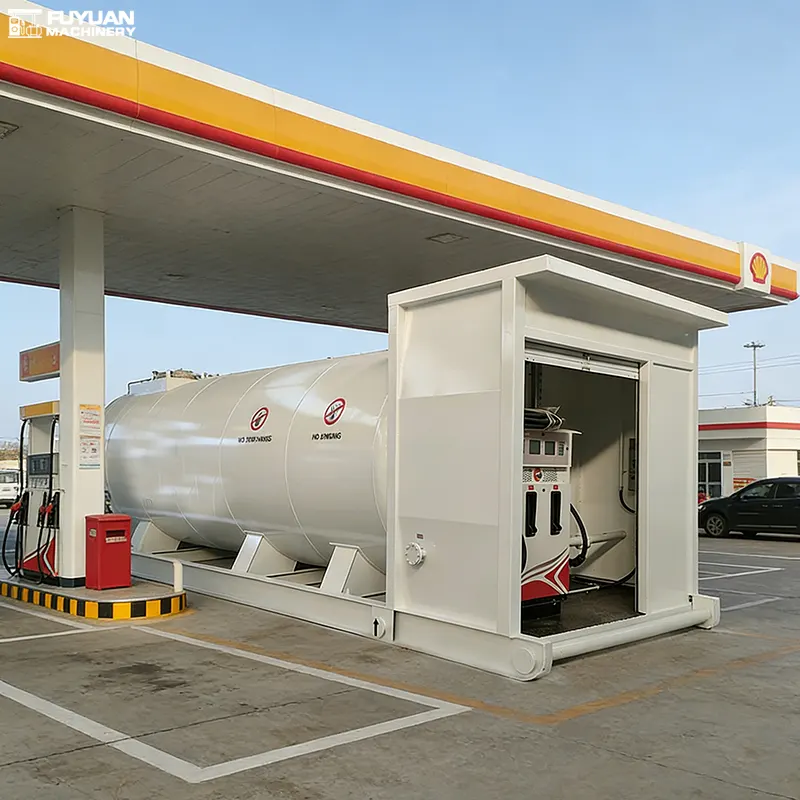
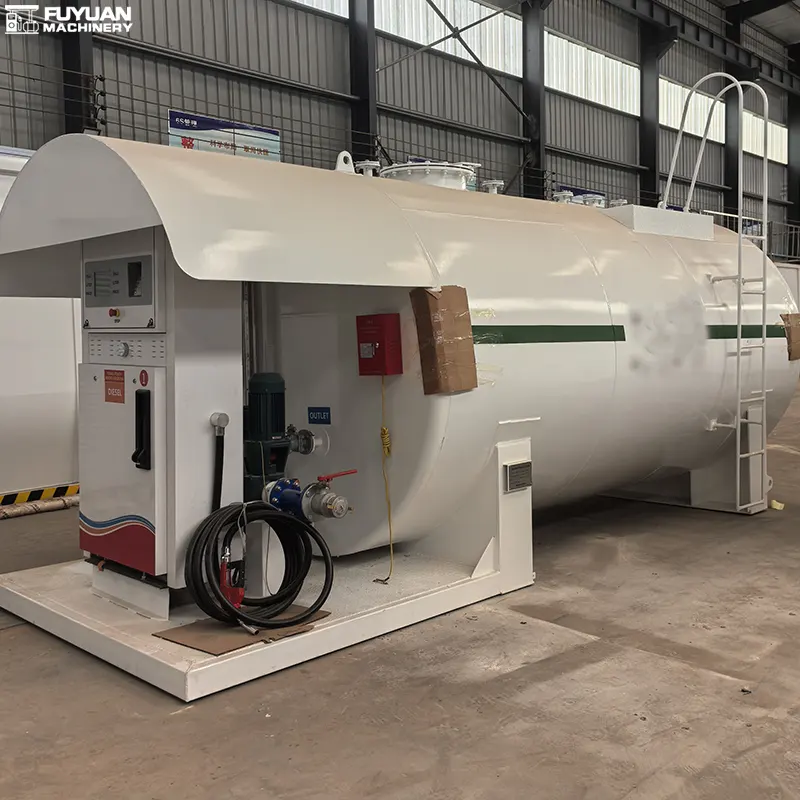
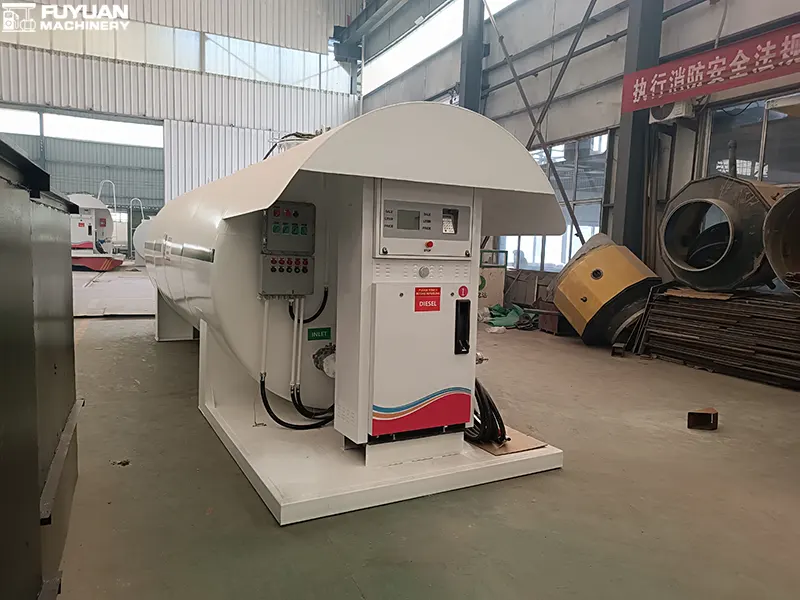
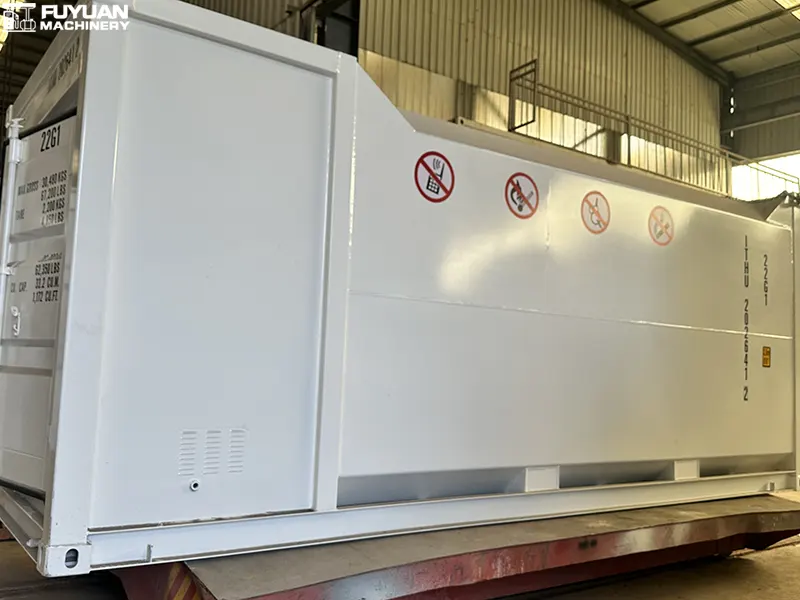
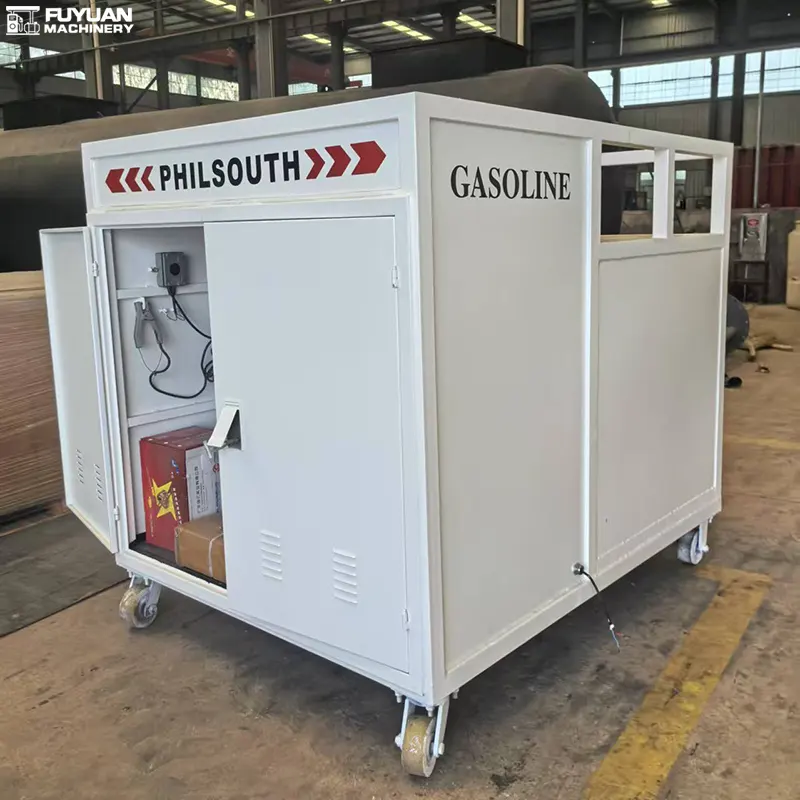
- The Fuyuan Mobile Fueling Station is an integrated fuel supply system that consolidates functions such as fuel storage, dispensing, explosion-proof safety, vapor recovery, and intelligent monitoring onto a single mobile platform. Designed for rapid deployment and complete relocation, it effectively meets the secure fuel supply requirements of scenarios lacking fixed fueling infrastructure—including temporary sites, remote locations, and highly mobile operations.
1.2. Main Types
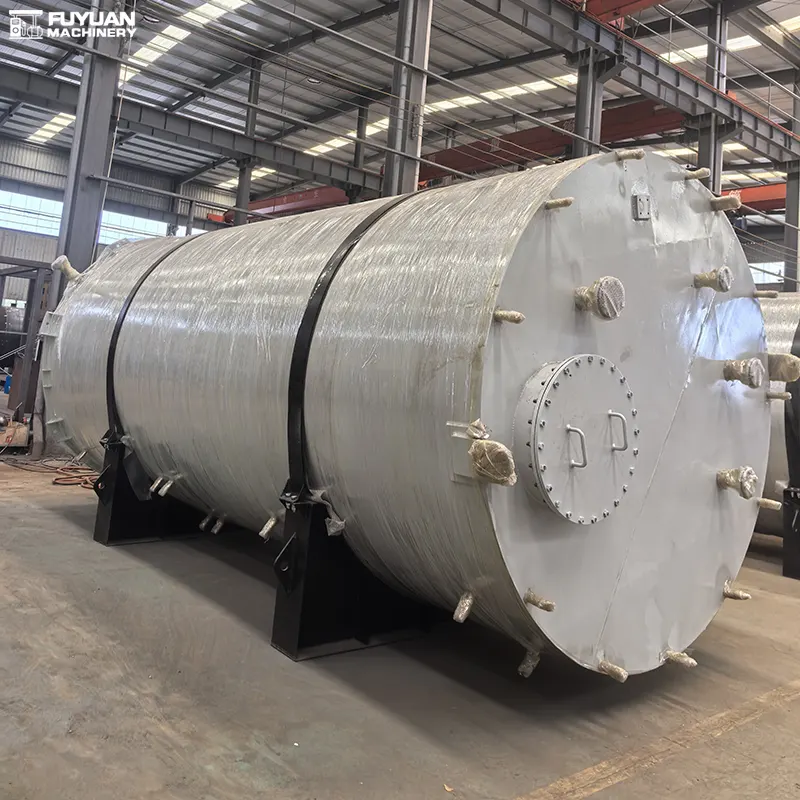
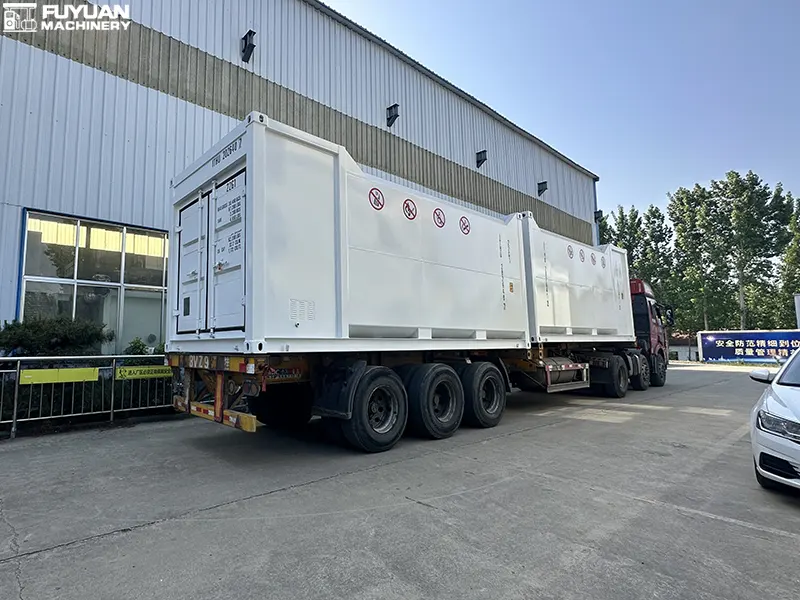
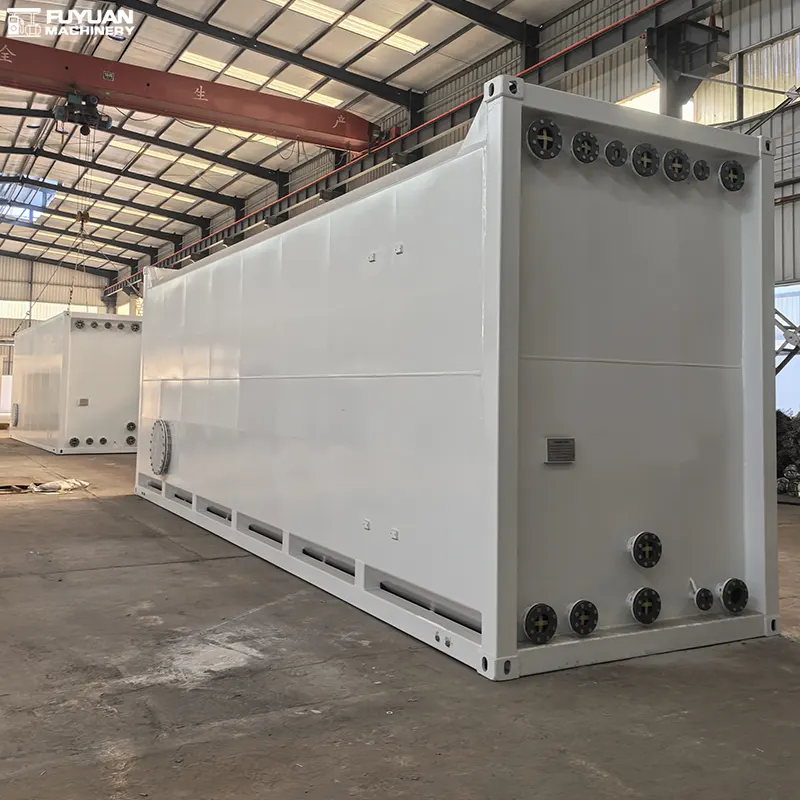
- Skid-Mounted Type: Configured as a standard shipping container or a steel-structure skid unit, featuring a 5–50 m³ double-walled, explosion-proof fuel tank (constructed from Q345R steel with an 8 mm wall thickness).
- Vehicle-Mounted Type: Configured by modifying a 5–30 ton truck chassis, integrating an explosion-proof fuel dispenser, anti-static systems, and an emergency response kit.
2. What Are Oil-Water Mixtures?
2.1. Basic Definition
- An oil-water mixture is a mixed system formed when two mutually immiscible liquids—oil and water—are combined. Due to significant differences in density and polarity, oil and water cannot dissolve completely into one another; consequently, they coexist within the mixture in various distinct forms. Within the context of mobile gas stations, this primarily refers to oil-bearing wastewater, tank bottom water draw-offs, site wash-down effluent, and equipment condensate.
2.2. Main Sources of Oil-Water Mixtures within Gas Stations
- Oil Storage Tanks: Sedimentation of petroleum products leads to the accumulation of water at the tank bottom, mixed with diesel/gasoline and impurities.
- Site Wash-down: Ground surface oil stains and accumulated rainwater combine to form oil-bearing wastewater.
- Equipment Operation & Maintenance: Drainage from fuel dispensers, pipelines, and oil-water separators.
- Condensate: Water condensation resulting from environmental temperature fluctuations mixes into the petroleum products.
2.3. Classification Based on Physical State
- Floating Oil: Oil droplets with a particle size > 60 μm; they float on the upper surface of the water, exhibiting distinct stratification, and will rise to the surface simply by being left to stand. This category accounts for over 60% of the oil-bearing wastewater within the station and is the easiest to treat.
- Dispersed Oil: Oil droplets with a particle size of 10–60 μm; they remain suspended within the water and will slowly rise to the surface after being left to stand for an extended period; their stability is moderate.
- Emulsified Oil: Oil droplets with a particle size of 0.1–10 μm; they are encapsulated by water to form a stable emulsion that does not stratify and appears turbid to the naked eye. This is the most difficult type to separate and requires demulsification treatment.
- Dissolved Oil: Trace amounts of oil molecules dissolved within the water; particle size is < 0.1 μm, and the concentration is low. This requires advanced adsorption or membrane-based treatment.
3. Methods for Treating Oil-Water Mixtures
3.1. Gravity Oil-Water Separation
- Principle: Utilizes the density difference between oil and water (oil: 0.91–0.93 g/cm³; water: 1.0 g/cm³) to achieve natural buoyancy and stratification.
- Treatable Particle Size: > 60 μm (floating oil / dispersed oil)
- Removal Efficiency: 60%–70% (can reach 80% for floating oil)
- Retention Time: ≥ 30 min;
- Flow Velocity: ≤ 0.005 m/s
- Effluent Oil Content: 50–100 mg/L
- Applicability: Upstream coarse separation; removal of floating oil and large-particle dispersed oil. Equipment: Horizontal-flow or inclined-plate oil separators.
3.2. Coalescence Separation
- Principle: Oil droplets collide and coalesce on oleophilic packing materials (fibers/ceramics), growing larger and accelerating their upward flotation.
- Treated Particle Size: 10–100 μm dispersed oil (including small particulates)
- Removal Efficiency: 95%–98%
- Dewatering Capacity: Inlet oil water content ≤10%; Outlet water oil content ≤50 ppm
- Operating Differential Pressure: 0.03–0.1 MPa;
- Dirt-holding Capacity: 4 g/(L/min)
- Applicability: Standard configuration for skid-mounted stations; sealed and explosion-proof design; compact footprint; features automatic oil discharge and pressure-driven operation.
3.3. Air Flotation Separation
- Principle: Micro-bubbles (5–10 μm) adsorb emulsified oil and suspended solids, forming a layer of scum that is subsequently skimmed off; demulsifiers are frequently added to aid the process.
- Treated Particle Size: ≥5 μm emulsified oil / dispersed oil
- Removal Efficiency: 90%–95% (up to 98% following demulsification)
- Bubble Diameter: 5–10 μm;
- Residence Time: 8–10 min
- Outlet Oil Content: ≤10 mg/L;
- CDFU Separation Factor: 25g
- Applicability: High emulsified oil content; significant fluctuations in water quality; integrated skid-mounted design; low energy consumption.
3.4. Centrifugal Separation
- Principle: High-speed rotation generates centrifugal force, causing oil and water to stratify based on their density difference; the oil phase is concentrated, while the water phase is discharged.
- Treated Particle Size: ≥2 μm emulsified oil / dispersed oil
- Removal Efficiency: 92%–97%; Product oil water content < 500 ppm
- Separation Factor: 500–3000g;
- Residence Time: 1–3 min
- Processing Capacity: 0.5–5 m³/h;
- Energy Consumption: 0.8–1.5 kWh/m³
- Applicability: Oil tank dewatering; emergency treatment scenarios; explosion-proof skid-mounted design; extremely small footprint; high degree of automation.
3.5. Demulsification & Coagulation
- Principle: Demulsifiers (e.g., PAC/PAM) are added to disrupt the emulsified structure, followed by coagulation and sedimentation to remove oil and suspended solids (SS).
- Treated Particle Size: 0.1–10 μm (Emulsified Oil; Stable Systems)
- Removal Efficiency: 85%–95%;
- COD Removal Rate: 30%–50%
- Chemical Dosage: PAC 50–150 mg/L, PAM 1–5 mg/L; pH 6–9
- Sludge Yield: 0.1–0.3 kg/m³; Requires subsequent treatment
- Applicability: Highly emulsified, difficult-to-separate wastewater; requires careful control of chemical dosage to prevent secondary pollution.
3.6. Adsorption Filtration
- Principle: Activated carbon, quartz sand, or fiber filter media adsorb trace oils and Suspended Solids (SS), providing deep purification.
- Treated Particle Size: ≤1 μm (Trace Oils/Dissolved Oils)
- Removal Efficiency: 90%–99%;
- Effluent Oil Content: ≤5 mg/L (Meets GB 8978 Grade I Standard)
- Filtration Rate: 5–10 m/h;
- Activated Carbon Iodine Value: ≥800 mg/g
- Regeneration Cycle: 1–3 months;
- Attrition Rate: 5%–10% per cycle
- Applicability: Final polishing/guarding step, water reuse, or compliance discharge; skid-mounted modular design, easy maintenance.
3.7. Membrane Separation
- Principle: Ultrafiltration (UF) / Microfiltration (MF) membranes utilize pore-size sieving to retain oil droplets and macromolecules.
- Treated Particle Size: 0.04–0.1 μm (Emulsified Oils/Dissolved Oils)
- Removal Efficiency: 98%–99.9%;
- Effluent Oil Content: ≤1 mg/L
- COD: ≤50 mg/L
- Membrane Pore Size: UF 0.04 μm;
- Operating Pressure: 0.2–0.4 MPa
- Flux: 50–100 L/(m²·h);
- Cleaning Cycle: 7–15 days
- Applicability: High-standard water reuse, discharge into sensitive areas; high capital/operating costs, requires measures to prevent membrane fouling.
4. Core Data Comparison Table for the Seven Major Methods
| Method | Particle Size Range | Removal Efficiency | Effluent Oil Content | Retention Time | Skid-Mount Adaptability |
| Gravity Oil Separation | >60 μm | 60%–70% | 50–100 mg/L | ≥30 min | ★★★★★ |
| Coalescence Separation | 10–100 μm | 95%–98% | ≤50 ppm (in oil) | 5–10 min | ★★★★★ |
| Air Flotation | ≥5 μm | 90%–95% | ≤10 mg/L | 8–10 min | ★★★★☆ |
| Centrifugal Separation | ≥2 μm | 92%–97% | < 500 ppm (in oil) | 1–3 min | ★★★★☆ |
| Demulsification & Coagulation | 0.1–10 μm | 85%–95% | 10–30 mg/L | 15–30 min | ★★★☆☆ |
| Adsorption Filtration | ≤1 μm | 90%–99% | ≤5 mg/L | 10–20 min | ★★★★☆ |
| Membrane Separation | 0.04–0.1 μm | 98%–99.9% | ≤1 mg/L | 5–15 min | ★★★☆☆ |
5. Fuyuan Mobile Gas Station Recommended Combined Process
Gravity Oil Separation-->Coalescence Separation-->Air Flotation-->Adsorption Filtration
- Stable Effluent Quality: Petroleum Hydrocarbons ≤5 mg/L, COD ≤60 mg/L (Meeting GB 8978 Grade I Standard)
- Skid-Mount Advantages: Footprint ≤5 m², Fully Automatic & Explosion-Proof, Low Sludge Generation, Low O&M Costs
6. Hazards of Oil-Water Mixtures
- Environmental Pollution: Direct discharge contaminates soil and water sources, violating wastewater discharge standards.
- Equipment Damage: Prolonged contact with oil-water mixtures causes corrosion in oil tanks, pipelines, and fuel dispensers.
- Safety Risks: Water ingress into fuel reduces fuel quality and damages the engines of heavy machinery.
- Site Hazards: Spilled oily wastewater on the ground creates slip hazards and poses a risk of fire or explosion in the presence of open flames.
7. Common Issues in the Treatment Process
7.1. Incomplete Separation; Water Discharge Contains Oil
- Causes: Insufficient rotational speed, processing overload, or equipment vibration/misalignment.
- Data Indicators: Separation factor below 500g; removal rate for emulsified oil below 70%.
- Remedies: Inspect and service the motor to ensure rated speed; reduce processing throughput; reinforce the equipment base.
7.2. Abnormal Vibration and Excessive Noise
- Causes: Imbalance caused by accumulated oil sludge; scale buildup on the rotor.
- Remedies: Shut down the unit to clean out internal oil sludge and sediment.
7.3. System Clogging; Sudden Drop in Flow Rate
- Causes: Accumulation of oil sludge, sand/silt, and suspended solids; adhesion of emulsified oil to packing materials or filter layers.
- Data Reference: Inlet-to-outlet pressure differential exceeding 0.12 MPa indicates severe clogging.
- Solutions: Perform regular sludge discharge (recommended once every 7 days); backwash filter media; install a pre-sedimentation tank upstream to intercept large impurities.
In summary, the seven oil-water mixture treatment methods employed by Fuyuan Mobile Fueling Stations each possess specific application scenarios and technical advantages. By addressing oil contaminants and impurities of varying particle sizes and physical forms found in wastewater, they collectively form a comprehensive treatment system—spanning from initial pretreatment and intermediate precision separation to final-stage deep purification. Specifically, gravity separation, coalescence separation, centrifugal separation, and air flotation are centered on physical separation principles; these methods are safe, generate no secondary pollution, and fully comply with the explosion-proof operational requirements of skid-mounted fueling stations. Emulsion breaking and flocculation techniques offer targeted solutions for the challenging problem of stable oil emulsions, thereby compensating for the limitations inherent in purely physical treatment methods. Finally, adsorption filtration and membrane separation serve as the ultimate "gatekeeping" processes, ensuring that wastewater discharge meets stringent regulatory standards. In actual operations, a single treatment method is often insufficient to accommodate the complex conditions of oil-bearing wastewater. Therefore, taking into account the specific water quality characteristics of mobile fueling stations, a "multi-stage combined process" is employed. By integrating coarse and fine treatment stages—and combining physical and chemical methods—this approach significantly enhances the efficiency of oil-water separation. The comprehensive process system is designed to meet the operational requirements of mobile fueling stations regarding flexibility, convenience, explosion safety, and environmental sustainability. It effectively resolves critical issues such as incomplete treatment of oil-water mixtures, equipment clogging, effluent quality non-compliance, and high operational costs. Consequently, it serves as the core environmental protection technology essential for ensuring the safe production, regulatory compliance, and long-term stable operation of mobile fueling stations.
Written by
TAI'AN FUYUAN MACHINERY EQUIPMENT CO., LTD.
Editor Yuan
www.mobile-fuel-stations.com
WhatsApp:+86 182 6667 0999
Email:yuanyuzhu6@gmail.com

Leading Chinese Manufacturer & Exporter of mobile fuel stations and skid-mounted fuel stations.