
- Home
- Company
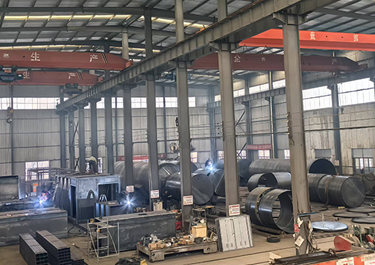 Our FactoryWe have a team of over 30 talented mobile fuel station R&D experts, as well as a 50,000-square-meter advanced modern intelligent manufacturing plant.
 - Mobile Fuel Station
- Storage Tank
- Blog
- Contacts
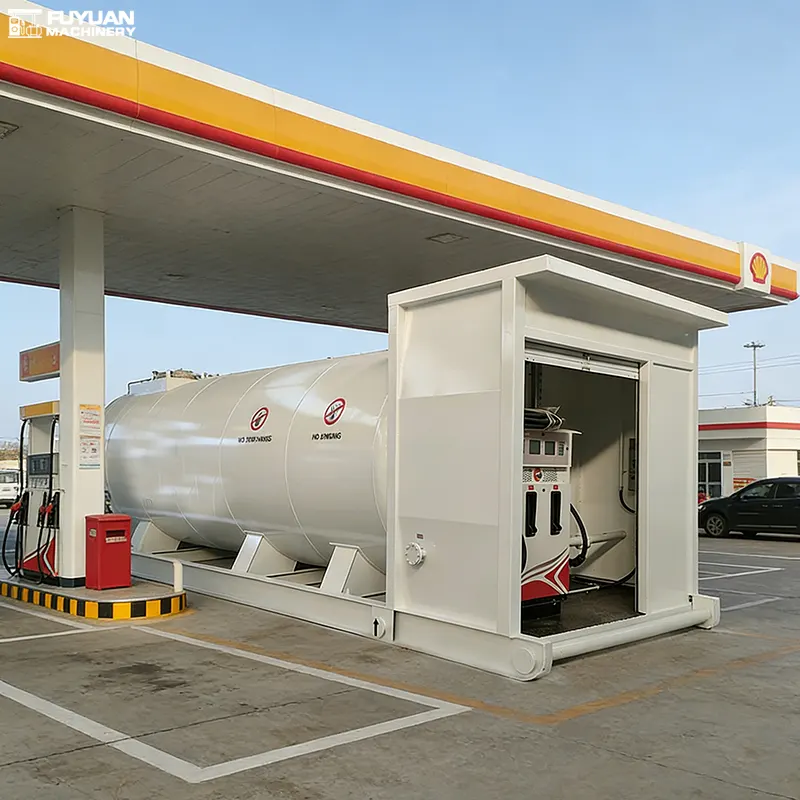
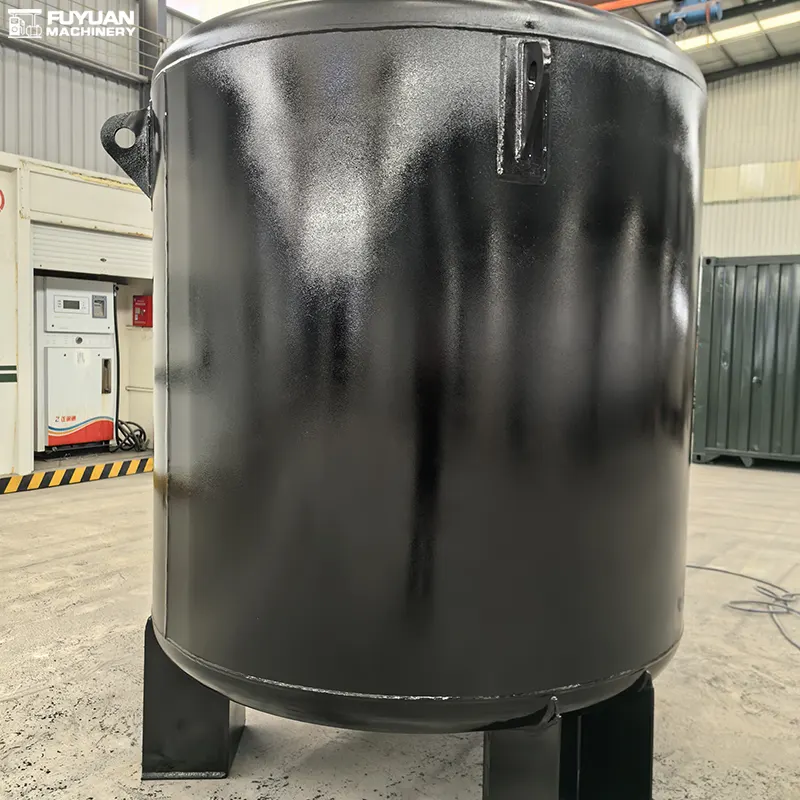
Seven Important Precautions for Using Horizontal Oil Storage Tanks in Summer
Summer brings high temperatures, thunderstorms, and frequent flooding. Fuyuan horizontal oil storage tanks are susceptible to safety hazards such as oil expansion, tank overpressure, static electricity buildup, leakage, and corrosion due to temperature changes, rain, and lightning strikes. To standardize equipment use and management, mitigate various safety risks in summer, and ensure the stable operation of oil storage equipment and safe production in the plant area, the following seven safety precautions for using Fuyuan horizontal oil storage tanks in summer are hereby specified:
1. What is a Horizontal Oil Storage Tank?
1.1. Basic Definition
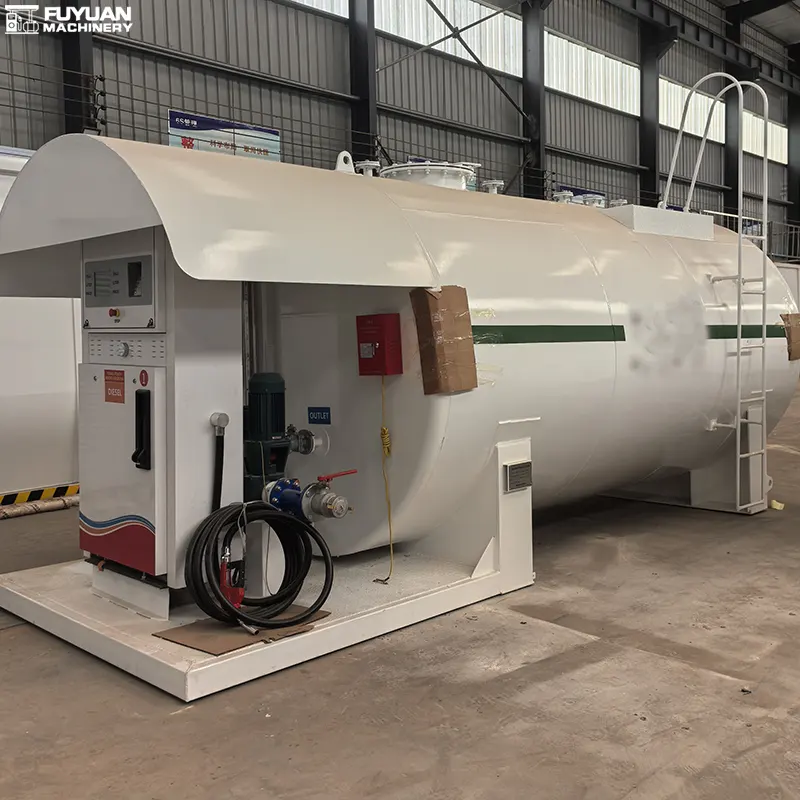
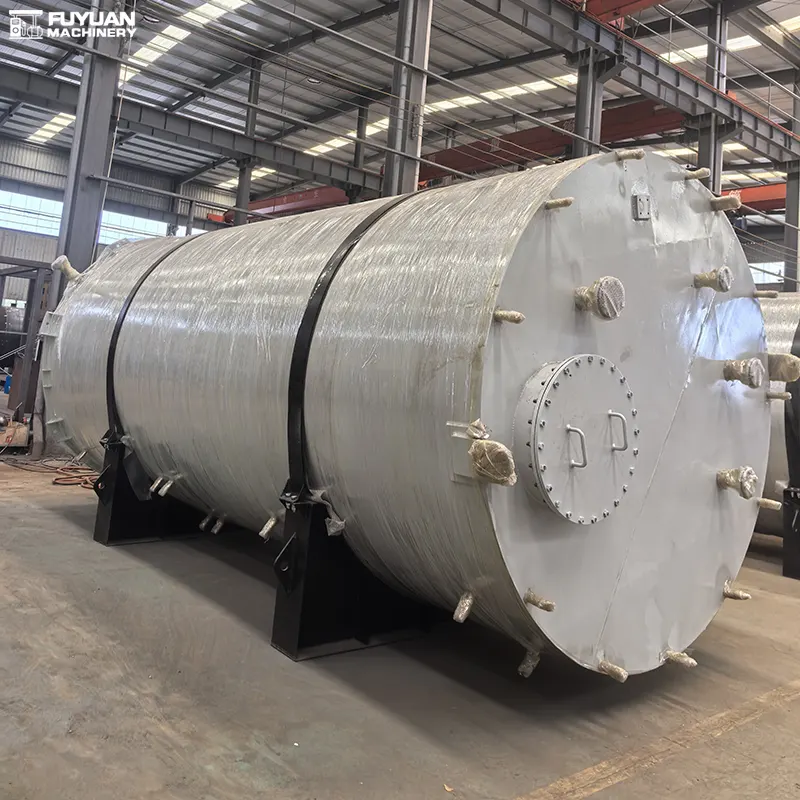
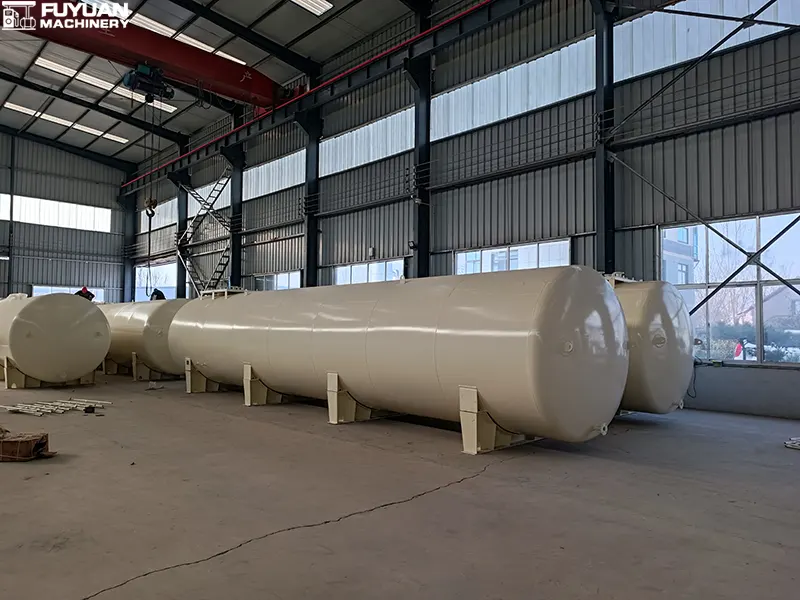
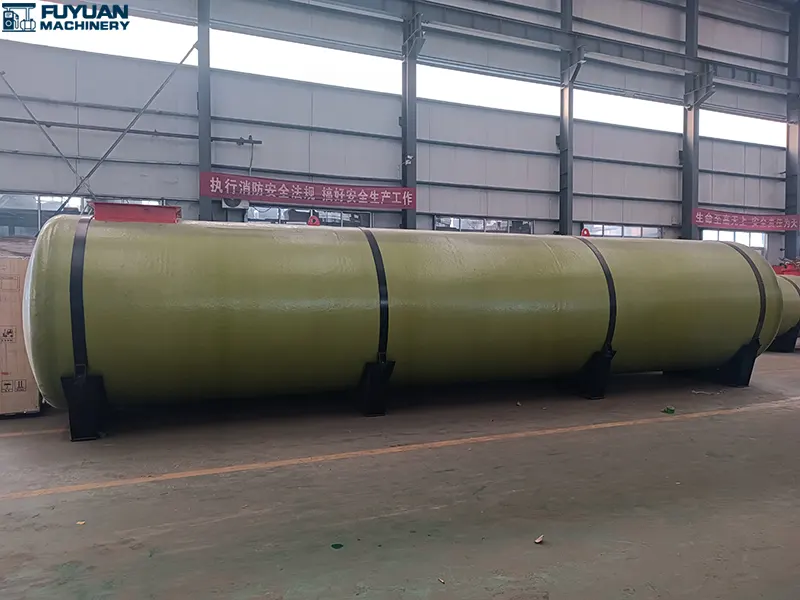
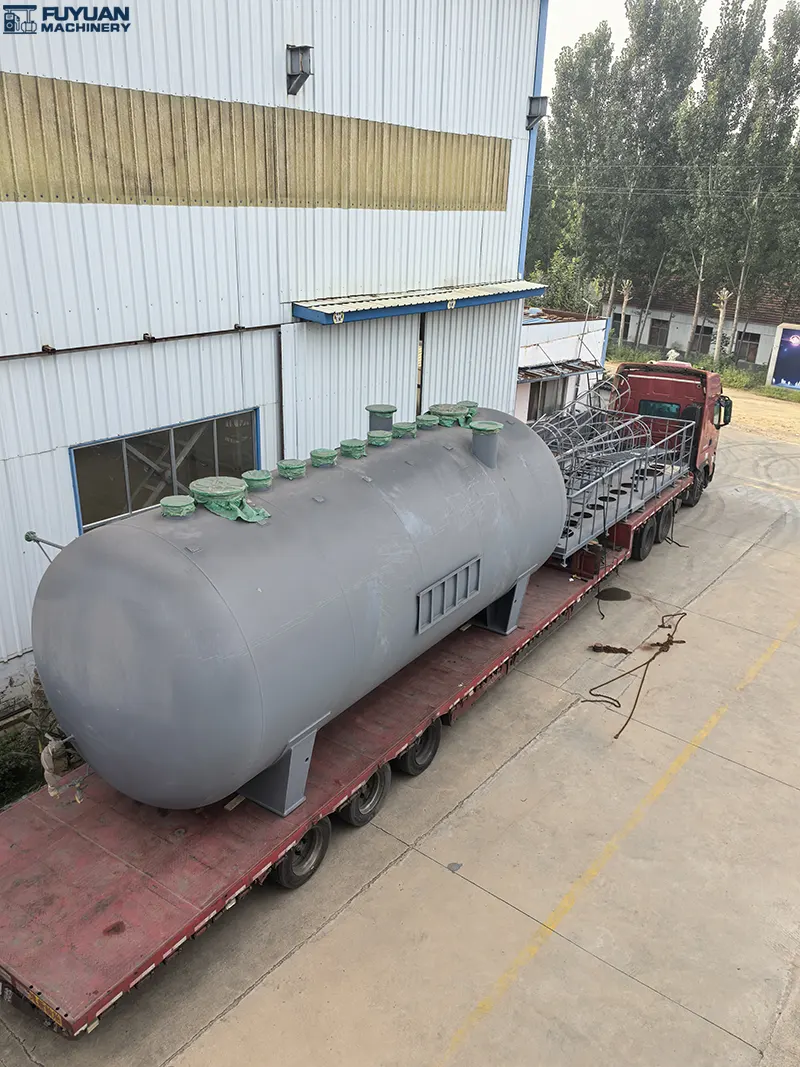
A horizontal oil storage tank is a cylindrical, sealed steel container with a horizontal axis, used to store liquid oils such as gasoline, diesel, and kerosene. It is commonly found in gas stations, small oil depots, and factory-owned oil stations.
1.2. Basic Structure
- Shell: Cylindrical, made of rolled and welded steel plates.
- Ends: Elliptical or dished at both ends, providing good pressure resistance and low stress.
- Saddle/Outriggers: Two saddle-type supports to hold the tank and distribute the weight evenly.
- Interface Accessories: Manhole, breather valve, level gauge, drain port, inlet/outlet oil port, flame arrester, etc.
1.3. Main Parameters
- Volume: Generally 1–100m3, 30/50m3 is commonly used in gas stations.
- Pressure: Mostly atmospheric/low pressure.
- Material: Carbon steel or stainless steel.
- Installation Method: Above ground, semi-underground, buried.
2. Common Specifications of Horizontal Oil Storage Tanks
2.1. Small Tanks 10–25m3
- 10m3: Φ1600×4800, wall thickness 6–8mm
- 15m3: Φ1800×5900, wall thickness 6mm
- 20m3: Φ2000×6400, wall thickness 6mm
- 25m3: Φ2500×5500, wall thickness 6mm
2.2. Medium Tanks 30–50m3
- 30m3: Φ2500×6800, wall thickness 7–8mm
- 40m3: Φ2500×8500, wall thickness 7–8mm
- 50m3: Φ2500×10200, wall thickness 8mm (double-walled inner tank 8mm/outer tank 6mm)
2.3. Large Capacity 60–100m3
- 60m3: Φ3000×9000, wall thickness 8mm
- 80m3: Φ3000×12000, wall thickness 8mm
- 100m3: Φ3000×15000, wall thickness 8–10mm
3. Seven Precautions for Using Horizontal Oil Storage Tanks in Summer
3.1. High Temperature Shading and Cooling
- Tank internal temperature control: Gasoline ≤38oC, diesel ≤45oC; cooling is mandatory if these temperatures exceed these limits.
- Shading: Outdoor tanks should be equipped with sunshades/sunscreen nets, with a shading rate ≥80%.
- Coating: The outer wall should be painted with light-colored/high-reflective sun-protective paint to reduce temperature rise by 8–15oC.
- Spraying: When the ambient temperature is ≥35oC, spraying should be carried out from 10:00 to 16:00 to control the tank wall temperature below 40oC; avoid direct spraying onto weld seams.
- Liquid level expansion margin: Reserve 8%–10% of the volume; full tank is strictly prohibited (thermal expansion can easily cause overpressure/oil spillage).
3.2. Pressure and Breathing System
- Breathing valve: Inspect and clean once a week to prevent blockage; ensure normal opening and closing at positive pressure ≥ +150Pa and negative pressure ≤ -50Pa.
- Safety valve: Calibrate at least once a year; set the trip pressure to 1.05–1.1 times the design pressure.
- Avoid high temperatures during loading and unloading: No loading or unloading is allowed between 12:00 and 15:00 to reduce thermal expansion and evaporation.
- Pressure monitoring: Alarm at tank pressure ≥ 0.03MPa, emergency pressure relief at ≥ 0.05MPa.
3.3. Lightning and Static Electricity Protection
- Grounding resistance: Tank, pipes, and ladders ≤ 4Ω; test monthly; mandatory test before thunderstorms.
- Jumper connection: All metal flanges and valves must be electrostatically jumpered; connection resistance ≤ 0.03Ω.
- Operational Prohibitions: Loading, unloading, sampling, temperature measurement, and inspection work must be suspended during thunderstorms.
- Flow Rate Control: Loading and unloading flow rate ≤ 4.5 m/s to reduce static electricity buildup.
- Personnel Protection: Wear anti-static clothing/shoes; prohibit synthetic fiber clothing and non-explosion-proof tools.
3.4. Corrosion Prevention and Sealing
- Inspection Frequency: Once a week, focusing on welds, manholes, flanges, supports, and tank bottom foundation.
- Corrosion Control: Tank wall/foundation corrosion rate ≤ 0.5 mm/year; rust spots/paint peeling must be removed and repainted within 3 days.
- Sealing Components: Rubber gaskets/sealing rings experience a 30% reduction in lifespan in summer; inspect monthly and replace preventatively every 3–6 months.
- Tank Bottom Waterproofing: Foundation must be free of standing water; drainage slope ≥ 2‰; prolonged immersion in water is strictly prohibited (prone to bottom plate corrosion and perforation).
3.5. Flood Control and Basic Protection
- Drainage: Ensure drainage ditches around the tank area are unobstructed and dredge before heavy rain; prevent rainwater backflow and floating tanks.
- Foundation: Check settlement/displacement monthly; tilt ≤1‰; reinforce soft soil foundations.
- Pipeline Protection: Seal manholes, breather valves, and level gauge ports to prevent rainwater from entering the tanks and causing oil emulsification.
3.6. Daily Inspection and Leakage Control
- Inspection Frequency: Twice daily (morning/evening), plus once more during high-temperature periods.
- Key Parameters: Oil temperature, tank pressure, liquid level, combustible gas concentration (≤25% LEL is acceptable).
- Leakage Handling: Immediately shut down operations upon discovering oil leakage and test surrounding oil and gas; operation with leaks is strictly prohibited.
- Wall Thickness Measurement: Perform ultrasonic thickness measurement every six months; shorten the cycle for severely corroded sections.
3.7. Emergency Response and Firefighting
- Firefighting Equipment: ≥2 x 4kg dry powder fire extinguishers per 50m² in the tank area; fire hydrants/hose in good working order, pressure ≥0.3MPa.
- Combustible Gas Alarm: 24-hour online operation; detector ≤5m from tank wall, height 0.3–0.6m; ≥25% LEL audible and visual alarm.
- Emergency Response Plan: Clearly defined procedures for handling high temperature overpressure, leakage, and lightning strike fires; monthly tabletop exercises and quarterly live-fire drills.
4. Horizontal Oil Tank Wall Thickness Requirements
4.1. Soil-covered/Buried Single-Layer Horizontal Tanks
Minimum Nominal Tank Wall Thickness (mm):
- Diameter ≤2500mm: ≥6mm
- Diameter 2501~3000mm: ≥7mm
- Diameter >3000mm: ≥8mm
4.2. Buried Horizontal Tanks for Gas Stations
- 30m3: 7~8mm
- 50m3: 8mm
- Double-walled Steel Tanks: Inner tank 8mm, outer tank 6mm
4.3. Above-ground Horizontal Tanks
- Normal Pressure: ≥6mm
- External Pressure/Wind Load/Earthquake: Thickness increased according to calculation, commonly 8~10mm
- Corrosion Allowance: Gasoline ≥4mm, Diesel ≥3mm
5. Four Key Parameters to Consider When Selecting Horizontal Oil Storage Tanks
5.1. Volume
Determined based on average daily consumption and turnover cycle. Gas stations typically use 30m3 and 50m3 tanks; factories/construction sites commonly use 10-25m3 tanks; large oil consumption points may choose 60-100m3 tanks. Individual tanks should not be too large to facilitate maintenance and risk management.
5.2. Dimensions and Site
Verify the length, width, height limit, and passageway width of the installation area to match the tank diameter + total length; for buried tanks, confirm the pit dimensions and tank spacing in advance.
5.3. Wall Thickness and Structure
Follow national standards: diameter ≤ 2500mm, wall thickness ≥ 6mm; 2501~3000mm ≥ 7mm; for buried, heavy-duty, and corrosive media, a wall thickness of 7-8mm is recommended; for double-walled tanks, the inner tank thickness is typically 8mm and the outer tank thickness is 6mm. The end cap thickness should not be less than the cylinder thickness.
5.4. Material
For regular oil products, Q235B/Q345R carbon steel is used; for storing corrosive chemical oils and mixed wastewater oils, stainless steel or a heavy-duty anti-corrosion coating is used.
6. Daily Inspection of Horizontal Oil Storage Tanks
- Tank Exterior: Inspect the tank walls, end caps, and saddles for deformation, bulges, rust, and leaks; ensure no large-area paint peeling.
- Interfaces and Seals: Manholes, flanges, valves, and welds are free of oil and water leaks; gaskets are free of aging and cracking.
- Safety Accessories: Breather valves and flame arresters are unobstructed and free of blockages or jamming; level gauges are accurate and leak-free.
- Grounding System: Grounding leads and jumper wires are intact, without breaks, looseness, or rust.
- Tank Area Environment: The surrounding area is free of weeds and flammable materials; drainage ditches are unobstructed and free of standing water; above-ground tank shading/protection facilities are intact.
- Instruments and Equipment: Combustible gas detectors and pressure gauges are functioning normally, with readings within acceptable ranges.
7. Summary
Seven key control measures are required for the use of horizontal oil storage tanks in summer: Strictly control the oil temperature inside the tank, reserve 8%~10% expansion volume, and implement sunshade and spray cooling during high-temperature periods; regularly check the breather valve and safety valve to prevent tank overpressure and suffocation; strengthen lightning and static electricity protection testing during thunderstorms, ensuring grounding resistance does not exceed 4Ω; inspect seals and anti-corrosion layers, and replace aging parts promptly; ensure drainage facilities are clear to prevent rainwater accumulation and backflow; increase the frequency of inspections, monitor oil and gas concentrations to prevent leaks; equip with complete fire-fighting and alarm equipment, conduct emergency drills, and comprehensively mitigate safety risks brought by high temperatures, thunderstorms, and flood seasons.
In conclusion, the safety management of Fuyuan horizontal oil storage tanks in summer must closely adhere to the seasonal characteristics of high temperatures, thunderstorms, and flood seasons, and comprehensively implement various control measures including cooling and pressure control, lightning and static electricity protection, flood control and drainage, corrosion and leakage prevention, and inspection and emergency response. In daily operations, safety regulations must be strictly followed, potential hazards must be regularly investigated, equipment must be properly maintained, violations of regulations must be eliminated, and every effort must be made to prevent safety accidents such as leaks, fires, and overpressure, so as to ensure the safe, stable, and compliant operation of oil storage equipment in summer.
Written by
TAI'AN FUYUAN MACHINERY EQUIPMENT CO., LTD.
Editor Yuan
www.mobile-fuel-stations.com
WhatsApp:+86 182 6667 0999
Email:yuanyuzhu6@gmail.com

Leading Chinese Manufacturer & Exporter of mobile fuel stations and skid-mounted fuel stations.