- Home
- Company
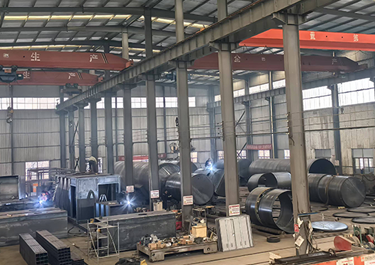 Our FactoryWe have a team of over 30 talented mobile fuel station R&D experts, as well as a 50,000-square-meter advanced modern intelligent manufacturing plant.
- Mobile Fuel Station
- Storage Tank
- Blog
- Contacts
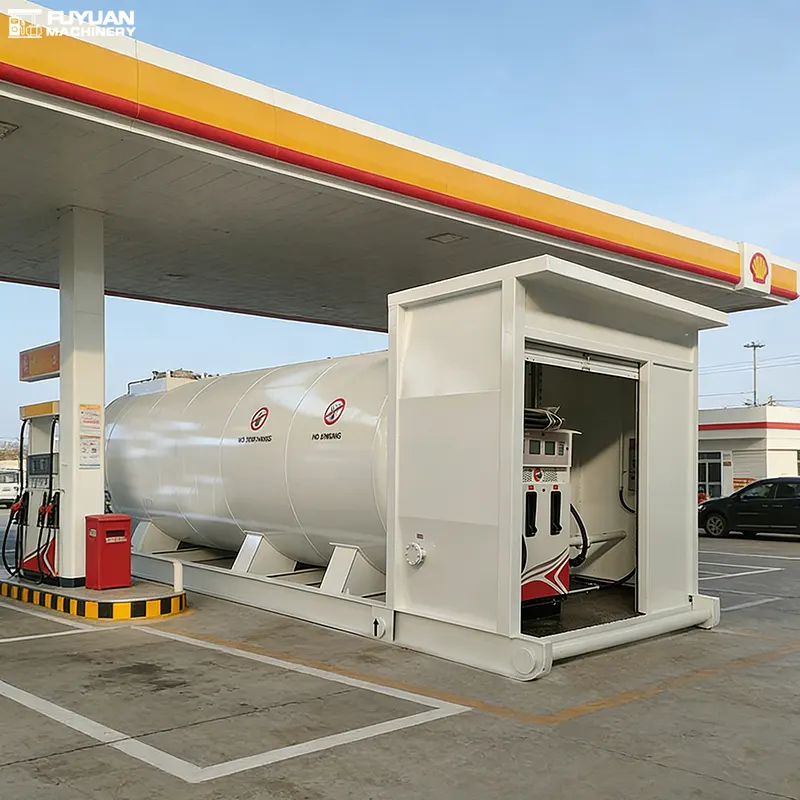
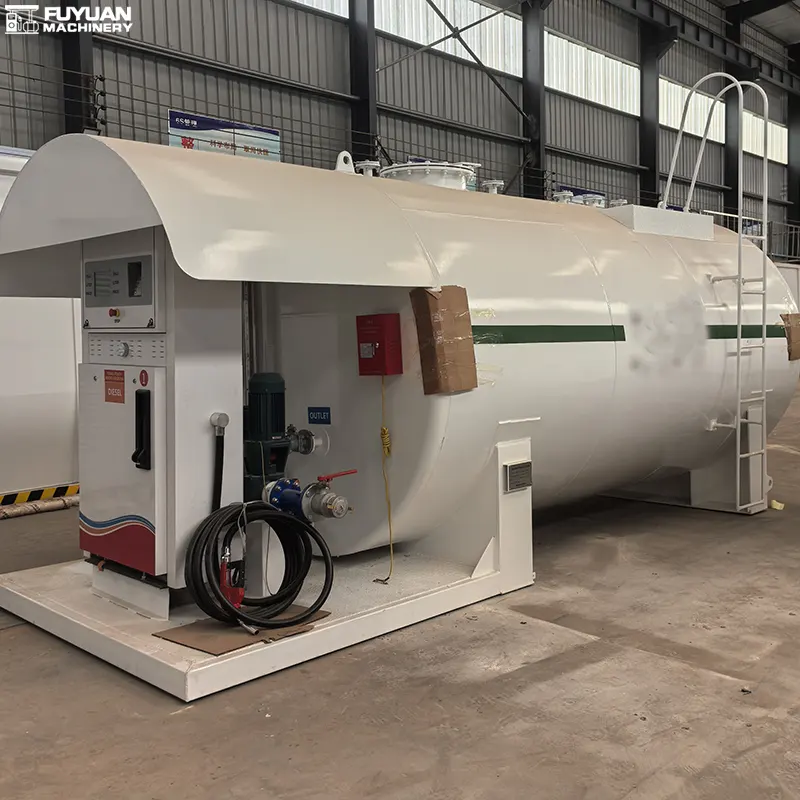
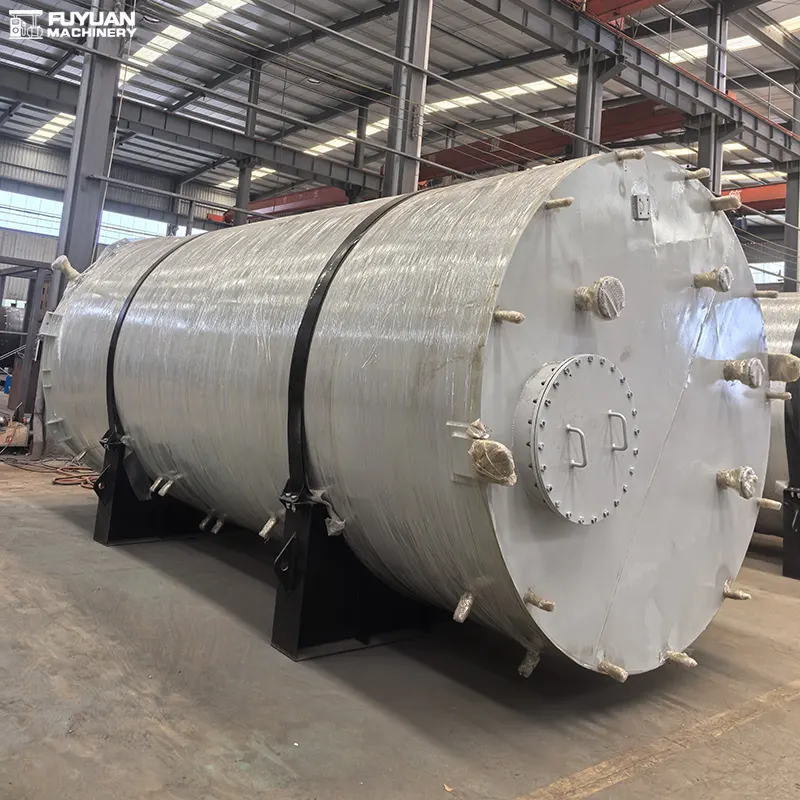
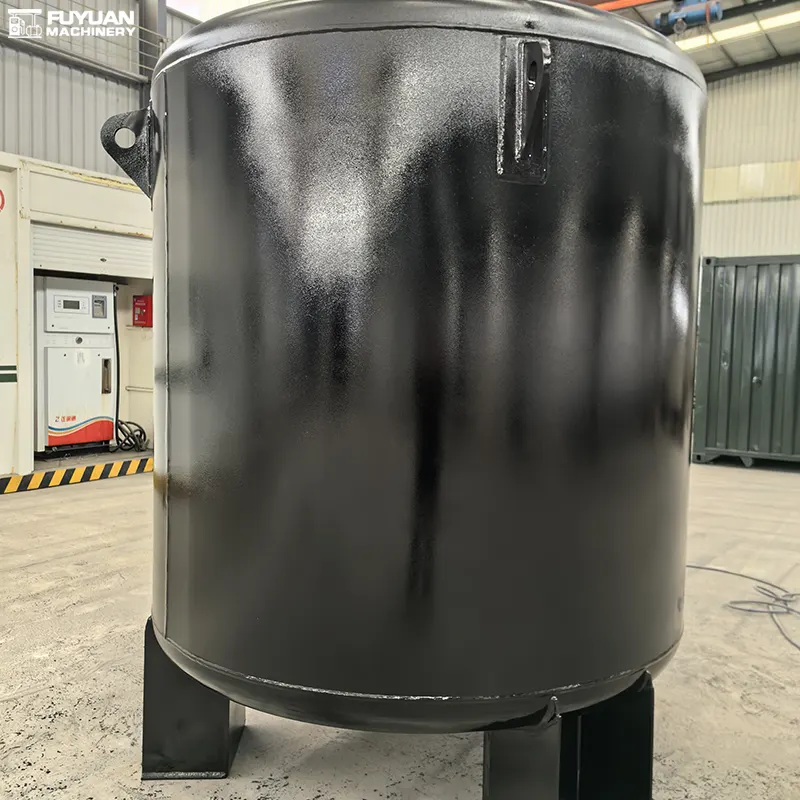
Mobile Filling Station Capacity Options: Top 4 for Fleet Refueling in 2026
Fleet operators face a recurring decision that directly impacts operating costs, fuel logistics, and capital allocation: what capacity mobile filling station do we actually need?
Choose too small, and you are scheduling emergency deliveries, risking fuel-out events, and paying premium prices for rushed supply. Choose too large, and you tie up capital in unused storage, require a bigger footprint, and may trigger stricter regulatory requirements.
The global movable fuel stations market was valued at USD 925.17 million in 2025 and is projected to reach USD 1.85 billion by 2032, growing at a CAGR of 10.40%. As fleet operators accelerate adoption, capacity selection has become one of the most consequential specification decisions in the procurement process.
Here are the 4 capacity options for mobile filling stations in fleet refueling applications, and how to determine which one fits your operation.
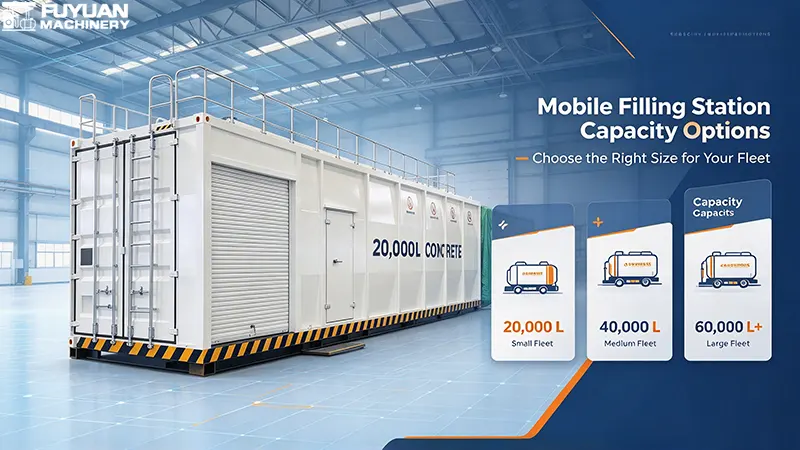
Capacity Tier 1: Compact Units (1,000L – 5,000L)
Compact mobile filling stations are the entry point for fleet refueling. These units are typically skid-mounted, occupy minimal footprint, and are ideal for small fleets, satellite depots, or operations where fuel demand is modest and predictable.
Typical applications include delivery van fleets, small service vehicle operations, and auxiliary refueling at sites where a larger unit would be impractical. A construction company with 5 to 10 vehicles returning to a single yard each night can operate effectively with a 3,000L to 5,000L unit.
The primary advantage of this tier is accessibility. Compact units require the smallest capital outlay, can be deployed on standard concrete pads, and are easy to relocate. Many units in this range are trailer-mounted, allowing them to be towed between sites as needed.
The limitation is refill frequency. A 5,000L unit serving a fleet consuming 1,000L per day requires refilling every five days. If your supplier cannot reliably meet that schedule, you will need either a larger tank or a more frequent delivery arrangement.
For fleets with fewer than 15 vehicles and daily consumption below 500L, a compact unit is usually the most capital-efficient choice.
Capacity Tier 2: Mid-Range Units (10,000L – 20,000L)
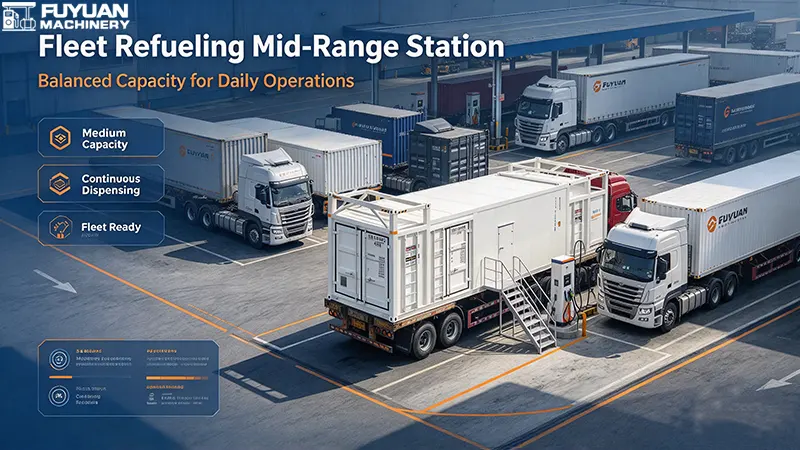
Mid-range mobile filling stations represent the most common configuration for commercial fleet operations. These units balance capacity, footprint, and cost in a package that suits the majority of logistics, construction, and industrial fleets.
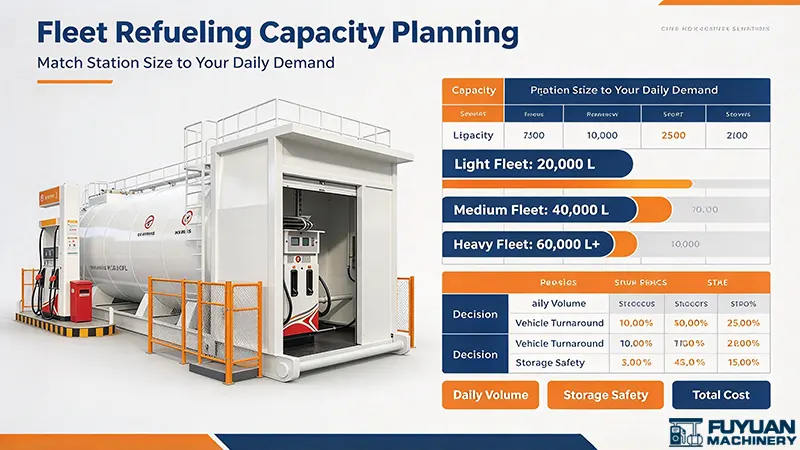
A 10,000L to 20,000L unit can support a fleet of 20 to 50 vehicles consuming 1,000L to 2,000L per day, with refill intervals of 7 to 14 days depending on supplier logistics. This tier often includes dual-compartment tanks for storing diesel and gasoline, or diesel and AdBlue, enabling a single station to serve mixed fleets.
The mid-range tier is also where smart technology integration becomes standard. RFID access control, automated transaction logging, and remote tank level monitoring are commonly available, allowing fleet managers to track consumption by vehicle, detect anomalies, and generate cost allocation reports without manual intervention.
In China, the domestic market for barrier explosion-proof skid-mounted fueling devices in this capacity range is projected to reach approximately 8 billion RMB in 2026, with annual shipments exceeding 8,000 units. The mid-range tier accounts for a substantial share of that volume.
For most fleet operators with 20 to 50 vehicles, a 15,000L to 20,000L unit offers the best balance of upfront cost, refill frequency, and operational flexibility.
Capacity Tier 3: Large Units (30,000L – 40,000L)
Large mobile filling stations serve high-consumption fleets, multi-site operations, and projects where fuel logistics are constrained by distance or delivery frequency.
A 30,000L to 40,000L unit can support daily consumption of 2,500L to 4,000L with refill intervals of 10 to 14 days. This tier is common in mining operations, large-scale construction projects, and logistics hubs where dozens of vehicles or heavy equipment units refuel at a single point.
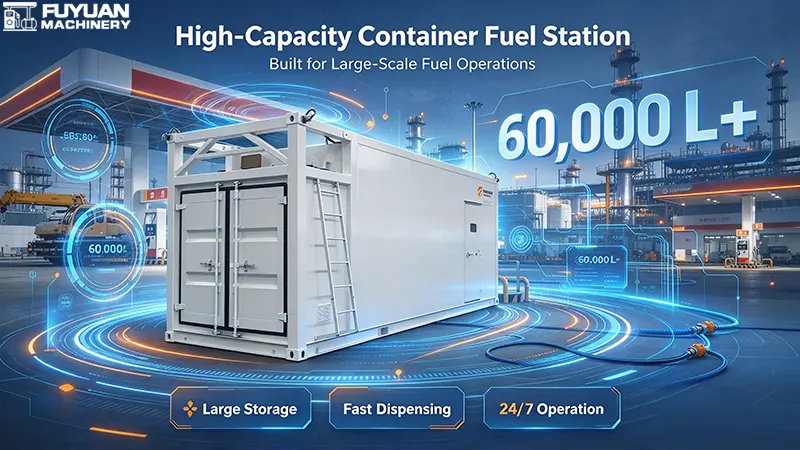
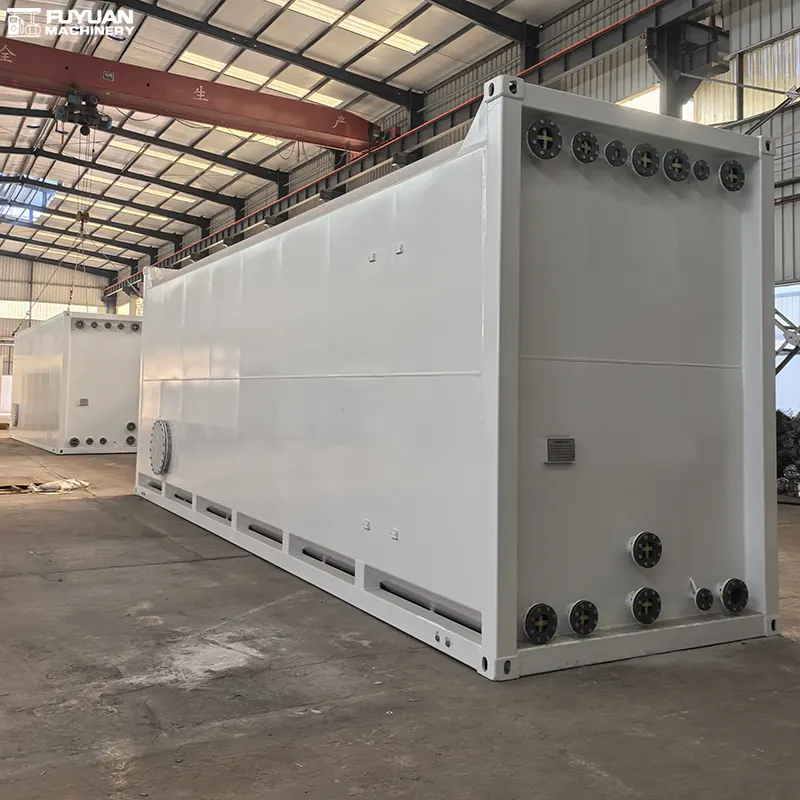
The 20ft containerized format is the dominant configuration at this capacity. A standard 20ft container station holds approximately 30,000 liters, while a 40ft unit can hold up to 60,000 liters. Containerized units offer built-in weather protection, lockable security, and CSC certification for international shipping—features that matter when the station is deployed in remote or harsh environments.
The trade-off at this tier is regulatory. Larger fuel storage volumes may trigger stricter environmental assessments, secondary containment requirements, and fire safety inspections. In some jurisdictions, total on-site fuel storage above a certain threshold requires additional permits or engineering controls.
For fleets consuming 2,500L or more per day, or operating in locations where fuel deliveries are infrequent or unreliable, a 30,000L to 40,000L unit provides the operational buffer needed to maintain continuity.
Capacity Tier 4: High-Capacity Units (50,000L – 60,000L+)
High-capacity mobile filling stations are the largest standard configurations available. These units serve major mining operations, large logistics depots, and fuel distribution hubs where daily consumption exceeds 4,000L and refill logistics are complex.
A 50,000L to 60,000L unit typically takes the form of a 40ft containerized station with multiple compartments, dual dispensing systems, and integrated fuel management technology. Some configurations support simultaneous refueling of multiple vehicles, reducing queue times during peak periods.
The economic case for this tier rests on supply chain resilience. In remote mining operations, fuel deliveries may be scheduled weekly or bi-weekly. A 60,000L unit at a mine site consuming 5,000L per day provides 12 days of fuel storage, creating a buffer against delivery delays, weather disruptions, and supply chain interruptions.
The high-capacity tier also delivers the lowest cost per liter of storage capacity. While the absolute capital outlay is higher, the cost per liter of tank capacity decreases as unit size increases. For operations with stable, high-volume demand and a multi-year project timeline, this tier offers the best long-term economics.
The regulatory burden is highest at this tier. Fire codes in most jurisdictions impose maximum capacity limits per tank and aggregate limits per site. NFPA 30A, for example, sets a maximum of 12,000 gallons per individual tank and 48,000 gallons aggregate per site for motor fuel dispensing facilities. Operators must verify that their planned capacity complies with local requirements before ordering.
How to Choose the Right Capacity for Your Fleet
Capacity selection is not simply a matter of picking the largest tank you can afford. The right choice depends on four variables:
Daily consumption. Calculate total fuel usage across every vehicle, machine, and generator on site. This is the foundation of capacity planning.
Refill frequency. How often can your supplier reliably deliver? If deliveries are weekly, your tank must hold at least seven days of consumption plus a safety margin.
Safety margin. Industry practice recommends sizing for 1.25 to 1.33 times your calculated requirement to account for ullage, demand spikes, and delivery delays.
Regulatory limits. Verify maximum capacity limits in your jurisdiction before finalizing specifications. Exceeding these limits can result in failed inspections or forced capacity reduction.
A practical formula for capacity planning:
Required Capacity = Daily Consumption × Days Between Refills × Safety Factor
For a fleet consuming 1,500L per day with weekly refills and a 1.25 safety factor, the calculation is 1,500 × 7 × 1.25 = 13,125L. A 15,000L unit would be the appropriate choice.
Summary: The 4 Capacity Tiers at a Glance
| Tier | Capacity Range | Typical Fleet Size | Refill Interval | Common Format |
|---|---|---|---|---|
| Compact | 1,000L – 5,000L | Up to 15 vehicles | 3–7 days | Skid or trailer |
| Mid-Range | 10,000L – 20,000L | 20–50 vehicles | 7–14 days | Skid or 10ft container |
| Large | 30,000L – 40,000L | 50–100 vehicles | 10–14 days | 20ft container |
| High-Capacity | 50,000L – 60,000L+ | 100+ vehicles | 12–21 days | 40ft container |
The Bottom Line
Capacity is the specification that determines whether your mobile filling station becomes an operational asset or a logistical burden. The four tiers outlined here cover the full range of fleet refueling applications, from compact units serving small van fleets to high-capacity containerized stations supporting major mining operations.
The right choice depends on daily consumption, refill logistics, safety margins, and regulatory constraints. Get these variables right, and your mobile filling station will deliver reliable fuel supply at the lowest total cost of ownership.
Looking for a mobile filling station sized for your fleet?
Fuyuan Machinery manufactures containerized and skid-mounted fuel stations in capacities from 1,000L to 60,000L+, certified to UL, ATEX, IECEx, CE, ASME, and NFPA standards.
Contact us today for a customized capacity recommendation based on your fleet consumption profile.

Leading Chinese Manufacturer & Exporter of mobile fuel stations and skid-mounted fuel stations.