
- Home
- Company
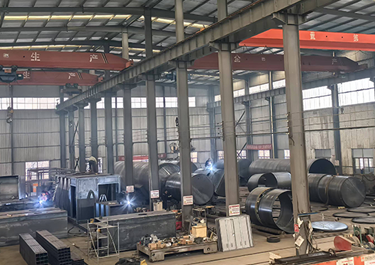 Our FactoryWe have a team of over 30 talented mobile fuel station R&D experts, as well as a 50,000-square-meter advanced modern intelligent manufacturing plant.
- Mobile Fuel Station
- Storage Tank
- Blog
- Contacts
Best 8 Maintenance Tips to Extend Mobile Fuel Stations Service Life
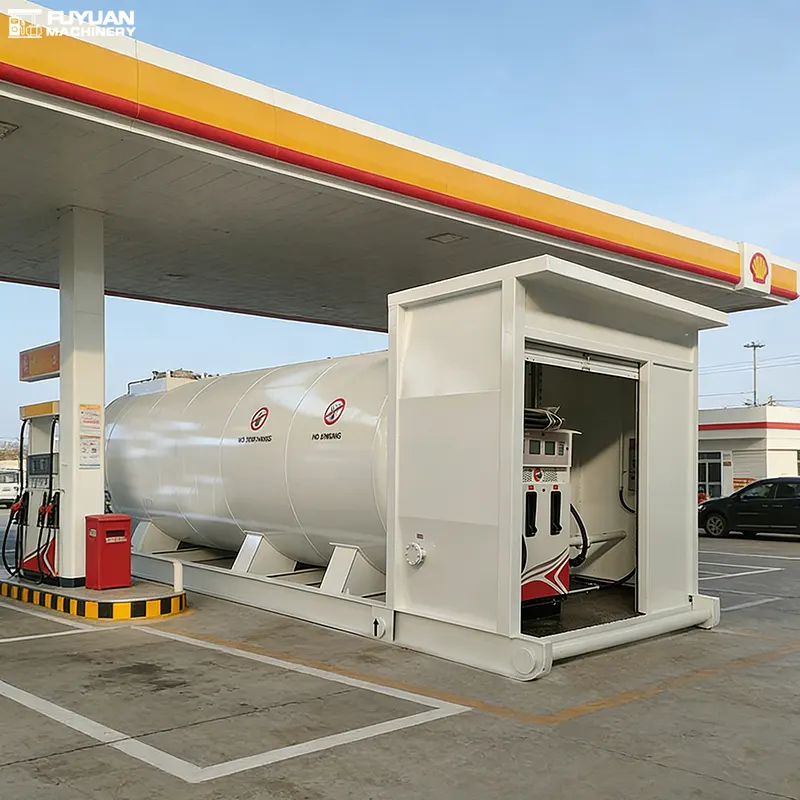
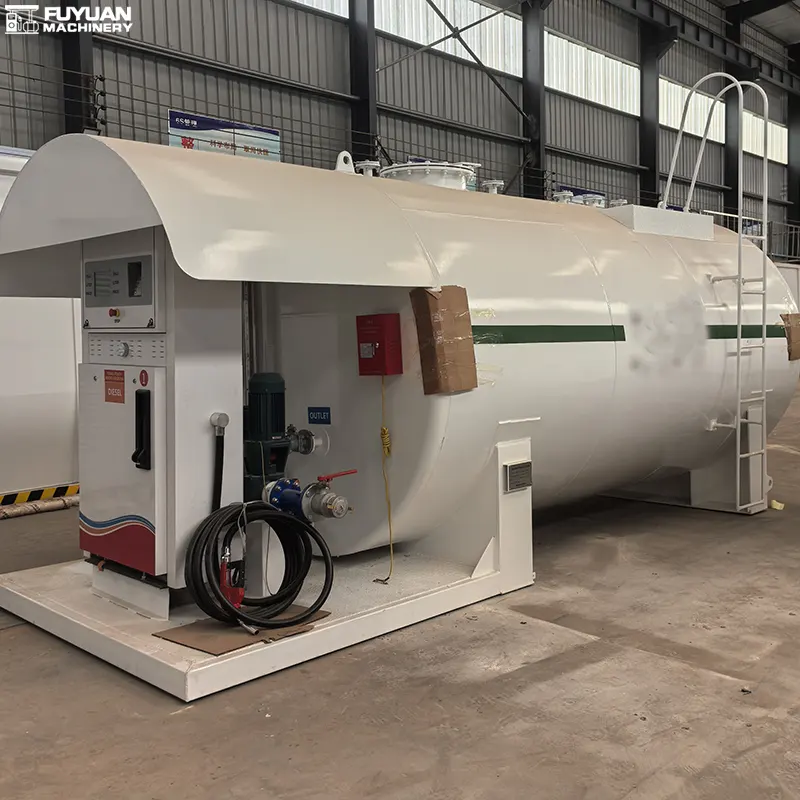
A mobile fuel station is a significant capital investment. Whether it is a skid-mounted unit serving a construction fleet or a containerized station supporting a remote mining operation, the equipment is expected to deliver reliable performance for 15 to 20 years. But that lifespan does not happen automatically. It is the result of consistent, disciplined maintenance.
Neglected maintenance leads to corrosion, pump failure, meter drift, leak detection faults, and safety system degradation. These problems do not just cost money to repair—they create downtime, trigger regulatory non-compliance, and shorten the operational life of the entire asset. In mining and construction environments where equipment downtime costs thousands of dollars per hour, maintenance is not a cost center. It is a revenue protection strategy.
Here are the best 8 maintenance tips to extend mobile fuel stations service life, drawn from field experience across logistics, mining, construction, and remote industrial applications.
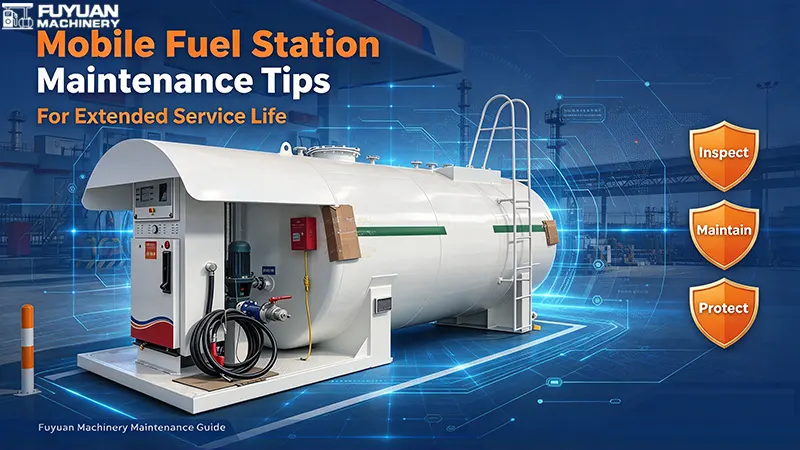
1. Establish a Daily Inspection Routine
The most effective maintenance program starts with daily visual inspections. These checks take only 10 to 15 minutes but catch small issues before they become expensive failures.
Daily inspection should cover the exterior of the tank and frame for signs of rust, corrosion, or physical damage. Check all valve switches for smooth operation—any valve that is stuck, stiff, or severely rusted should be replaced immediately. Inspect hoses and nozzles for cracks, wear, or fuel residue that indicates a leak. Verify that the fire extinguisher is within its validity period and has normal pressure. Confirm that the spill kit is stocked and accessible.
Pay attention to the fuel dispenser area. Look for fuel stains on the concrete or hardstand, which can indicate a slow leak in piping or connections. Check the emergency shut-off devices to confirm they are unobstructed and clearly labeled. A daily inspection log creates a documented record that supports warranty claims and regulatory audits.
For fleets operating in dusty or high-traffic environments, increase inspection frequency to twice daily. Dust accumulation on electrical components and controller interfaces can cause premature failure if not addressed.
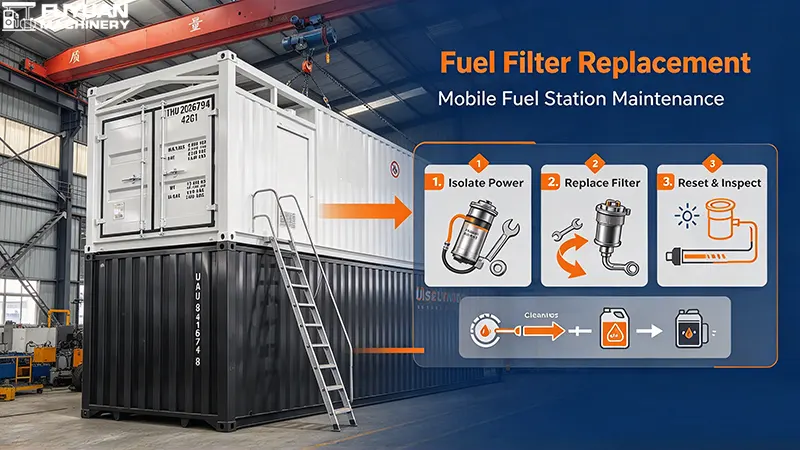
2. Schedule Regular Filter Replacement
Fuel filters are the first line of defense against contaminated fuel reaching your vehicles and equipment. Over time, filters accumulate particulates, water, and microbial growth. A clogged filter restricts flow, increases pump strain, and can allow contaminants to pass through to the dispenser.
The filter in the oil dispenser should be replaced according to the manufacturer's recommended interval—typically every 500 to 1,000 operating hours, or more frequently in dusty conditions. If you notice reduced flow rate at the nozzle, increased pump noise, or visible sediment in the filter housing, replace it immediately regardless of the interval.
Water separation is equally important. Fuel storage tanks accumulate condensation over time, particularly in humid climates or where temperature fluctuations are significant. Water in the fuel can cause corrosion inside the tank, promote microbial growth, and damage engine injection systems. Use water-finding paste on a stick to check for water at the bottom of the tank during every refill. If water is present, pump it out before adding new fuel.
3. Protect Against Corrosion Inside and Out
Corrosion is the single greatest threat to mobile fuel station longevity. It attacks from two directions: external corrosion from weather and environmental exposure, and internal corrosion from fuel chemistry and condensation.
External corrosion protection starts with the coating system. Inspect the tank exterior, frame, and container shell for scratches, chips, or areas where the paint has worn thin. Touch up damaged areas promptly with compatible primer and topcoat. In coastal or high-humidity environments, consider applying an additional protective wax or sealant to exposed steel surfaces.
Internal corrosion is more insidious. Water accumulation at the bottom of the tank creates a corrosive environment that eats through steel from the inside. The tank interior should be inspected annually by a qualified technician. If rust or pitting is detected, the tank may require cleaning and application of an internal epoxy coating. For tanks that have been in service for more than five years, consider an internal inspection every two years.
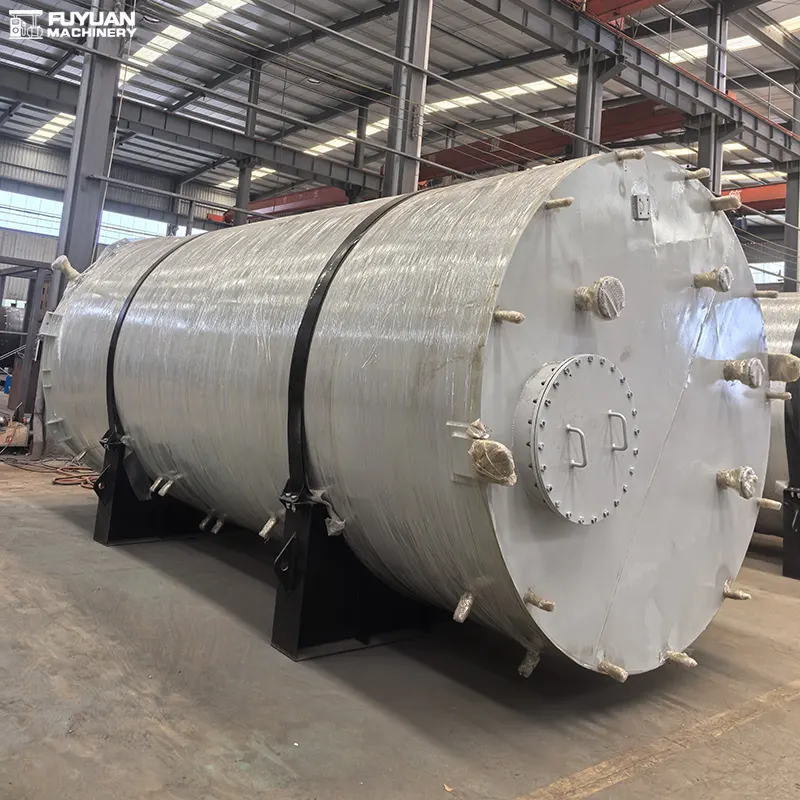
The inner wall anti-corrosion coating—whether epoxy resin or fiberglass—degrades over time. When it fails, the underlying steel is exposed to fuel and water. Monitoring coating condition is essential for long-term asset integrity.
4. Maintain Pumps and Dispensers
The pump and dispenser are the most mechanically active components of any mobile fuel station. They handle high volumes, operate under pressure, and are exposed to fuel chemistry that can degrade seals and internal components.
Submersible pumps should be inspected for unusual noise, vibration, or reduced flow. Any change in sound or performance indicates wear. The pump inlet screen should be cleaned or replaced regularly to prevent debris from entering the pump mechanism. Unloading pumps and dispenser pumps require similar attention—check for leaks at seals, worn bearings, and loose mounting bolts.
Dispenser calibration should be verified at least annually. A 1% calibration drift on a 5,000 L/day operation costs thousands of dollars in untracked fuel annually. High-accuracy metering systems should be recalibrated every six months in high-volume applications. The preset controller function should be tested regularly to ensure it stops dispensing at the set volume.
Lubricate moving parts according to the manufacturer's schedule. Dispenser hose swivels, breakaway couplings, and nozzle boot seals all benefit from periodic lubrication. Replace worn hoses before they fail—a hose rupture during dispensing creates a serious safety hazard and environmental spill.
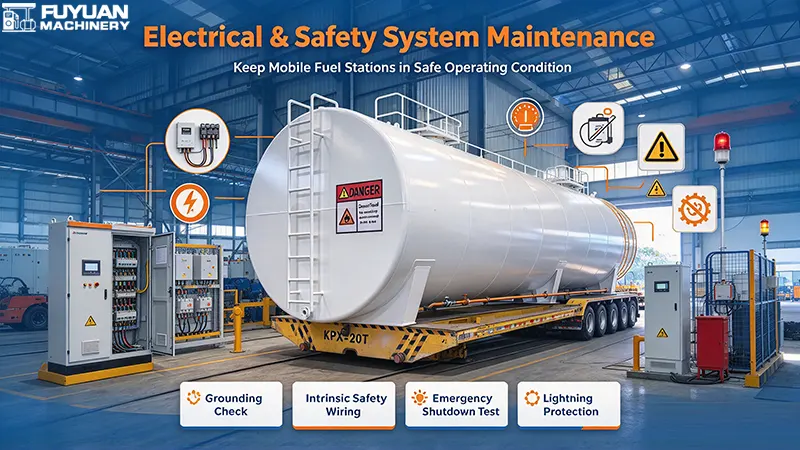
5. Verify Electrical and Safety Systems
Electrical systems in mobile fuel stations operate in hazardous environments. Any degradation in explosion-proof integrity creates a serious safety risk. Monthly testing of critical safety systems is essential.
Test the emergency shut-off devices by physically actuating them to confirm they stop all dispensing. Check combustible gas detection systems by introducing a test gas to verify the alarm triggers correctly. Verify grounding continuity by measuring resistance across the grounding system—it should be less than 10 ohms. Inspect all electrical enclosures for cracks, loose covers, or missing bolts that could compromise explosion-proof ratings.
Check wiring for cracks, aging, or exposed conductors. Power cords that show signs of wear should be replaced immediately. Verify that all explosion-proof switches operate correctly and that the distribution box remains sealed. For containerized units, inspect the ventilation system to ensure it is free of obstructions and functioning properly.
Keep a log of all safety system tests. This documentation is required for regulatory compliance and provides a clear record of maintenance history.
6. Manage Fuel Quality Proactively
Fuel quality is not just an engine concern—it directly affects the service life of your mobile fuel station. Poor fuel quality accelerates corrosion, promotes microbial growth, and clogs filters and dispensers.
Purchase fuel from reputable suppliers who provide quality certificates. Avoid fuel with high sulfur content or water contamination. If you store biodiesel or ethanol blends, be aware that these fuels attract water and can degrade certain seal materials more quickly than conventional diesel. Check compatibility of seals, gaskets, and hoses with the fuel types you dispense.
Treat fuel with biocides if microbial contamination is a risk, particularly in warm, humid climates. Microbial growth creates sludge that clogs filters, corrodes tank walls, and produces corrosive organic acids. If you detect a rotten egg smell or dark, sludgy fuel, the tank requires professional cleaning and treatment.
Keep the tank as full as practical during periods of low use to minimize condensation. Temperature fluctuations cause air exchange through the vent, bringing moisture into the tank. A fuller tank has less air space for moisture to accumulate.
7. Inspect and Maintain Secondary Containment
Secondary containment is a regulatory requirement in most jurisdictions and a critical environmental protection measure. It must be inspected regularly to ensure it can perform its intended function.
For double-wall tanks, check the interstitial space for signs of leakage. Some systems include leak detection sensors that monitor the space between the inner and outer walls. Test these sensors according to the manufacturer's schedule. For diked or bunded tanks, inspect the containment area for cracks, deterioration, or accumulated rainwater. Remove standing water promptly—it reduces containment capacity and can hide leaks.
Verify that the containment volume meets regulatory requirements. NFPA 30A and similar codes specify containment sizing based on the largest tank volume plus precipitation allowance. If you add capacity or change tank configuration, verify that containment remains compliant. Any spill or overfill event should be documented and the containment system inspected for damage before returning to service.
8. Keep Records and Plan Preventive Maintenance
The most effective maintenance programs are documented and proactive. Reactive maintenance—fixing things after they break—is always more expensive and causes more downtime than planned preventive maintenance.
Maintain a maintenance log for every mobile fuel station. Record all inspections, filter replacements, calibration checks, safety system tests, and repairs. Note the date, technician name, findings, and actions taken. This log becomes the foundation of your preventive maintenance schedule and provides evidence of due diligence for regulatory inspections and warranty claims.
Develop a preventive maintenance calendar based on manufacturer recommendations and your operating conditions. Daily, weekly, monthly, quarterly, and annual tasks should be clearly defined and assigned. Use the data from your fuel management system to identify trends—if a particular vehicle consistently triggers filter alarms or if consumption patterns change unexpectedly, investigate the cause.
Equipment lifespan of 15 to 20 years is achievable for mobile fuel stations, but only with consistent maintenance. The cost of a preventive maintenance program is a fraction of the cost of premature equipment replacement or unplanned downtime.
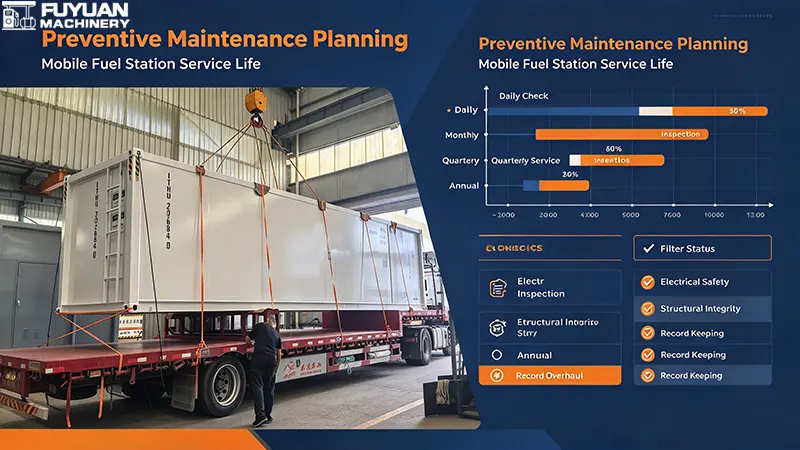
Summary: The 8 Maintenance Tips at a Glance
| Tip | Frequency | Key Action |
|---|---|---|
| 1. Daily inspection routine | Daily | Check valves, hoses, extinguisher, spill kit |
| 2. Filter replacement | 500–1,000 hours | Replace fuel filters, check for water |
| 3. Corrosion protection | Monthly / Annual | Touch up coatings, inspect tank interior |
| 4. Pump and dispenser care | Monthly / Annual | Test flow, calibrate meter, lubricate parts |
| 5. Electrical and safety checks | Monthly | Test shut-off, gas alarm, grounding |
| 6. Fuel quality management | Every refill | Check water, use biocides, buy quality fuel |
| 7. Secondary containment | Quarterly | Inspect bund, test leak sensors, drain water |
| 8. Records and planning | Ongoing | Log all maintenance, schedule preventive tasks |
Conclusion
Extending the service life of mobile fuel stations is not complicated—but it requires discipline. The eight maintenance tips outlined here cover the critical systems and components that determine whether your station operates reliably for 15 years or fails prematurely at year five.
Daily inspections catch small problems early. Filter replacement protects fuel quality. Corrosion protection preserves tank integrity. Pump and dispenser care maintains dispensing accuracy. Electrical and safety system testing prevents catastrophic failures. Fuel quality management reduces internal degradation. Secondary containment inspection ensures environmental compliance. And record-keeping enables proactive planning rather than reactive repair.
Mobile fuel stations are designed for durability. With the right maintenance program, they deliver on that promise—and deliver the lowest total cost of ownership across their operational life.
Written by
TAI'AN FUYUAN MACHINERY EQUIPMENT CO., LTD.
Editor Yuan
www.mobile-fuel-stations.com
WhatsApp:+86 182 6667 0999
Email:yuanyuzhu6@gmail.com

Leading Chinese Manufacturer & Exporter of mobile fuel stations and skid-mounted fuel stations.