
- Home
- Company
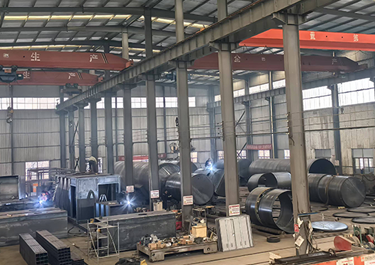 Our FactoryWe have a team of over 30 talented mobile fuel station R&D experts, as well as a 50,000-square-meter advanced modern intelligent manufacturing plant.
- Mobile Fuel Station
- Storage Tank
- Blog
- Contacts
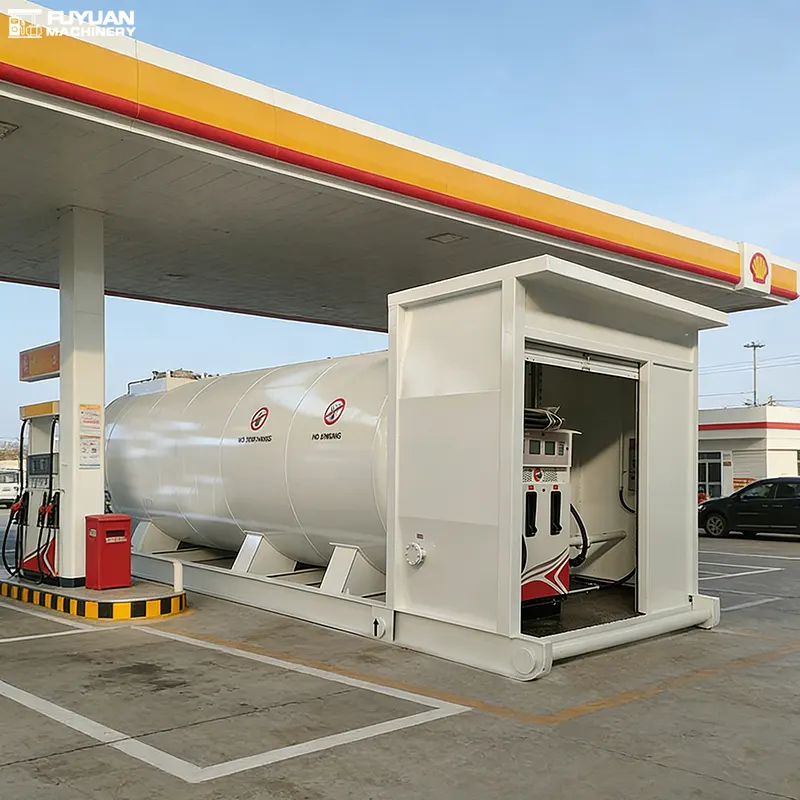
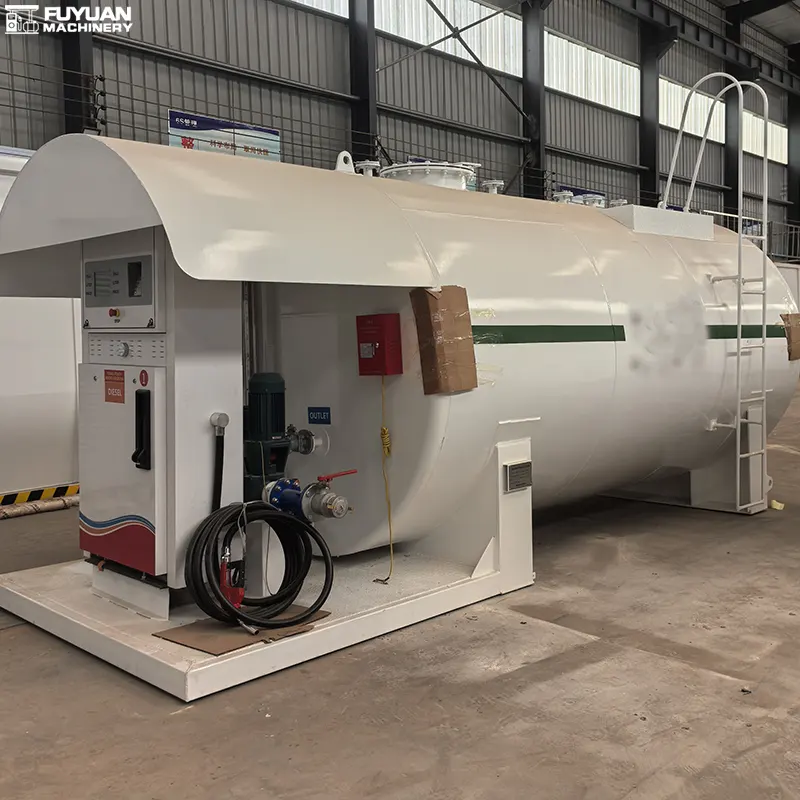
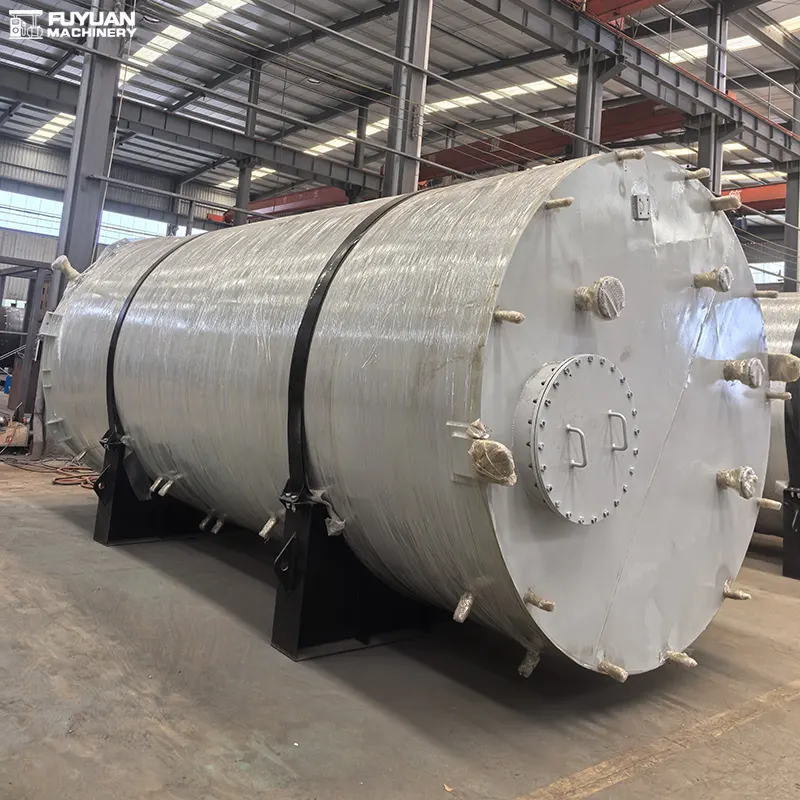
7 Reasons Why Investors Prefer Container Gas Station in 2026
The global mobile container fuel stations market was valued at USD 2.74 billion in 2025 and is projected to reach USD 6.84 billion by 2032, growing at a CAGR of 13.94%. Behind this growth curve sits a simple reality: investors are not just buying fuel equipment—they are buying a financial asset with a predictable return profile.
Traditional fixed fuel stations require land acquisition, environmental assessments, construction permits, and 6 to 12 months of civil works before the first litre is ever dispensed. Container gas stations flip that model. They arrive factory-built, deploy in 1 to 3 days, and can be relocated when the market shifts.
Here are the 7 reasons why investors are choosing container gas stations over traditional fixed infrastructure in 2026.
1. Capital Efficiency: Lower Entry Cost, Faster Payback
The first question every investor asks is simple: how much capital is required, and when does it come back?
A traditional fixed fuel station typically requires USD 120,000 to USD 350,000+ in equipment costs alone. Add civil works—excavation, in-ground tank installation, concrete bund, drainage, canopy—and the figure rises by another USD 80,000 to USD 250,000. Land acquisition in urban or peri-urban areas can push total project cost past USD 1 million.
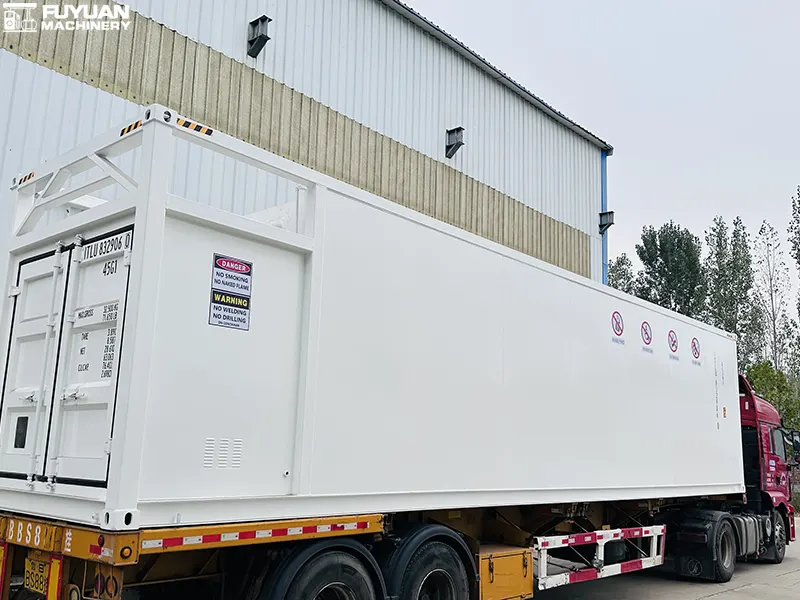
A container gas station with equivalent dispensing capacity costs USD 35,000 to USD 80,000. It requires no land purchase, no excavation, and no permanent construction. The unit sits on a concrete pad or prepared hardstand and is operational within days of delivery.
For investors, this means capital is deployed faster and begins generating returns months earlier than a fixed-station project. The payback period for a containerized station in a logistics or mining application typically runs 1.5 to 3 years, compared with 5 to 8 years for permanent infrastructure.
2. Asset Mobility: No Stranded Capital
A fixed fuel station is permanently tied to its location. If demand shifts—a highway is rerouted, a mining operation closes, a construction project ends—the asset cannot follow the revenue.
Container gas stations are fully relocatable. The unit can be lifted by crane or forklift, transported by standard truck, and re-deployed at a new site within days. The asset retains its productive value across multiple projects and locations.
This mobility transforms fuel infrastructure from a fixed cost into a deployable asset. Investors can pursue short-duration opportunities—a 12-month road project, a seasonal mining camp, a temporary logistics hub—without worrying about what happens to the equipment when the project ends.
3. Regulatory Compliance as a Competitive Advantage
In many jurisdictions, the regulatory environment has shifted decisively in favor of containerized solutions.
Following the comprehensive inclusion of diesel under hazardous chemical management regulations, illegal underground tanks and modified container units face strict enforcement. Compliant skid-mounted and containerized devices have become the only legal alternative for internal, self-use fueling in many markets.
For investors, this regulatory clarity is a risk reducer. The old model—relying on informal or semi-legal fueling arrangements—carries the constant threat of fines, shutdown orders, and asset seizure. A certified container gas station with documented ATEX, IECEx, UL, or NFPA compliance eliminates that exposure.
At the same time, safety assessments, environmental impact evaluations, and manufacturing qualification thresholds are tightening. This consolidation is pushing unlicensed assemblers out of the market and strengthening the position of established, certified manufacturers. Investors who move early into compliant containerized assets are positioning themselves ahead of a regulatory wave that will only accelerate.
4. Multi-Fuel Flexibility and Future-Proofing
The energy transition is not eliminating fuel demand—it is diversifying it.
Modern container gas stations are increasingly built as multi-fuel platforms. A single unit can dispense diesel, gasoline, biodiesel blends, and AdBlue. Emerging designs integrate battery charging capabilities and hydrogen-compatible storage. Some LNG containerized stations now integrate cryogenic pumps, compressor units, and dispensers within standard container dimensions.
This flexibility matters to investors because it reduces obsolescence risk. A fixed station built for a single fuel type becomes stranded if the market shifts. A containerized multi-fuel platform can adapt its dispensing configuration as demand evolves—without replacing the core asset.
The integration of smart technology reinforces this future-proofing. Remote telemetry, real-time inventory monitoring, and automated transaction logging are now standard on premium units. These systems generate the data investors need to track performance, optimize pricing, and demonstrate returns.
5. Operational Cost Structure
Container gas stations operate with a lean cost base.
A traditional fuel station requires a large workforce to manage operations, security, and maintenance. A containerized unit typically needs only 2 to 4 employees. Automated fuel management systems—RFID access control, preset dispensing, automated settlement—further reduce labor requirements.
Maintenance costs are also lower. The open-frame or containerized design makes every component visible and accessible. Technicians can inspect pumps, valves, and piping without the confined-space challenges of underground tank systems. With proper corrosion protection, equipment lifespan reaches 15 to 20 years.
For investors evaluating the operational expenditure side of the equation, these savings compound. Lower staffing, lower maintenance, and lower utility costs translate directly into higher net margins per litre dispensed.
6. Deployment Speed as a Revenue Accelerator
Time is the most expensive variable in any capital project.
A fixed fuel station requires 4 to 8 weeks for design and planning, plus 6 to 12 months for construction. Permitting alone can consume months of the project timeline. During this period, capital is committed but generating zero revenue.
A container gas station arrives factory-built and ready to operate. Installation and commissioning take 1 to 3 working days. The unit begins dispensing fuel—and generating revenue—within a week of delivery.
For investors, this speed is not just a convenience. It is a direct multiplier on return on invested capital. Every month of avoided construction delay is a month of early revenue, and in high-consumption environments like mining or large-scale construction, that early revenue can be substantial.
7. Diversified Revenue Models
Container gas stations unlock revenue models that fixed infrastructure cannot support.
Rental and leasing providers now offer modular fuel stations on short-term contracts, supporting rapid project start-ups and seasonal demand spikes. This capital-light model allows investors to generate returns without owning the equipment outright, while equipment owners achieve higher utilization rates across multiple clients.
Fleet operators can deploy containerized stations at multiple sites, creating a distributed fueling network without the capital burden of building permanent infrastructure at each location. Retail fuel operators can test new markets with minimal investment, scaling up only after demand is validated.
The data layer adds another revenue dimension. Smart fuel management systems generate consumption data that supports pay-per-use billing, subscription access models, and dynamic pricing. For investors, these recurring revenue streams are more predictable than one-time fuel sales.
Summary: The Investment Case at a Glance
| Factor | Container Gas Station | Traditional Fixed Station |
|---|---|---|
| Upfront capital | USD 35,000 – 80,000 | USD 120,000 – 350,000+ |
| Civil works | None required | USD 80,000 – 250,000 |
| Deployment time | 1–3 days | 6–12 months |
| Relocatable | Yes | No |
| Payback period | 1.5–3 years | 5–8 years |
| Multi-fuel capable | Yes | Limited |
| Staff required | 2–4 employees | Large workforce |
| Stranded asset risk | Low | High |
Conclusion
The investment case for container gas stations rests on a simple principle: deploy capital faster, at lower risk, with more flexibility. The market's 13.94% CAGR through 2032 reflects growing recognition of that principle among fleet operators, energy companies, and infrastructure investors.
As regulations tighten, energy mixes diversify, and project timelines compress, the advantages of containerized fuel infrastructure will only become more pronounced. For investors evaluating where to allocate capital in the fuel logistics sector, container gas stations offer a combination of lower entry cost, faster payback, and higher asset mobility that traditional fixed stations simply cannot match.
Looking for container gas stations with certified compliance and documented performance?
Fuyuan Machinery manufactures containerized and skid-mounted fuel stations certified to UL, ATEX, IECEx, CE, ASME, and NFPA standards.
Contact us today for a customized solution and investment analysis for your project.
Written by
TAI'AN FUYUAN MACHINERY EQUIPMENT CO., LTD.
Editor Yuan
www.mobile-fuel-stations.com
WhatsApp:+86 182 6667 0999
Email:yuanyuzhu6@gmail.com

Leading Chinese Manufacturer & Exporter of mobile fuel stations and skid-mounted fuel stations.