
- Home
- Company
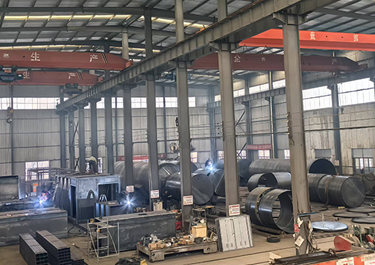 Our FactoryWe have a team of over 30 talented mobile fuel station R&D experts, as well as a 50,000-square-meter advanced modern intelligent manufacturing plant.
 - Mobile Fuel Station
- Storage Tank
- Blog
- Contacts
Containerized Fuel Stations: 7 Industries That Benefit Most in 2026
Fuel is the engine of modern industry. But getting fuel to where it‘s needed—reliably, safely, and cost-effectively—remains one of the biggest logistical challenges businesses face. Traditional fuel infrastructure requires months of construction, millions in capital, and permanent commitment to a single location.
Containerized fuel stations are changing that equation.
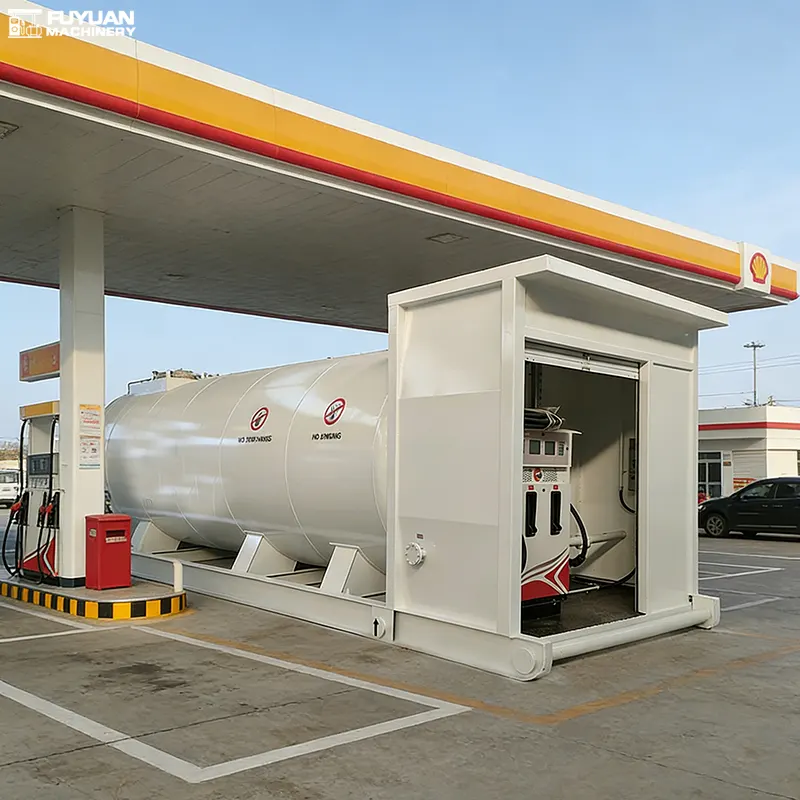
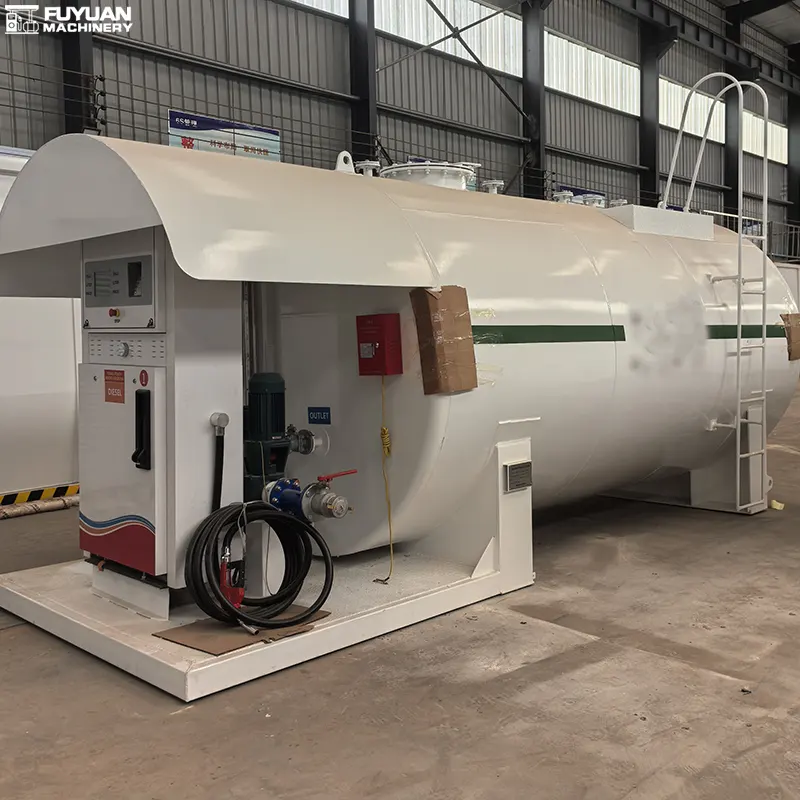
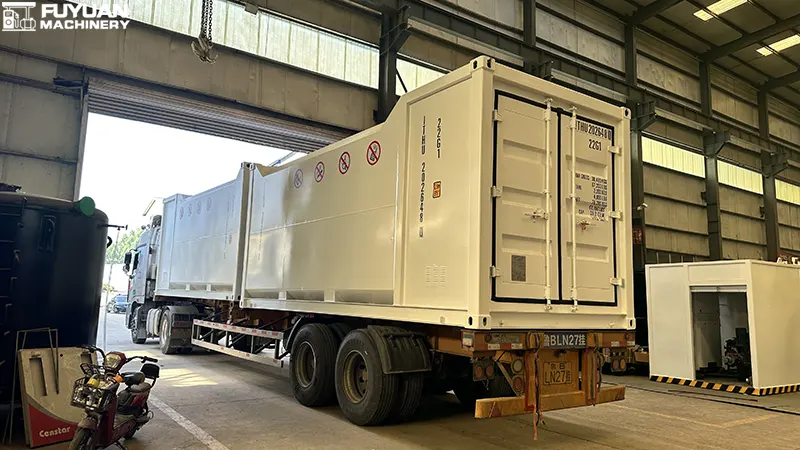
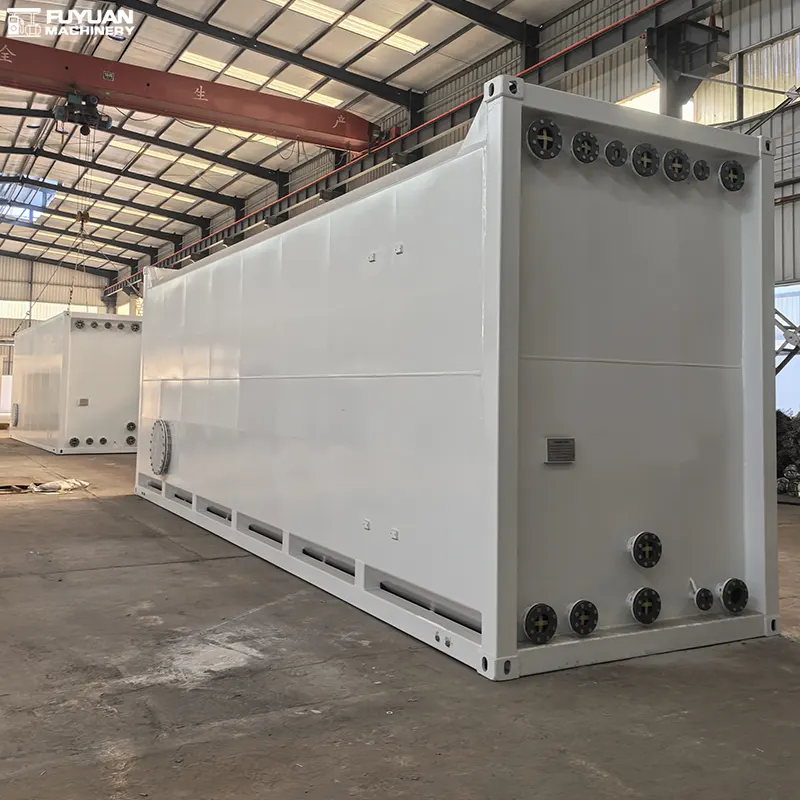
Built inside standard ISO shipping containers (typically 20ft or 40ft), these self-contained fueling systems combine storage tanks, dispensing equipment, safety systems, and monitoring technology into a single, portable unit. They ship like any other container, deploy in hours, and can be relocated when projects end.
The global market for mobile container fuel stations was valued at $2.74 billion in 2025 and is projected to reach $6.84 billion by 2032, growing at a CAGR of nearly 14%. This explosive growth reflects a fundamental shift: businesses across industries are recognizing that containerized fueling is not just a temporary fix—it’s a strategic advantage.
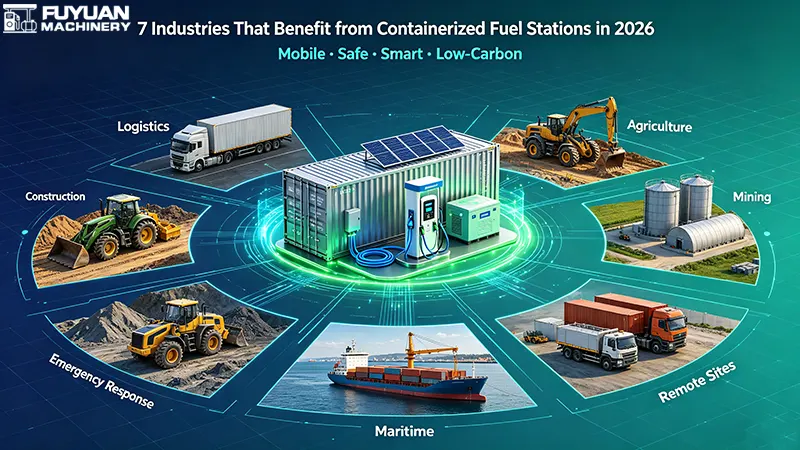
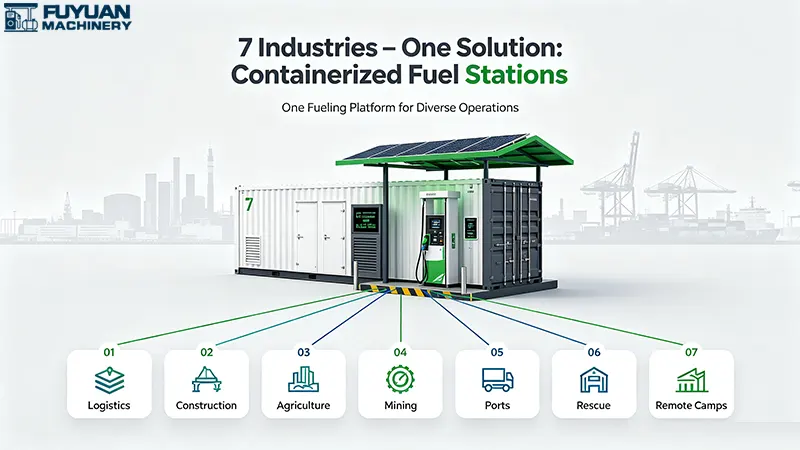
Here are the 7 industries that benefit most from containerized fuel stations in 2026.
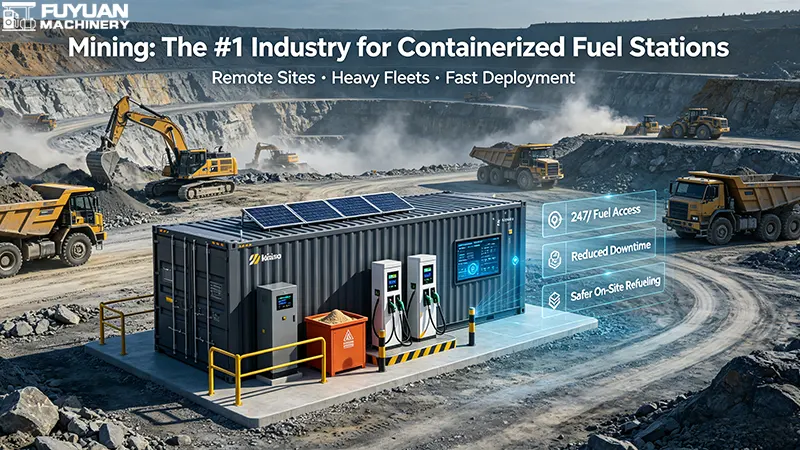
1. Mining
The Challenge: Mining operations are typically located in remote areas, far from the nearest fuel station. Hauling fuel over unpaved roads is expensive, slow, and dangerous. A single fuel outage can shut down an entire mine site, costing millions in lost production.
How Containerized Fuel Stations Help: Containerized units can be shipped via standard container vessels directly to port, then trucked to the mine site. Once on location, they deploy in under two hours with no civil works required. The container‘s built-in enclosure provides weather protection, security, and secondary containment—critical features in harsh mining environments.
Key Benefits for Mining:
- Eliminates costly fuel transport from distant depots
- Reduces downtime with on-site, on-demand fueling
- Built-in security prevents theft at remote sites
- Weatherproof design withstands extreme conditions
- CSC certification enables international shipping to any mining destination
Why Mining Leads the List: No industry suffers more from fuel logistics failures than mining. A containerized station at the pit means haul trucks, excavators, and drills stay running. For large-scale operations, the savings in transport costs alone can reach $0.30–$0.50 per gallon.
2. Construction
The Challenge: Construction sites are temporary by nature. Building a permanent fuel station for a project that lasts 12–24 months makes no financial sense. Yet construction equipment—excavators, bulldozers, cranes, generators—consumes vast quantities of diesel. Without on-site fueling, machines must be transported to retail stations, wasting hours of productive time.
How Containerized Fuel Stations Help: Containerized stations are relocatable. When one project ends, the unit moves to the next site. Deployment takes hours, not months. No excavation, no permits, no construction delays. The unit arrives ready to connect and dispense.
Key Benefits for Construction:
- Eliminates equipment downtime for off-site fueling
- Reduces capital expenditure by 50–70% compared to permanent stations
- Deploys in hours, not months
- Relocates from project to project
- Scales with project size (capacities from 5,000L to 60,000L)
Why Construction Is a Top Beneficiary: The nature of construction is transient. Containerized stations align perfectly with project-based work—fuel where you need it, when you need it, and move it when you‘re done. For a mid-sized construction firm, switching to containerized fueling can save over $20,000 per year per 10-vehicle fleet.
3. Logistics and Transportation
The Challenge: Fleet operators face a daily dilemma—send drivers to retail stations (wasting time and money) or build a private fueling depot (expensive and permanent). With fuel accounting for roughly one-third of total fleet operating budgets, even small inefficiencies compound into massive costs.
How Containerized Fuel Stations Help: A containerized station at the fleet yard means every vehicle starts the day with a full tank. Refueling happens during scheduled downtime, not during productive hours. The integrated fuel management system tracks every drop by vehicle, driver, and time—eliminating theft and enabling precise cost allocation.
Key Benefits for Logistics:
- Eliminates detour miles (average fuel stop adds 2.2 miles per vehicle)
- Recaptures 20 minutes per vehicle per day in driver time
- Wholesale fuel pricing vs. retail premiums (often $0.40+/gallon savings)
- RFID/PIN-controlled dispensing prevents unauthorized use
- Digital tracking provides auditable usage records
Why Logistics Operators Are Switching: For a fleet of 50 trucks, the daily detour to retail stations adds up to over 8 hours of lost productivity per day. Containerized fueling eliminates that waste entirely. The payback period for a containerized station in a logistics operation is typically 1.5 to 3 years.
4. Agriculture
The Challenge: Farms and agricultural operations are often spread across vast rural areas, far from fuel suppliers. Harvest season is time-critical—every hour of downtime means lost crops and reduced revenue. Yet most farms rely on fuel deliveries from distant distributors, paying premium prices for the convenience.
How Containerized Fuel Stations Help: A containerized station on the farm puts fuel where the equipment is—in the field. Tractors, harvesters, and irrigation pumps can refuel on-site without leaving the job. The container‘s durable construction withstands rural conditions, and the integrated safety systems meet regulatory requirements for agricultural fuel storage.
Key Benefits for Agriculture:
- Eliminates travel time to distant fuel stations during harvest
- Bulk purchasing at wholesale prices
- Reliable fuel supply during peak seasons
- Weatherproof storage protects fuel quality
- Scalable capacity matches farm size and crop cycles
Why Agriculture Is a Growing Market: Modern agriculture is mechanized and fuel-intensive. A single large harvester can consume hundreds of gallons per day during harvest. Containerized stations give farmers control over their fuel supply—and their costs—during the most critical weeks of the year.
5. Aviation and Airports
The Challenge: Ground support equipment at airports—baggage tugs, fueling trucks, passenger stairs, ground power units—runs on diesel or jet fuel. Keeping these vehicles fueled requires constant trips to central depots, creating congestion on the tarmac and delaying aircraft turnaround times.
How Containerized Fuel Stations Help: Containerized stations can be positioned at strategic points around the airport, bringing fuel closer to where ground equipment operates. The units are compact enough to fit in tight airport spaces, and their self-contained design meets strict aviation safety and environmental standards.
Key Benefits for Aviation:
- Reduces ground equipment travel time for fueling
- Decongests central fueling depots
- Compact footprint fits airport space constraints
- Meets strict safety and environmental regulations
- Can be relocated as airport operations evolve
Why Airports Are Adopting Containerized Solutions: Airport real estate is expensive and space is tight. Containerized stations use minimal footprint while delivering maximum fueling efficiency. For cargo hubs and regional airports, these units provide a cost-effective alternative to building permanent fueling infrastructure.
6. Disaster Relief and Emergency Response
The Challenge: When natural disasters strike—hurricanes, earthquakes, floods—fuel is often the first thing to run out. Emergency generators, rescue vehicles, and relief supplies all depend on reliable fuel. But permanent infrastructure is often damaged or inaccessible.
How Containerized Fuel Stations Help: Containerized stations can be prepositioned in disaster-prone regions or deployed rapidly when emergencies occur. They ship via standard containers, arrive ready to operate, and require no specialized installation. The self-contained design includes all safety systems, making them safe to operate even in chaotic post-disaster environments.
Key Benefits for Disaster Relief:
- Pre-positionable in strategic locations
- Deployable within hours of arrival
- Self-contained with integrated safety systems
- Operates independently of damaged infrastructure
- Relocatable as relief efforts shift
Why This Industry Is Critical: In disaster response, hours matter. Containerized stations provide immediate fuel security when it‘s needed most—keeping generators running, vehicles moving, and relief efforts alive.
7. Military and Defense
The Challenge: Military operations require fuel in some of the most challenging environments on earth—often in regions with no existing infrastructure, active conflict zones, or extreme climates. Fuel supply lines are vulnerable to attack, and every gallon must be transported over long distances.
How Containerized Fuel Stations Help: Containerized stations provide a secure, rapidly deployable fueling capability for forward operating bases, training exercises, and humanitarian missions. The container‘s robust construction protects against small arms fire and blast debris. The units can be airlifted, shipped, or trucked to any location. Integrated monitoring provides real-time visibility into fuel levels and consumption.
Key Benefits for Military:
- Rapid deployment to forward operating bases
- Robust construction for hostile environments
- Secure, controlled dispensing prevents unauthorized access
- Real-time monitoring for supply chain visibility
- Intermodal transport (air, sea, land) capability
Why Defense Organizations Choose Containerized: The military pioneered many of the technologies now used in commercial containerized stations. The ability to put fuel exactly where it‘s needed—quickly, safely, and securely—is as valuable in defense as it is in industry.
Summary: Which Industry Fits Your Operation?
| Industry | Primary Benefit | Key Saving |
| Mining | Eliminates remote fuel transport | $0.30–0.50/gallon transport savings |
| Construction | Relocatable project-based fueling | 50–70% lower capex than permanent stations |
| Logistics | Eliminates detour miles and driver downtime | ~$20,000/year per 10-vehicle fleet |
| Agriculture | On-field fueling during harvest | Wholesale vs. retail pricing |
| Aviation | Decongests airport ground operations | Reduced ground equipment downtime |
| Disaster Relief | Rapid deployment when infrastructure fails | Hours vs. weeks to operation |
| Military | Secure fueling in hostile environments | Supply chain resilience |
The Bottom Line
Containerized fuel stations have moved beyond niche applications to become mainstream solutions across seven major industries. The common thread? Mobility, speed, and cost control.
Whether you‘re running a mine in a remote desert, managing a construction site that moves every 18 months, or operating a fleet that needs to cut costs, containerized fueling delivers the same core value: fuel where you need it, when you need it, at a price you can control.
The market is growing at nearly 14% annually through 2032. Businesses that adopt containerized fueling now are not just solving today‘s fuel logistics problems—they‘re building a competitive advantage for the future.
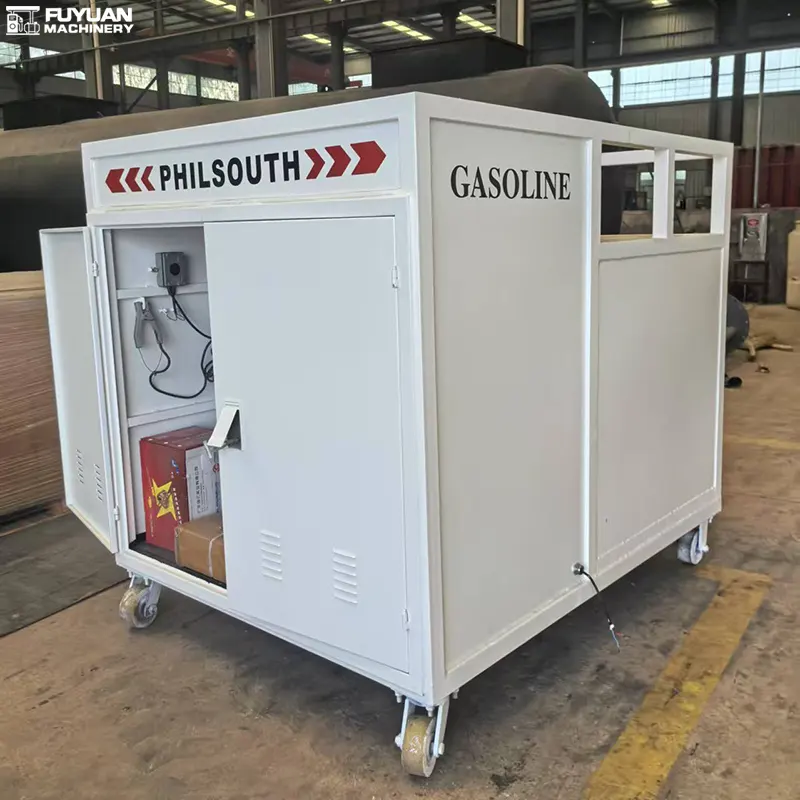
Looking for a containerized fuel station for your industry? Fuyuan Machinery manufactures high-quality containerized and skid-mounted fuel stations certified to UL, ATEX, IECEx, CE, ASME, and NFPA standards. Contact us today for a customized solution tailored to your specific requirements.
Written by
TAI'AN FUYUAN MACHINERY EQUIPMENT CO., LTD.
Editor Yuan
www.mobile-fuel-stations.com
WhatsApp:+86 182 6667 0999
Email:yuanyuzhu6@gmail.com

Leading Chinese Manufacturer & Exporter of mobile fuel stations and skid-mounted fuel stations.