
- Home
- Company
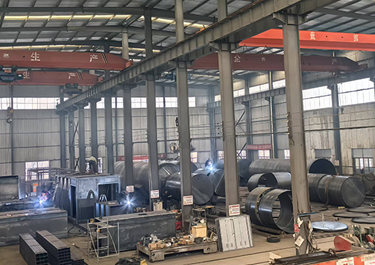 Our FactoryWe have a team of over 30 talented mobile fuel station R&D experts, as well as a 50,000-square-meter advanced modern intelligent manufacturing plant.
 - Mobile Fuel Station
- Storage Tank
- Blog
- Contacts
How Skid Mounted Fuel Stations Cut Operational Expenses in 8 Ways
Fuel is the single largest operating expense for most fleets, construction sites, and mining operations. Yet for years, businesses have accepted the hidden costs of traditional fueling—detours, lost labor, retail markups, theft, and downtime—as simply "the cost of doing business."
They are not.
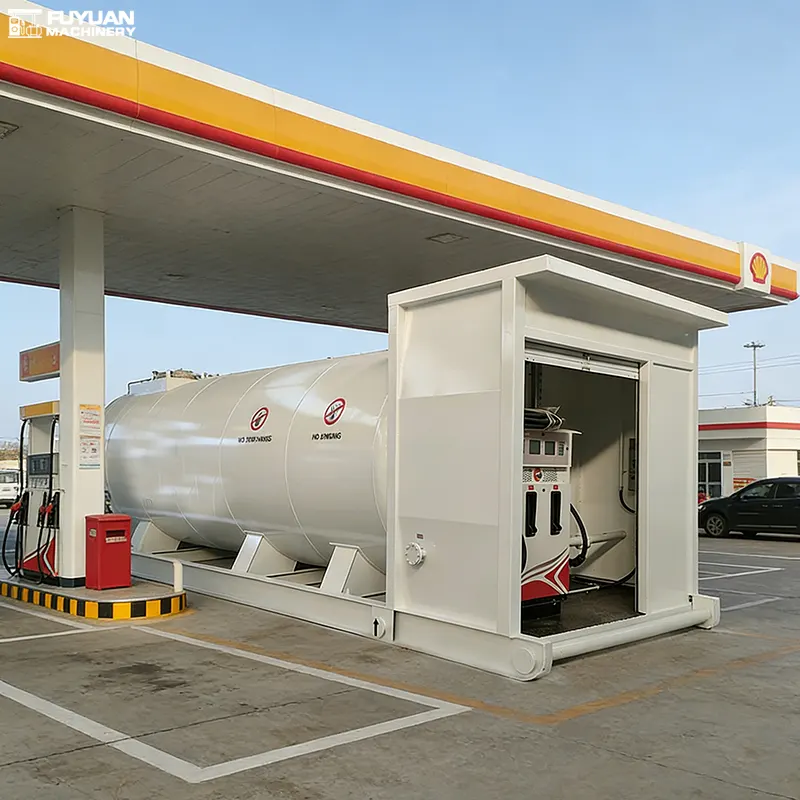
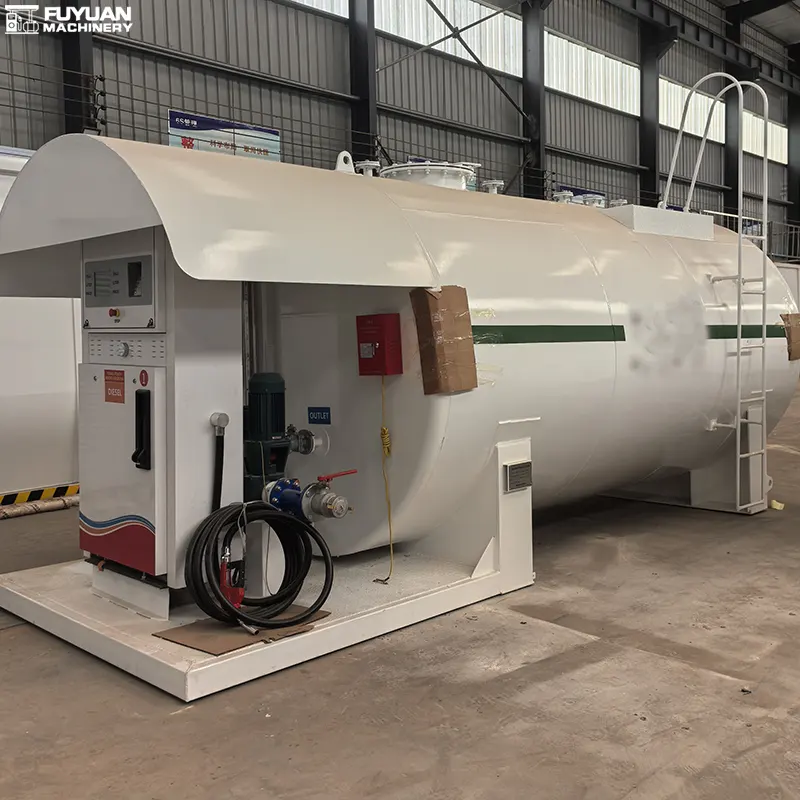
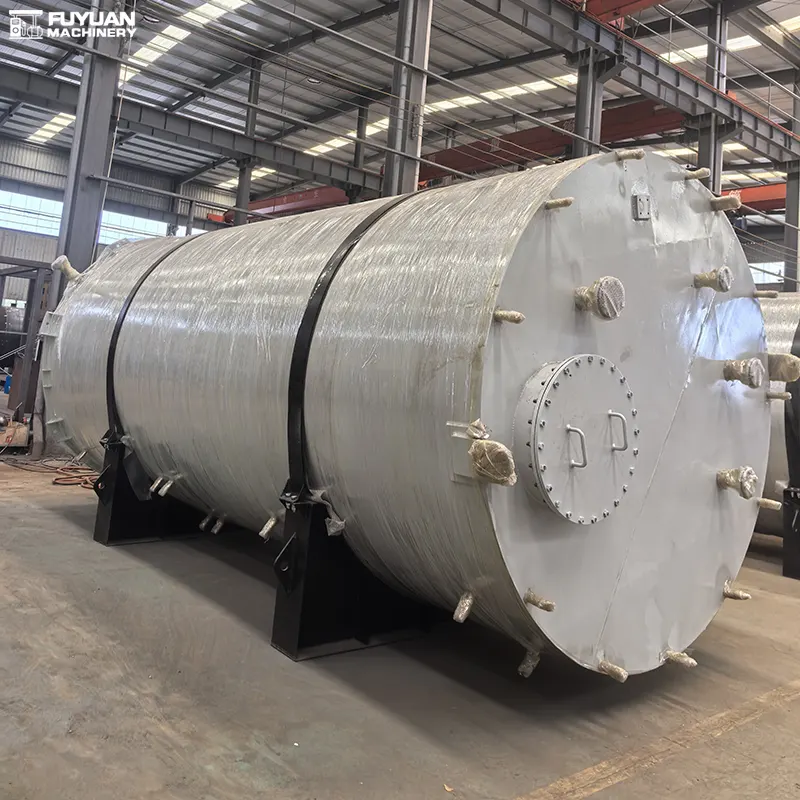
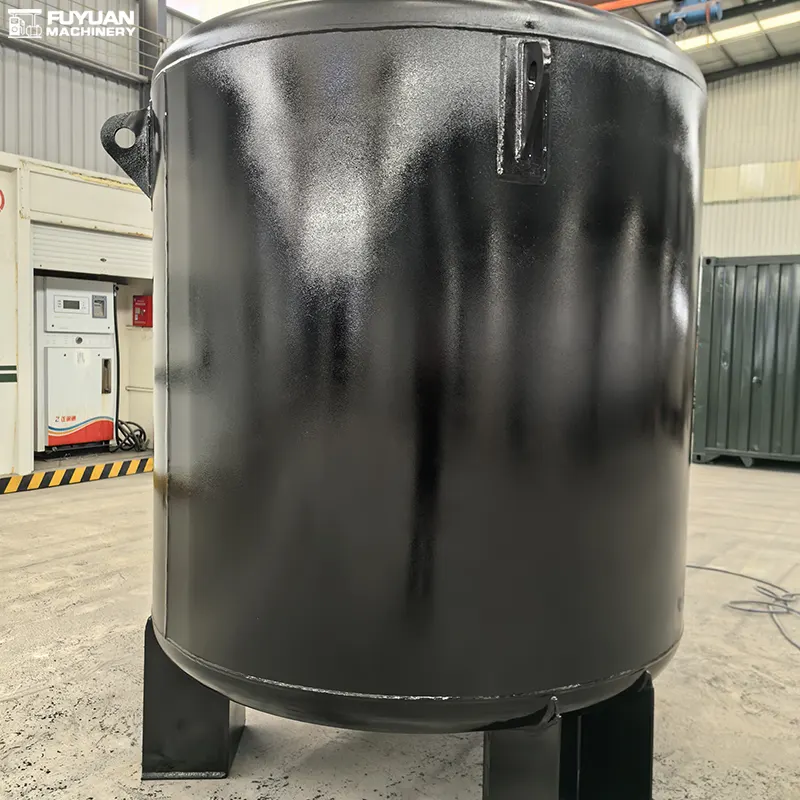
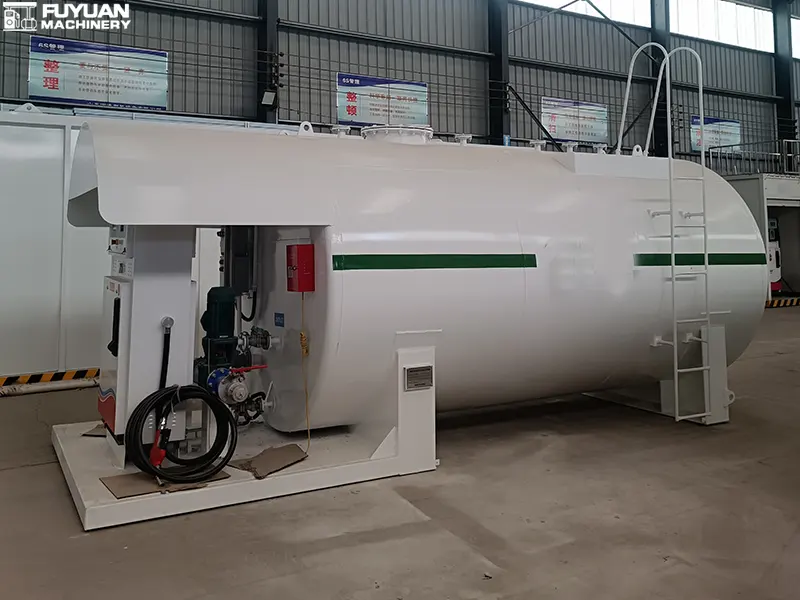
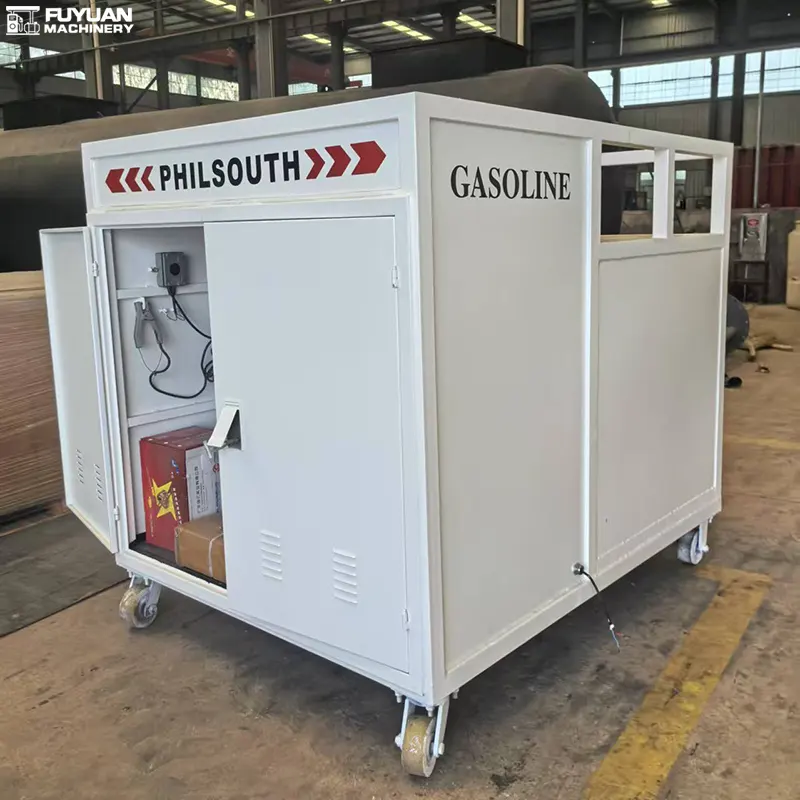
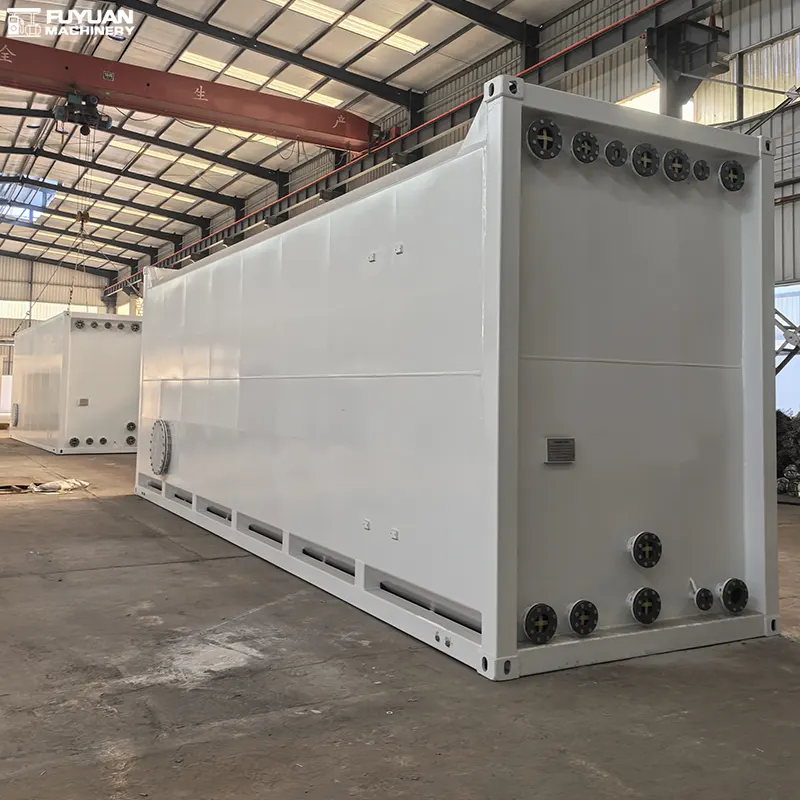
Skid mounted fuel stations are transforming how businesses manage fuel. These modular, self-contained systems—where storage tanks, dispensing equipment, and safety components are pre-assembled on a steel frame—eliminate the inefficiencies that quietly drain profitability.
Here are 8 ways skid mounted fuel stations cut your operational expenses.
1. Eliminate Costly Detours and Unnecessary Mileage
Every mile a vehicle travels to reach a fuel station costs money. Not just the fuel itself, but driver wages, vehicle wear and tear, and lost productivity.
A Geotab study of over 150,000 vehicles found that the average fuel stop takes 20 minutes and adds 2.2 miles to a driver's route. For a 20-vehicle fleet, that translates to $1,600 per year in fuel alone just to get to and from gas stations. The actual cost is higher when you factor in labor: drivers earning the national average of $25.24 per hour cost $8.41 per refueling trip—and with an average of 183 refuels per vehicle per year, that adds up to over $1,540 per vehicle annually in labor costs alone.
Skid mounted fueling eliminates these detours entirely. Fuel comes to your equipment, not the other way around. By removing unnecessary trips, businesses can save up to 40 cents per gallon on labor and operational costs.
2. Slash Labor Costs and Recapture Lost Time
Traditional fueling doesn't just cost money—it costs time. And time is labor.
If a driver spends just 20 minutes per day refueling at a retail station, that is 20 minutes they are not doing productive work. For a fleet of 10 vehicles, that is over 3 hours of lost productivity per day. For a fleet of 50, that is up to 8 hours per day in wasted payroll.
Skid mounted stations bring fueling to the yard or job site. Vehicles start the day with full tanks. Refueling takes place on-site, during scheduled downtime, without interrupting operations. The time previously spent driving to and from gas stations is reclaimed for revenue-generating work.
The bottom line: Mobile fueling can reduce labor costs by 30 to 60 cents per gallon equivalent in total savings.
3. Unlock Wholesale Pricing vs. Retail Premiums
Retail fuel stations charge a premium that can be staggering. Retail-to-wholesale spreads can exceed $1 per gallon during periods of price volatility. Even in normal conditions, retail premiums often add 40 cents or more to every gallon.
Skid mounted stations operate on wholesale fuel prices—typically based on rack indices such as OPIS. By purchasing fuel in bulk and storing it on-site, businesses access lower per-gallon prices.
For high-volume operations, the savings compound quickly. A diesel skid-mounted station with a daily sales volume of 8 tons typically recovers its cost within 1.5 to 3 years after deducting operating costs. The bulk purchasing model means that under the same quality of fuel, skid-mounted fuel is cheaper than at traditional gas stations.
4. Reduce Capital Expenditure by 50–70%
Building a traditional fuel station requires substantial investment in land, permits, excavation, underground tanks, and construction—often costing millions of dollars. A permanent station at a remote site can take 18 months to construct and require $4 million in capital investment.
Skid mounted stations eliminate this infrastructure burden entirely. They arrive pre-assembled, ready for connection and operation. No excavation. No lengthy permitting. No months of construction.
The savings are dramatic: Industry estimates suggest skid-mounted stations can reduce capital expenditure by 50% to 70% compared with permanent stations of similar capacity. In China, a skid-mounted station typically runs RMB 500,000–2 million, while a conventional station can reach RMB 5–10 million.
For businesses with 10 or more vehicles, the ROI becomes compelling. Fleets with 10 vehicles can save, on average, $20,000 per year simply by switching from individual fuel trips to on-site fueling.
5. Minimize Fuel Theft and Unauthorized Use
Fuel theft is a persistent—and often invisible—drain on profitability. Most fuel theft does not happen through dramatic heists; it happens incrementally through "skimming"—fuel taken little and often, typically by company employees.
Skid mounted stations come equipped with controlled dispensing systems that prevent unauthorized access. RFID-based or PIN-protected fueling ensures that only authorized personnel can dispense fuel. Automated systems track every transaction, providing detailed records by vehicle, driver, time, and location.
Storage security upgrades—including fencing, locked access points, and controlled dispensing—are ideal for reducing exposure at the depot level. With accurate transaction data and consolidated invoices, fleet managers gain full visibility into usage, reduce administrative work, and get the insights needed to manage costs.
The savings from theft prevention alone can be substantial. Businesses using automated fueling management systems have reduced fuel wastage by up to 12%.
6. Lower Maintenance and Operating Costs
Skid mounted stations are designed for simplicity. Their modular, open-frame design makes every component visible and accessible. Maintenance is straightforward: technicians can access tanks, pumps, and piping without the confined-space challenges of traditional underground systems.
Key maintenance savings include:
- Simplified inspection: Equipment inspection costs typically run only $20,000–50,000 per year
- Extended lifespan: Comprehensive corrosion protection systems can extend equipment lifespan to 15–20 years, significantly reducing replacement frequency and maintenance costs
- Reduced personnel requirements: Skid-mounted stations require only 2–4 employees to meet operational needs, with average annual labor costs around $80,000–200,000
Compared to traditional gas stations, skid-mounted stations occupy a smaller footprint, require fewer personnel, are relatively simple to maintain, and have lower daily operating expenses.
7. Reduce Fleet Downtime and Improve Uptime
Downtime is the enemy of productivity. Every minute a vehicle or piece of equipment sits idle waiting for fuel is a minute of lost revenue.
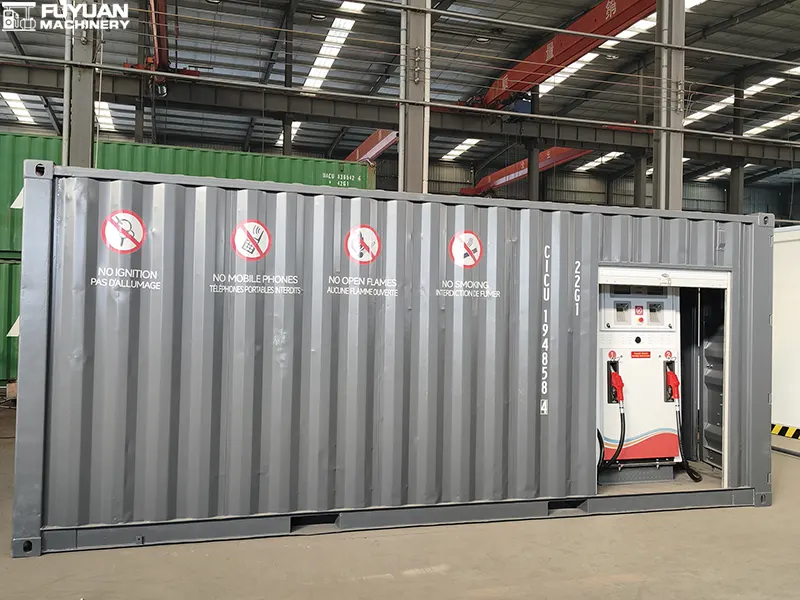
Skid mounted stations put fuel where the work is. Vehicles and equipment can be refueled on-site, during scheduled downtime, without interrupting operations. A skid-mounted diesel fuel station can reduce fueling time to minutes.
The impact on operations is measurable: Projects using skid-mounted systems have reported estimated savings of 15% on fleet operating costs during the first quarter alone. For construction sites, mines, and logistics hubs where equipment cannot easily be moved to retail stations, the reduction in downtime is transformative.
On-site bulk storage capability reduces the necessity for frequent trips, as operations maintain an accessible fuel supply precisely when and where they require it.
8. Enable Rapid Deployment and Relocation
Flexibility is itself a form of savings. Skid mounted stations can be operational within days, not months.
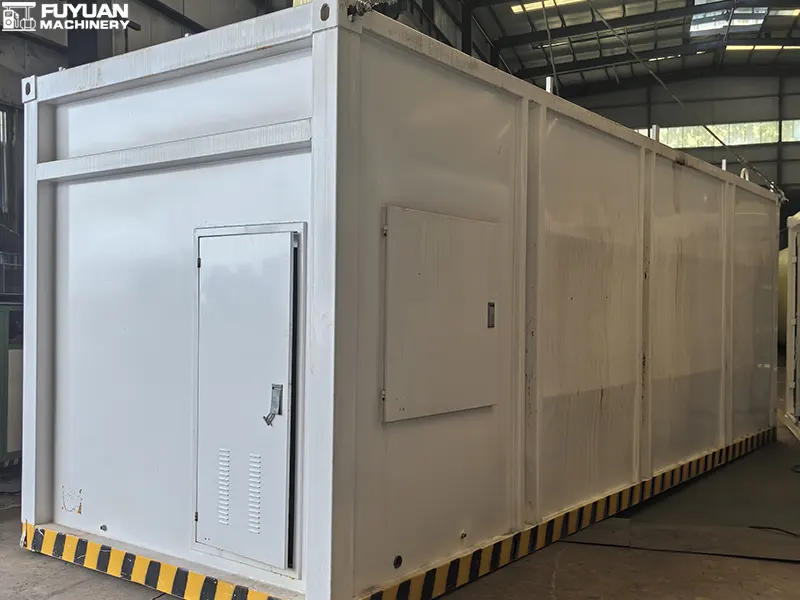
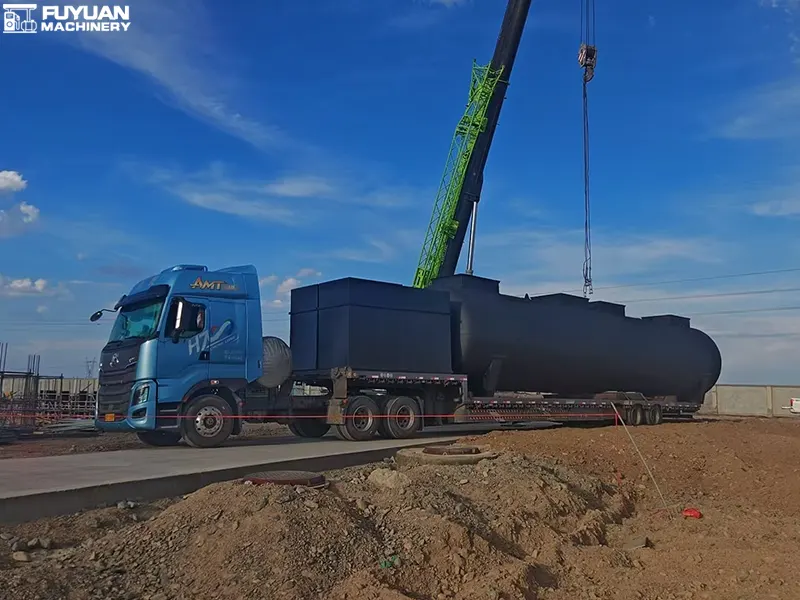
A skid-mounted station can be transported as a single unit via road, rail, or sea. Upon arrival, it requires only basic site leveling and utility connections to become operational. Installation and commissioning can be reduced to just a few days, simplifying civil works requirements.
Compare that to traditional infrastructure:
- Skid mounted: 2–4 weeks from order to operation
- Traditional fixed station: 3–6 months or more
When a project ends, the skid mounted station can be relocated to the next site. This eliminates the stranded asset problem that plagues permanent infrastructure. The ability to dismantle and relocate at any time is a core advantage that reduces setup expenses across multiple projects.
For temporary or mobile scenarios—construction sites that migrate with project progress, outdoor events, military camps, or field exploration—this flexibility is invaluable.
The Bottom Line: Real-World Savings
When these eight savings sources are combined—eliminated detours, reclaimed labor, wholesale pricing, reduced capital expenditure, theft prevention, lower maintenance, reduced downtime, and deployment flexibility—the numbers are compelling.
| Saving Source | Typical Impact |
| Avoided fuel transport and labor costs | $0.30–$0.60 per gallon |
| Capital expenditure reduction | 50–70% vs. traditional stations |
| Annual savings per 10-vehicle fleet | ~$20,000 per year |
| Investment payback period | 1.5–3 years |
| Equipment lifespan | 15–20 years with proper maintenance |
The global mobile container fuel stations market was valued at $2.74 billion in 2025 and is projected to reach $6.84 billion by 2032, growing at a CAGR of 13.94%. This growth reflects a fundamental shift: mobile fuel stations have matured from niche, temporary assets into strategic components of modern energy logistics.
Is a Skid Mounted Fuel Station Right for Your Business?
Skid mounted fuel stations are ideal for:
- Mining operations in remote locations
- Construction sites where equipment cannot easily be moved
- Logistics fleets with vehicles returning to the same yard
- Agricultural operations in rural areas
- Any business where downtime equals lost revenue
The question is not whether you can afford a skid mounted fuel station. It is whether you can afford not to have one.
Written by
TAI'AN FUYUAN MACHINERY EQUIPMENT CO., LTD.
Editor Yuan
www.mobile-fuel-stations.com
WhatsApp:+86 182 6667 0999
Email:yuanyuzhu6@gmail.com

Leading Chinese Manufacturer & Exporter of mobile fuel stations and skid-mounted fuel stations.