
- Home
- Company
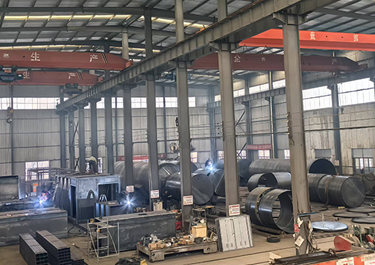 Our FactoryWe have a team of over 30 talented mobile fuel station R&D experts, as well as a 50,000-square-meter advanced modern intelligent manufacturing plant.
 - Mobile Fuel Station
- Storage Tank
- Blog
- Contacts
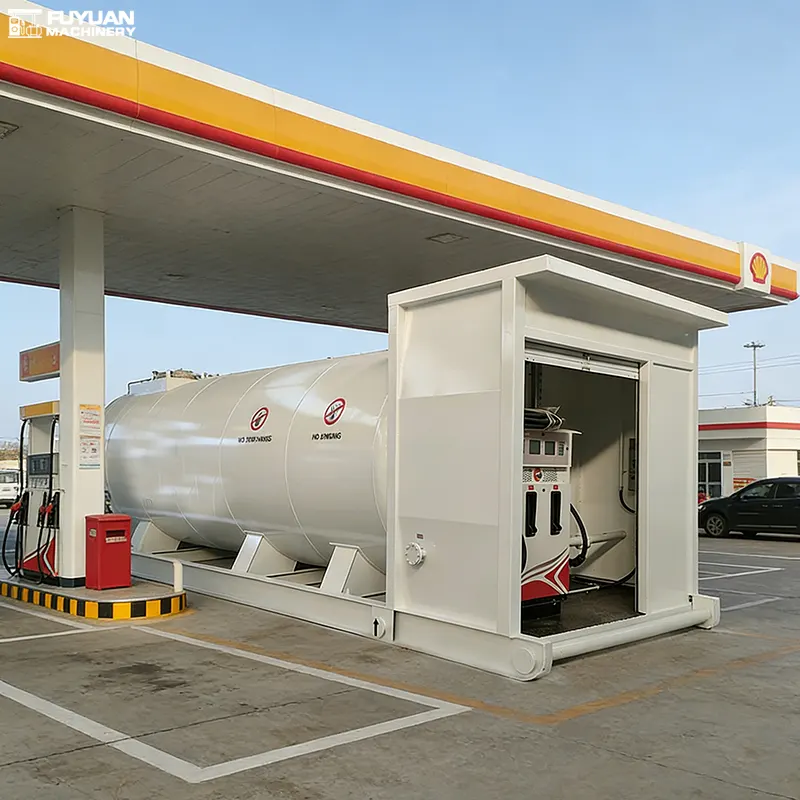
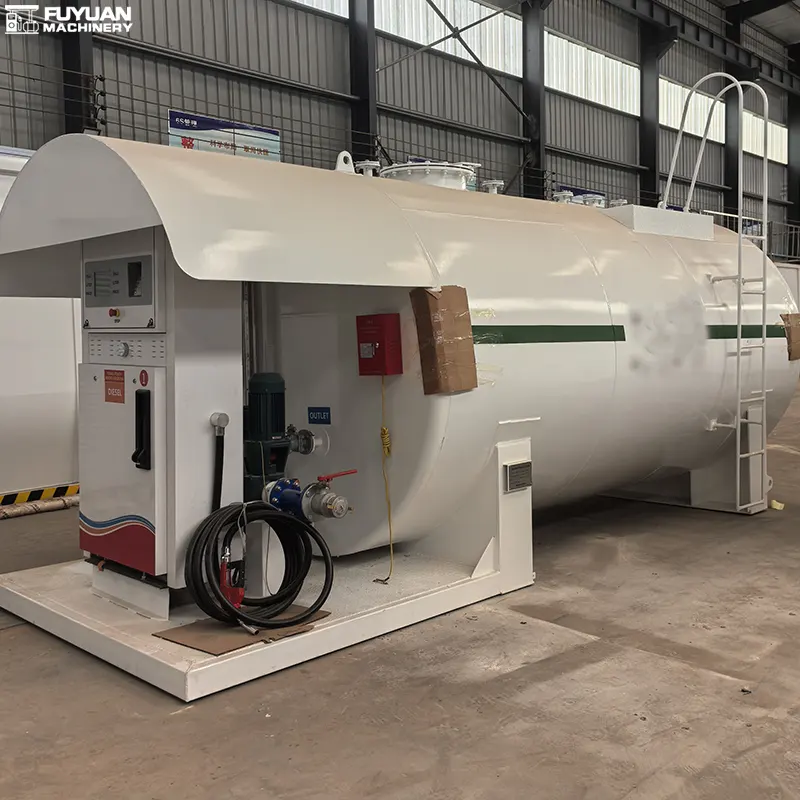
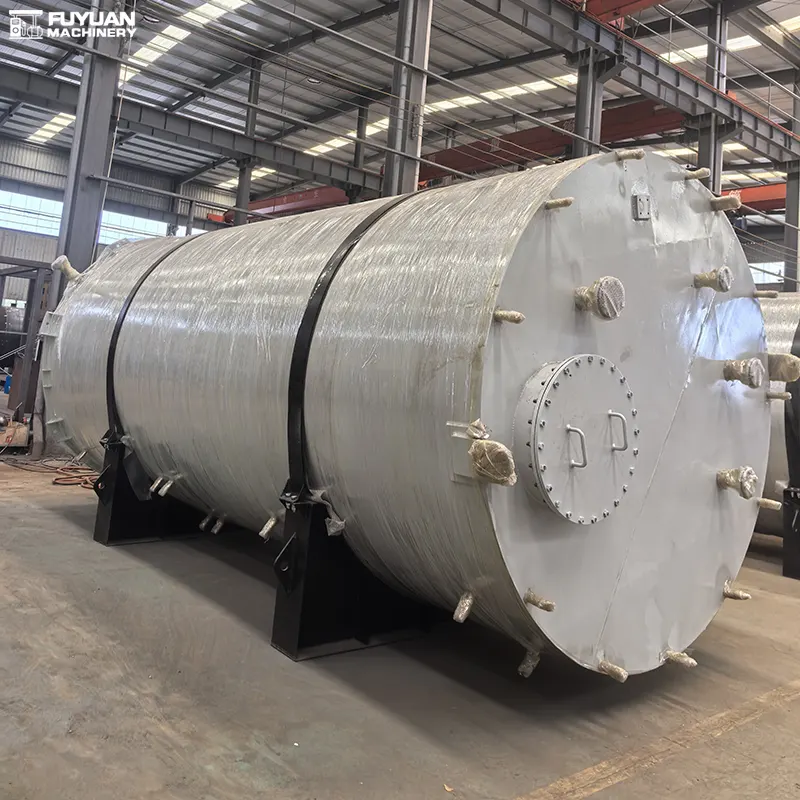
Avoid These 6 Common Mistakes When Deploying Mobile Fuel Stations
You have a mine in a remote region, a construction site that needs fuel fast, or a fleet operation that cannot afford downtime. You have done the math, secured the budget, and placed the order for a mobile fuel station. The container or skid is on its way.
Now what?
Too many buyers focus entirely on capacity, price, and shipping—then treat installation as an afterthought. That single mindset can add days or weeks of delay, failed inspections, and costly rework.
Temporary fueling stations are regulated environments, not informal workarounds. Treating them as anything less creates liability exposure and project risk that no facilities manager can afford.
Here are 6 common mistakes to avoid when deploying your mobile fuel station.
Mistake 1: Choosing the Wrong Site
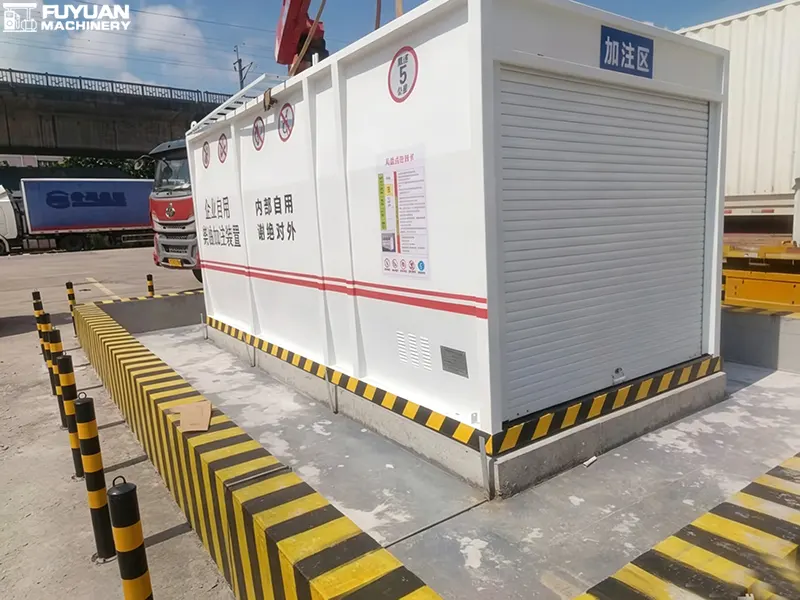
Site selection is the most fundamental—and most frequently mishandled—step in the deployment process.
What goes wrong: Teams pick a spot based on convenience alone, without considering soil conditions, drainage, access, or separation requirements. A flat spot near the haul road looks perfect—until the concrete pad is poured and still curing when the equipment arrives, or the crane cannot reach because of a drainage ditch no one noticed.
What to do instead:
- Choose a flat, stable surface to ensure the tank remains secure and level, reducing the risk of tipping or leakage
- Avoid loose soil, uneven ground, or areas where water pools during rain—these compromise stability and create environmental hazards
- Ensure the station has vehicle access for both delivery trucks and fueling vehicles
- Maintain separation from ignition sources, buildings, and sensitive areas
Typical separation distances to follow:
| Hazard | Minimum DistanceK |
| Open flames or hot-work areas | 25–30 m |
| General buildings and warehouses | 15 m |
| Roads and highways | 8 m |
| Overhead high-voltage lines | At least one pole height + 15 m horizontally |
| Water sources, rivers, or wells | 100 m |
Pro Tip: Check local zoning before the unit leaves the factory. Some jurisdictions limit mobile stations to internal fleet use or temporary projects.
Mistake 2: Skipping the Permit and Compliance Check
Compliance is not optional. Yet many project managers assume that because the station is "mobile," it is exempt from the rules that apply to permanent facilities.
What goes wrong: Teams proceed with installation without securing the necessary permits, only to face stop-work orders, fines, or forced removal. In some cases, local authorities simply have not yet formulated clear rules for mobile fueling devices, creating a waiting game that delays the entire project.
What to do instead:
- Confirm local permitting requirements before the unit arrives. Some jurisdictions require pre-approval of space and setup
- Verify compliance with NFPA 30 (Flammable and Combustible Liquids Code)
- For international deployments, ensure your equipment meets applicable standards: UL, ATEX, IECEx, CE, ASME
- Check whether the equipment qualifies as a "Mobile Pressure Vessel" under local classification rules
- Document everything—permits, inspections, certifications—for final acceptance
Pro Tip: New ISO standards for LNG fueling stations (ISO 16923:2026 and ISO 16924:2026) were published in January 2026. If you are considering alternative fuels, ensure your supplier is up to date with the latest standards.
Mistake 3: Undersizing (or Oversizing) the Tank
Capacity planning is both art and science. Get it wrong, and you pay for it—one way or another.
What goes wrong: Teams calculate capacity based on average consumption rather than peak consumption. The result? A fuel-out event on a Monday morning because the weekend delivery window was missed. Alternatively, some over-specify capacity "just to be safe," tying up capital in unused storage and increasing regulatory burden.
What to do instead:
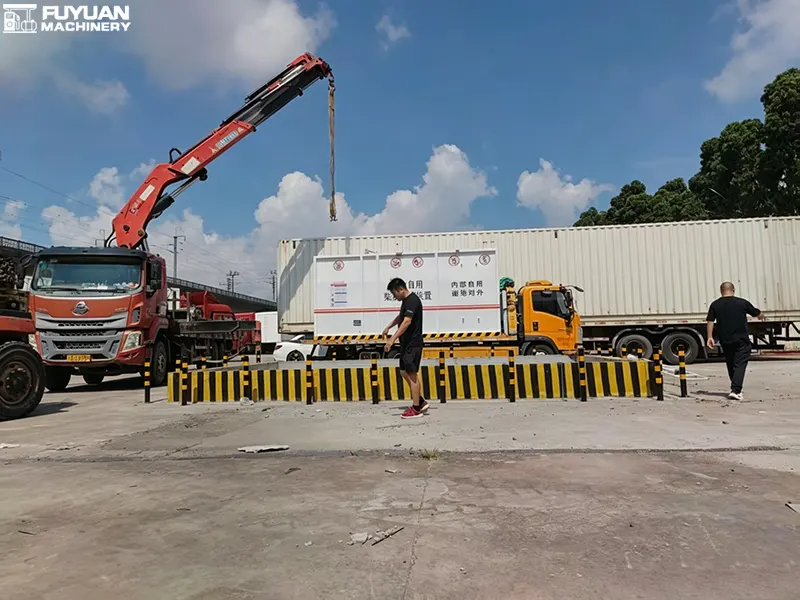
- Match your tank capacity to at least three days of peak consumption, not average consumption
- Calculate daily consumption across all vehicles, machines, and generators on site
- Factor in delivery frequency and supply chain reliability
- Add a 20% peak buffer for unexpected demand
Common capacity ranges:
| Application | Typical Capacity |
| Small operations / tight footprints | 1,000L – 5,000L |
| Construction and logistics | 10,000L – 30,000L |
| Mining, depot, high-volume operations | 40,000L – 60,000L+ |
Pro Tip: If you need to store diesel, gasoline, and DEF on the same site, choose a multi-compartment unit rather than installing separate tanks.
Mistake 4: Poor Installation Practices
Installation is where good planning meets reality—and where shortcuts create lasting problems.
What goes wrong: Installation teams skip critical safety checks, use non-explosion-proof equipment, fail to ground the system properly, or ignore basic electrical safety protocols. The result can be anything from failed inspections to serious safety incidents.
Common installation errors include:
- Not confirming the base can bear the weight of the skid plus the full fuel load
- Using non-explosion-proof electrical equipment or power cords that are aging, broken, or undersized
- No grounding wire on electrical equipment
- No explosion-proof switch in the distribution box
- Failing to check pumps, pipes, valves, and seals before operation
- Not verifying that the fire extinguisher is within its validity period with normal pressure
What to do instead:
- Inspect the skid exterior for rust or corrosion before installation
- Check for water accumulation or rust inside the tank and clean before use
- Verify all valve switches are flexible—replace any that are stuck or severely rusted
- Replace the filter in the oil dispenser
- Check that sealing gaskets are not rusted or corroded; replace rubber gaskets if unused for over 2 years
- Test all pumps—submersible oil pump, unloading pump, and dispenser—before first use
- Ensure the float of the liquid level probe moves freely and is not broken
- Check that the breathing valve is not blocked
- Inspect all wires for cracks or aging; verify power supply voltage and phase sequence
Pro Tip: During installation, prevent collisions between tools and equipment or with hardened ground that could produce sparks. Construction electrical equipment must not be placed upwind of the tank or within an unsafe distance.
Mistake 5: Overlooking Safety Systems and Protocols
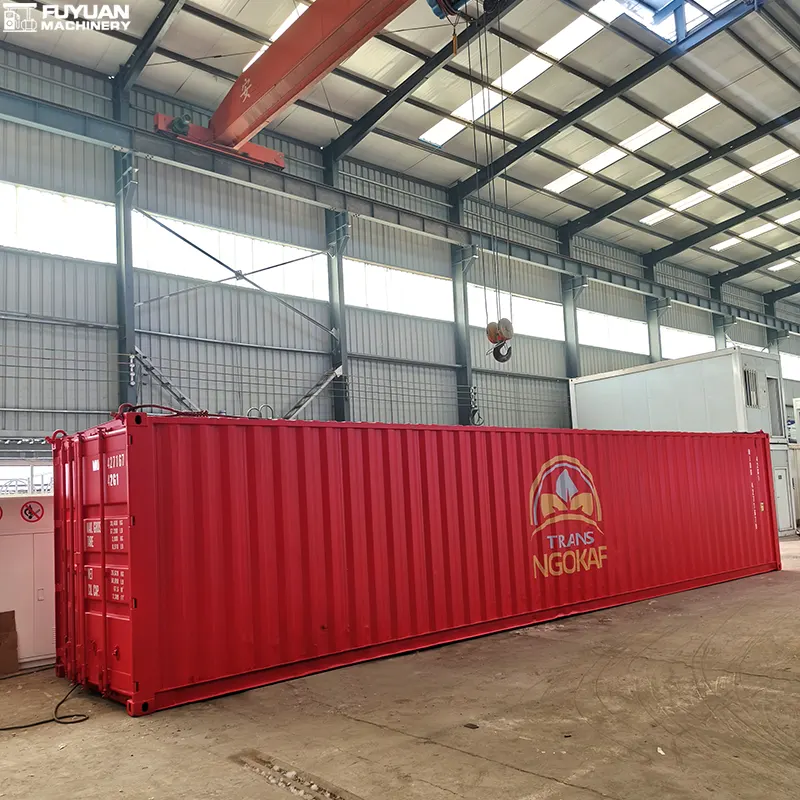
A mobile fuel station is not "set and forget." Safety systems must be verified, and protocols must be followed—every single time.
What goes wrong: Teams assume the factory-installed safety equipment is sufficient and never test it. Fire extinguishers expire. Grounding cables are not connected. Personnel are not trained on emergency procedures.
Critical safety failures to avoid:
- Opening the tank without wearing protective equipment
- Opening the tank when the fuel dispenser connected to the working tank is not powered off
- Using non-copper tools around the tank opening
- Not adding a fire blanket or asbestos pad after lifting the manhole cover
- Cleaning operations in bad weather—high temperature, rain, strong wind, thunder and lightning
- Not detecting oil and gas content around the tank mouth or inside the tank before work
- Personnel entering the tank without a safety rope
- Using non-explosion-proof lighting fixtures inside or near the tank
What to do instead:
- Install combustible gas audible and visual alarms in the refueling area
- Do not allow mobile phone use in the refueling zone
- Ensure vehicles turn off their engines before refueling
- Require anti-static work clothes and prohibit shoes with metal components like iron nails
- Identify wind direction in the station area and park transport vehicles downwind
- Verify firefighting equipment is placed in the construction area and can function properly
- Install grounding cables for static discharge
Pro Tip: Modern mobile fuel stations come equipped with remote telemetry—fuel level sensors, leak detection, and automated shutdown triggers. Use these systems. Do not bypass them.
Mistake 6: Choosing the Wrong Supplier
The cheapest quote is almost never the cheapest solution. Yet buyers continue to make decisions based on price alone—and pay for it later.
What goes wrong: Suppliers without proper certifications deliver substandard equipment. Documentation is missing. After-sales support is nonexistent. The unit arrives with poor weld quality, substandard materials, or missing safety features. In the worst cases, the equipment does not meet local regulatory requirements at all.
What to verify before placing an order:
| Evaluation Area | What to Check |
| Certifications | UL, ATEX, IECEx, CE, ASME, NFPA—all documented |
| Production quality | Weld quality, materials (e.g., Q345R carbon steel frames), paint integrity |
| Explosion-proof materials | Qualified barrier explosion-proof materials used as required |
| Documentation | Full technical documentation, test reports, compliance certificates |
| After-sales support | Warranty, spare parts availability, technical support |
| Track record | Export history, verifiable references |
Red flags to end the conversation:
- Cannot provide documented certifications
- Unwilling to share test reports or technical specifications
- Vague about delivery timelines or shipping methods
- No after-sales support or warranty
- No verifiable export track record
Pro Tip: Verify the CSC plate for containerized units if shipping via standard container vessels. Without it, you will face out-of-gauge shipping surcharges and logistics complications.
Summary: The 6 Mistakes at a Glance
| Mistake | Consequence | How to Avoid |
| 1. Wrong site | Tipping, leakage, environmental hazards, access problems | Flat stable ground; check soil, drainage, separation distances |
| 2. Skipping permits | Stop-work orders, fines, forced removal | Secure permits before the unit arrives; document everything |
| 3. Wrong capacity | Fuel outages or wasted capital | Size for 3 days of peak consumption + 20% buffer |
| 4. Poor installation | Failed inspections, safety incidents, rework costs | Follow all installation checklists; test every component |
| 5. Overlooking safety | Fires, explosions, injuries, liability | Install alarms; enforce protocols; train personnel |
| 6. Wrong supplier | Substandard equipment, no support, compliance failures | Verify certifications, quality, and track record |
The Bottom Line
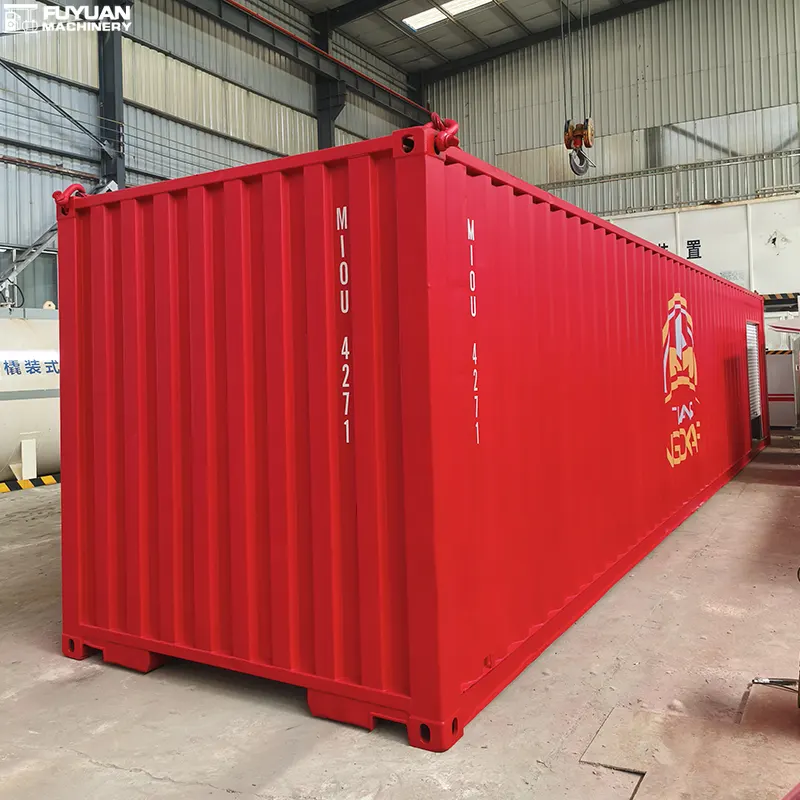
Mobile fuel stations offer rapid deployment—often operational within two hours with no civil works required. But speed does not excuse poor planning. Mobile fueling solutions reduce schedule risk through rapid activation, but they do not eliminate the need for thoughtful site preparation.
The difference between a smooth deployment and a costly disaster comes down to preparation. Plan the site. Secure the permits. Size the tank correctly. Install with care. Verify every safety system. Choose a supplier you can trust.
Get these six things right, and your mobile fuel station will deliver exactly what it promises: fuel where you need it, when you need it, at a price you can control.
Written by
TAI'AN FUYUAN MACHINERY EQUIPMENT CO., LTD.
Editor Yuan
www.mobile-fuel-stations.com
WhatsApp:+86 182 6667 0999
Email:yuanyuzhu6@gmail.com

Leading Chinese Manufacturer & Exporter of mobile fuel stations and skid-mounted fuel stations.