
- Home
- Company
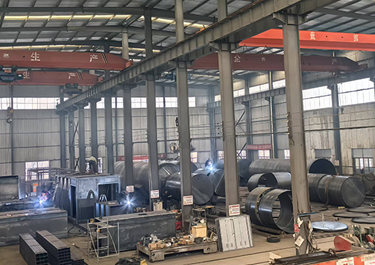 Our FactoryWe have a team of over 30 talented mobile fuel station R&D experts, as well as a 50,000-square-meter advanced modern intelligent manufacturing plant.
 - Mobile Fuel Station
- Storage Tank
- Blog
- Contacts
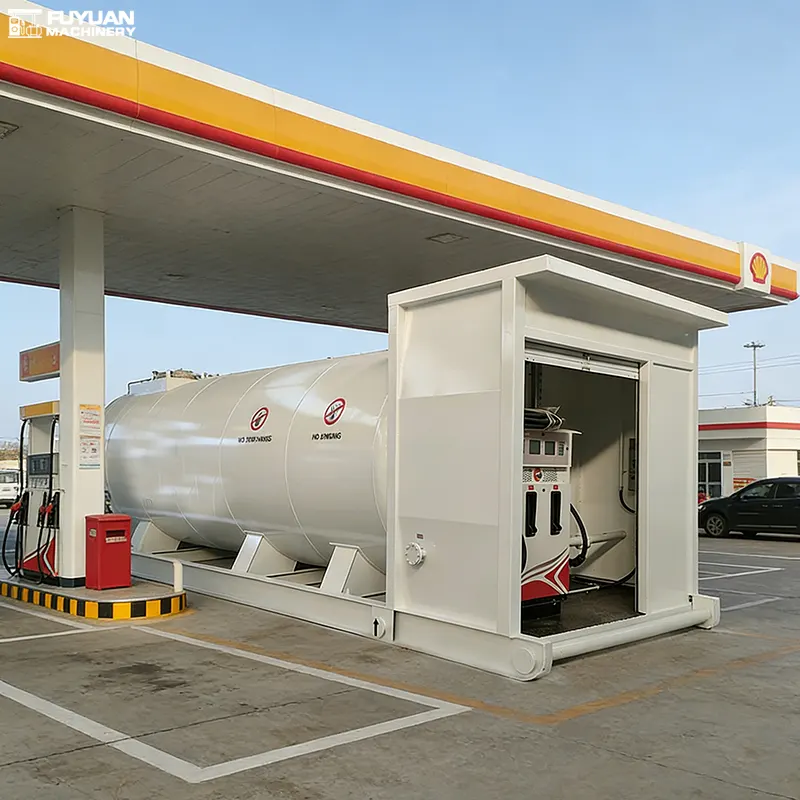
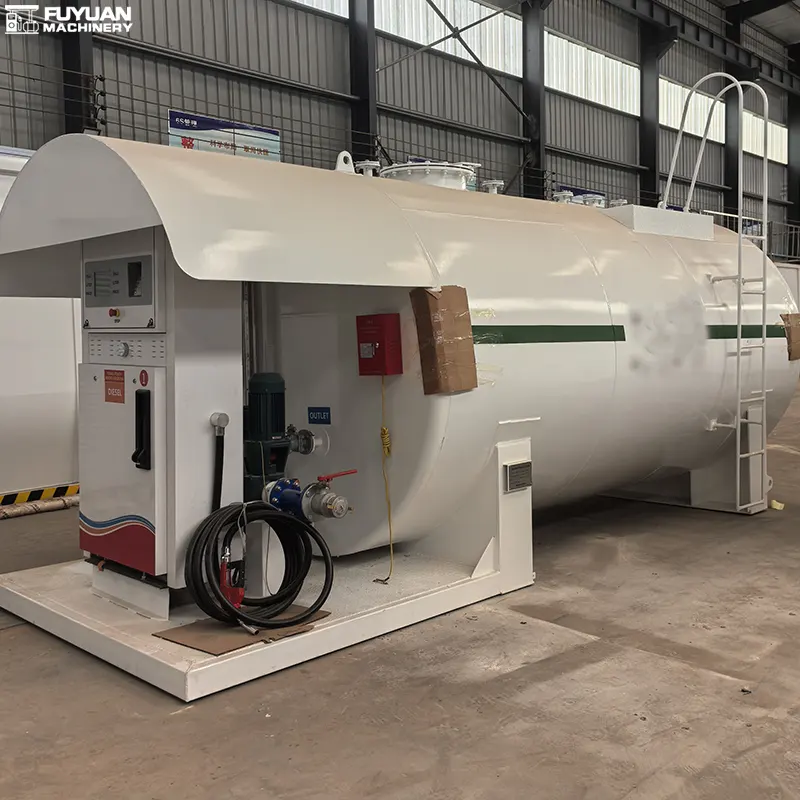
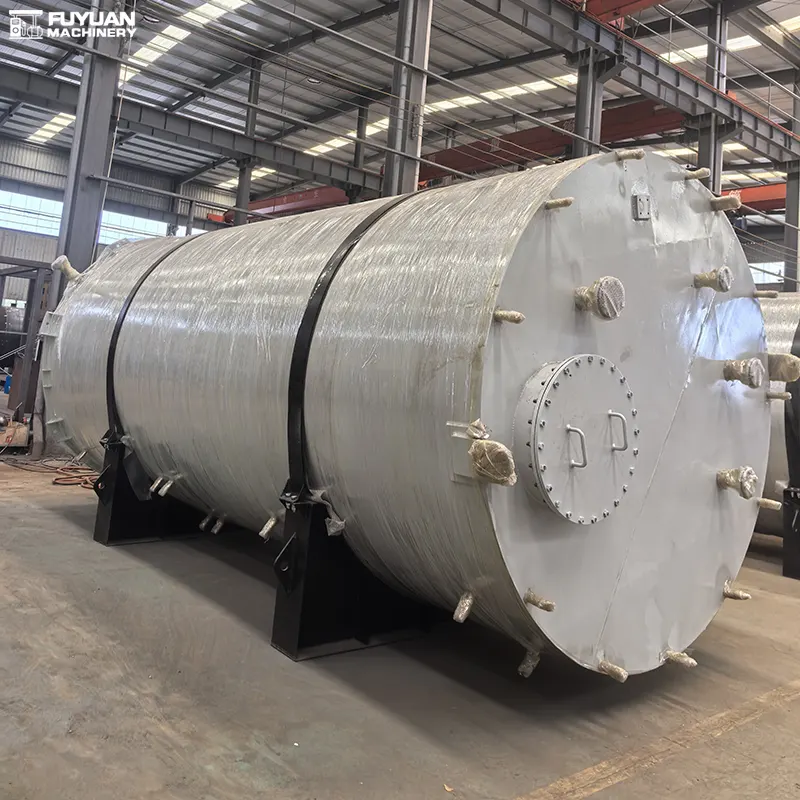
7 Best-Performing Growth Drivers in the Mobile Fuel Station Market for 2026
The mobile fuel station market is no longer a niche segment serving remote mining camps and temporary construction sites. It has matured into a strategic pillar of modern energy logistics—and the numbers prove it.
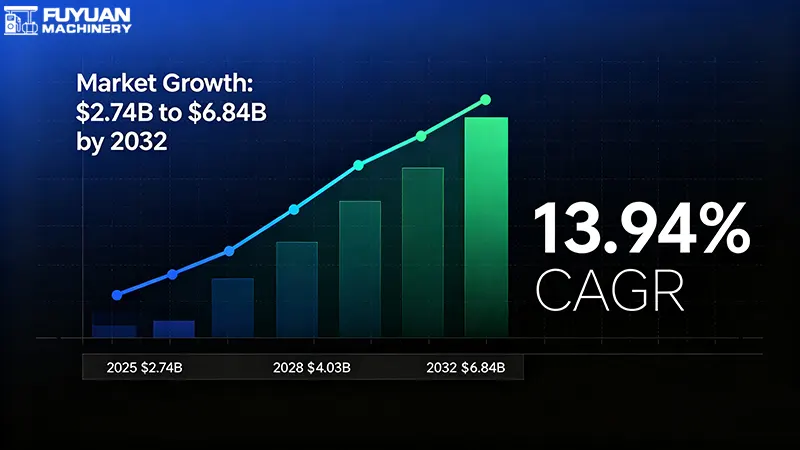
The global Movable Fuel Stations Market was valued at USD 925.17 million in 2025 and is projected to reach USD 1.85 billion by 2032, growing at a CAGR of 10.40%. The Mobile Container Fuel Stations Market—a key subsegment—was valued at USD 2.74 billion in 2025 and is forecast to reach USD 6.84 billion by 2032, with an even more aggressive CAGR of 13.94%. In China alone, the domestic market for barrier explosion-proof skid-mounted fueling devices is projected to reach approximately 8 billion RMB in 2026, with an annual growth rate of 15% to 18% and annual shipments exceeding 8,000 units.
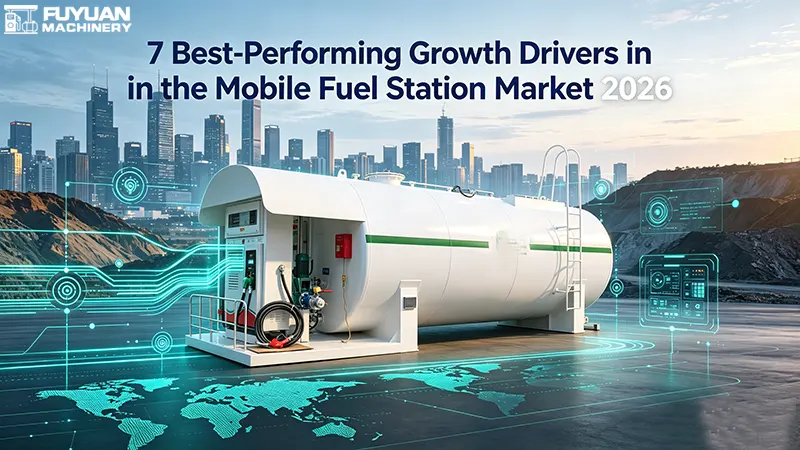
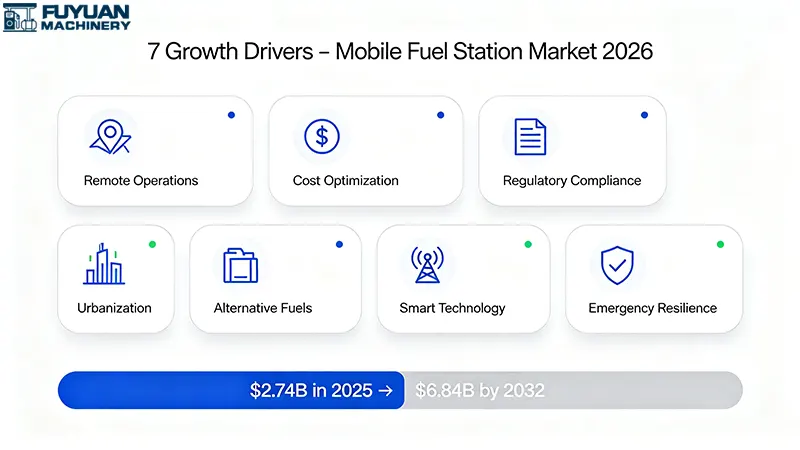
What is driving this explosive growth? Here are the 7 best-performing growth drivers fueling the mobile fuel station market in 2026.
1. Rapid Expansion of Remote Operations and Infrastructure Projects
The global surge in infrastructure development—mining, construction, logistics hubs, and port expansions—has created a massive demand for fuel in locations where permanent stations simply do not exist.
Mining operations, construction sites, and agricultural areas are often located far from the nearest fixed fueling station. Transporting heavy equipment to retail pumps is not just inconvenient—it is prohibitively expensive and operationally disruptive. Mobile fuel stations bring the energy source directly to the vehicle or equipment, reducing downtime and enhancing operational flexibility.
The trend of expanding infrastructure projects across various industries continues to drive demand for portable fuel solutions. From mega-infrastructure projects in emerging economies to renewable energy installations in remote regions, every major construction project requires reliable on-site fueling—and mobile stations deliver it.
2. Cost Optimization and Logistics Efficiency
Fuel costs represent one of the largest operating expenses for fleets and heavy equipment operators. Mobile fuel stations offer a compelling value proposition: eliminate the detour, eliminate the waste.
Logistics companies are increasingly inclined to build self-owned or park-shared internal fueling points to minimize fuel price differentials and reduce deadhead transit time spent searching for gas stations. The math is simple: every mile a vehicle travels to reach a fuel station costs money in fuel, labor, and wear. Mobile fueling eliminates those miles entirely.
For ports, mines, and remote construction sites that lack coverage from permanent fueling stations, the combination of fixed skid-mounted units plus on-site mobile fueling trucks has become the standard operational setup. This hybrid model delivers the best of both worlds: reliable on-site storage with the flexibility to reach equipment wherever it operates.
3. Regulatory Compliance and the Crackdown on Illegal Fueling
Perhaps no single factor has accelerated the adoption of compliant mobile fuel stations more than regulatory enforcement.
Following the comprehensive inclusion of diesel under hazardous chemical management regulations, illegal underground tanks and modified container units face strict crackdowns. Compliant skid-mounted devices have become the only legal alternative for internal, self-use fueling in many jurisdictions.
Regulatory attention on emissions and fuel quality is elevating the importance of compliant dispensing and storage systems, which in turn is driving product differentiation through filtration, metering accuracy, and integrated monitoring. Businesses that previously relied on makeshift fueling solutions are now compelled to invest in certified, compliant equipment—and mobile fuel stations are the most cost-effective path to compliance.
At the same time, safety assessments, environmental impact evaluations, and manufacturing qualification thresholds are tightening, accelerating the exit of unlicensed assembly plants from the market. This consolidation benefits established manufacturers with certified products and documented compliance.
4. Urbanization and the Gap in Fixed Station Coverage
Urbanization is creating a paradox: more vehicles, more fuel demand, but fewer places to build new fixed stations.
In large cities and emerging townships, land resources are increasingly scarce. New fixed stations face approval difficulties and high costs. The pace of fixed station construction simply cannot keep up with the growth in vehicle numbers. This creates a widening gap between fuel demand and fixed infrastructure capacity.
Mobile fuel stations are filling this gap. They require no land acquisition, no lengthy permitting processes, and no permanent construction. They can be deployed in parking lots, logistics parks, industrial zones, and peri-urban areas where fixed stations are impractical. As cities continue to expand and suburban logistics hubs multiply, the demand for mobile fueling solutions will only intensify.
5. Alternative Fuels and Multi-Fuel Compatibility
The energy transition is not eliminating the need for mobile fueling—it is expanding it.
As the global energy mix shifts toward cleaner, lower-carbon sources, the fuel supply structure of mobile stations is gradually changing. The share of new energy refueling is increasing, and integrated energy services are becoming the industry's mainstream model.
Mobile fuel stations are adapting to an increasingly complex energy mix, incorporating biofuels and electrified fueling architectures. Electrification and hydrogen technologies are progressing from pilots to practical deployments, prompting equipment manufacturers to integrate battery charging capabilities and hydrogen-compatible storage into containerized platforms.
The bottom line: While traditional fuel vehicle ownership remains high and continues to drive demand for convenient refueling services, mobile stations are evolving into multi-energy platforms that can dispense diesel, gasoline, biodiesel, ethanol, and even support EV charging and hydrogen refueling. This diversification makes them resilient to fuel mix shifts and expands their addressable market.
6. Smart Technology Adoption: IoT, Telematics, and Automation
In 2026, mobile fuel stations are no longer just tanks and pumps—they are connected, intelligent systems.
Telematics integration for route optimization, IoT-enabled sensors, and digital platforms are converging to transform mobile fueling ecosystems. Advancements in telematics and IoT-enabled sensors are converting static refueling units into connected nodes that provide real-time inventory, safety diagnostics, and predictive maintenance insights.
The penetration rate of smart skid-mounted units equipped with IC cards, license plate recognition, and remote tank level monitoring has already exceeded 60%, rapidly becoming the industry standard. Automation and telematics are enabling remote fueling controls and fleet-aware dispatching, which reduces the need for onsite personnel and unlocks significant efficiencies.
Remote fueling and telematics-enabled delivery minimize human exposure to hazardous materials while enabling precise monitoring of dispensed volumes and vehicle consumption patterns. These capabilities dovetail with demand for predictable logistics among large fleets, where uptime and route certainty directly influence operating costs.
Digital platforms are maturing rapidly, enabling real-time scheduling, dynamic pricing, and route optimization that materially improve utilization and reduce idle time for assets and personnel. The result is a mobile fuel station that is smarter, safer, and more profitable to operate.
7. Emergency Response and Resilience Requirements
The final—and perhaps most compelling—growth driver is the rising demand for energy resilience.
Natural disasters, supply chain disruptions, and geopolitical uncertainties have elevated movable fuel stations to critical infrastructure components for disaster response and continuity planning. The capacity to deliver fuel and charging in disrupted geographies directly influences recovery timelines for public safety, construction, and utility restoration.
This resilience narrative is prompting public-private collaborations and new procurement strategies. Government emergency response agencies, military organizations, and utility companies are pre-positioning mobile fuel stations in strategic locations to ensure fuel availability when fixed infrastructure fails. In China, government emergency response procurement is now a significant demand driver for mobile fueling equipment.
The industry is also seeing the emergence of new business models: rental and leasing providers are leveraging modularity to offer short-term, scalable fuel solutions that support rapid project start-ups and seasonal demand spikes. This capital-light approach makes mobile fueling accessible to a broader range of customers and applications.
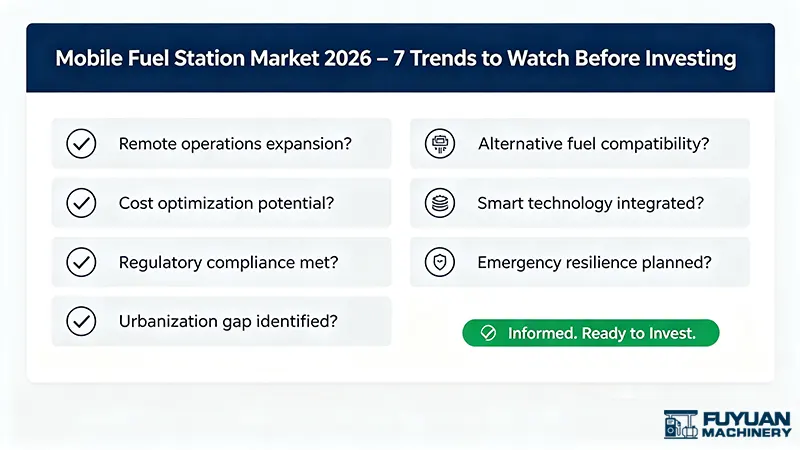
Conclusion
The mobile fuel station market is experiencing a perfect convergence of growth drivers in 2026:
| Growth Driver | Key Impact |
| Remote Operations | Fuels demand where fixed stations don't exist |
| Cost Optimization | Eliminates detours, reduces logistics costs |
| Regulatory Compliance | Forces transition from illegal to compliant solutions |
| Urbanization | Creates gap between vehicle growth and fixed station capacity |
| Alternative Fuels | Expands market beyond traditional liquid fuels |
| Smart Technology | Improves efficiency, safety, and profitability |
| Emergency Resilience | Elevates mobile stations to critical infrastructure |
With the Movable Fuel Stations Market growing at 10.40% CAGR and the Mobile Container Fuel Stations Market accelerating at 13.94% CAGR through 2032, the trajectory is clear: mobile fuel stations are not a temporary solution—they are the future of distributed energy logistics.
The question for industry stakeholders—from fleet operators to equipment manufacturers to energy companies—is no longer whether to adopt mobile fueling, but how quickly they can capture the value this growing market delivers.
Written by
TAI'AN FUYUAN MACHINERY EQUIPMENT CO., LTD.
Editor Yuan
www.mobile-fuel-stations.com
WhatsApp:+86 182 6667 0999
Email:yuanyuzhu6@gmail.com

Leading Chinese Manufacturer & Exporter of mobile fuel stations and skid-mounted fuel stations.