
- Home
- Company
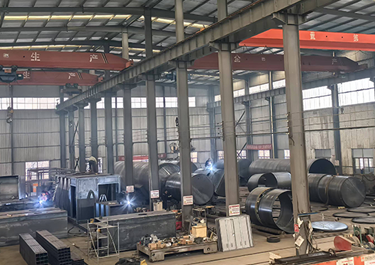 Our FactoryWe have a team of over 30 talented mobile fuel station R&D experts, as well as a 50,000-square-meter advanced modern intelligent manufacturing plant.
- Mobile Fuel Station
- Storage Tank
- Blog
- Contacts
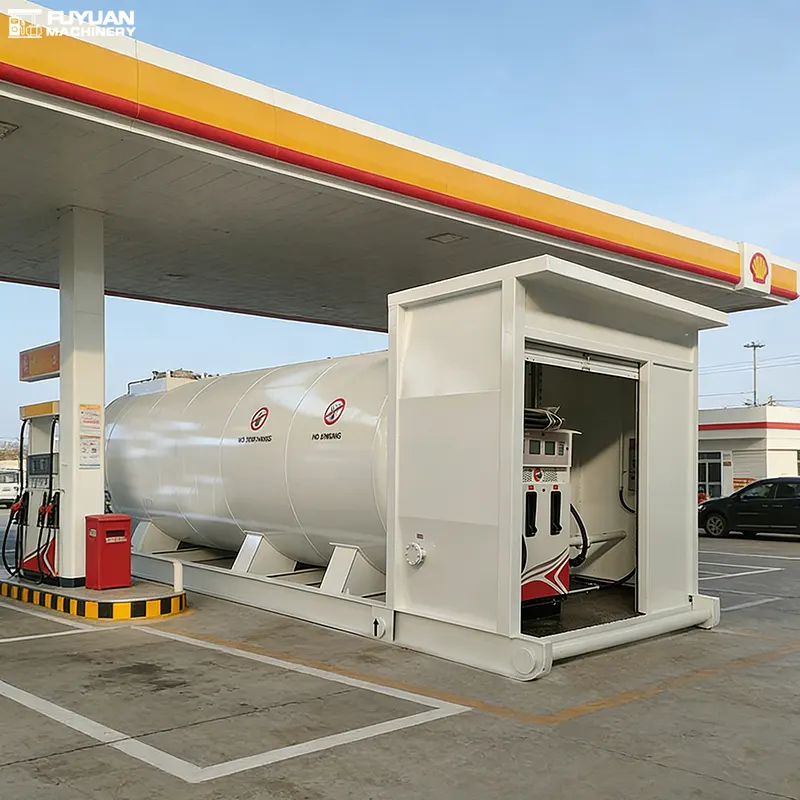
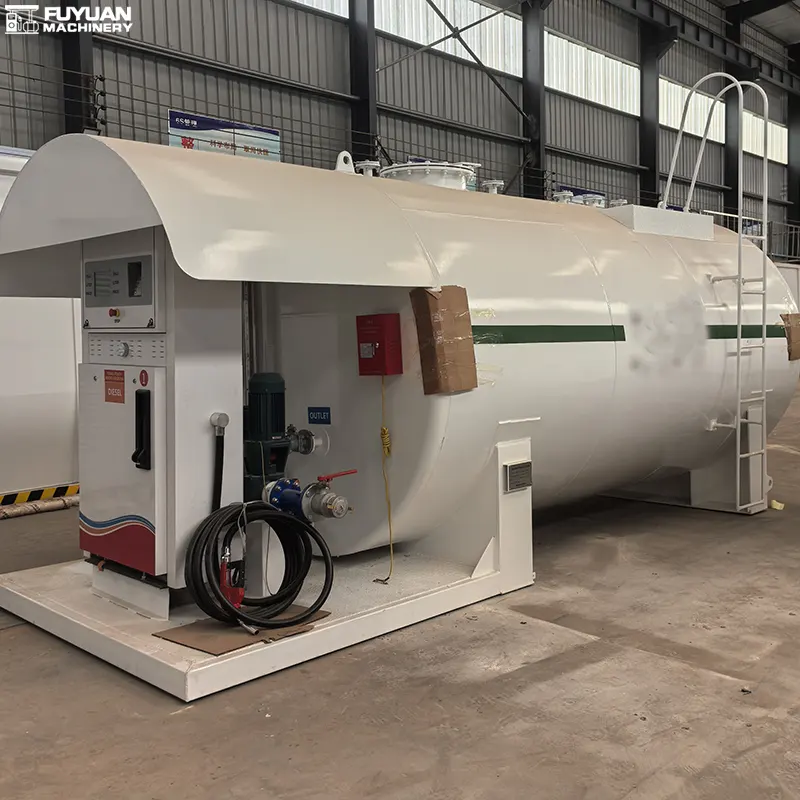
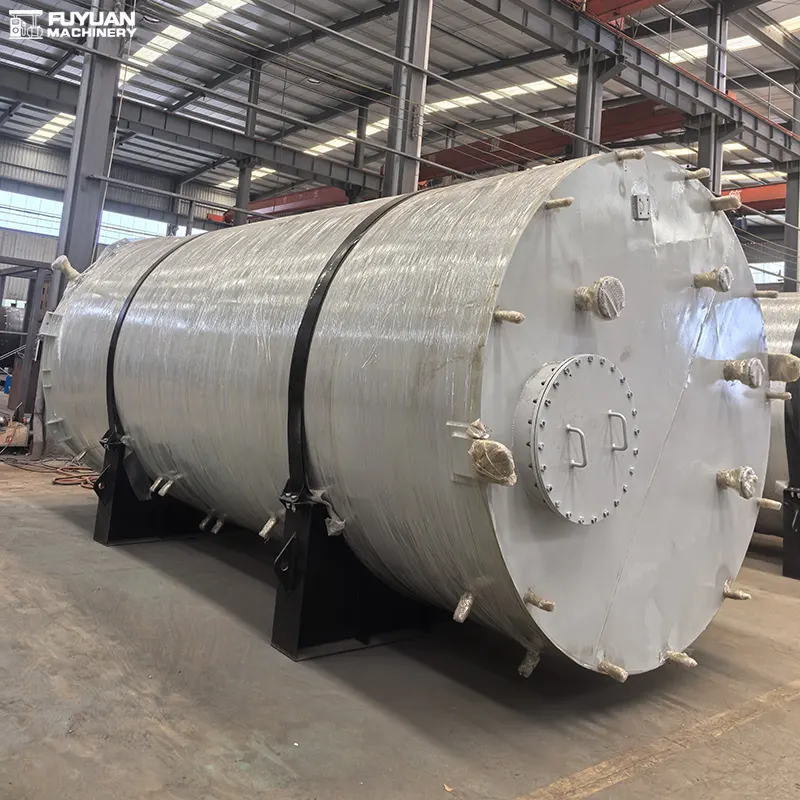
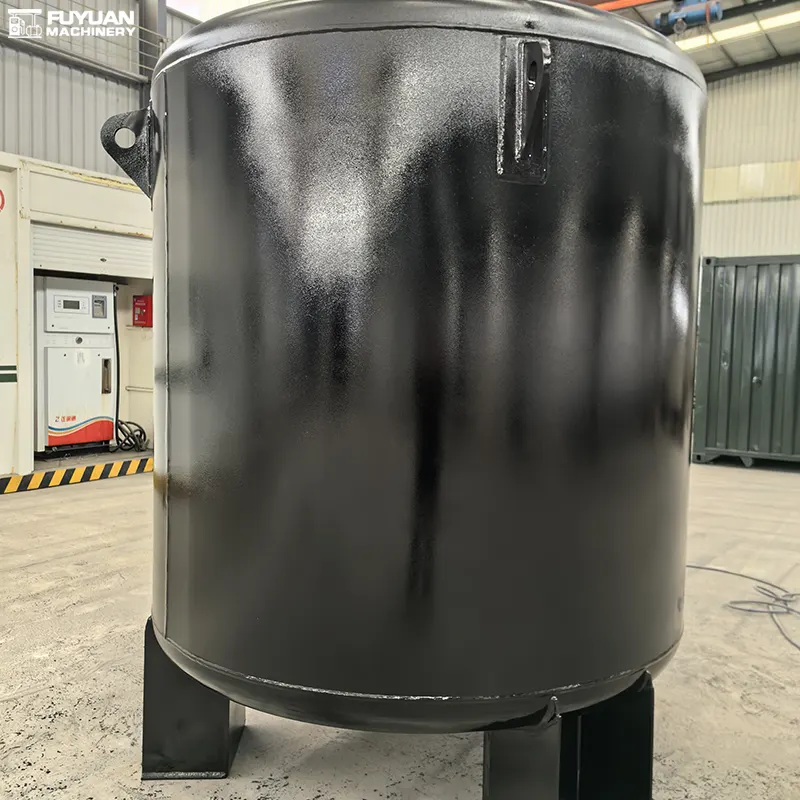
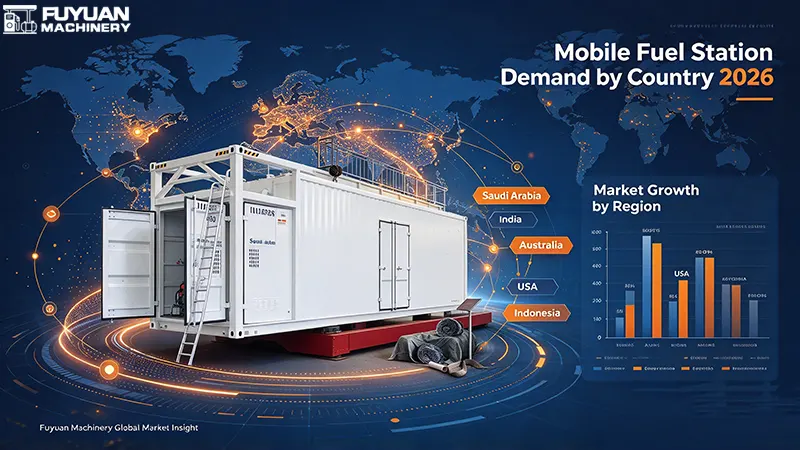
Top 5 Countries with High Demand for Mobile Fuel Stations
Mobile fuel station demand is not evenly distributed across the globe. It clusters where three conditions converge: large-scale resource extraction in remote locations, accelerated infrastructure spending, and fuel distribution networks that cannot keep pace with industrial growth. These conditions are most acute in five specific markets in 2026—each with a distinct demand logic that determines what kind of equipment sells, at what capacity, and under what regulatory conditions.
Here are the top 5 countries driving global mobile fuel station demand in 2026.
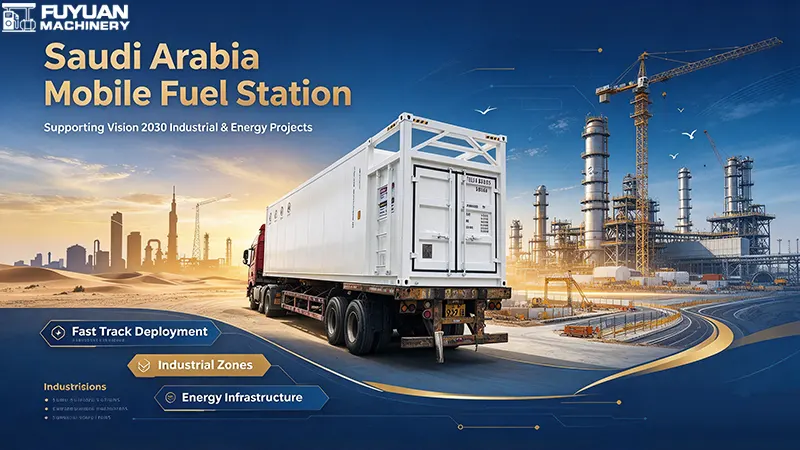
1. Saudi Arabia: Giga-Projects and the Logistics Transformation
Saudi Arabia is undergoing an unprecedented transformation under Saudi Vision 2030, driving massive investments in infrastructure, logistics, and industrial development. Projects like NEOM, the Red Sea Project, and Qiddiya are characterized by colossal scale and remote, challenging locations. For B2B operations in construction, mining, and large-scale logistics, fuel is the single most critical consumable.
The demand driver here is not fuel scarcity. It is fuel access at the point of consumption. Traditional refueling—sending heavy machinery off-site to public stations—introduces hidden costs that are unacceptable on projects of this scale: vehicle downtime, non-productive labor hours, and increased risk of theft or contamination. A single excavator making a two-hour round trip to a public station is not producing revenue, and for a fleet of ten machines, that lost time compounds exponentially.
The regulatory environment is also shifting in favor of mobile solutions. In late 2025, Saudi Arabia saw the launch of technology-enabled mobile fuel delivery services across major cities, explicitly framed as supporting the Kingdom’s Vision 2030 mandate to integrate advanced technologies into the logistics sector. This signals that mobile fueling is not a workaround in Saudi Arabia—it is part of the official infrastructure strategy.
For equipment suppliers, the Saudi market favors containerized units with integrated digital management systems. The demand is for closed-loop, secure, and quality-controlled fueling environments that can be deployed rapidly across evolving project sites.
2. Nigeria: Fragmented Infrastructure and Mining-Driven Demand
Nigeria represents a different demand profile: not giga-projects, but a fragmented fuel infrastructure struggling to serve dispersed industrial activity.
The country's mining and construction sectors face chronic fuel access challenges. On-site refueling for heavy machinery in Nigeria’s northern mining regions is a priority use case, minimizing delays caused by distant gas stations. Logistics hubs in Lagos and Kano require rapid, mobile refueling to keep supply chains moving.
The scale of unmet demand is significant. Mobile fuel solutions are already widely deployed across Nigeria, the Democratic Republic of Congo, Zambia, Botswana, and Kenya to address gaps in fixed infrastructure. The Nigerian government's presidential initiatives to increase natural gas usage, combined with soaring diesel prices, are further shifting the market toward mobile and modular refueling solutions, including modularized CNG refill stations.
What makes Nigeria a top-5 market is the combination of industrial demand and infrastructure deficit. Where fixed stations are too slow, too expensive, or too distant to build, mobile fuel stations become the primary fueling infrastructure rather than a supplement. This favors rugged, skid-mounted units capable of operating in dusty, hot, and logistically constrained environments.
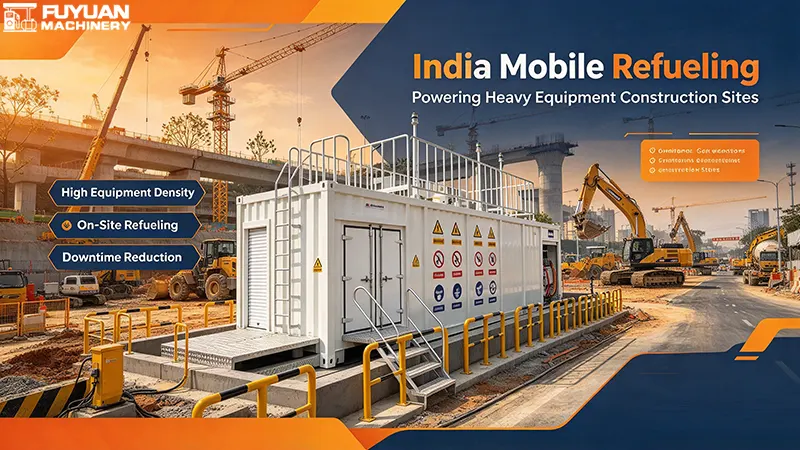
3. India: Regulation-Enabled Demand for Heavy Equipment Refueling
India has moved decisively to formalize mobile refueling as a solution for its most fuel-intensive sectors.
In September 2026, India’s Ministry of Petroleum and Natural Gas notified rules allowing mobile refueling units to carry CNG and compressed biogas dispensing equipment to approved locations and refuel onboard cylinders—including on heavy machinery that cannot be brought to a conventional filling station. The rules specifically permit mobile refueling of non-transport vehicles operating in mines and notified ports, Indian Railways locomotives, approved ships and boats, and engines undergoing testing at authorized laboratories.
This regulatory clarity unlocks a market that was previously constrained. There is considerable demand for high-speed diesel at construction sites, mobile towers, and for stationary equipment like generator sets and earth-moving machinery that cannot travel to retail outlets for refueling.
India’s container fuel station market is also expanding at the corporate level. Energy companies including Indian Oil Corporation are expanding containerized fuel distribution networks to support construction projects and agricultural mechanization. The broader India fuel station market is projected to grow at a CAGR of 5.8% through 2035, with rural and northeast network gaps cited as a key opportunity.
The India demand profile favors high-flow dispensing systems for heavy equipment, multi-fuel compatibility (diesel and CNG/CBG), and units that can be deployed without permanent construction—because the regulatory framework now explicitly allows it.
4. Indonesia: Mining, Plantations, and the State Energy Backbone
Indonesia's demand is driven by two sectors that operate far from fixed fuel infrastructure: mining and plantations.
The state energy company Pertamina has launched 200 mobile fuel stations (SPBU Mobile) specifically for placement along mining haulage routes and plantation access roads. This is a state-directed deployment, not a private-sector pilot. The rationale is straightforward: mining and plantation vehicles need non-subsidized fuel access, and mobile stations provide it without the time and capital required to build permanent stations along remote haul roads.
The underlying demand is large. Artisanal tin mining in the Bangka Belitung Islands alone is estimated to require 40,000 liters of diesel per day. When fuel shortages occur at local gas stations, demand from excavators working inside forest areas is a contributing factor.
Indonesia’s advantage for mobile fuel station suppliers is that the deployment model is already validated at scale. Pertamina's 200-unit rollout demonstrates that mobile stations can operate reliably in the country’s mining and plantation corridors. The demand is for units that integrate with state fuel distribution systems, meet Indonesian regulatory requirements, and can withstand the dust and heat of haul-road environments.
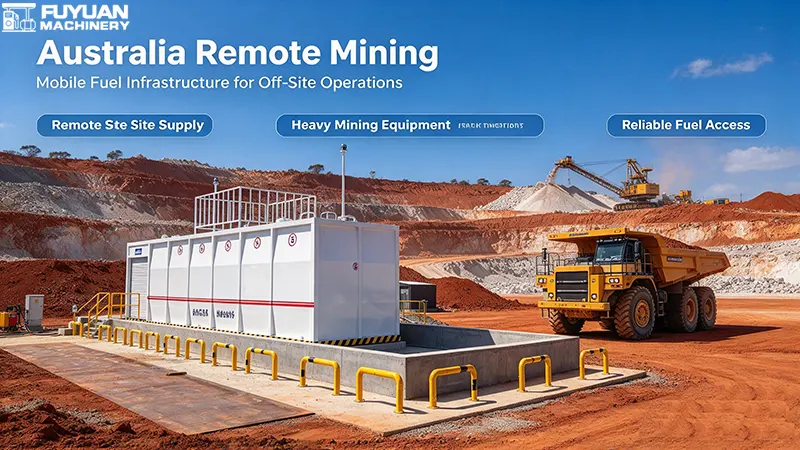
5. Australia: Remote Mining and the Temporary Infrastructure Imperative
Australia’s demand is the purest expression of the remote-operations use case. Mining operations in Western Australia and the Northern Territory operate in regions where the next conventional service station may be hours away.
The infrastructure response has been substantial and is still expanding. Refuel Australia now operates 38 unmanned refueling sites, eight depots, three service stations, and 49 trucks across WA and NT, with on-site storage tanks ranging from 1,000L to 110,000L to accommodate operations of different scales. The company maintains a fleet of storage tanks and associated equipment for hire, allowing customers to hold supply directly on site—a critical buffer when mines face flooding, road closures, or extended transport distances.
The temporary infrastructure model is also maturing. Fuelfix delivered a temporary fuel infrastructure solution for a remote Pilbara iron ore mine expansion, including three 110,000L self-bunded tanks, an integrated pumping skid supporting both light and heavy vehicles, a fuel management system with fob-key access control and remote data upload, and a battery energy storage system to reduce reliance on continuous diesel generation.
Australia's demand profile is for high-capacity, high-specification equipment. The operational requirements include high-flow dispensing for haul trucks, autonomous or unmanned refueling capability, robust fuel management and accountability systems, and compliance with strict mining safety and environmental standards. This is not a price-sensitive market—it is a reliability-sensitive market, and suppliers who can document certified performance and remote-operations support win the business.
What These 5 Markets Tell Equipment Suppliers
The five high-demand countries share a common thread: mobile fuel stations are being adopted where fixed infrastructure cannot keep pace with industrial fuel consumption. But the specific requirements diverge sharply.
Saudi Arabia and Australia demand high-specification, digitally integrated units for giga-projects and remote mining—reliability and compliance are non-negotiable. Nigeria and Indonesia need rugged, rapidly deployable units that can serve as primary fueling infrastructure in infrastructure-constrained environments. India has created a regulatory opening for mobile refueling of heavy equipment, and the demand will follow the regulatory clarity.
For manufacturers and exporters, the implication is clear: there is no single "best" mobile fuel station for the global market. The winning product strategy is modular—skid-mounted or containerized platforms that can be configured for the regulatory, climatic, and operational conditions of each target country.
Country-specific demand is shaped by regulation as much as by industrial activity. India's 2026 rules on mobile refueling units demonstrate that a single regulatory change can unlock a market that was previously constrained by infrastructure rules.
Summary: The 5 High-Demand Countries at a Glance
| Country | Primary Demand Driver | Preferred Format | Key Application |
|---|---|---|---|
| Saudi Arabia | Vision 2030 giga-projects | Containerized, digitally integrated | Construction, logistics |
| Nigeria | Fragmented fuel infrastructure | Skid-mounted, rugged | Mining, logistics hubs |
| India | Regulatory enablement | High-flow, multi-fuel | Heavy equipment, construction |
| Indonesia | State-directed mining/plantation fueling | Mobile units integrated with Pertamina | Mining, plantations |
| Australia | Remote mining operations | High-capacity, autonomous-ready | Iron ore, critical minerals |
Looking for mobile fuel stations configured for these high-demand markets?
Fuyuan Machinery manufactures containerized and skid-mounted fuel stations engineered for the operational and regulatory conditions of Saudi Arabia, Nigeria, India, Indonesia, and Australia—certified to UL, ATEX, IECEx, CE, ASME, and NFPA standards.
Contact us to discuss country-specific configurations and deployment requirements.
Written by
TAI'AN FUYUAN MACHINERY EQUIPMENT CO., LTD.
Editor Yuan
www.mobile-fuel-stations.com
WhatsApp:+86 182 6667 0999
Email:yuanyuzhu6@gmail.com

Leading Chinese Manufacturer & Exporter of mobile fuel stations and skid-mounted fuel stations.