
- Home
- Company
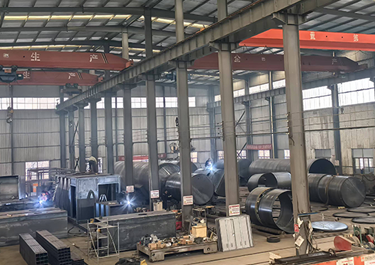 Our FactoryWe have a team of over 30 talented mobile fuel station R&D experts, as well as a 50,000-square-meter advanced modern intelligent manufacturing plant.
- Mobile Fuel Station
- Storage Tank
- Blog
- Contacts
Mobile Filling Station vs Container Gas Station: Top 6 Differences for Buyers in 2026
Two quotes arrive for what appears to be the same product. One is labeled "mobile filling station." The other is labeled "container gas station." The capacities are similar. The prices are within 15% of each other. The sales representatives both promise rapid deployment and multi-fuel capability.
Yet these are not the same product category. The confusion is common in B2B fuel equipment procurement, and it costs buyers money—sometimes by choosing an underspecified unit, sometimes by paying for capabilities they do not need.
A mobile filling station and a container gas station overlap in function but differ in structure, mobility, regulatory treatment, and total cost of ownership. For buyers in 2026, understanding these differences is the difference between a fuel asset that performs for 15 years and one that becomes a stranded liability.
Here are the top 6 differences between mobile filling stations and container gas stations for buyers in 2026.
Difference 1: Structural Format and Enclosure
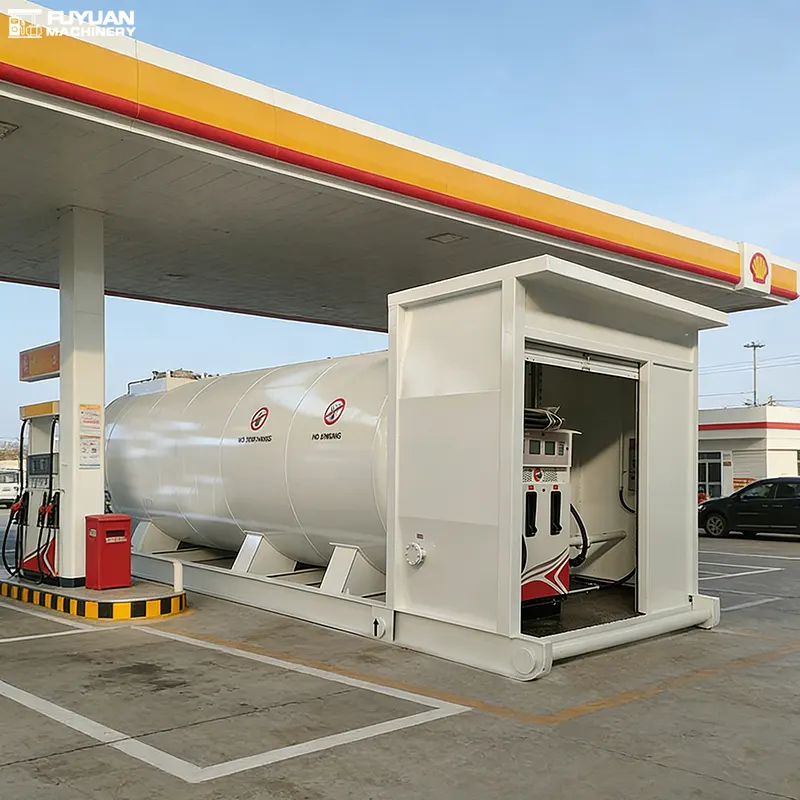
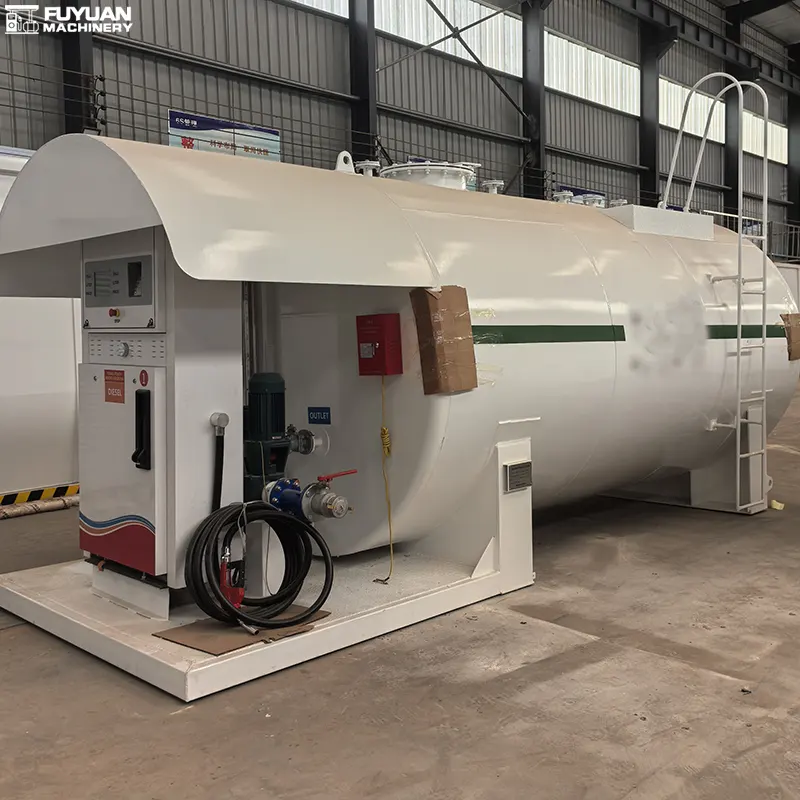
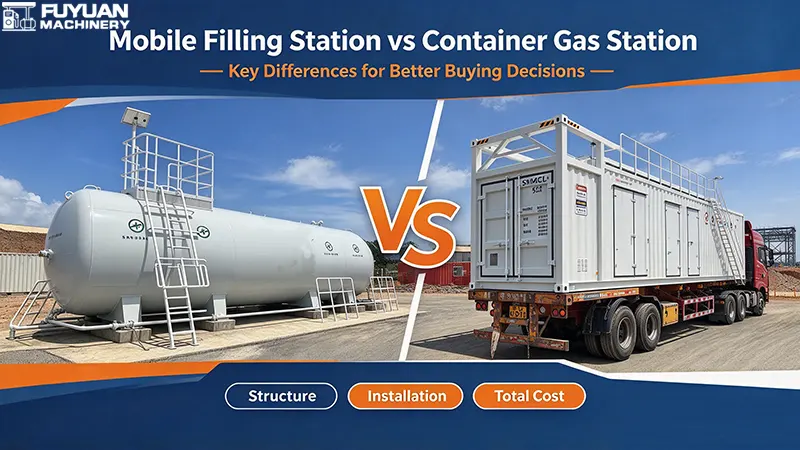
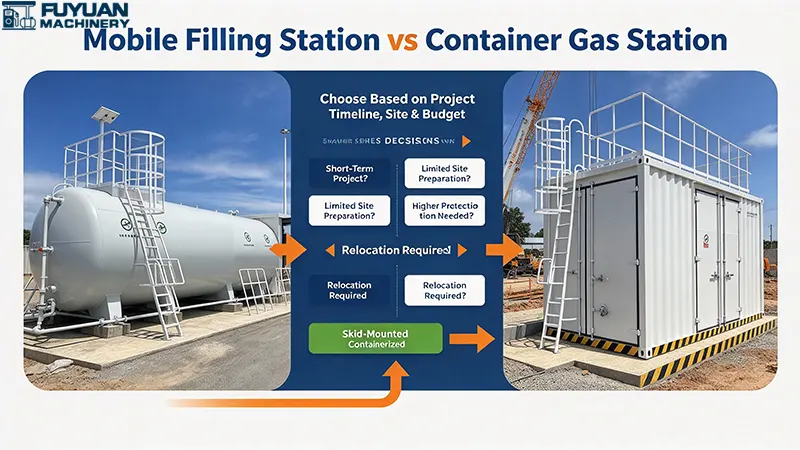
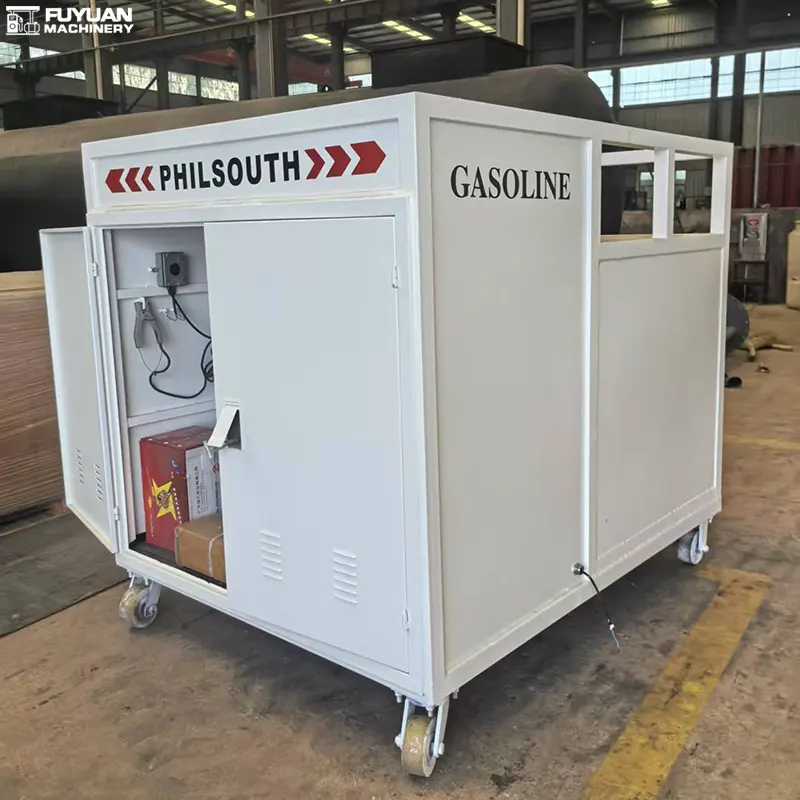
The most visible difference is the enclosure. A mobile filling station is generally built on an open steel frame or skid, with the tank, pump, dispenser, and controls mounted on a structural base. Components are visible and accessible from outside. An enclosure can be added, but it is not inherent to the design.
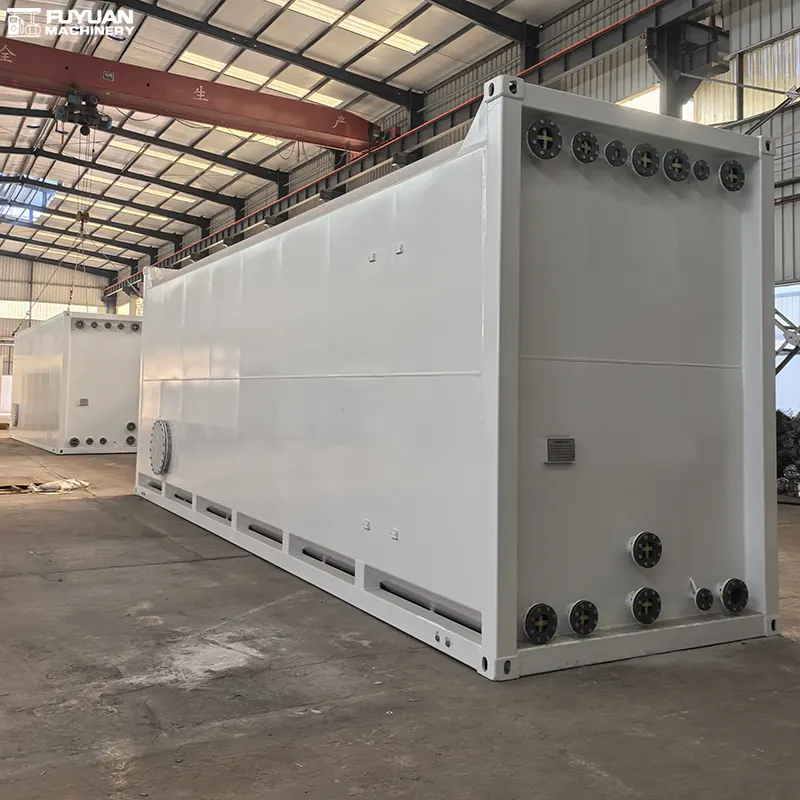
A container gas station is built inside a modified ISO shipping container—typically 10ft, 20ft, or 40ft. The container walls provide secondary containment, weather protection, and lockable security as part of the structure. Ventilation, lighting, and fire suppression are integrated into the container shell.
This structural difference has practical consequences. The open frame of a mobile filling station simplifies inspection and maintenance—technicians can reach every component without entering a confined space. The enclosed container offers superior protection against dust, rain, and theft, which matters in remote mining and construction environments where equipment is exposed to harsh conditions.
For buyers, the question is whether the site conditions justify the enclosure premium. In a secure, mild-climate logistics yard, an open-frame mobile filling station may be the more cost-effective choice. In a remote, dusty, or high-theft-risk location, the container format earns its cost.
Difference 2: Mobility and Relocation Capability
Both formats are marketed as "mobile," but the degree of mobility differs significantly.
A mobile filling station mounted on a skid or trailer chassis is designed for frequent relocation. A trailer-mounted unit can be towed by a standard vehicle. A skid-mounted unit can be lifted by forklift or crane and transported on a flatbed. Relocation typically takes hours, not days.
A container gas station is relocatable but not lightweight. A loaded 20ft container station can weigh 25 to 30 tonnes. Moving it requires a heavy crane and a low-bed trailer. The container is designed for intermodal transport—ship, rail, or road—but repositioning it within a site or between nearby sites is a more involved operation than moving a skid.
The trade-off is between flexibility and protection. If your operation requires moving the station every few weeks—for example, a road construction project that advances along a route—a skid or trailer-mounted mobile filling station is the better fit. If the station will remain at one site for 12 months or longer, and then move to a distant location via standard container shipping, the container gas station offers better economics for that transport profile.
Difference 3: Capacity Range and Configuration Flexibility
Capacity ranges overlap, but the design constraints differ.
A mobile filling station on a skid can be custom-built to almost any capacity. Because it is not constrained by container dimensions, the tank shape and equipment layout can be optimized for the project. Compact skids start around 1,000L, while large mining skids can exceed 60,000L.
A container gas station is constrained by the container footprint. A 10ft container typically holds 5,000L to 10,000L. A 20ft container holds approximately 30,000L. A 40ft container holds up to 60,000L. Within those dimensions, multi-compartment configurations are possible, but the overall geometry is fixed.
For buyers needing an unusual capacity or a highly customized equipment layout, the mobile filling station offers more flexibility. For buyers needing a predictable, standardized configuration that ships and certifies easily, the container gas station offers simplicity and lower engineering risk.
Difference 4: Shipping, Logistics, and Deployment
This is where the container gas station holds a decisive advantage for international projects.
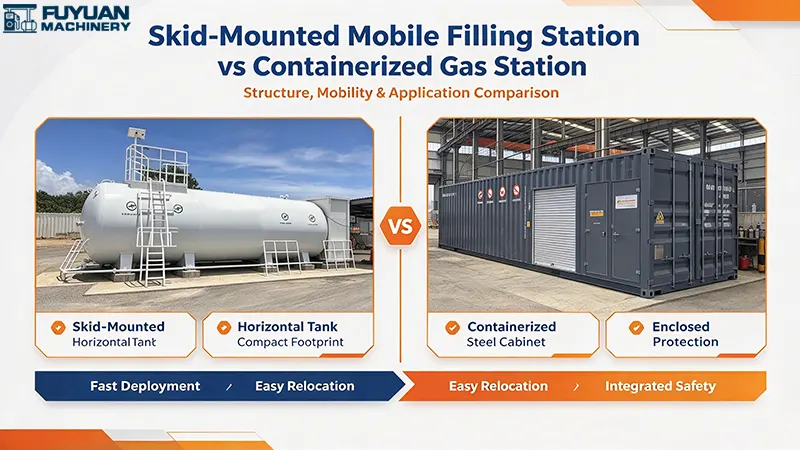
A container gas station with a valid CSC plate ships as a standard ISO container. It can be loaded onto any container vessel at ordinary container rates, stacked with other containers, and delivered to any port with container handling capability. Customs clearance follows standard container procedures.
A mobile filling station shipped internationally often requires flat-rack, break-bulk, or RO-RO shipping. These methods incur out-of-gauge surcharges, require specialized handling equipment, and involve more complex documentation. For a project in Africa, Southeast Asia, or South America, the shipping cost difference alone can reach USD 3,000 to USD 15,000.
Deployment speed is comparable once the unit arrives. Both formats can be operational within 1 to 3 working days, with no civil works required. The difference is in the journey, not the destination.
For international procurement, verify that the container unit carries a valid CSC plate. Without it, the shipping cost advantage disappears—and customs clearance can become a bottleneck.
Difference 5: Safety and Regulatory Compliance
Both formats must meet the same core safety standards: NFPA 30A for dispensing, UL 142 or EN 12285-2 for tanks, ATEX or IECEx for explosion-proof equipment, and CE marking for EU deployment. The difference lies in how compliance is documented and enforced.
A container gas station benefits from the CSC certification framework. The container itself is a regulated transport unit with an internationally recognized safety approval. The fuel system certifications are added to this baseline. For buyers in markets with less developed regulatory frameworks, the CSC plate and ISO container standards provide a recognizable mark of quality.
A mobile filling station is certified primarily on its fuel system and frame. There is no container-level certification. The buyer must verify each component—tank, dispenser, electrical systems—individually. This places more due diligence burden on the buyer, but it also allows more flexibility in specifying components from different certified suppliers.
In both cases, the critical check is documentation. A supplier who cannot produce a UL listing for the tank, an ATEX certificate for the dispenser, and a grounding verification for the electrical system is a supplier to avoid—regardless of which format they offer.
Difference 6: Total Cost of Ownership
The purchase price comparison is misleading without the full cost picture.
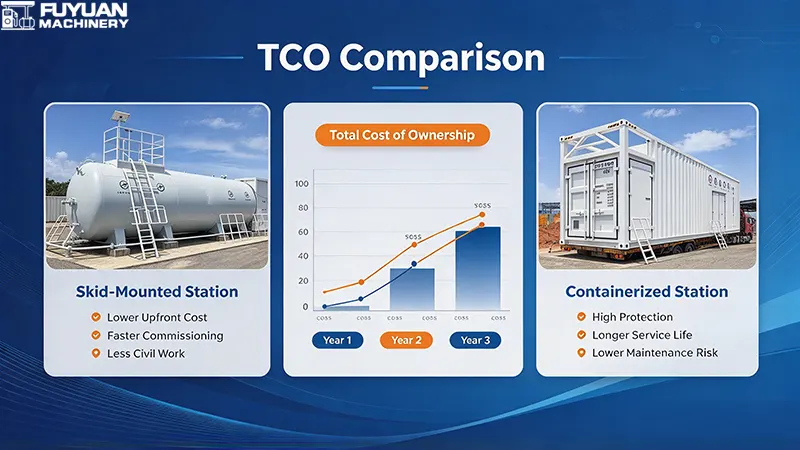
A mobile filling station on an open skid typically costs 10% to 30% less than a container gas station of equivalent capacity. A 10,000L skid unit may cost USD 25,000 to USD 55,000, while a comparable container unit costs USD 35,000 to USD 80,000.
But the container station includes weather protection, security, and secondary containment that the skid does not. Adding these features to a skid—through a custom enclosure, fencing, and a separate containment bund—narrows the price gap. In harsh or high-security environments, the container station often delivers lower total cost because the protection is built in, not added on.
On the operating side, both formats share similar maintenance profiles. The container requires slightly more effort for internal inspections due to confined access, while the skid requires more frequent coating maintenance due to direct weather exposure. Staffing requirements are comparable at 2 to 4 employees per station.
The decisive TCO factor is relocation and residual value. A skid-mounted mobile filling station can be moved frequently at low cost and retains high residual value across multiple projects. A container gas station is more expensive to relocate locally but ships internationally at lower cost and holds value well in the export market.
Summary: The 6 Differences at a Glance
| Difference | Mobile Filling Station | Container Gas Station |
|---|---|---|
| 1. Structural format | Open steel frame or skid | Modified ISO container shell |
| 2. Mobility | Frequent relocation, hours to move | Relocatable, requires crane and low-bed |
| 3. Capacity flexibility | Custom-built to any capacity | Constrained by container dimensions |
| 4. Shipping | Flat-rack or break-bulk, surcharges | Standard ISO container rates, CSC certified |
| 5. Compliance | Component-level certification | CSC + component-level certification |
| 6. TCO | Lower upfront, higher enclosure add-on | Higher upfront, protection built in |
Which One Fits Your Operation?
Choose a mobile filling station if you need frequent relocation, highly customized capacity, maximum maintenance accessibility, or the lowest upfront equipment cost in a secure and mild-climate site.
Choose a container gas station if you need international shipping via standard container vessels, built-in weather and security protection, standardized configurations, or deployment in a harsh or remote environment.
The terms are sometimes used interchangeably by suppliers, but they describe different engineering choices with different cost and operational implications. Buyers who understand the distinction specify the right format for their project—and avoid paying for capabilities they do not need or discovering too late that the unit lacks protection their site requires.
Conclusion
The mobile filling station and container gas station are complementary solutions, not competing ones. Each is optimized for a different combination of mobility, protection, shipping profile, and site conditions.
The movable fuel stations market was valued at USD 925.17 million in 2025 and is projected to reach USD 1.85 billion by 2032, growing at a CAGR of 10.40%. The mobile container fuel stations segment is growing even faster at 13.94% CAGR, reaching USD 6.84 billion by 2032. Both formats will play a role in that growth—but they will serve different buyers with different requirements.
The right choice depends on where the station will operate, how often it will move, how it will ship, and what protection the site demands. Get these six differences right, and your fuel asset will deliver reliable performance at the lowest total cost of ownership.
Need help choosing between a mobile filling station and a container gas station?
Fuyuan Machinery manufactures both formats—skid-mounted and containerized fuel stations certified to UL, ATEX, IECEx, CE, ASME, and NFPA standards.
Contact us today for a side-by-side recommendation based on your site conditions, shipping profile, and operational requirements.
Written by
TAI'AN FUYUAN MACHINERY EQUIPMENT CO., LTD.
Editor Yuan
www.mobile-fuel-stations.com
WhatsApp:+86 182 6667 0999
Email:yuanyuzhu6@gmail.com

Leading Chinese Manufacturer & Exporter of mobile fuel stations and skid-mounted fuel stations.