
- Home
- Company
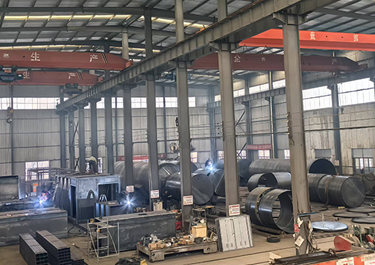 Our FactoryWe have a team of over 30 talented mobile fuel station R&D experts, as well as a 50,000-square-meter advanced modern intelligent manufacturing plant.
 - Mobile Fuel Station
- Storage Tank
- Blog
- Contacts
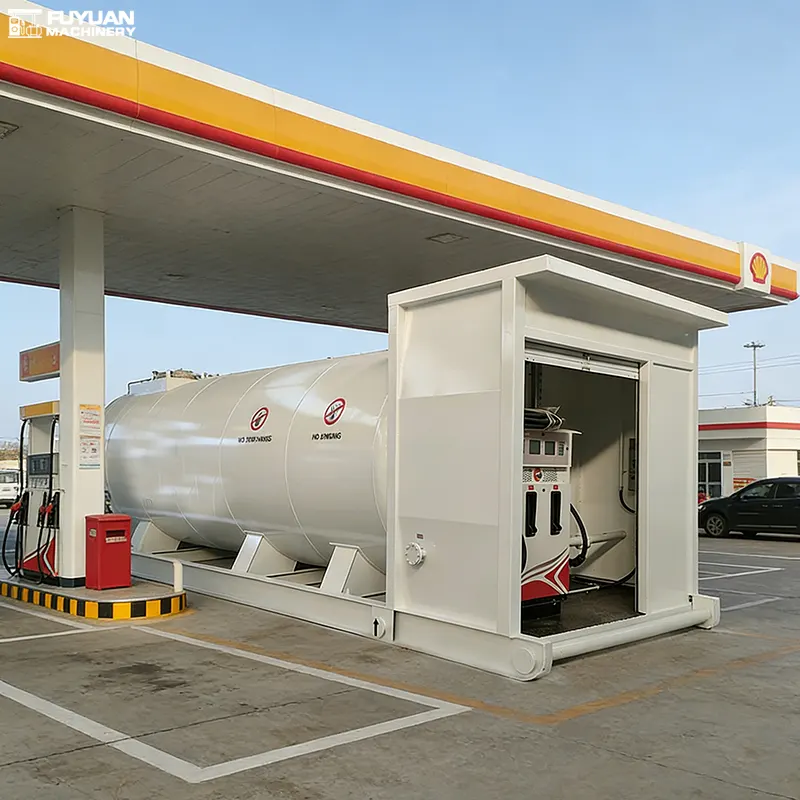
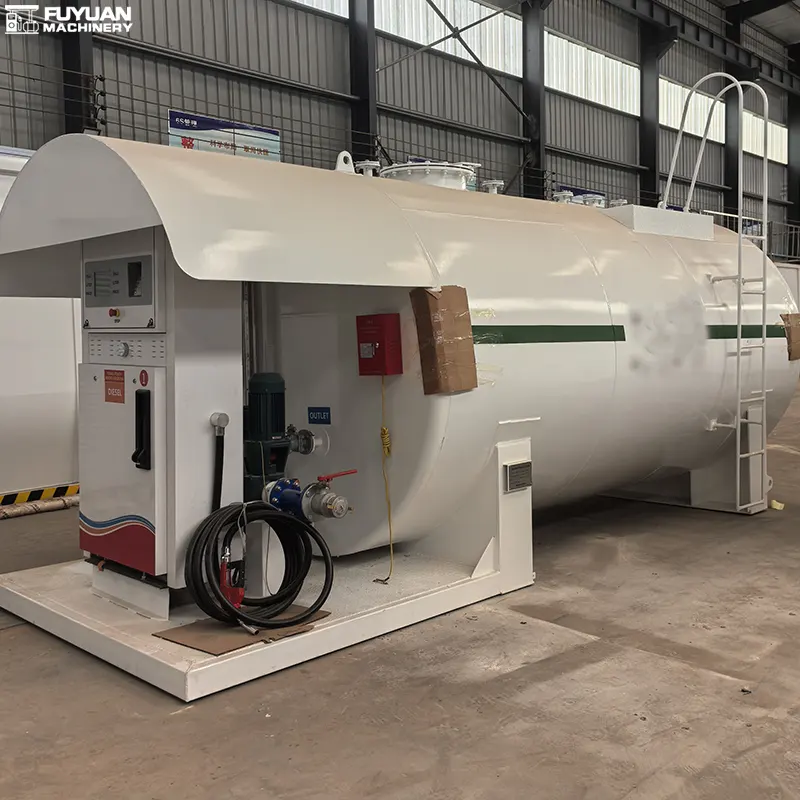
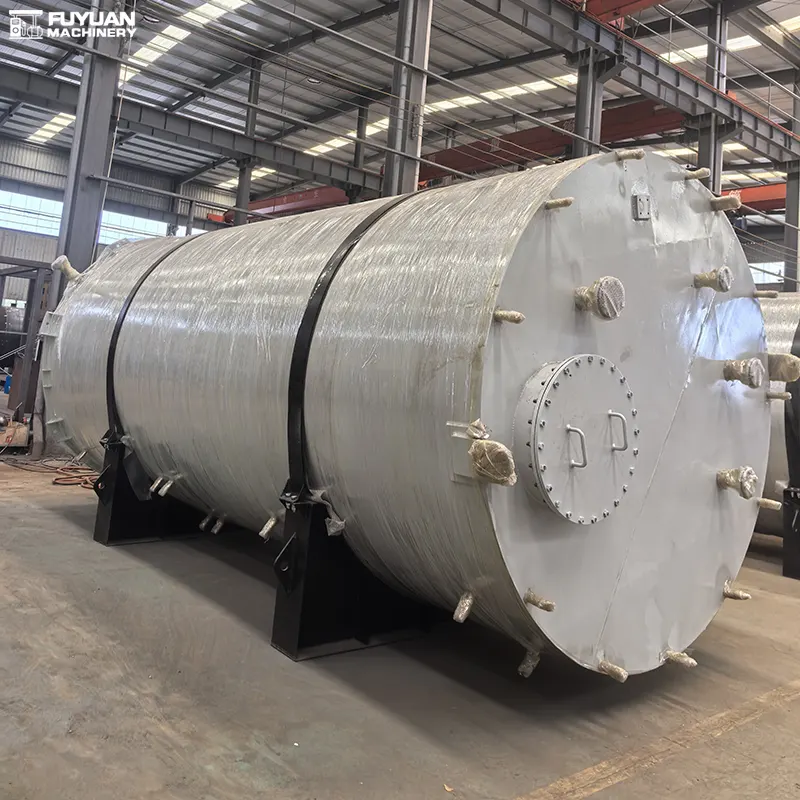
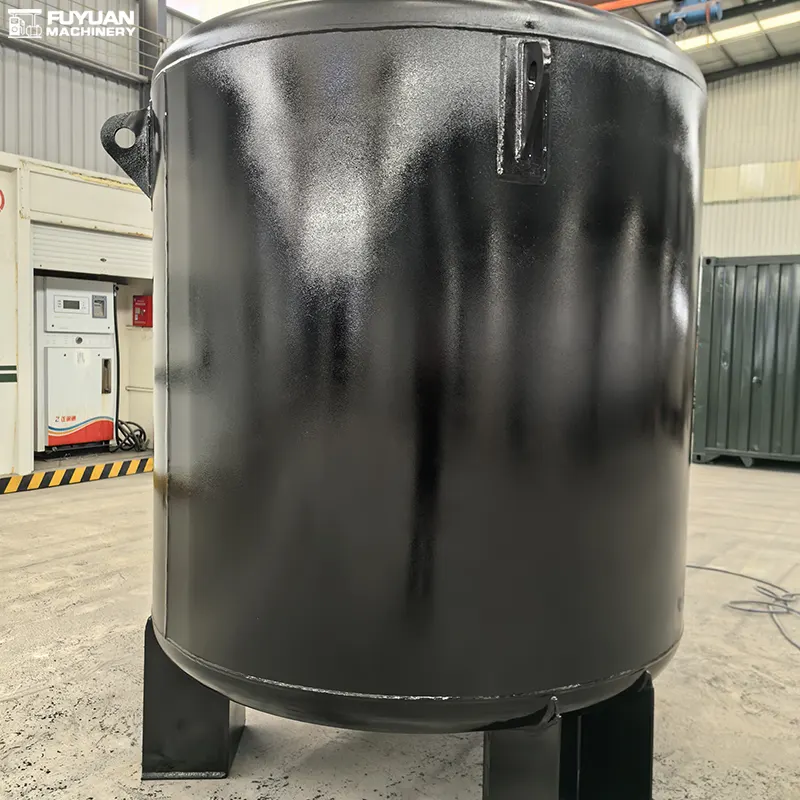
Three Main Aspects of Pressure Vessel Testing at Mobile Fuel Stations
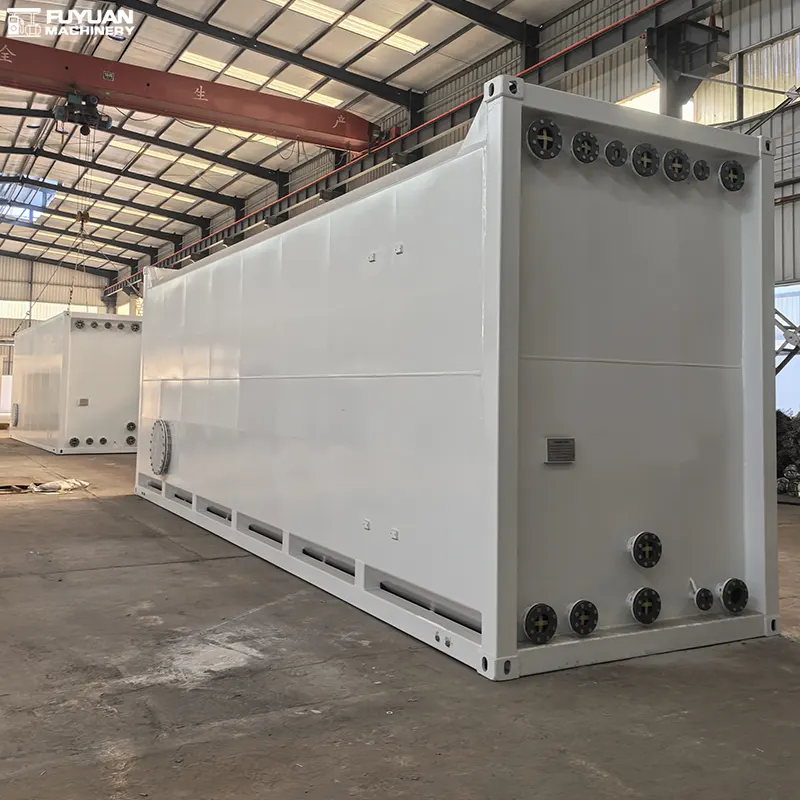
Mobile gas stations, as pressure vessel operating equipment, require comprehensive pressure vessel inspection. This includes flaw detection of welds and inspection of pressure-bearing equipment. Today, we'll mainly discuss the three main aspects of pressure vessel inspection for mobile gas stations.
External Inspection
Also known as in-operation inspection, this mainly includes: checking for abnormal phenomena such as cracks, deformation, leaks, and localized overheating on the pressure vessel's outer surface; verifying the completeness, sensitivity, and reliability of safety accessories; confirming the integrity and tightness of fastening bolts; and checking for abnormal phenomena such as foundation subsidence, tilting, and damage to the anti-corrosion layer. External inspection is both the work of inspection personnel and a routine inspection item for operators. If any safety hazards are found (such as cracks, deformation, or serious leakage in pressure-bearing components), operation should be stopped and the relevant personnel reported immediately.
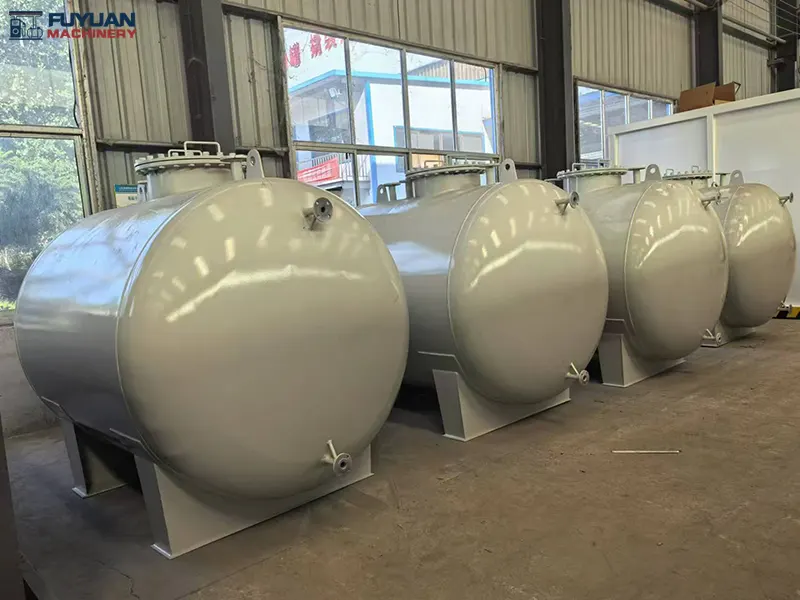
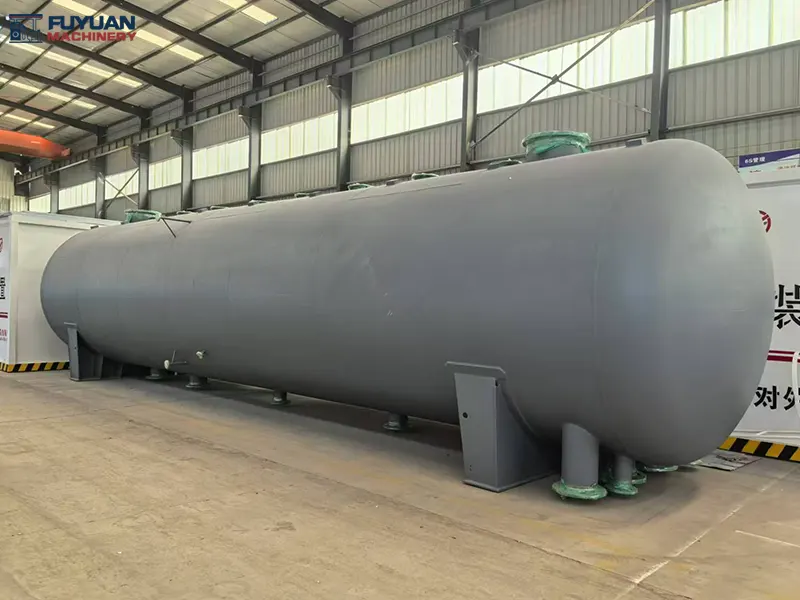
Internal and External Inspection
Internal and external inspection of pressure vessels must be conducted after the vessel has been shut down and thoroughly cleaned internally. The main contents of the inspection include all external inspection items, as well as inspection of corrosion and wear phenomena on the inner and outer surfaces; visual inspection and magnification of all welds, head transition zones, and other stress concentration areas for cracks; and, if necessary, ultrasonic or radiographic testing to inspect the internal quality of welds; measurement of wall thickness. If the measured wall thickness is less than the minimum wall thickness of the vessel, a strength check should be performed again, and measures such as pressure reduction or repair should be proposed; for vessels that may cause changes in the metallographic structure of the metallic material, metallographic testing should be performed when necessary; the main bolts of high-pressure and high-pressure vessels should be inspected for cracks using magnetic particle or dye penetrant testing. Through internal and external inspections, the causes of defects found should be analyzed, and treatment recommendations should be proposed. A re-inspection should be conducted after repair. The internal and external inspection cycle for pressure vessels is every three years, but the inspection cycle should be shortened for vessels handling highly corrosive or toxic media. The inspection cycle should also be shortened for vessels found to have serious defects during operation, vessels with poor welding quality, and vessels whose material's resistance to corrosion is unclear.
Comprehensive Inspection
In addition to the inspection items mentioned above, the comprehensive inspection of pressure vessels also includes a pressure test (generally a hydrostatic test). Non-destructive testing (NDT) is performed on major welds, either by sampling or inspecting all welds. However, for containers with very low pressure, containing non-flammable, non-toxic, or non-corrosive media, if no defects are found and sufficient usage experience is gained, NDT may not be required. The comprehensive inspection cycle for containers is generally at least once every six years. For manufactured containers containing air and inert gases that have passed inspection, the comprehensive inspection cycle can be appropriately extended after gaining usage experience and confirming no corrosion through one or two internal and external inspections.
These are the three main aspects of pressure vessel inspection for mobile gas stations. We hope this information is helpful.
Written by
TAI'AN FUYUAN MACHINERY EQUIPMENT CO., LTD.
Editor Wang
www.mobile-fuel-stations.com/
WhatsApp:+86 182 6667 0999
Email:yuanyuzhu6@126.com
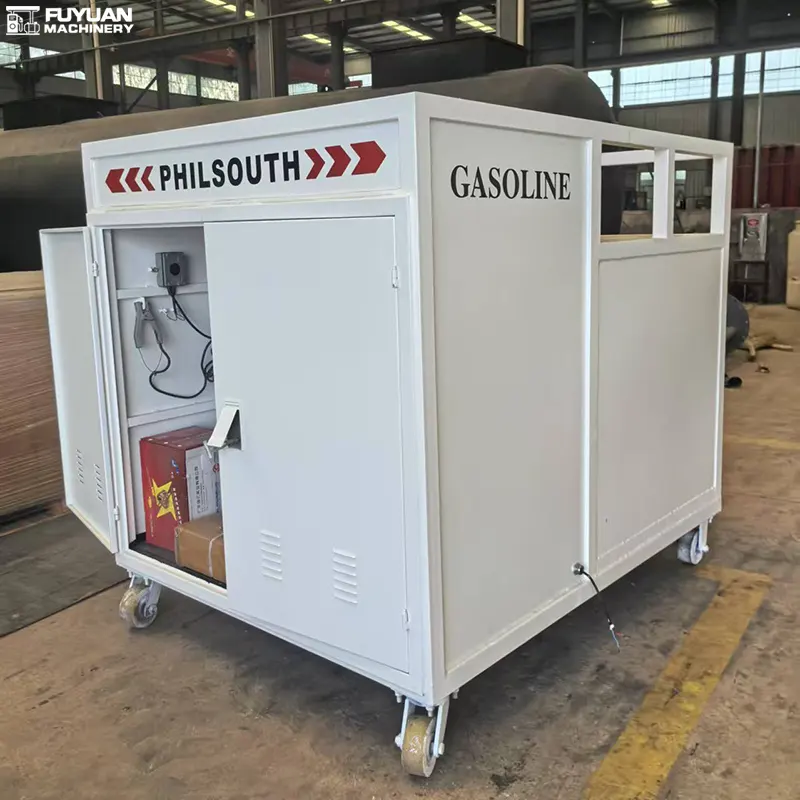

Leading Chinese Manufacturer & Exporter of mobile fuel stations and skid-mounted fuel stations.