
- Home
- Company
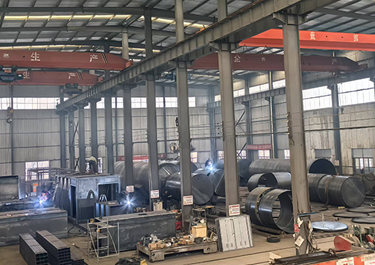 Our FactoryWe have a team of over 30 talented mobile fuel station R&D experts, as well as a 50,000-square-meter advanced modern intelligent manufacturing plant.
 - Mobile Fuel Station
- Storage Tank
- Blog
- Contacts
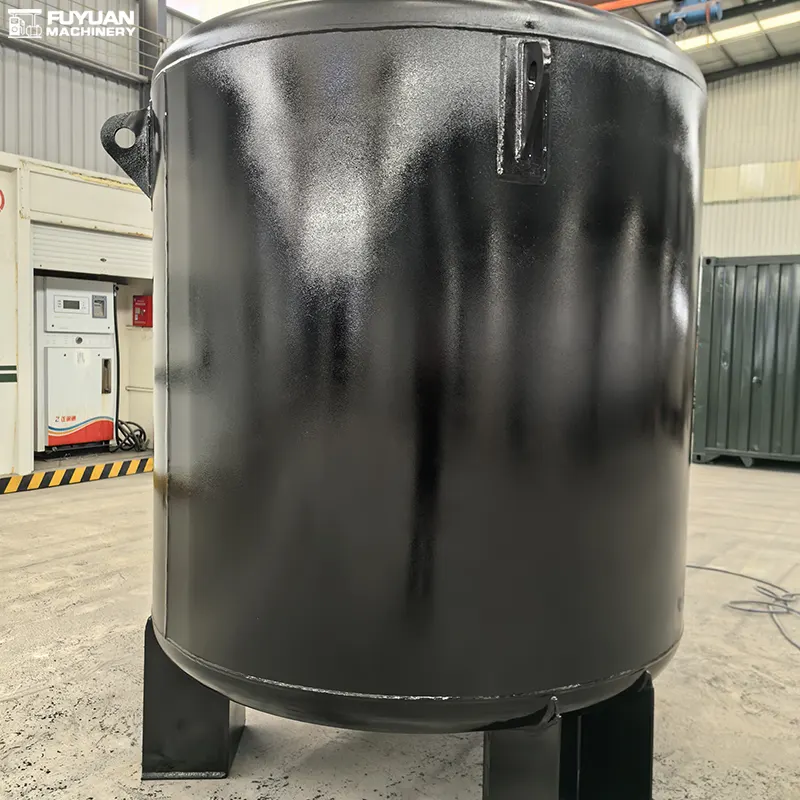
Several Measures Taken by Mobile Fuel Stations to Safely Weather Heavy Rain
Heavy rain has a significant impact on mobile gas stations. However, the rain itself isn't the primary concern; the main impact comes from other disasters such as mudslides and landslides. Below, we'll explain how mobile fuel stations can minimize the impact of heavy rain.
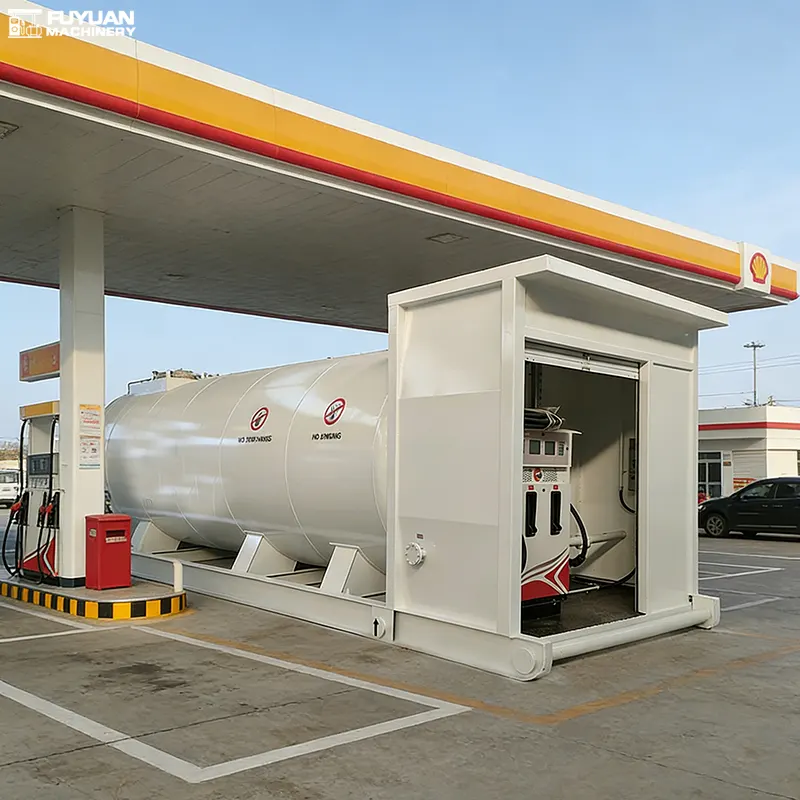
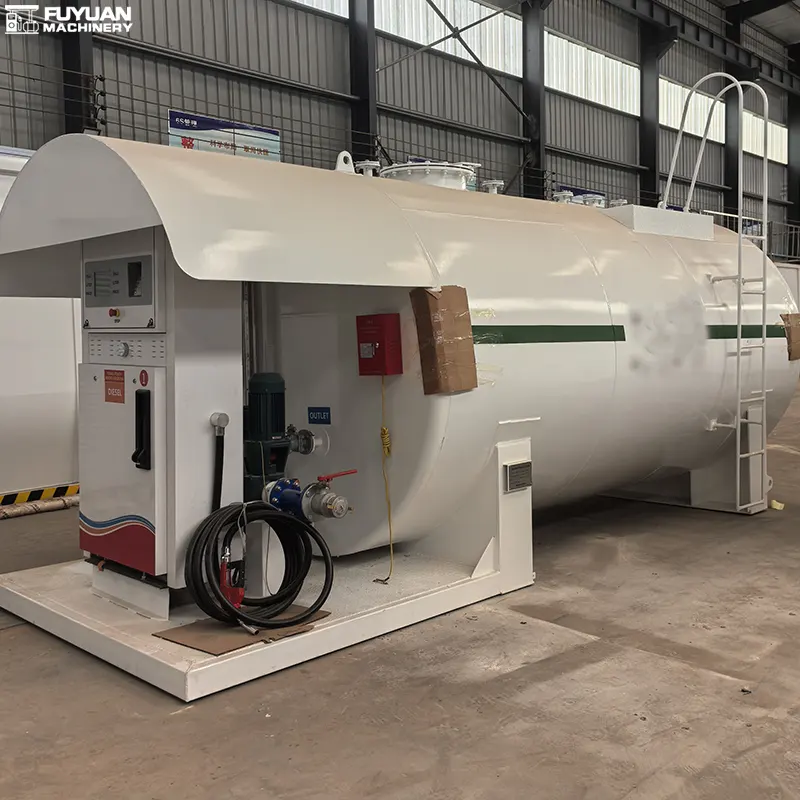
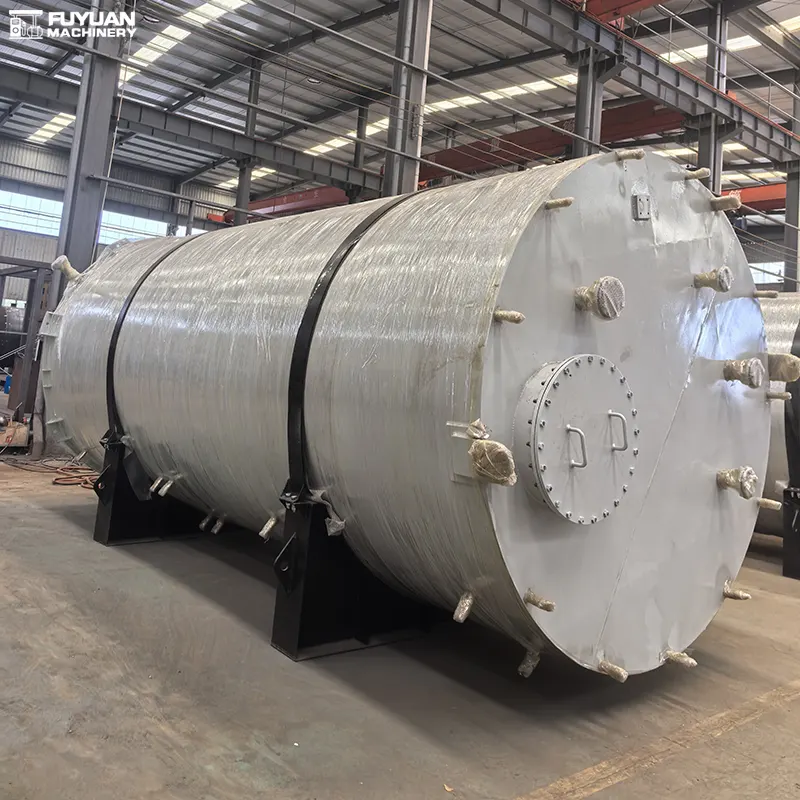
Mobile fuel stations are designed with environmental protection and mobility as core principles. They integrate ground-mounted fireproof and explosion-proof oil storage tanks, fuel dispensers, and automatic fire extinguishers. These stations are small in size, require little space, are easy to install, and can be moved as a whole. After relocation, the equipment remains undamaged, preserving its economic value. These stations incorporate many components not found in underground gas stations, such as automatic fire extinguishing devices, emergency pressure relief devices, overfill prevention devices, alarm systems, high-temperature automatic fuel shut-off valves, and internal combustion devices. Mobile fuel stations are equipped with vapor recovery systems, double-walled storage tanks eliminate leakage and pollution, and monitoring devices in the tank's interlayer enhance leak detection capabilities. Skid-mounted fuel stations are designed with environmental performance in mind.
Many consumers worry about the potential damage and risks posed by heavy rain to their skid-mounted equipment. While the equipment itself is generally safe from heavy rain, the operating environment is complex. Heavy rain can trigger landslides, mudslides, and other natural disasters, and floods can cause secondary disasters such as flooding and mudslides, all of which can damage the skid-mounted tanks to varying degrees.
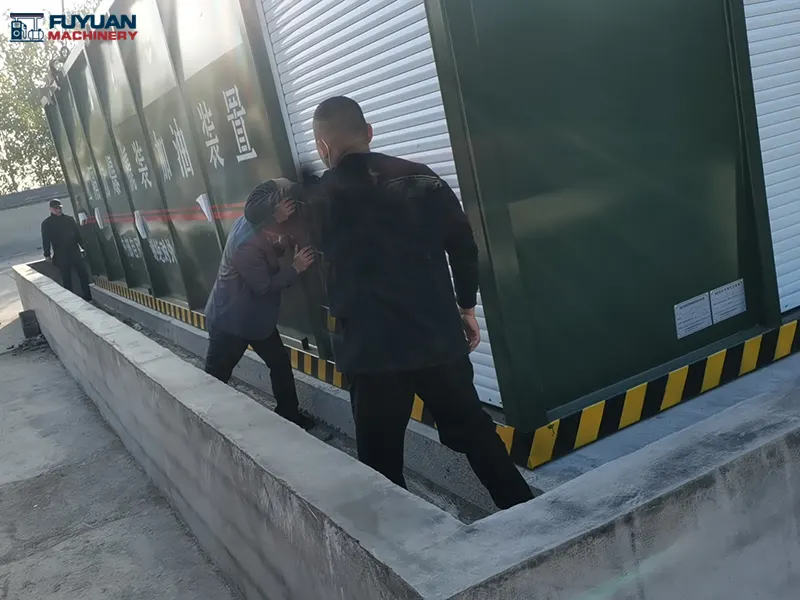
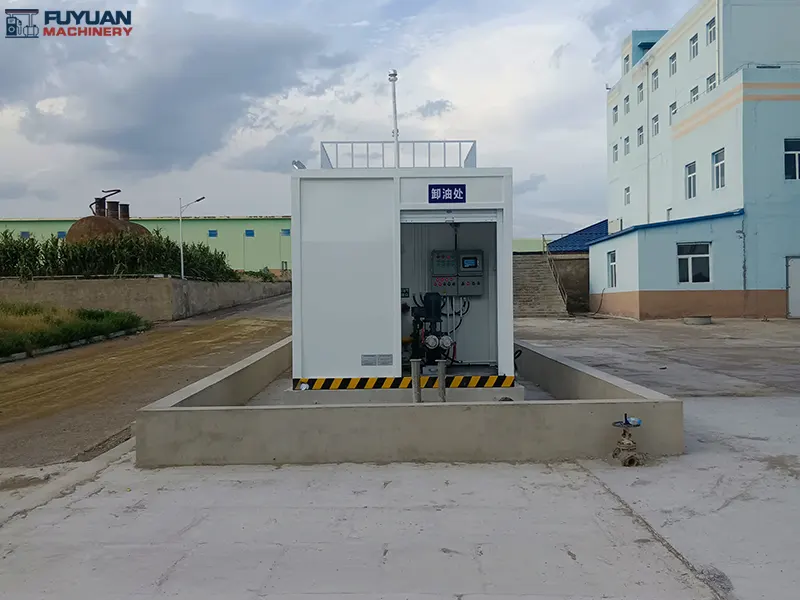
Therefore, the following suggestions are made: First, based on the surrounding environment, clear drainage outlets and ensure proper drainage for the mobile fuel station. Second, check that fire exits are unobstructed, clear debris from entrances, stairwells, and passageways, and install rubber flooring to facilitate fire evacuation for staff. Clear away debris such as the fuel supply shed, the roof of the equipment station, and nearby billboards. Remove any unreinforced sheds, columns, beams, and slabs to prevent damage from strong winds and heavy rain. Place heavy items in low-lying areas and secure them. Ensure windows and doors are closed and properly protected. Prepare sufficient sandbags and waterproof tarpaulins around the equipment area in advance. If heavy rainfall occurs, immediately implement appropriate leak-proofing measures to ensure the fuel tanks do not leak.
These are some key measures for ensuring the safe operation of mobile fuel stations during heavy rain. We hope this information will be helpful when operating mobile fuel stations in the future. For any related questions, please contact Taian Fuyuan Machinery.
Written by
TAI'AN FUYUAN MACHINERY EQUIPMENT CO., LTD.
Editor Wang
www.mobile-fuel-stations.com/
WhatsApp:+86 182 6667 0999
Email:yuanyuzhu6@126.com
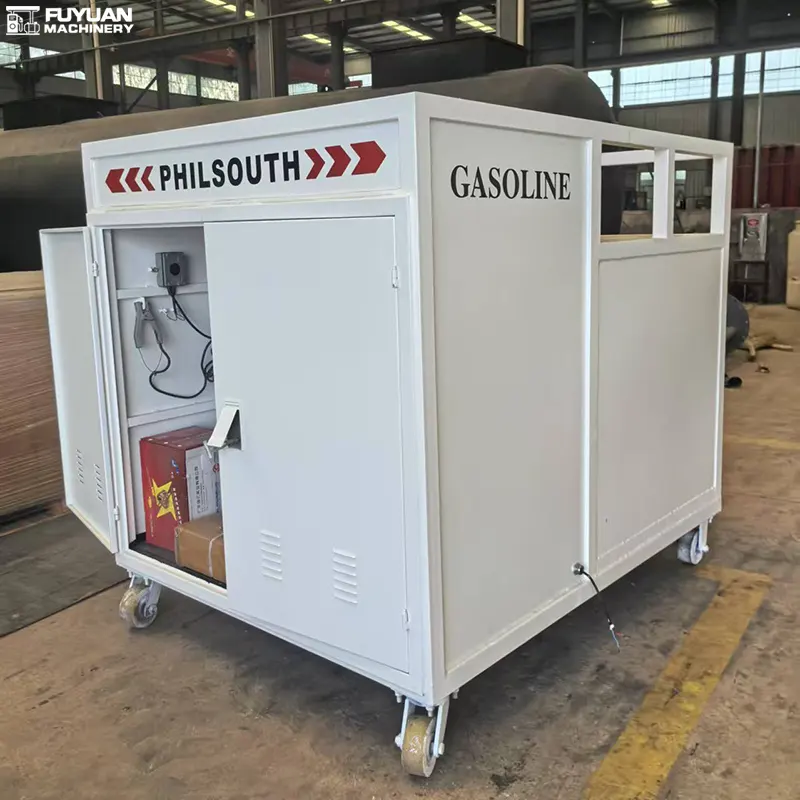

Leading Chinese Manufacturer & Exporter of mobile fuel stations and skid-mounted fuel stations.