
- Home
- Company
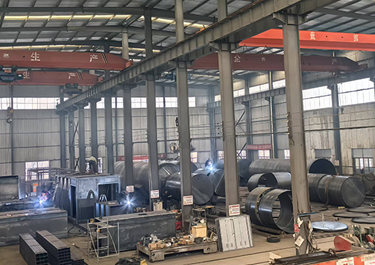 Our FactoryWe have a team of over 30 talented mobile fuel station R&D experts, as well as a 50,000-square-meter advanced modern intelligent manufacturing plant.
 - Mobile Fuel Station
- Storage Tank
- Blog
- Contacts
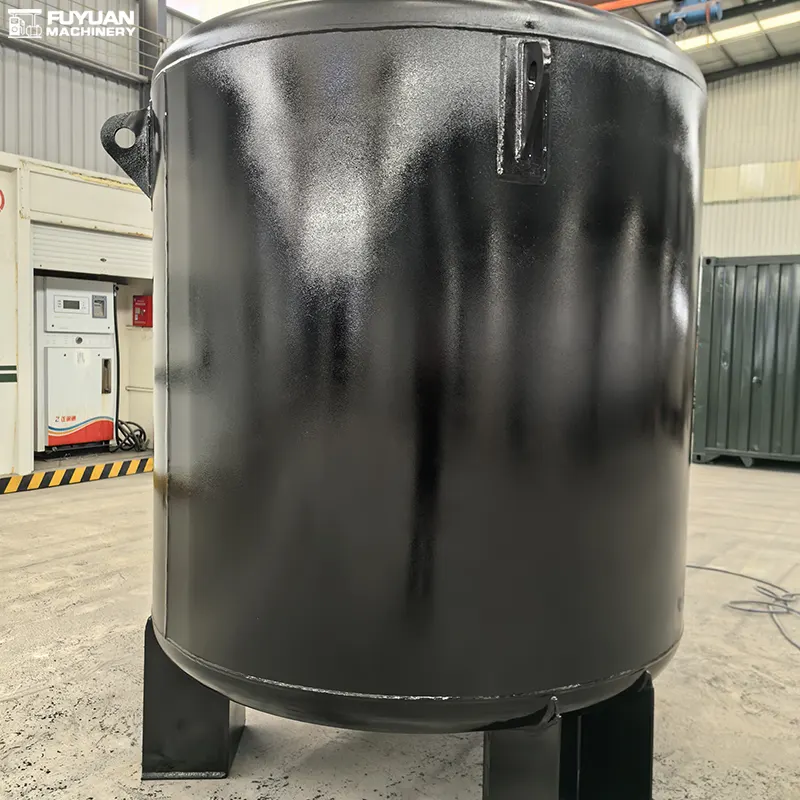
How Mobile Fuel Stations Can Save You 30-50% on Fueling Costs
Fuel is the lifeblood of any fleet, construction site, or mining operation. But for most businesses, traditional fueling—sending drivers to retail gas stations—is a silent profit killer.
Every detour, every minute spent waiting in line, every gallon lost to theft or evaporation eats into your bottom line. Fuel expenses already account for roughly one-third of a company‘s total fleet operating budget. Yet many businesses treat this cost as unavoidable.
It isn‘t.
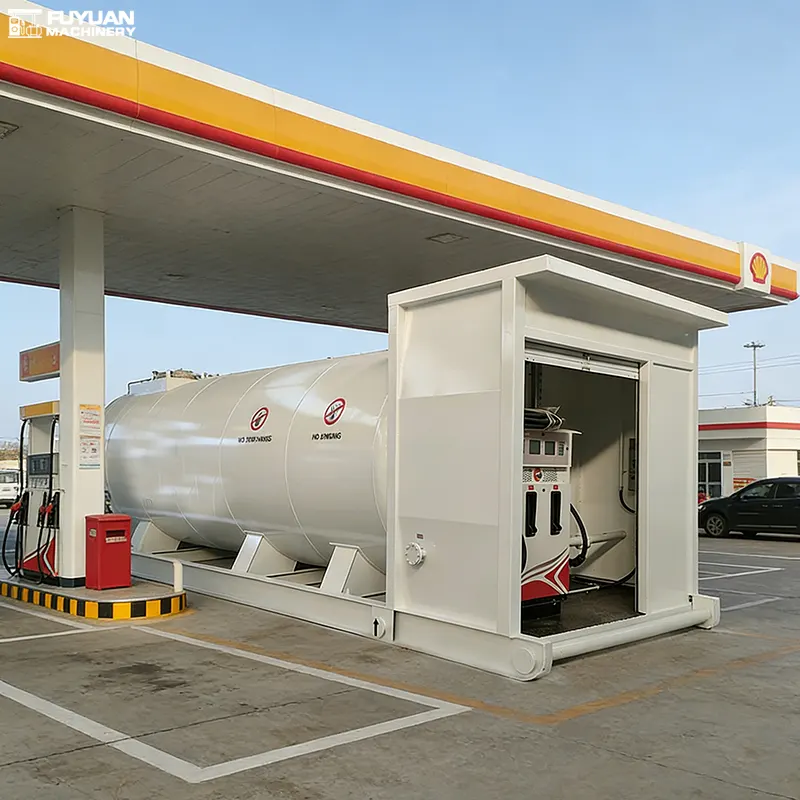
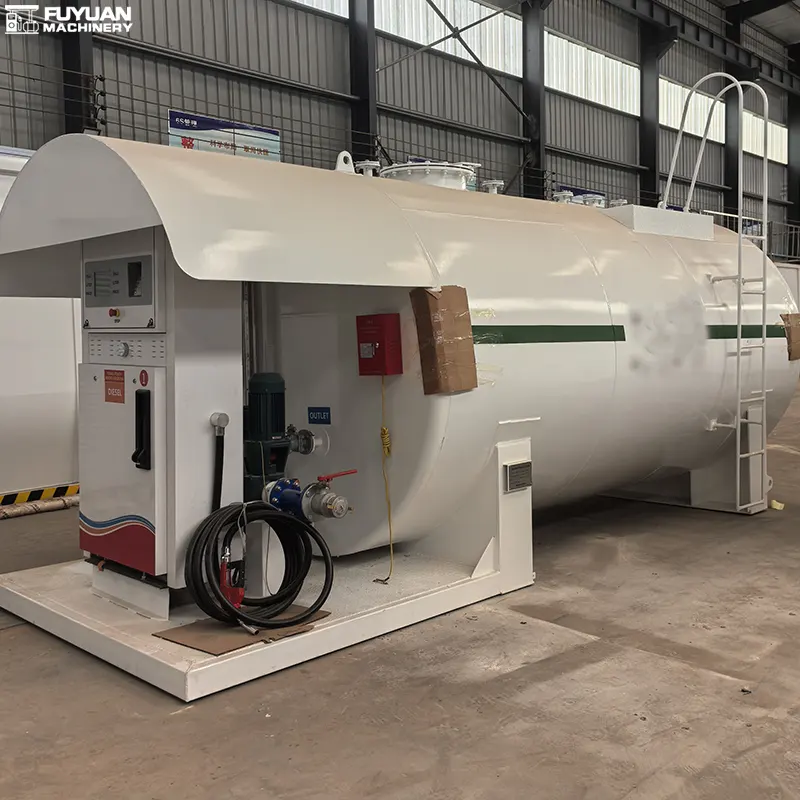
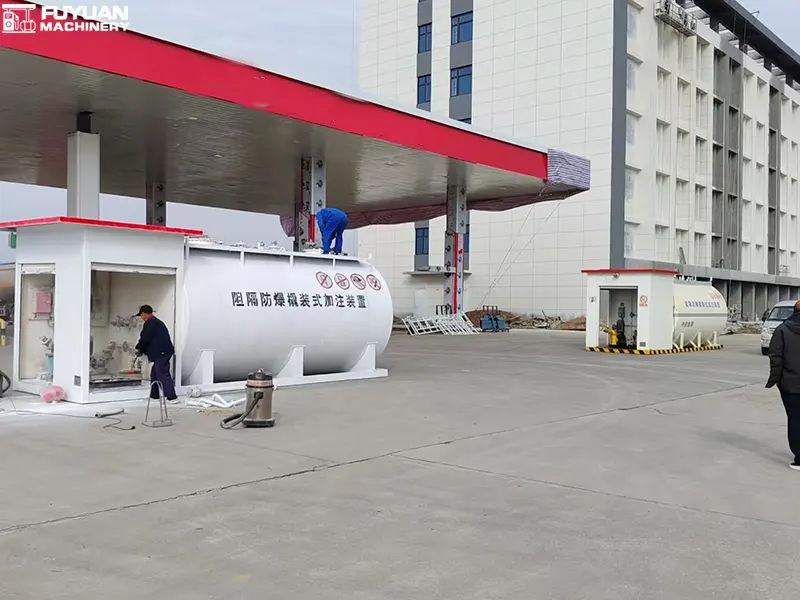
Mobile fuel stations—whether containerized units or skid-mounted systems—are transforming how businesses manage fuel. Companies that switch are reporting total fueling cost reductions of 30% to 50% . Here’s exactly how.
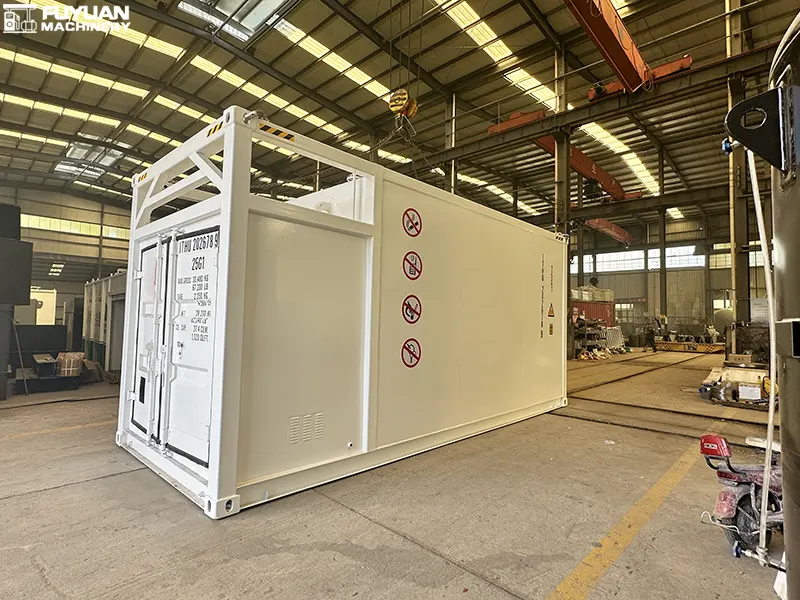
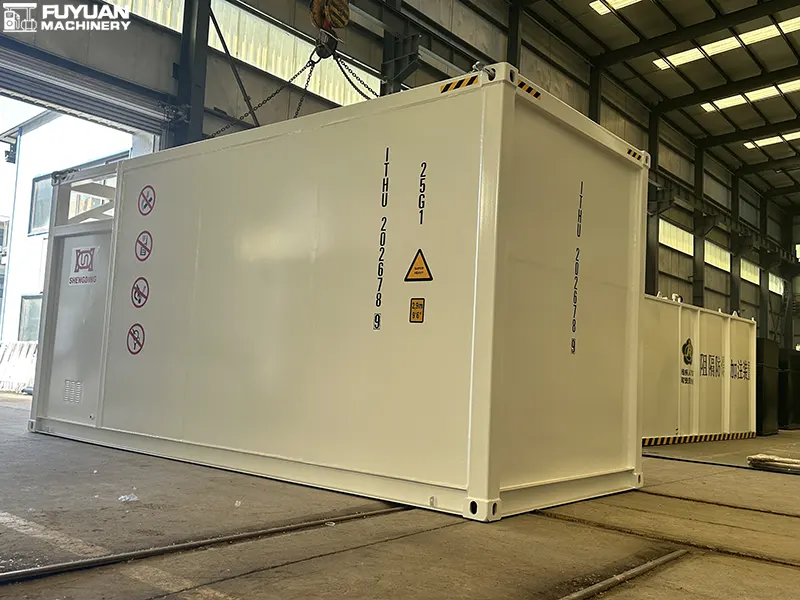
1. Eliminate Costly Detours and Unnecessary Mileage
Every mile your vehicle travels to reach a fuel station costs money. Not just the fuel itself, but driver wages, vehicle wear and tear, and lost productivity.
On average, it costs about $2.50 to $3.00 for every mile a vehicle travels, factoring in maintenance, labor, and fuel. If your driver has to travel just 3 extra miles to refuel, you‘re spending an additional $9 on transportation costs alone.
A Geotab study of over 150,000 vehicles found that the average fuel stop takes 20 minutes and adds 2.2 miles to a driver’s route. Multiply that across a fleet, and the numbers become staggering.
Mobile fueling eliminates these detours entirely. Fuel comes to your equipment, not the other way around. By removing unnecessary trips, businesses can save up to $0.40 per gallon on labor and operational costs alone.
2. Slash Labor Costs and Recapture Lost Time
Here‘s a question: Are your skilled operators spending their time driving to gas stations and waiting in line?
If a driver spends just 30 minutes per day navigating traffic and waiting at a gas station, you’re losing 2.5 hours of productivity per week, per vehicle. For a fleet of ten vehicles, that‘s 25 hours of wasted payroll every single week. For a fleet of 50, that’s up to 8 hours per day in total downtime.
The math is brutal. Daily gas station visits cost around $2,300 per vehicle each year—and that‘s not even counting the money lost due to drivers waiting instead of working.
Mobile fuel stations reduce refueling time by up to 50% , with on-site fueling taking just 5-10 minutes per vehicle compared to 15-20 minutes at a retail station. That time is reclaimed for productive work.
3. Unlock Wholesale Pricing vs. Retail Premiums
When you buy fuel at a retail station, you‘re paying a premium that can be staggering. Retail-to-wholesale spreads have risen as high as $1 per gallon in recent years. Even in normal conditions, retail premiums can make up 40 cents or more of your fuel costs.
Mobile fuel stations operate on wholesale fuel prices—typically based on a rack index such as OPIS. You’re no longer at the mercy of volatile retail price swings. Instead, you align with wholesale pricing models that protect your margins.
For high-volume operations, commercial savings often begin at around the 5,000-gallon threshold, where accounts can access wholesale-indexed pricing. The savings compound quickly.
4. Reduce Infrastructure Investment by Up to 60%
Building a traditional fuel station requires substantial investment in land, permits, underground tanks, and pumps—often costing upwards of $1 million depending on location and size.
A mobile fuel station eliminates the need for fixed infrastructure entirely.
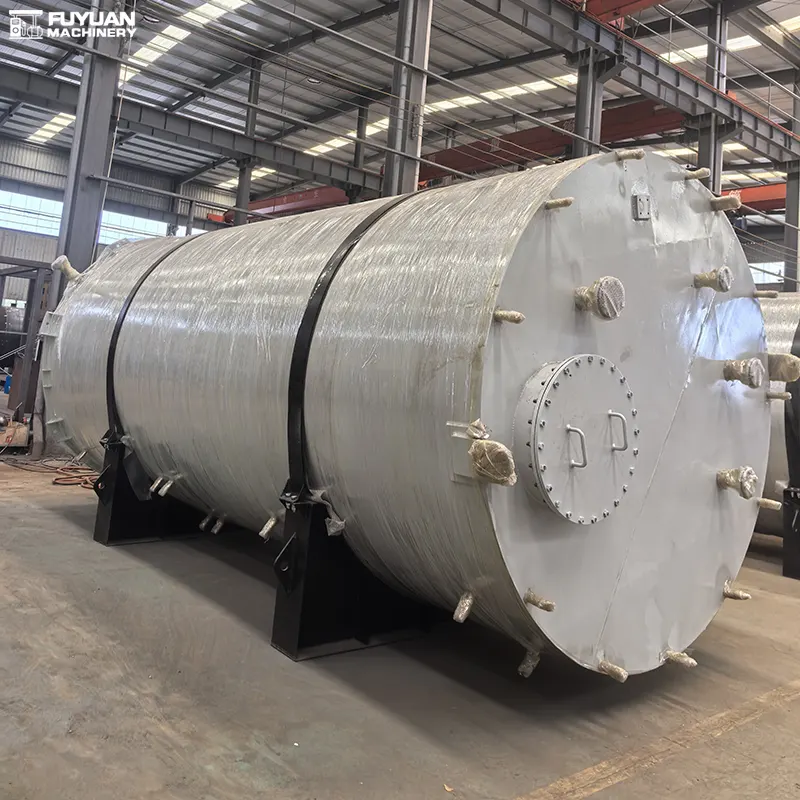
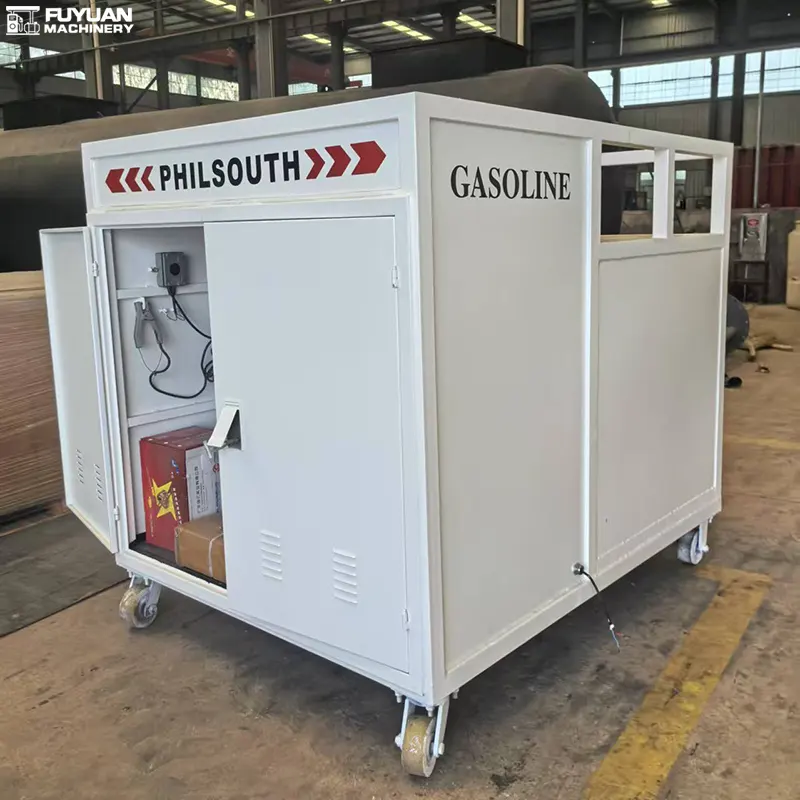
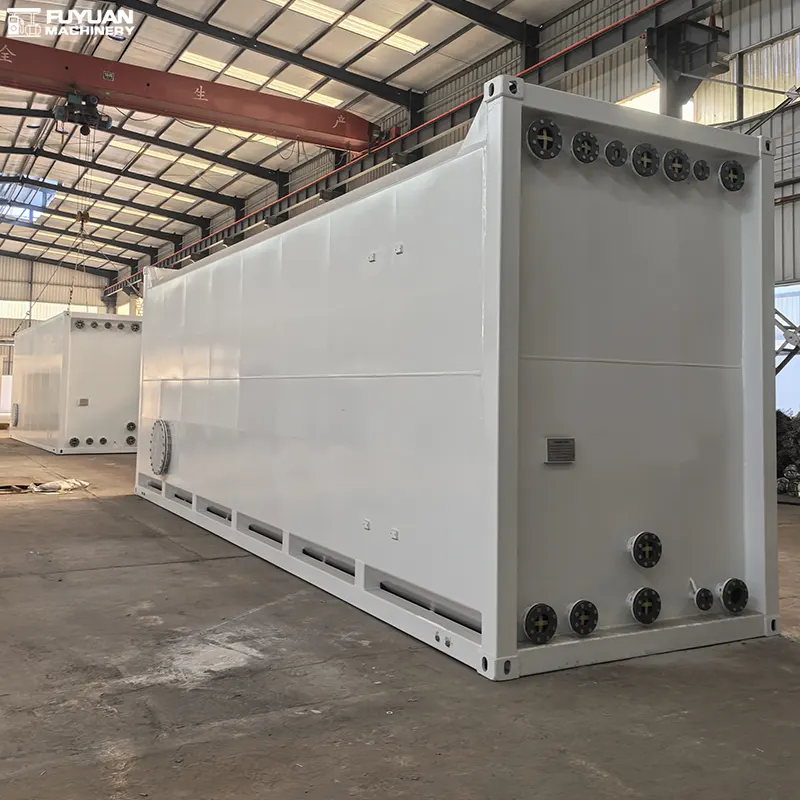
Whether you choose a containerized unit (built inside a standard ISO shipping container) or a skid-mounted system (on a steel base), the equipment is prefabricated and ready for rapid deployment. Modular station setups can reduce initial setup costs by up to 50% to 60% compared to conventional infrastructure.
Deployment takes hours, not months. No excavation. No lengthy permitting. No construction delays.
5. Minimize Fuel Loss, Theft, and Waste
Traditional fueling methods are leaky—literally and figuratively.
Fleet-based businesses often lose 5-10% of fuel due to inefficiencies such as unnecessary trips to fueling stations, idling, and fuel theft.
Modern mobile fuel stations come equipped with automated fuel management systems that include:
- Real-time fuel consumption monitoring
- RFID-based or PIN-protected fueling to prevent unauthorized access
- Automated refueling schedules to prevent shortages
- Detailed digital records for every drop delivered
Businesses using automated mobile fueling systems have reduced fuel wastage by up to 12% while improving supply chain efficiency. Accurate digital reporting replaces messy receipts and gives you full visibility into usage across every vehicle and site.
The Bottom Line: Real-World Savings
When you add these savings together—eliminated detours, reclaimed labor, wholesale pricing, reduced infrastructure, and minimized waste—the numbers are compelling:
| Saving Source | Typical Impact |
| Avoided fuel transport costs | $0.30–$0.50 per gallon |
| Labor and operational savings | Up to $0.40 per gallon |
| Infrastructure cost reduction | 50–60% lower than traditional stations |
| Fuel waste reduction | Up to 12% |
| Annual savings per 10-vehicle fleet | ~$20,000 per year |
A 2023 industry report found that businesses using mobile fueling solutions enhanced profit margins while maintaining reliable fuel supply. Research on mobile fuel station investment programs has shown ROI of 18.46% with positive Net Present Value.
Is a Mobile Fuel Station Right for Your Business?
Mobile fuel stations are ideal for:
- Mining operations in remote locations
- Construction sites where equipment can‘t easily be moved
- Agricultural operations in rural areas
- Logistics fleets with vehicles returning to the same yard
- Any business where downtime equals lost revenue
The global mobile container fuel stations market was valued at $2.74 billion in 2025 and is projected to reach $6.84 billion by 2032—a clear signal that businesses worldwide are recognizing the value.
Take the Next Step
The question isn‘t whether you can afford a mobile fuel station. It’s whether you can afford _not_ to have one.
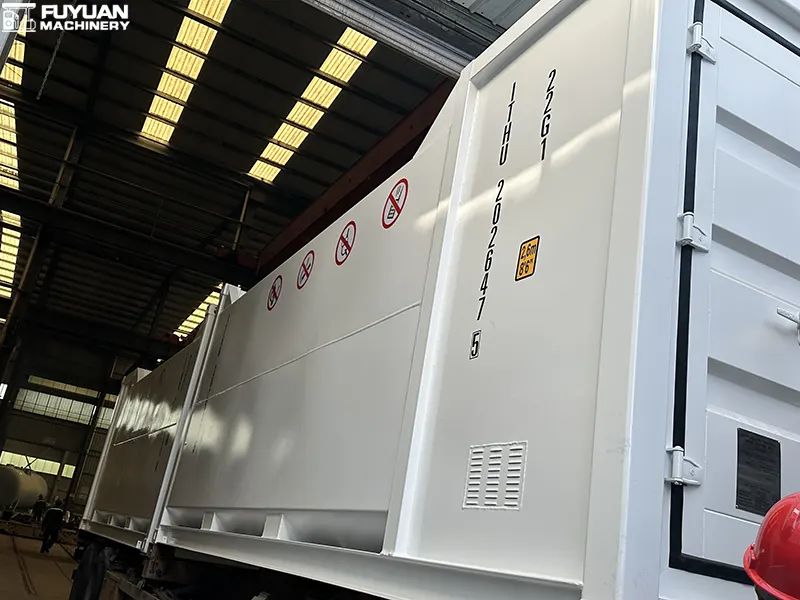
Fuyuan Machinery specializes in manufacturing high-quality containerized fuel stations and skid-mounted systems for global B2B clients. Our solutions are certified to UL, ATEX, IECEx, CE, ASME, and NFPA standards, ensuring compliance wherever your project operates.
Contact Fuyuan Machinery today to discuss your project requirements and get a customized cost-saving analysis for your operation.
Written by
TAI'AN FUYUAN MACHINERY EQUIPMENT CO., LTD.
Editor Yuan
www.mobile-fuel-stations.com
WhatsApp:+86 182 6667 0999
Email:yuanyuzhu6@gmail.com

Leading Chinese Manufacturer & Exporter of mobile fuel stations and skid-mounted fuel stations.