- Home
- Company
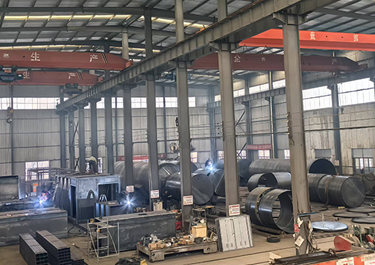 Our FactoryWe have a team of over 30 talented mobile fuel station R&D experts, as well as a 50,000-square-meter advanced modern intelligent manufacturing plant.
 - Mobile Fuel Station
- Storage Tank
- Blog
- Contacts
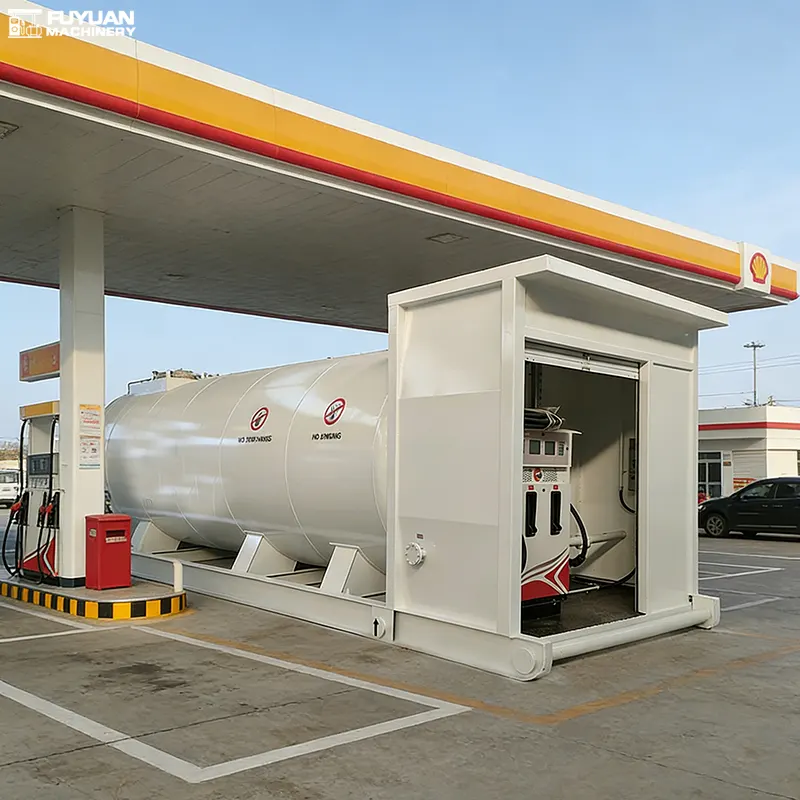
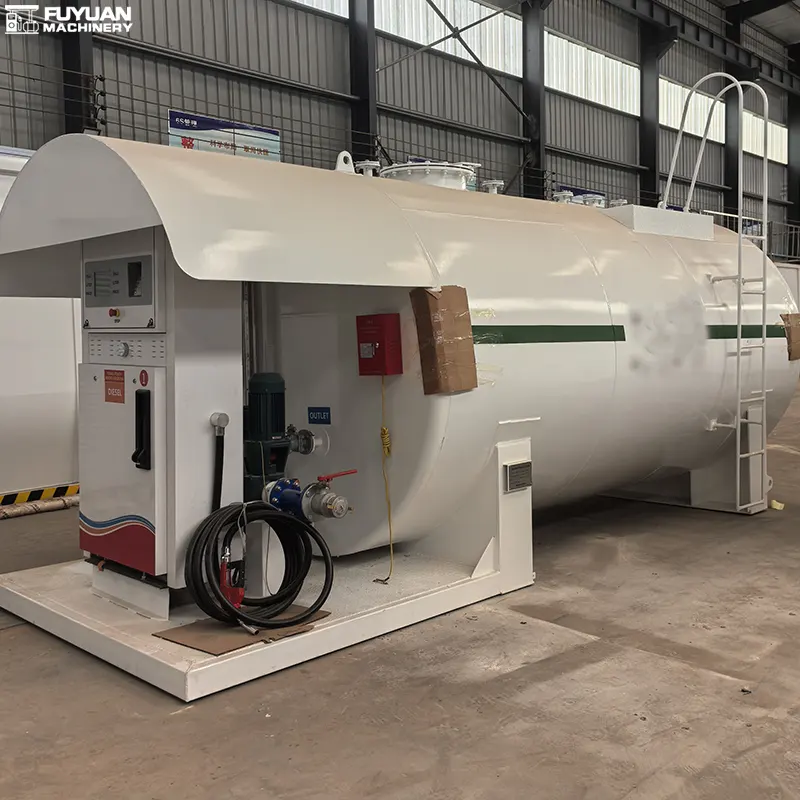
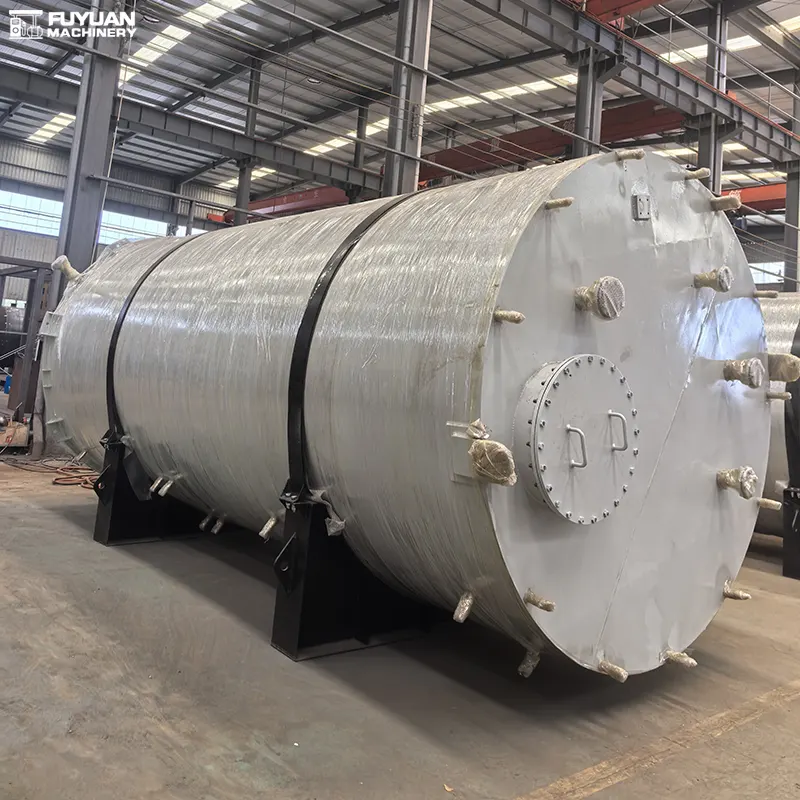
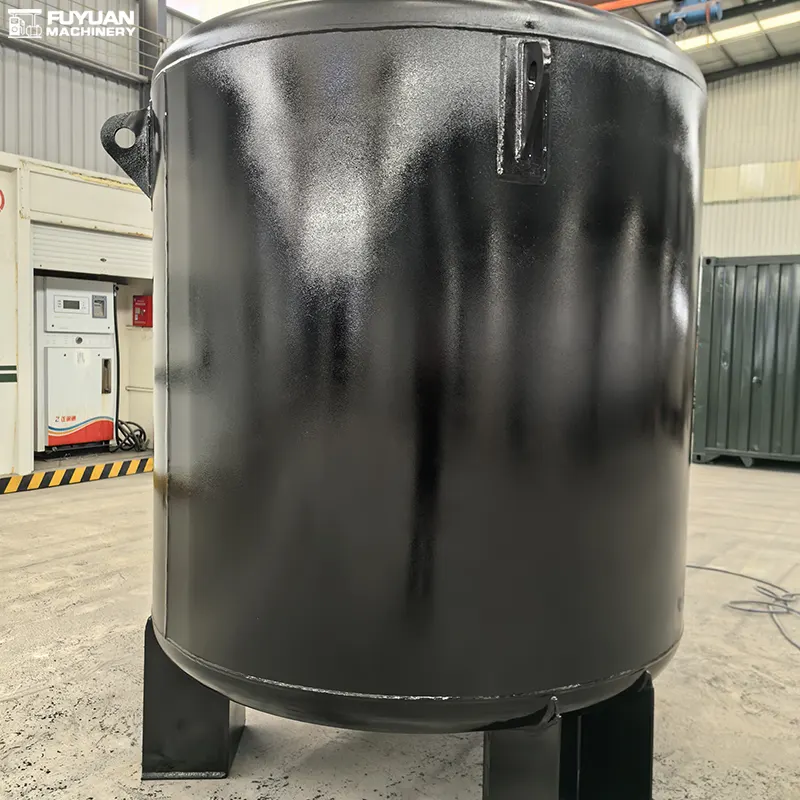
Best 6 Tips to Choose Reliable Mobile Fuel Stations for Mining Sites
Mining operations consume enormous quantities of diesel fuel daily-haul trucks, excavators, drilling rigs, support vehicles, and gensets all demand continuous, reliable fuel supply. In remote mine sites, unreliable fuel logistics are not just inefficient: they are a direct threat to production continuity and project economics.
Large open-pit mines may consume 50,000–200,000+ litres per day across the fleet. A single fuel outage can shut down an entire mine site, costing millions in lost production.
Choosing the right mobile fuel station for your mining operation is therefore not a trivial decision. Here are the 6 best tips to guide your selection.
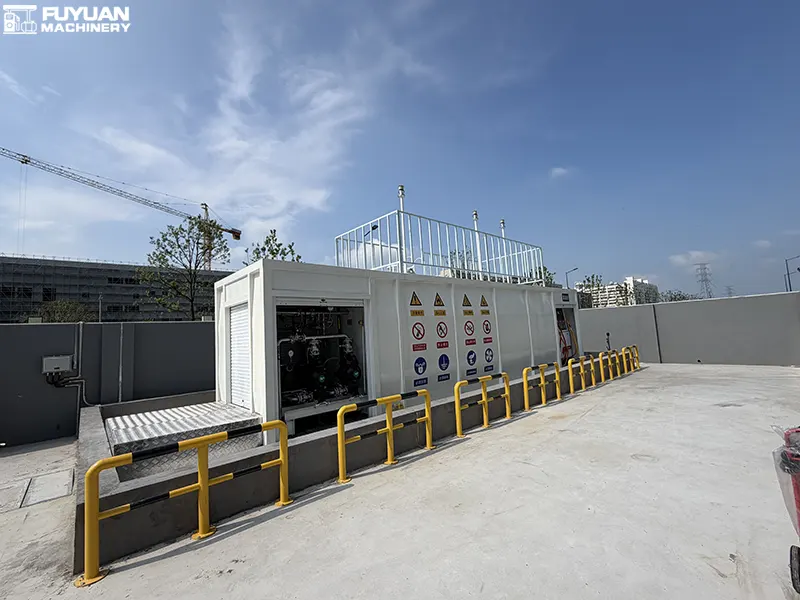
1. Accurately Calculate Your Capacity Requirements
Capacity is the single most important specification-and the one most frequently miscalculated.
What goes wrong: Project managers often size tanks based on average daily consumption rather than peak demand. The result? A fuel-out event that shuts down operations for days.
The right approach: Match your tank capacity to at least the period between reliable refills, with a safety margin.
The basic capacity formula is:
Tank Capacity = Average Daily Fuel Consumption * Days Between Refills * Safety Margin
A safety margin of 1.25 to 1.33 is common. This accounts for ullage (space left at the top of the tank for thermal expansion and safe venting), unexpected demand spikes, and delivery delays.
Example Calculation: Suppose a mining fleet consumes 1,200 L of diesel per day. The supplier can deliver every 14 days. Using a 1.25 safety margin:1,200 L/day * 14 days * 1.25 = 21,000 L
In this case, a standard 20,000 L tank would be insufficient-you would need a larger unit.
Capacity ranges for mining: Systems range from 10 m3 to 60 m3 (10,000L to 60,000L) depending on mine size and consumption. Skid-mounted stations range from compact 1,000L units up to 60,000L systems for mining and industrial depots.
Pro Tip: If you undersize your station, you will face idle equipment, missed production targets, and emergency fuel runs at premium prices. If you oversize, you tie up capital, require a bigger footprint, and may trigger stricter regulatory requirements. The goal is to find the smallest standard size that comfortably covers your peak demand between reliable refills.
2. Select Equipment Built for Harsh Mining Environments
Mining sites are among the harshest operating environments on earth. Dust, temperature extremes, vibration, and rough handling are the norm, not the exception.
What to look for:
- Dust protection: Enclosed units offer better protection against dust and rain, which is a critical selection criterion for mining areas where dust is pervasive. Electronic controller interfaces should carry an IP55 or IP65 ingress protection rating to prevent premature failure from fine mining dust or heavy rain.
- Temperature range: Systems must operate reliably from −40oC to +55oC depending on geography. For extreme cold climates, look for units with thermal insulation and heating elements. For hot climates, ensure proper ventilation.
- Reinforced construction: Mining fuel stations require heavy-duty construction for harsh operating conditions-reinforced tank walls, impact-resistant enclosures, and high-flow pumps.
- Vibration isolation: Do not hard-weld the dispenser skid directly to the vehicle chassis. Use high-density polyurethane vibration isolators to mount the frame.
Pro Tip: In regions with extreme conditions-such as Africa's high temperatures, intense sunlight, torrential rains, sandstorms, and frequent thunderstorms-the installation environment imposes more stringent requirements on mobile fuel stations. Choose equipment designed specifically for these challenges.
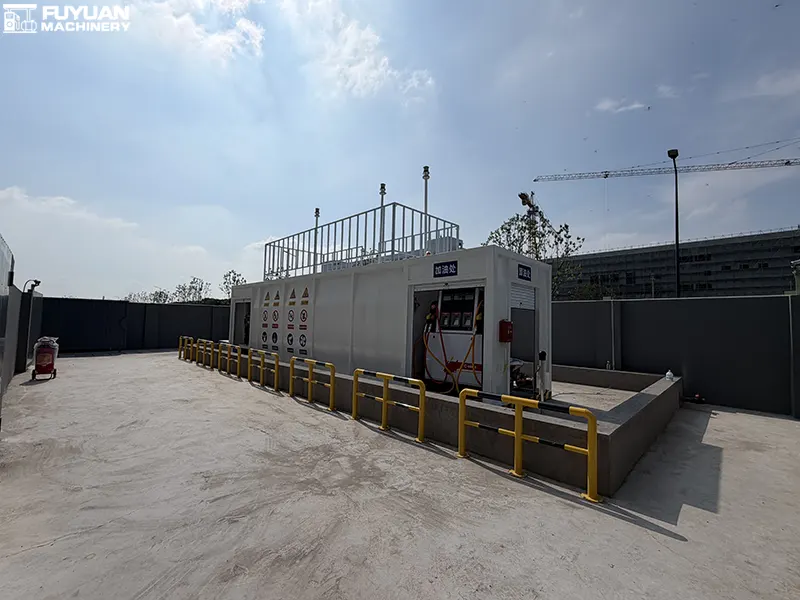
3. Ensure Compliance with Safety and Explosive-Atmosphere Standards
Mining operations involve flammable and explosive environments. Compliance is not optional-it is the price of admission.
- ATEX Certification: Fuel dispensing areas are classified hazardous zones requiring certified explosion-proof equipment. All electrical and mechanical equipment installed in the fuel dispensing area should be ATEX certified for Zone 1 and Zone 2 operation. This includes dispensers, transfer pumps, level instruments, lighting, and control panels.
- Explosion-proof options: Many manufacturers offer explosion-proof options compliant with ATEX standards, making them safe for high-risk zones and volatile environments.
Underground mining requirements: For underground operations, refueling stations must be:
- Constructed of non-flammable material
- Built with a concrete floor
- Adequately ventilated
- Equipped with fire extinguishing systems and portable fire extinguishers
Dispensing safety: Diesel fuel must not be dispensed using compressed gas. Diesel fuel must not be dispensed to equipment while the engine is running.
Certifications to verify: Look for CE, ATEX 2014/34/EU, EN 12285-2, CSC, and ISO 9001:2015 certifications.
Pro Tip: If a supplier cannot provide documented certifications for every applicable standard, walk away. Compliance is mandatory regardless of how long the station remains on site.
4. Choose the Right Flow Rate for Heavy Equipment
Mining equipment is large, and its fuel tanks are large. Standard retail dispensers simply do not cut it.
The numbers: Heavy equipment in mining and construction needs high-flow diesel dispensers delivering 60–120 L/min. Retail vehicle dispensers typically operate at 40–60 L/min.
The impact: For a 1,000-litre tank refuel, a standard 45–50 L/min dispenser takes approximately 22 minutes. A high-flow 120 L/min dispenser reduces that time to under 9 minutes per vehicle.
Flow rate by equipment type:
- Standard duty: 40–60 L/min (light vehicles, support equipment)
- Heavy duty: 80–120 L/min (mining dump trucks, large excavators)
Pro Tip: High-flow dispensing minimizes refuelling downtime-a critical factor when every minute of equipment downtime costs thousands of dollars in lost production.
5. Integrate Automated Fuel Management and Tracking
Fuel theft and unaccounted consumption are major cost drivers on mine sites without automated management systems.
What to look for:
- Vehicle identification: Systems that log every litre dispensed against vehicle ID, operator ID, date, time, and odometer reading
- Real-time monitoring: Continuous fuel level monitoring across multiple tanks, with automated low-stock alerts via SMS or email
- Back-office reporting: Per-vehicle consumption reporting, cost allocation, variance analysis, and multi-site monitoring from a single dashboard
- Access control: RFID or PIN-based fueling to prevent unauthorized use
Key features of modern systems:
- Vehicle ID (Mifare/RFID cards)
- Electronic totaliser
- Remote monitoring via GSM/GPRS
- Continuous ultrasonic or float-type level monitoring
Pro Tip: A mobile fuel dispenser with preset controller and printer converts a simple pump into a secure auditing station. The preset function prevents over-dispensing and ensures accurate reconciliation.
6. Verify the Supplier's Track Record and After-Sales Support
The cheapest quote is rarely the cheapest solution. In mining, equipment failure means production loss-and production loss is measured in millions.
What to verify before placing an order:
| Evaluation Area | What to Check |
| Certifications | CE, ATEX, EN 12285-2, CSC, ISO 9001:2015 |
| Mining experience | Track record with mining operations specifically |
| Customization capability | Ability to design for diesel, diesel-HVO blends, AdBlue, and multi-product configurations |
| After-sales support | Warranty, spare parts availability, technical support |
| Deployment capability | Can they deliver within your project timeline? |
Red flags to end the conversation:
- Cannot provide documented certifications
- Unwilling to share test reports or technical specifications
- No verifiable mining industry track record
- Vague about delivery timelines
- No after-sales support or warranty
Pro Tip: Work with suppliers who offer custom design capabilities for different fuel types and specifications. Mining operations often require diesel, diesel-HVO blends, and AdBlue-multi-product configurations are essential.
Summary: The 6 Tips at a Glance
| Tip | Key Action | Why It Matters |
| 1. Calculate capacity | Size for peak demand + 25% safety margin | Prevents fuel-outs and production stoppages |
| 2. Select rugged equipment | IP55/IP65 rating, extreme temperature range | Survives dust, heat, cold, and vibration |
| 3. Ensure safety compliance | ATEX Zone 1/2 certification, explosion-proof components | Legal requirement; prevents catastrophic incidents |
| 4. Choose high flow rates | 60–120 L/min for heavy equipment | Cuts refuelling time by 60%+ |
| 5. Integrate fuel management | RFID tracking, real-time monitoring, reporting | Eliminates theft; provides full auditability |
| 6. Verify supplier credentials | Certifications, mining experience, after-sales support | Avoids costly failures and downtime |
Conclusion
Mining operations cannot afford fuel logistics failures. A mobile fuel station is not just a piece of equipment-it is critical infrastructure that keeps production running.
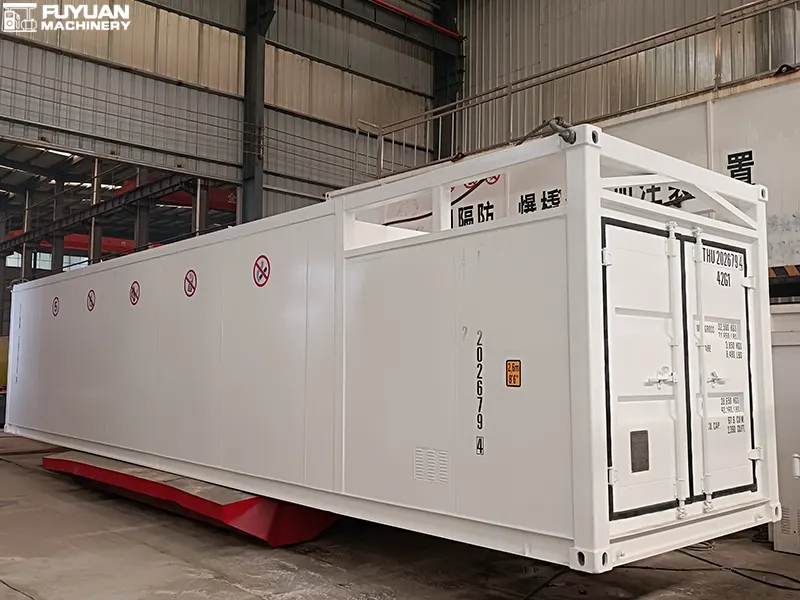
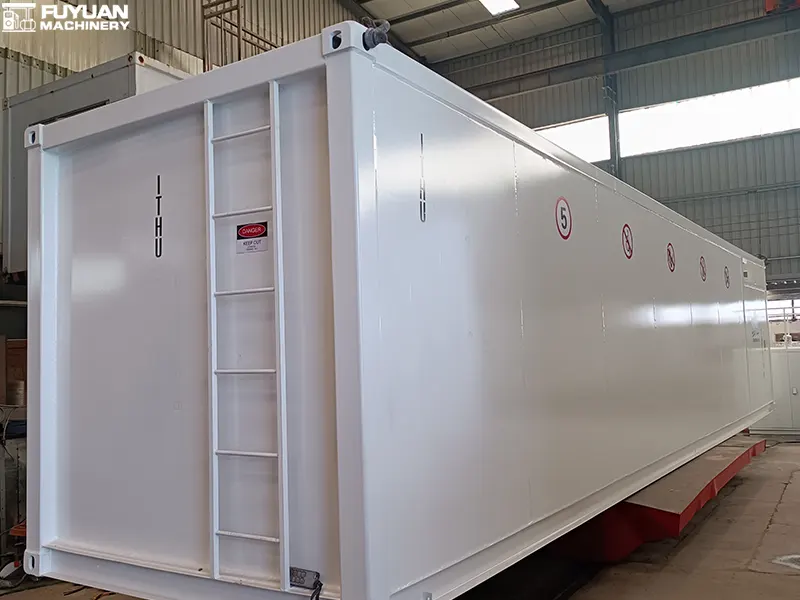
Mobile fuel stations engineered specifically for mining environments address the unique challenges: remote locations, heavy equipment refuelling, harsh climates, ATEX hazardous zones, and the need for full auditability of every litre dispensed.
Choosing the right station means getting the capacity, durability, safety compliance, flow rate, management system, and supplier right. Get these six factors right, and your mobile fuel station will deliver exactly what it promises: reliable fuel where you need it, when you need it, at a cost you can control.
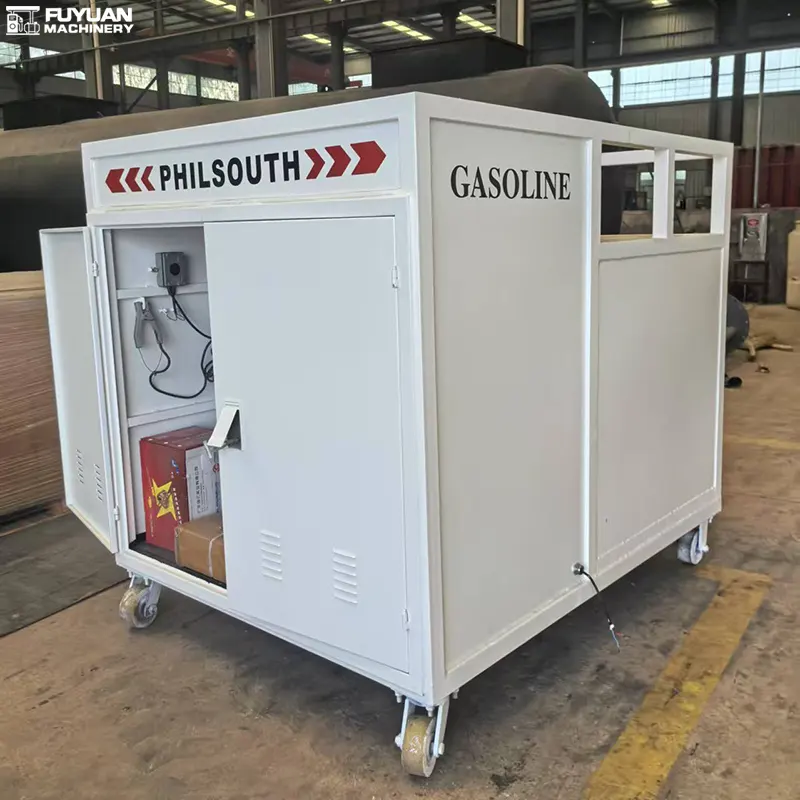
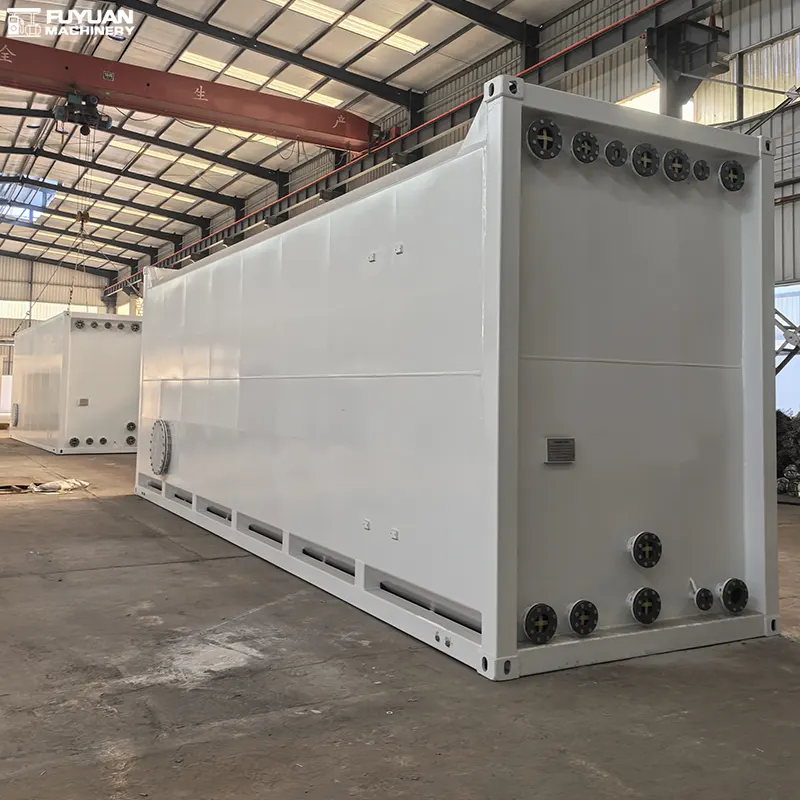
Looking for a reliable mobile fuel station for your mining operation? Fuyuan Machinery manufactures high-quality containerized and skid-mounted fuel stations engineered for mining environments-certified to UL, ATEX, IECEx, CE, ASME, and NFPA standards, with high-flow dispensing and automated fuel management built in. Contact us today for a customized solution tailored to your specific mine site requirements.
Written by
TAI'AN FUYUAN MACHINERY EQUIPMENT CO., LTD.
Editor Yuan
www.mobile-fuel-stations.com
WhatsApp:+86 182 6667 0999
Email:yuanyuzhu6@gmail.com

Leading Chinese Manufacturer & Exporter of mobile fuel stations and skid-mounted fuel stations.