
- Home
- Company
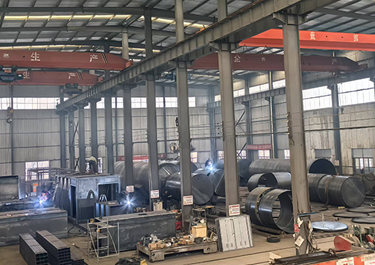 Our FactoryWe have a team of over 30 talented mobile fuel station R&D experts, as well as a 50,000-square-meter advanced modern intelligent manufacturing plant.
 - Mobile Fuel Station
- Storage Tank
- Blog
- Contacts
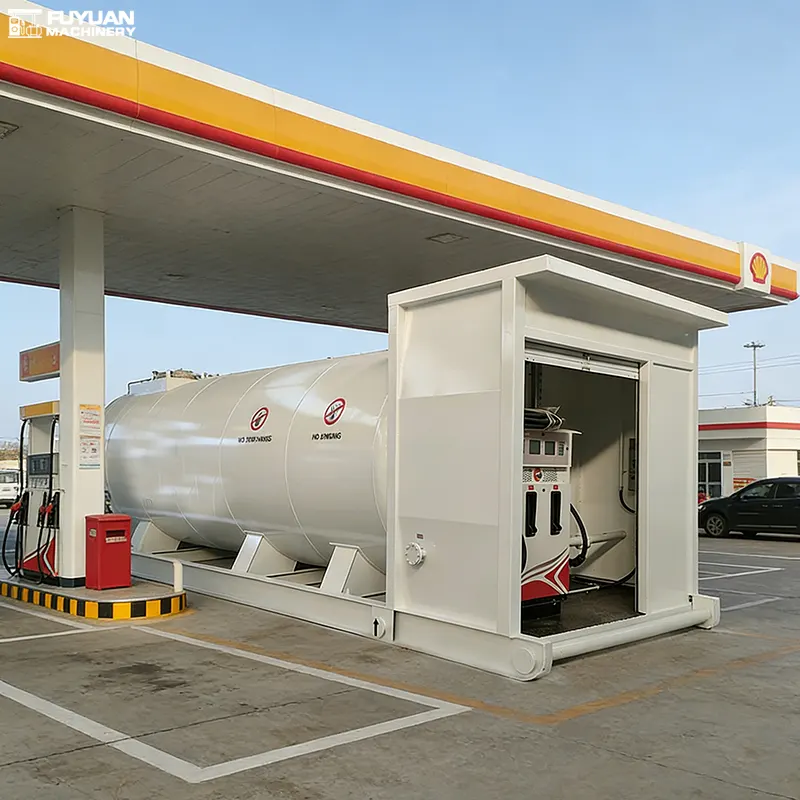
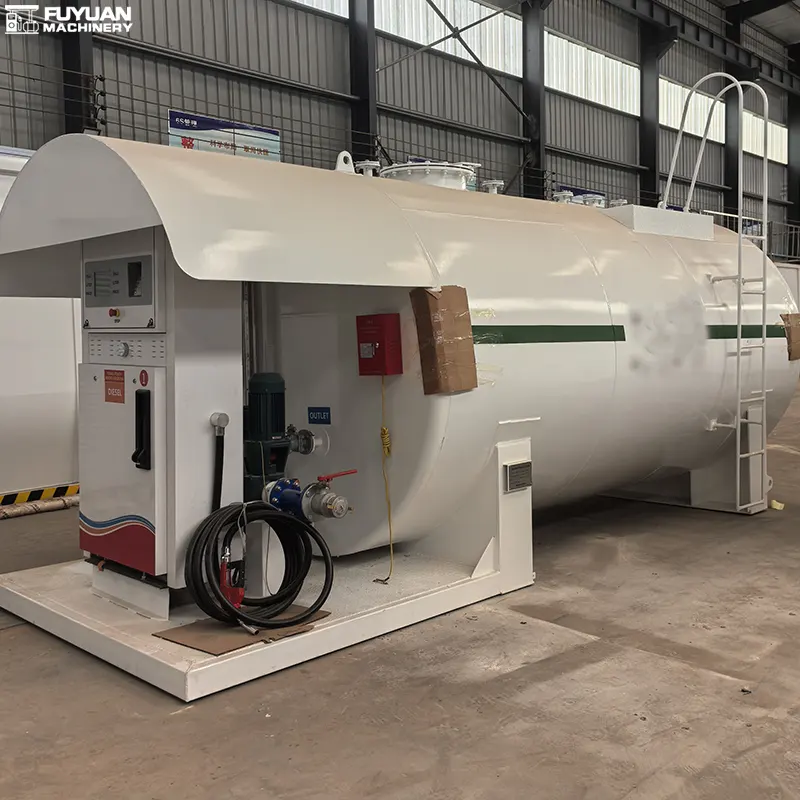
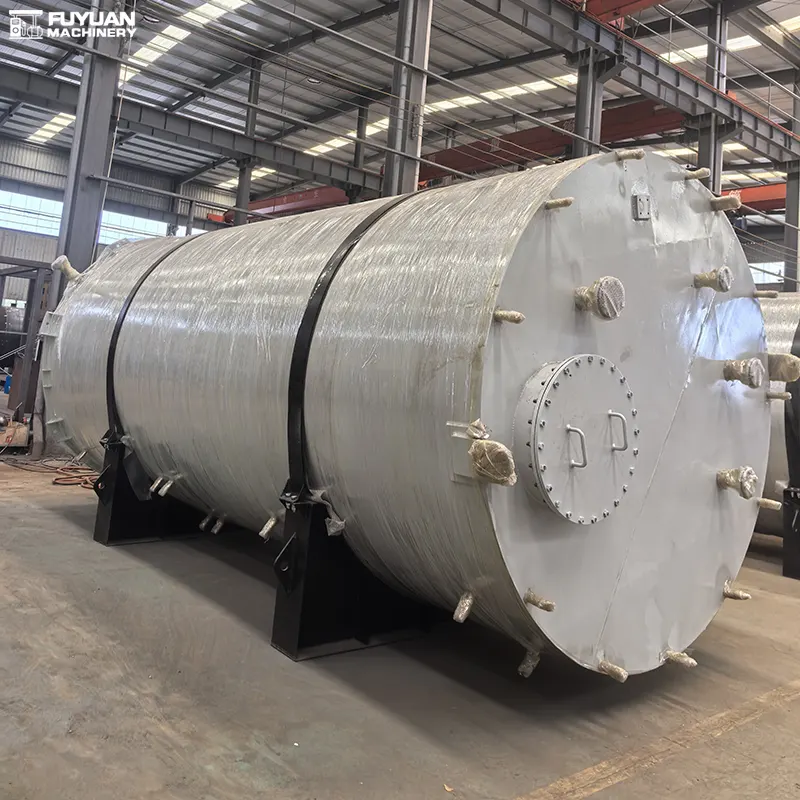
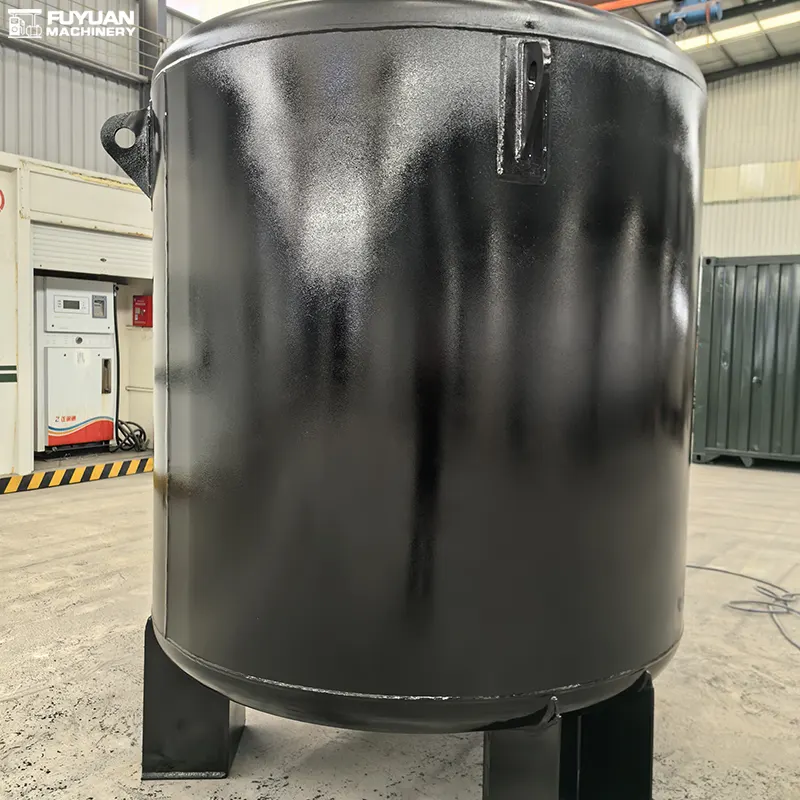
A Brief Analysis of Methods for Determining Water Capacity and Draining Procedures at Mobile Fuel Stations
Water accumulation is a crucial part of the daily maintenance of mobile fuel stations. The first step is to determine the water volume. If the volume is within acceptable limits, cleaning is unnecessary. Cleaning only begins when the volume meets the standards. Determining the water volume requires experience and common sense. Today, we'll explain the methods for determining water volume and the drainage procedures for mobile fuel stations.
1. Methods for Determining Water Volume
- 1.1. The level gauge's float detects water and triggers an alarm.
- 1.2. Apply a water-testing paste to one end of a long bamboo pole and insert it into the bottom of the tank to check if the bottom is full.
2. Drainage Instructions:
2.1. Required Equipment:
- 2.1.1. Brushless explosion-proof gasoline pump: Available in various voltage specifications (12V, 24V, 220V). Please select the appropriate pump for your specific needs.
- 2.1.2. Two 1-inch oil delivery pipes: One oil delivery pipe must be at least 8 meters long and connected to the input end of the oil pump, extending to the bottom of the tank; the other oil delivery pipe connects to the output end of the oil pump and into the oil collection tank, its length determined according to the situation.
- 2.1.3. Double-door copper bottom valve: Installed at the bottom of the oil pipe inserted into the tank bottom.
- 2.1.4. Several open oil collection tanks.
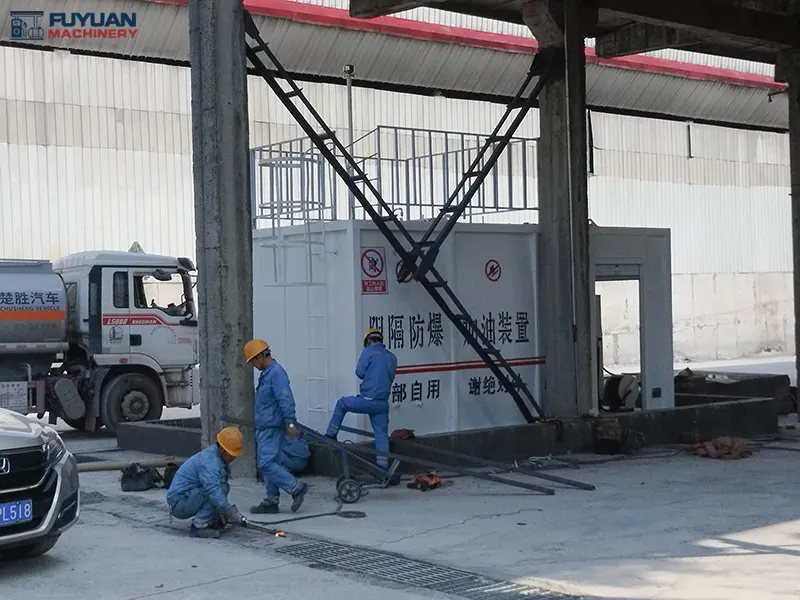
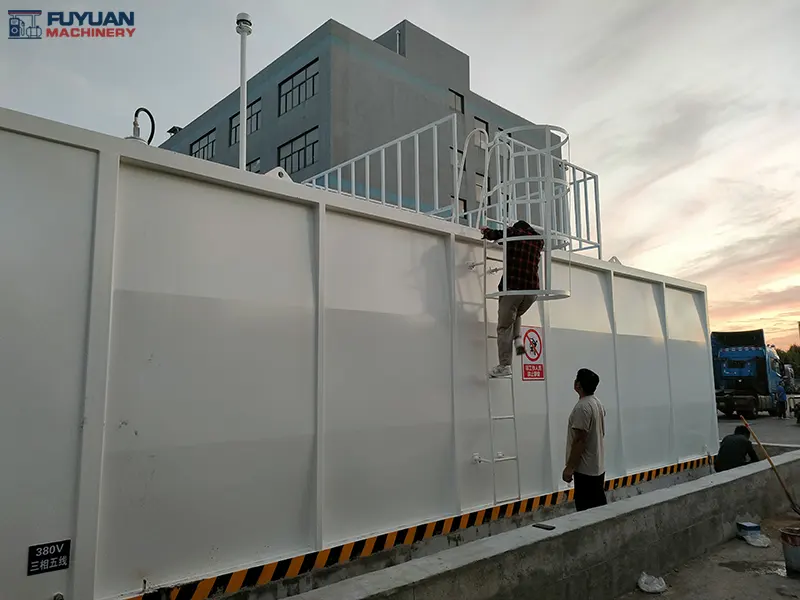
2.2. Operating Procedure:
- 2.2.1. Open the gauging port at the manhole on the top of the tank and place the oil delivery pipe with the double-door copper bottom valve at the bottom of the storage tank.
- 2.2.2. Place the other end of the oil delivery pipe from the oil pump into the open oil tank.
- 2.2.3. Connect the oil pump to the power supply (all electrical components are explosion-proof).
- 2.2.4. Start the oil pump to perform the drainage operation.
- 2.2.5. Equip multiple open-top oil drums for easy replacement during drainage.
- 2.2.6. Continue drainage until all water extracted from the drums is oil and no water remains (this is not visually observable but can be checked with a water-testing paste).
The above are the methods for determining the water capacity and the drainage steps for mobile fuel stations. We hope this information will be helpful when performing water drainage operations at mobile fuel stations in the future.
Written by
TAI'AN FUYUAN MACHINERY EQUIPMENT CO., LTD.
Editor Wang
www.mobile-fuel-stations.com/
WhatsApp:+86 182 6667 0999
Email:yuanyuzhu6@126.com
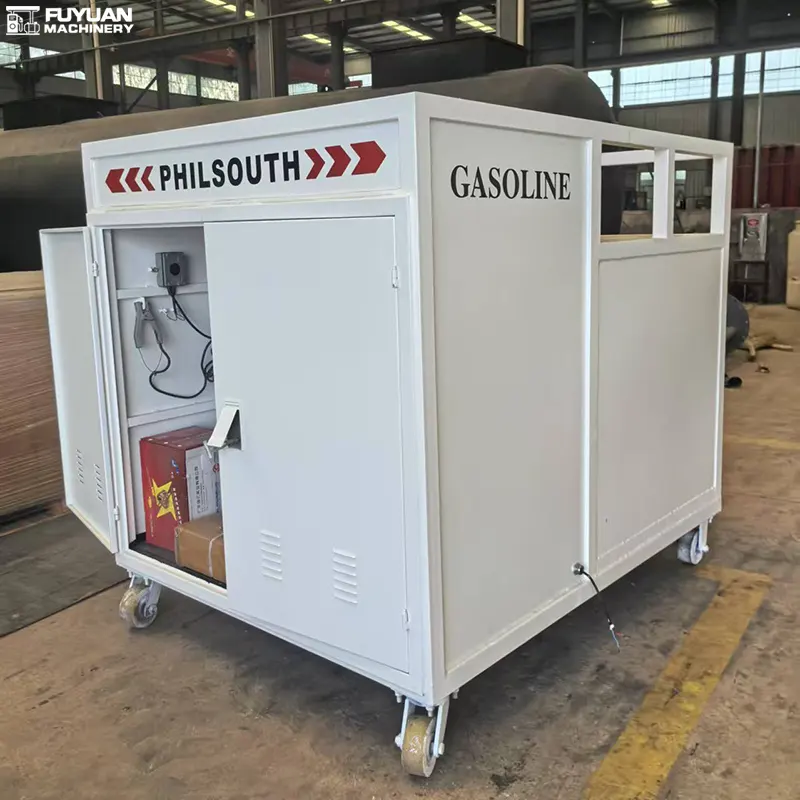

Leading Chinese Manufacturer & Exporter of mobile fuel stations and skid-mounted fuel stations.